Field reports, technique, and the people keeping these traditions alive.
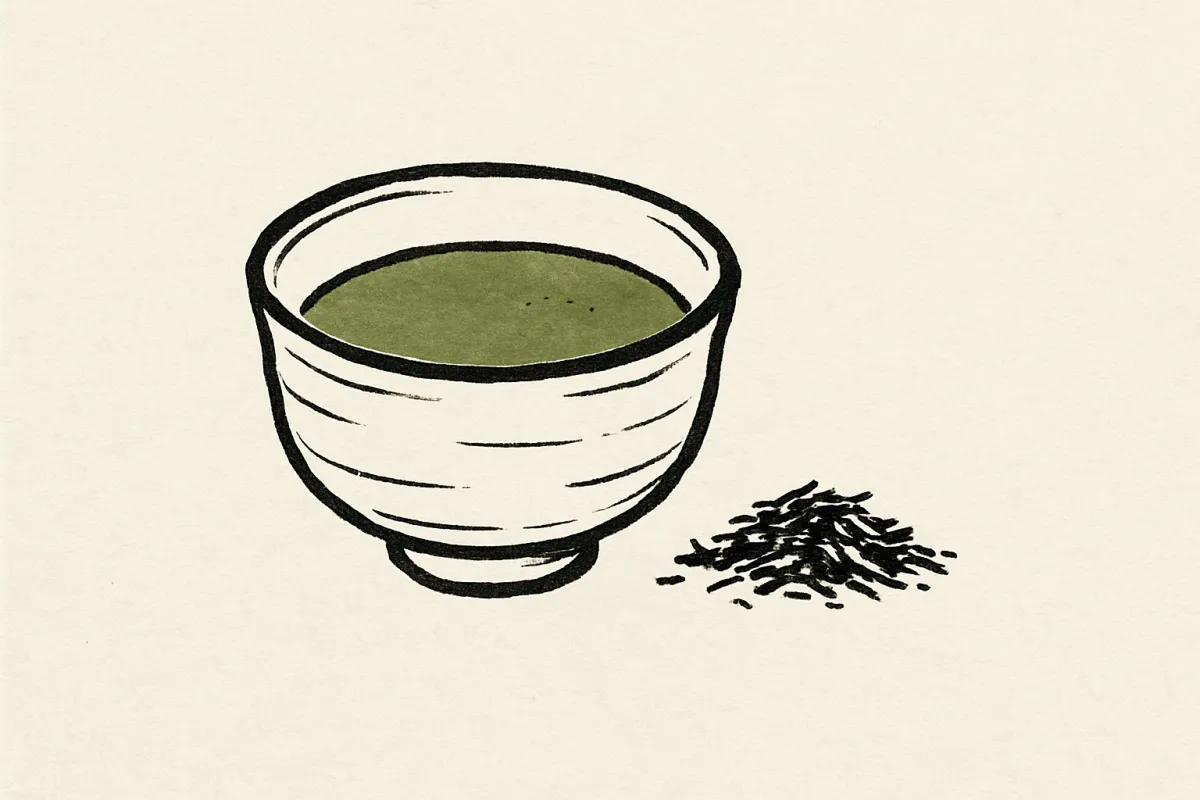
Matcha, sencha, and gyokuro all come from the same plant, Camellia sinensis. What separates them is two decisions: whether the leaf grows in sun or shade, and whether you grind it to powder or steep it in a pot. This lays out brewing temperatures, caffeine, and flavor side by side.
"Ceremonial grade" is printed on $8 tins and $80 tins alike, with no standard in between. Here is what the label signals, what it hides, and how Japan sorts its matcha.
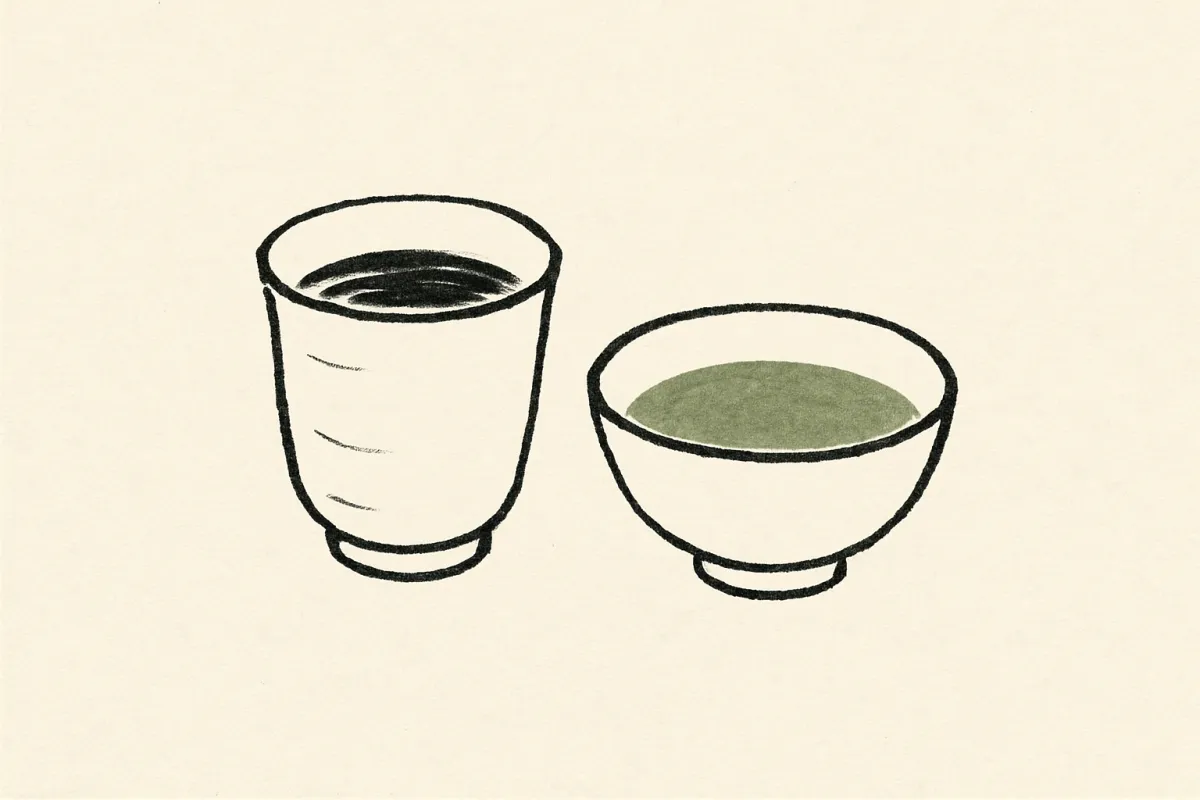
Hojicha has roughly 7–20 mg of caffeine per cup; matcha has around 38–89 mg per 2 g serving. That single gap explains most of why people choose one over the other — but the real reason hojicha is gentle isn't roasting. Here is the full comparison.
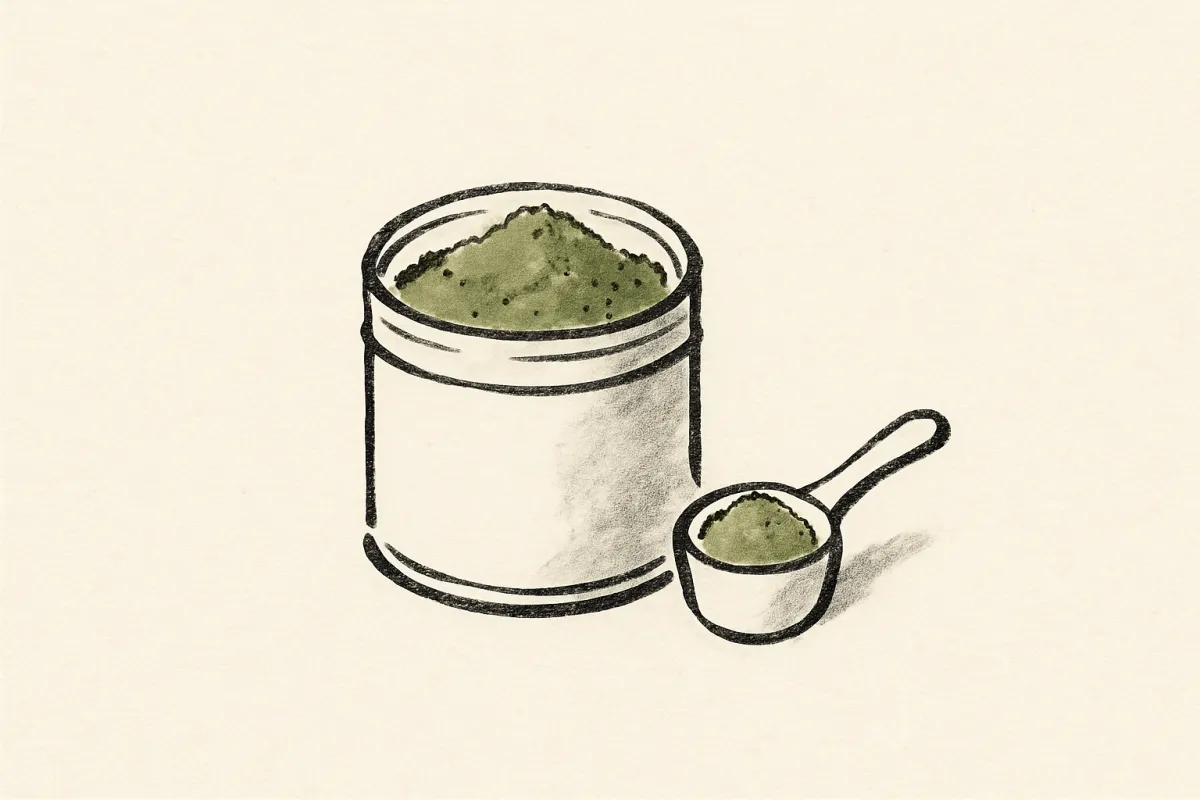
There's fake ceremonial matcha on Amazon for $8 that looks like cut grass, and dyed-green fakes for $35. Telling them apart isn't complicated: check color, origin, and price per gram. The complete buyer's guide.
A matcha latte is a paste problem before it is a milk problem. Whisk the powder smooth with a little hot water first, then build hot or iced. Here are the measures, the milks compared, and the fix for clumpy, bitter cups.
Matcha does appear to influence metabolism, but the effect is modest, the mechanisms are real, and most articles exaggerate both. This is what EGCG and caffeine do to fat oxidation, what the numbers actually mean, and the one practical swap that outperforms every direct fat-burning claim.
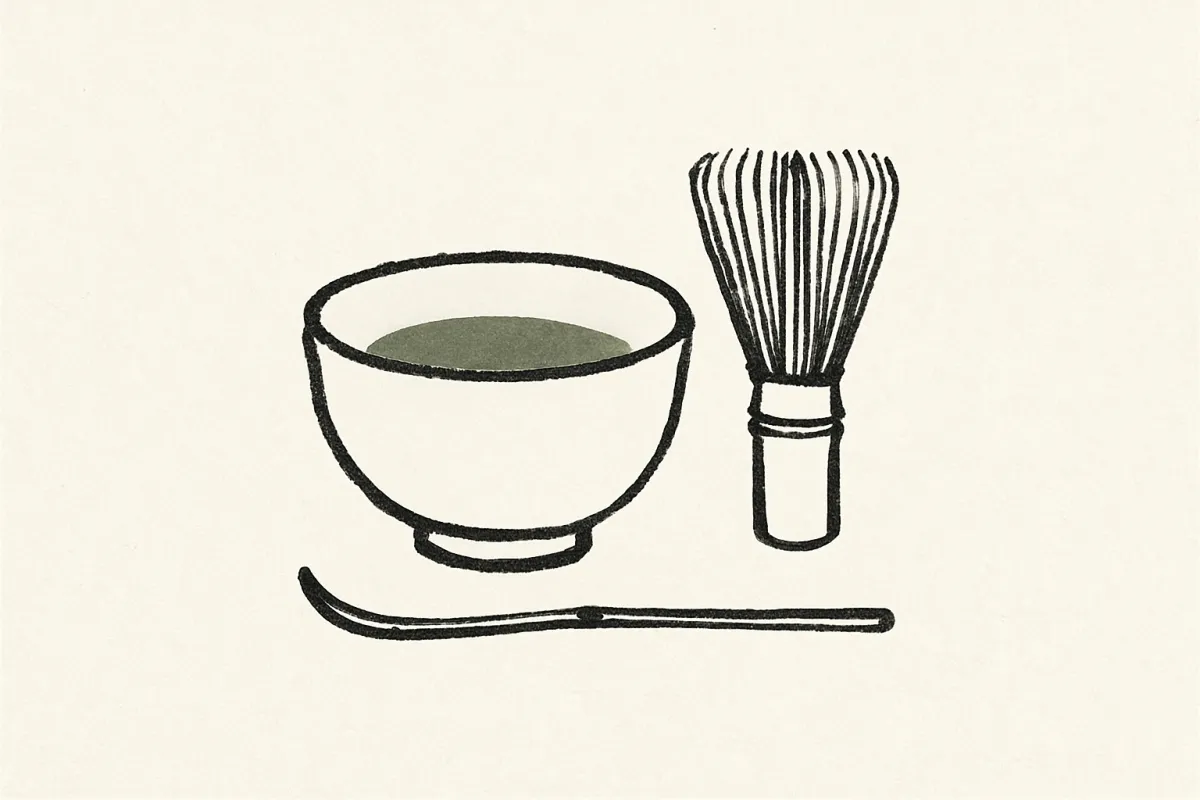
New to matcha? Start here. This is the short path from never having whisked a bowl to drinking matcha you actually like: what it is, which tin to buy first, the few tools you need, and the two habits that prevent most bad bowls. Each step hands off to a deeper guide.
Matcha is a heavily studied green tea, and the research is genuinely interesting — but most articles stretch it past what studies support. Here is what EGCG, L-theanine, and antioxidants actually do, what they cannot yet prove, and what grade does (and doesn't) change.
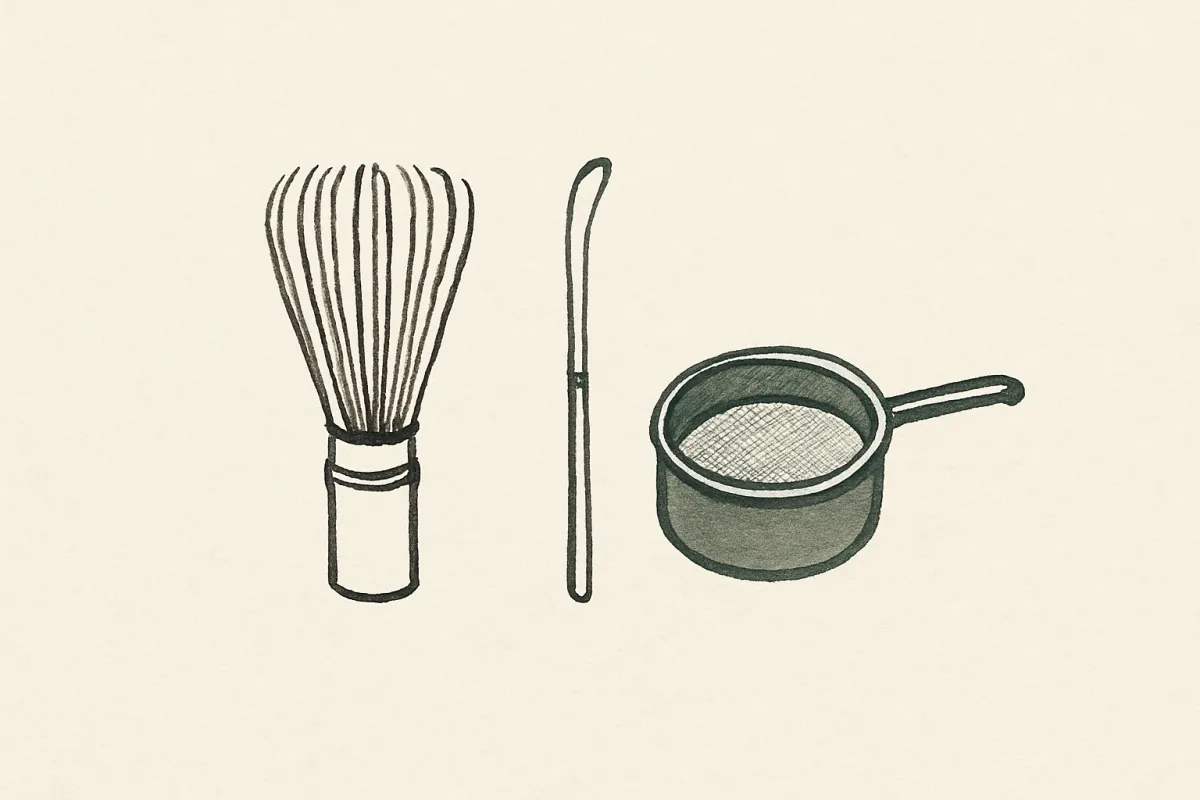
Three tools make good matcha: a fine-mesh sifter, a whisk, and a wide bowl. Everything else is a comfort upgrade. A tool-by-tool breakdown, with prices, kitchen substitutes, and what changes if you only ever drink lattes.
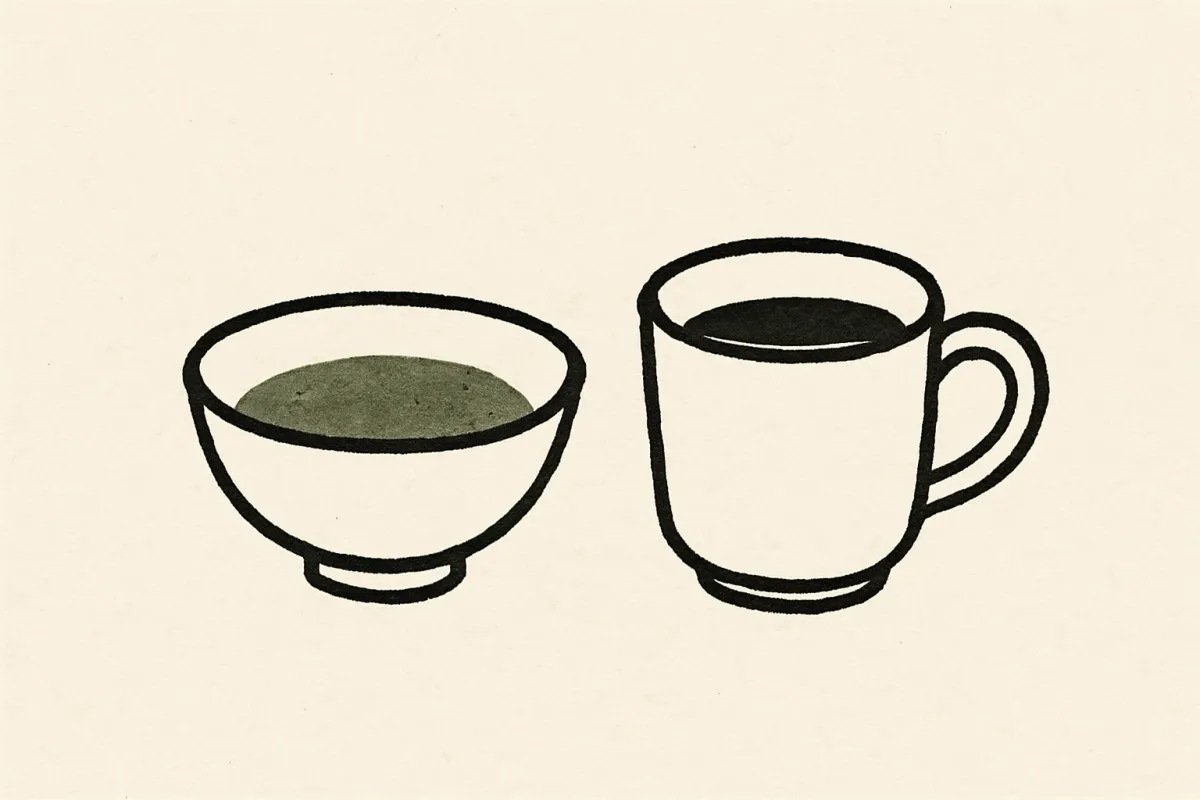
Coffee and matcha run on the same caffeine molecule, yet they feel different in the cup, and their health profiles diverge significantly. A side-by-side comparison on antioxidants, anxiety, liver health, and focus, plus what to expect when you switch.
Coffee gives sharp focus, then a cliff. Matcha drinkers report a slower, calmer arc from the same caffeine molecule. The difference points to one amino acid, L-theanine. This walks through what studies suggest and where the evidence stops.
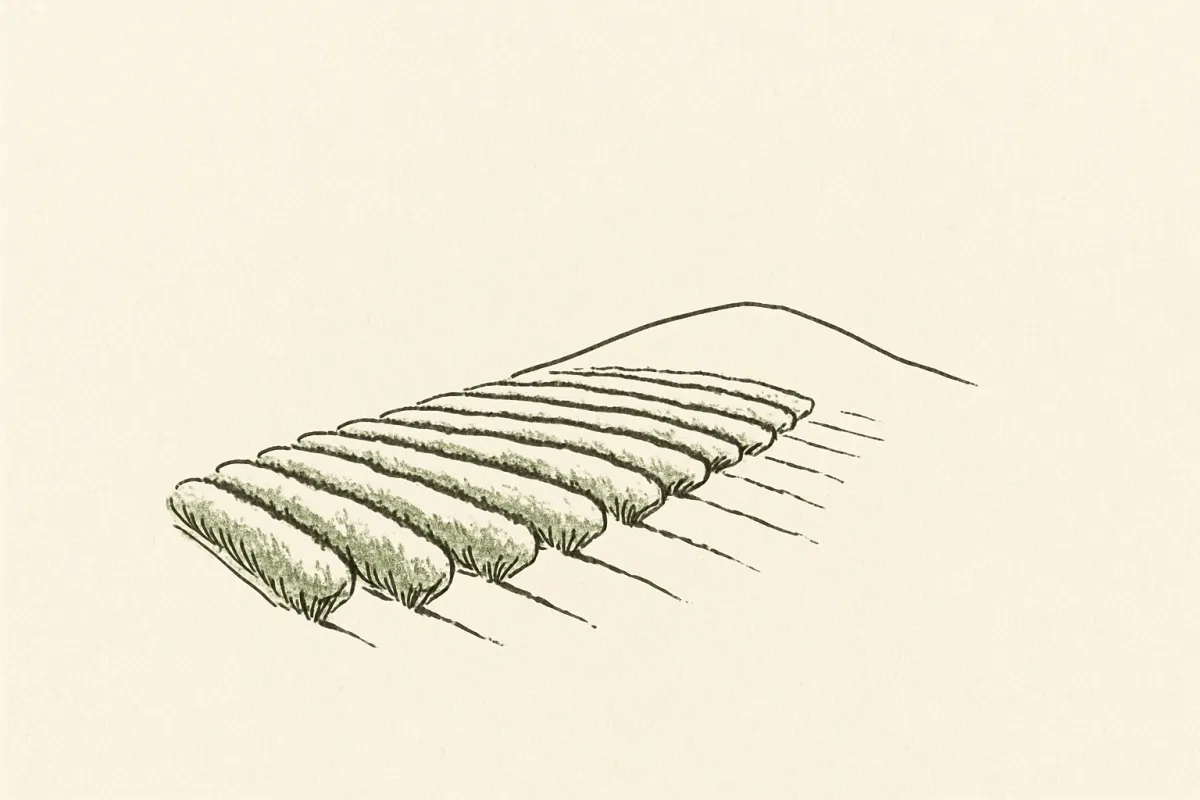
A spring frost gutted Kyoto's 2025 harvest while Kagoshima quietly became Japan's largest tea producer for the first time on record. Where matcha comes from has never mattered more. A field guide to the four regions and the leaf behind all of them.
A 300-year-old Kyoto tea house sold nine months of stock in a single month, then began discontinuing product lines. The 2026 shortage isn't a blip. It's a structural collision between centuries-old farming and viral demand, told in the numbers English-language news mostly skipped.
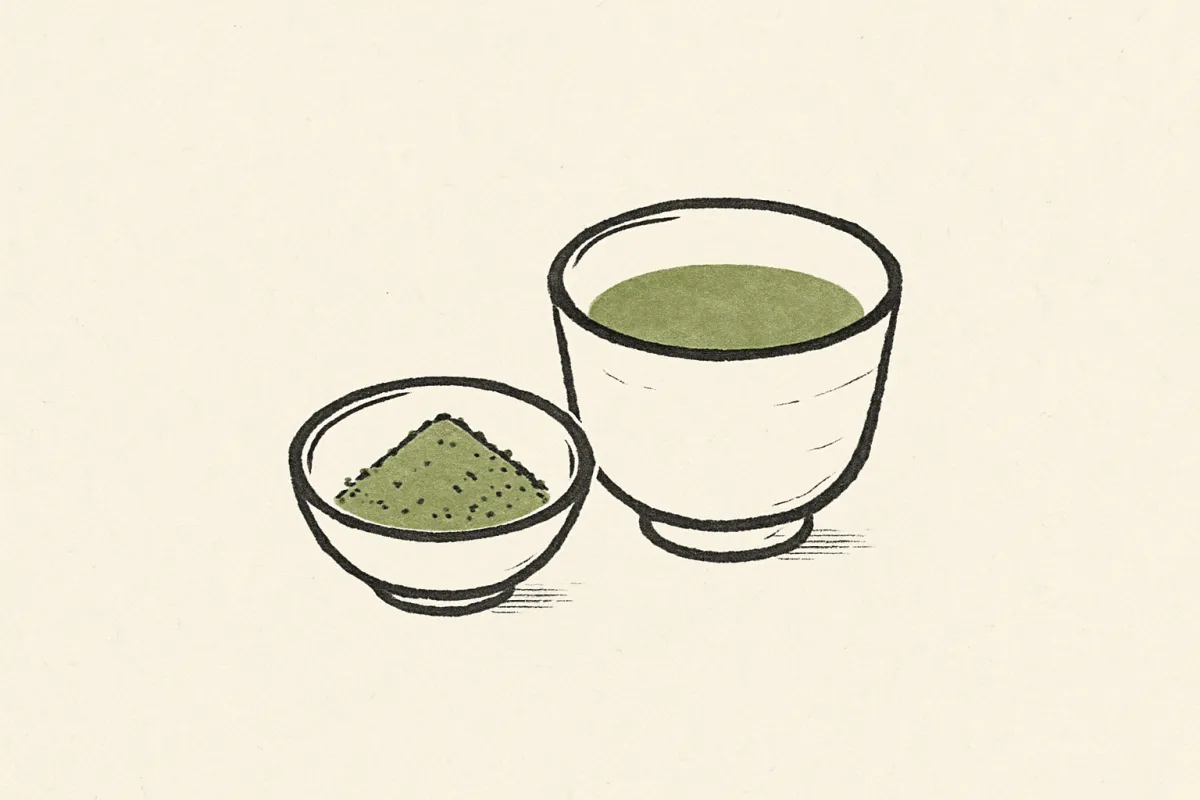
Yes, matcha is green tea: it comes from the same plant as the sencha in your everyday cup. Matcha differs in one way: it's the whole leaf ground to powder and whisked in, not steeped and strained off. A plain answer for anyone who drinks regular green tea and wonders what makes matcha different.
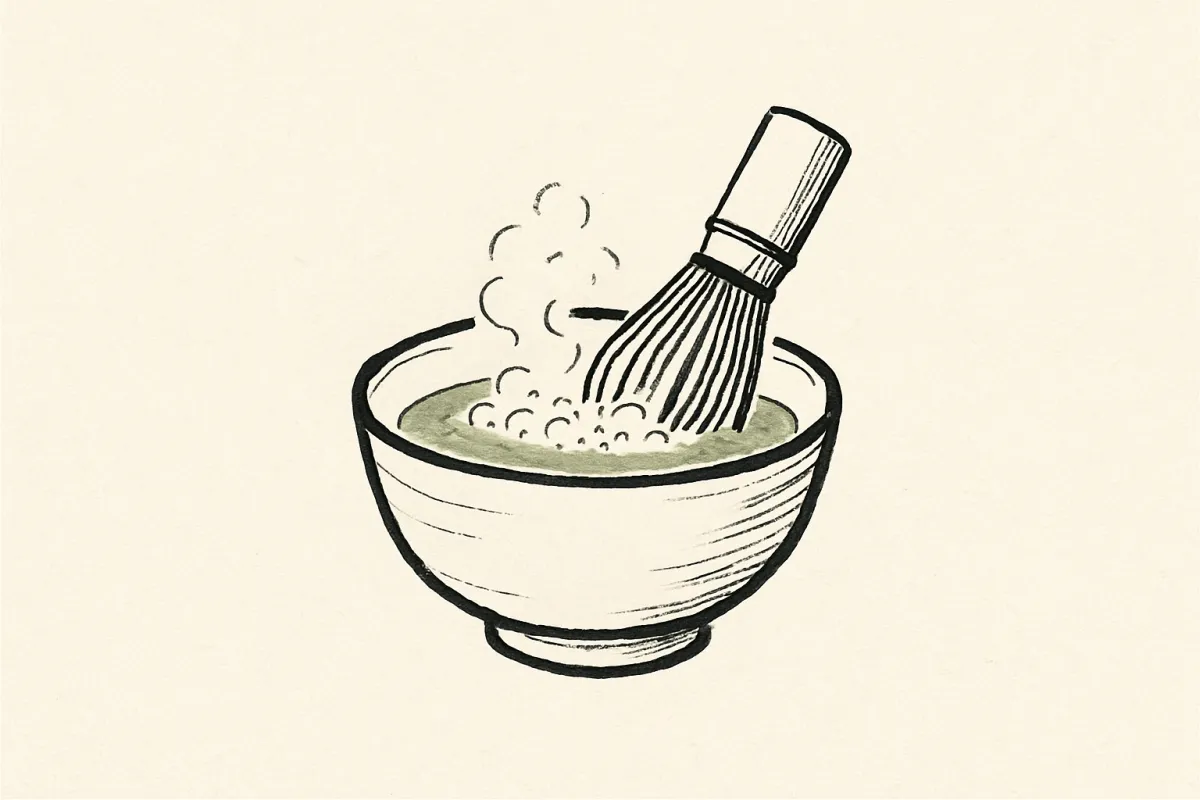
Most people make matcha bitter in exactly the same two ways: water too hot, and skipping the sieve. Correct those and you've fixed 80 percent of it. The full guide, from equipment to thick tea.
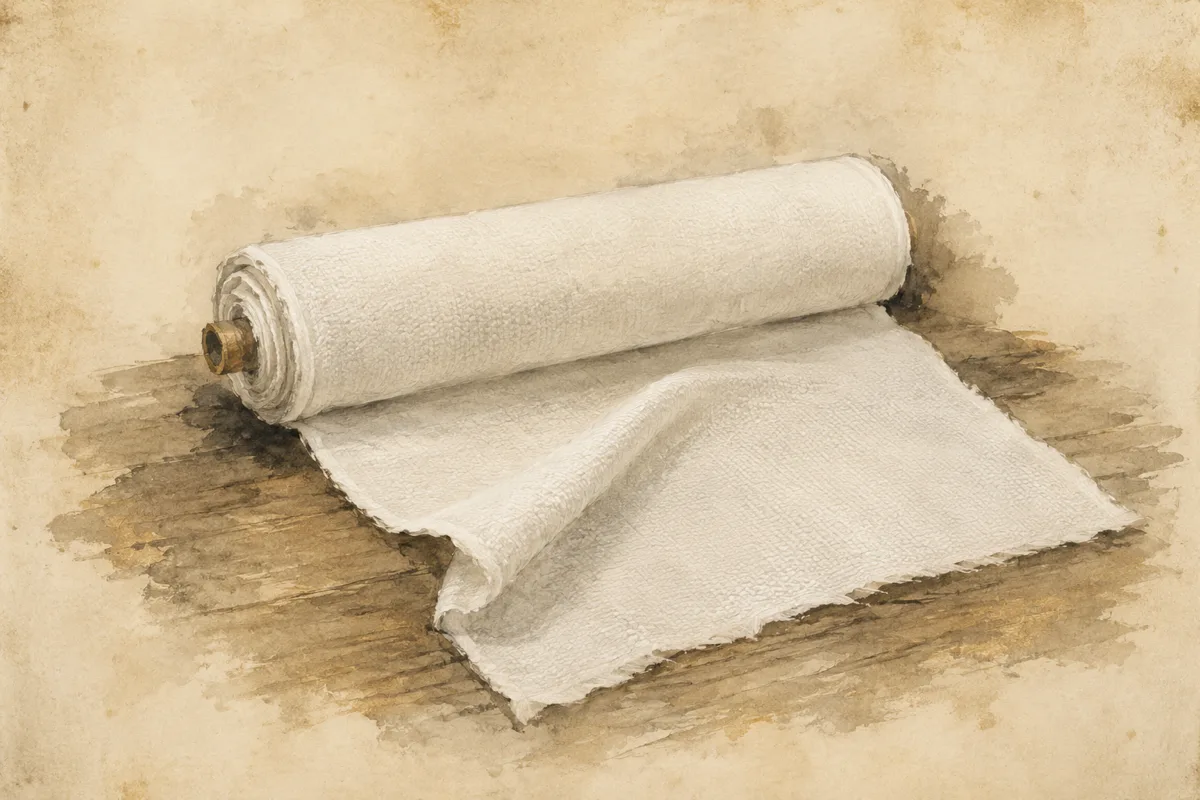
The pebbled surface of chirimen crepe is not woven in. The cloth leaves the loom flat and stiff; the texture appears only in the wash, when the weft, twisted three to four thousand times a metre, is freed of its silk gum and shrinks the fabric into thousands of tiny crimps. That same shrinkage is why water marks it, and why Tango, which weaves most of Japan's kimono silk, tells you to keep it dry.
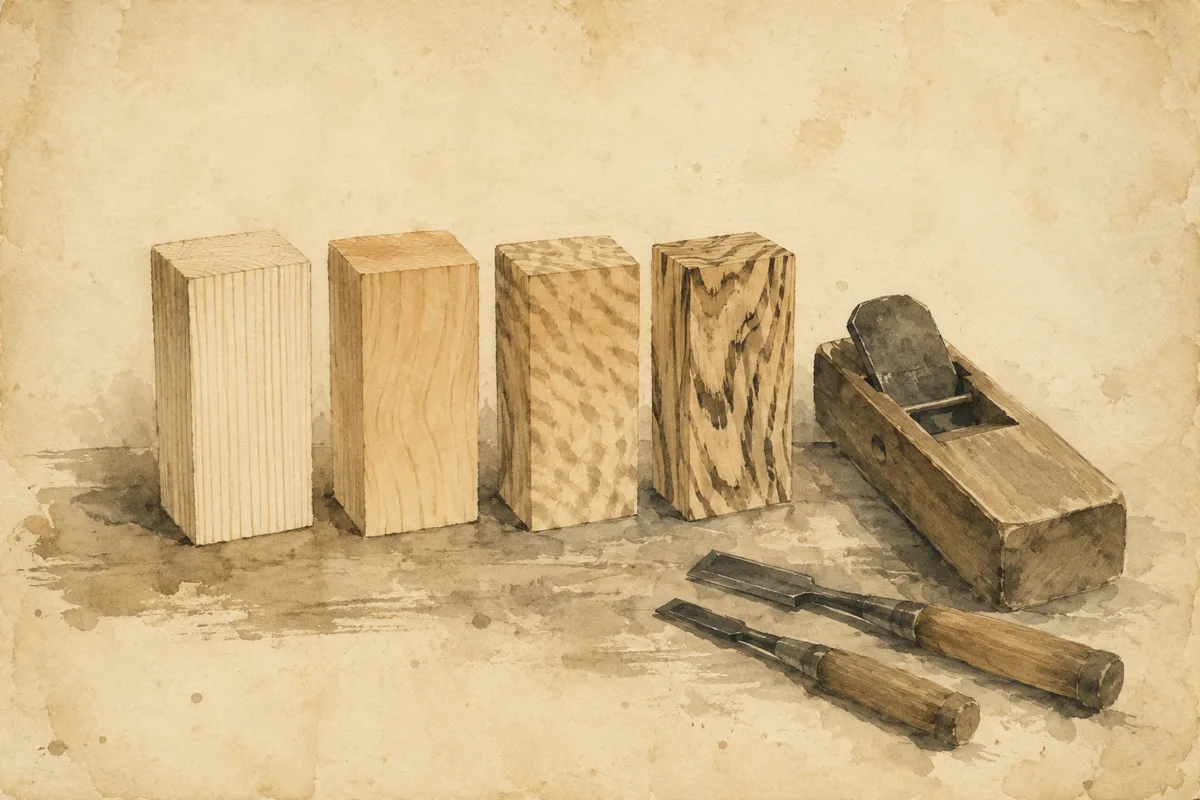
Japanese woodwork rarely says just 'wood.' A shrine gets hinoki because it resists rot, a sake barrel gets sugi because it is cheap and fragrant, a temple pillar gets hard keyaki, and a kimono chest gets kiri because it is the lightest wood there is and chars instead of burning. Four woods, four jobs, and the reason each one is matched to its task.
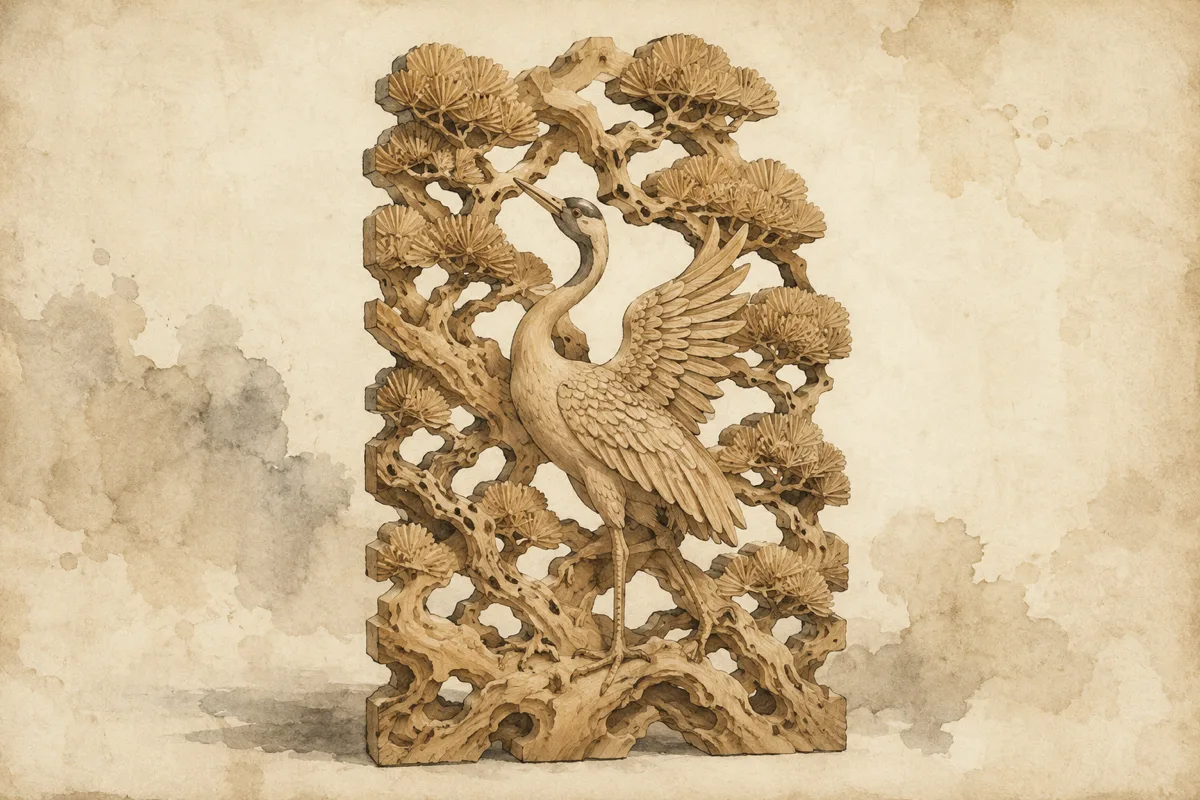
The town of Inami in Toyama built its name on a single object: the ranma, the openwork transom that sits above the sliding doors of a Japanese room. Because a transom divides two rooms, Inami's carvers cut it deep from both faces, so one plank shows a whole scene to each side. The skill did not start in houses. It came from rebuilding a temple after a fire.
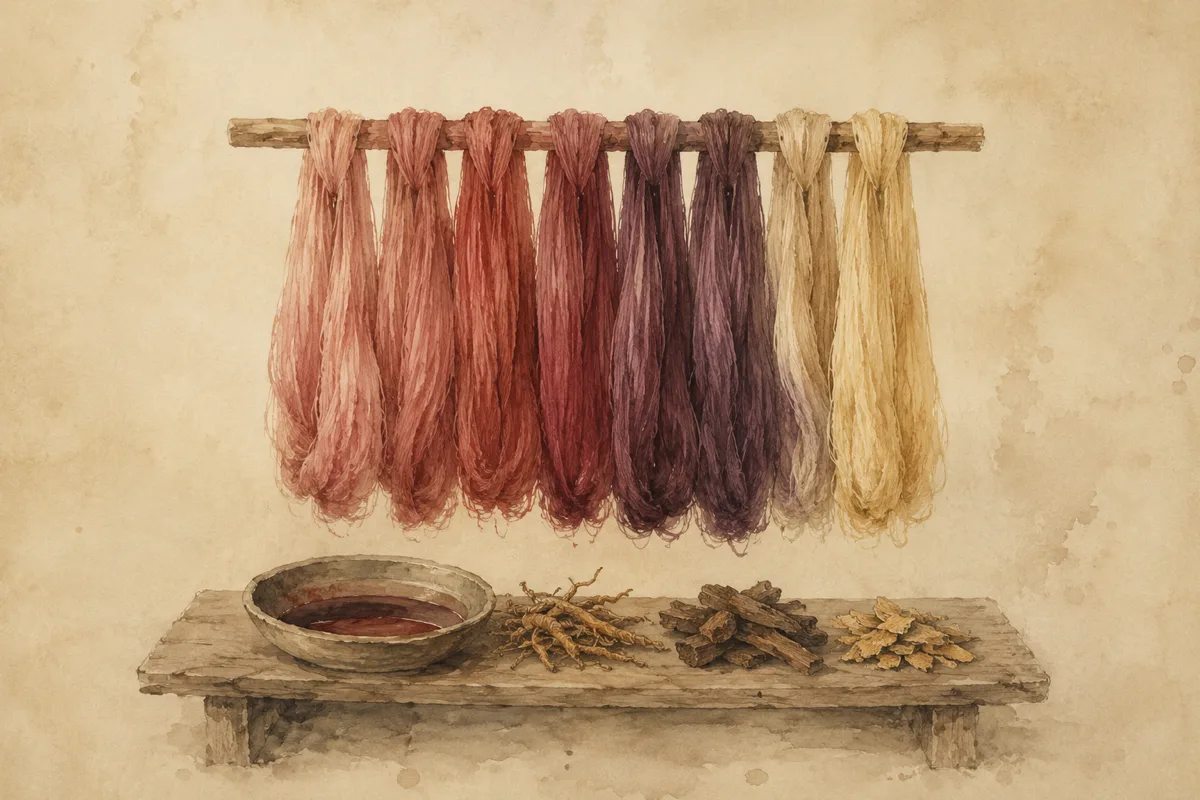
Japanese plant dyeing is usually explained as a list: this plant gives red, that one gives yellow. The real variable is the mordant, the metal salt that fixes the dye and shifts its color. The same madder root gives you clear red over aluminum and dull brown over iron. And the word kusaki-zome itself is younger than you would guess.
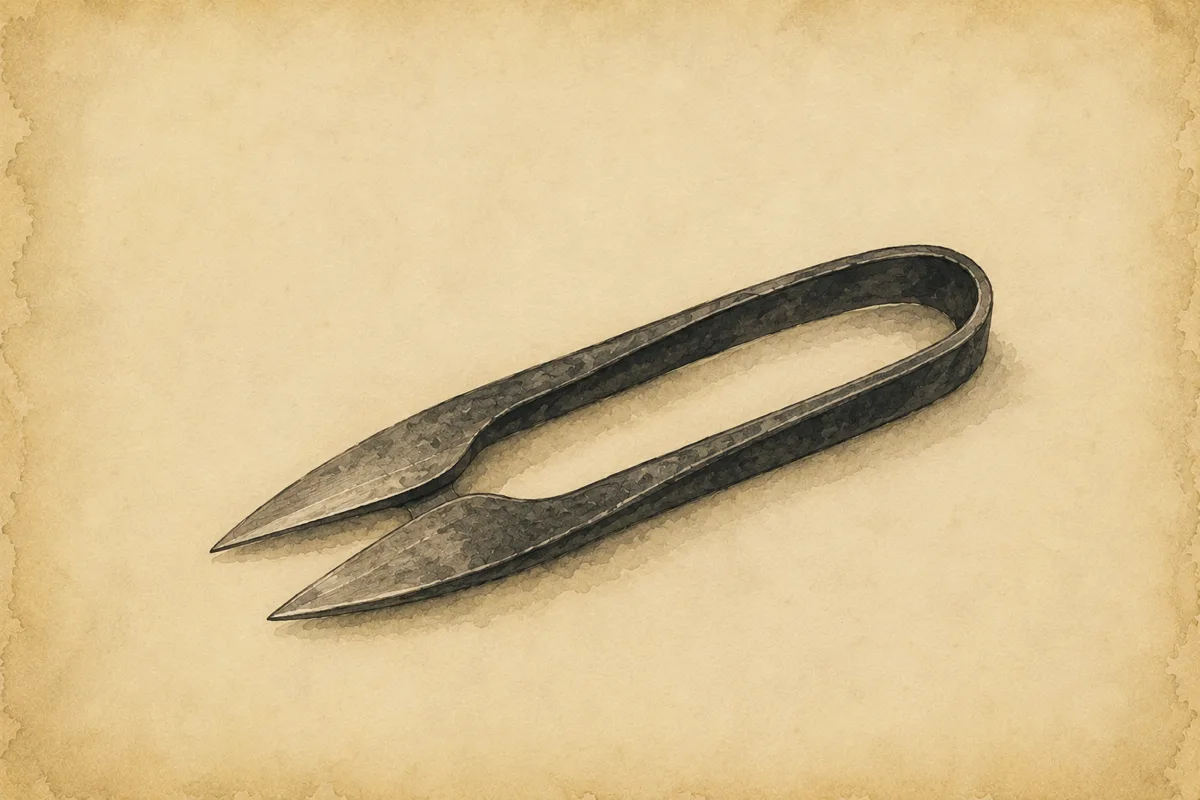
A nigiri-basami is bent from a single bar of steel, so there is no pivot screw. You squeeze the bow shut, and the spring opens it again. The cutting edges are still a hard steel skin forge-welded onto soft iron, the same logic as a kitchen knife. In Ono, where they were once a local industry of 160 smiths, the last man forging them from raw metal by hand was in his seventies with one apprentice.
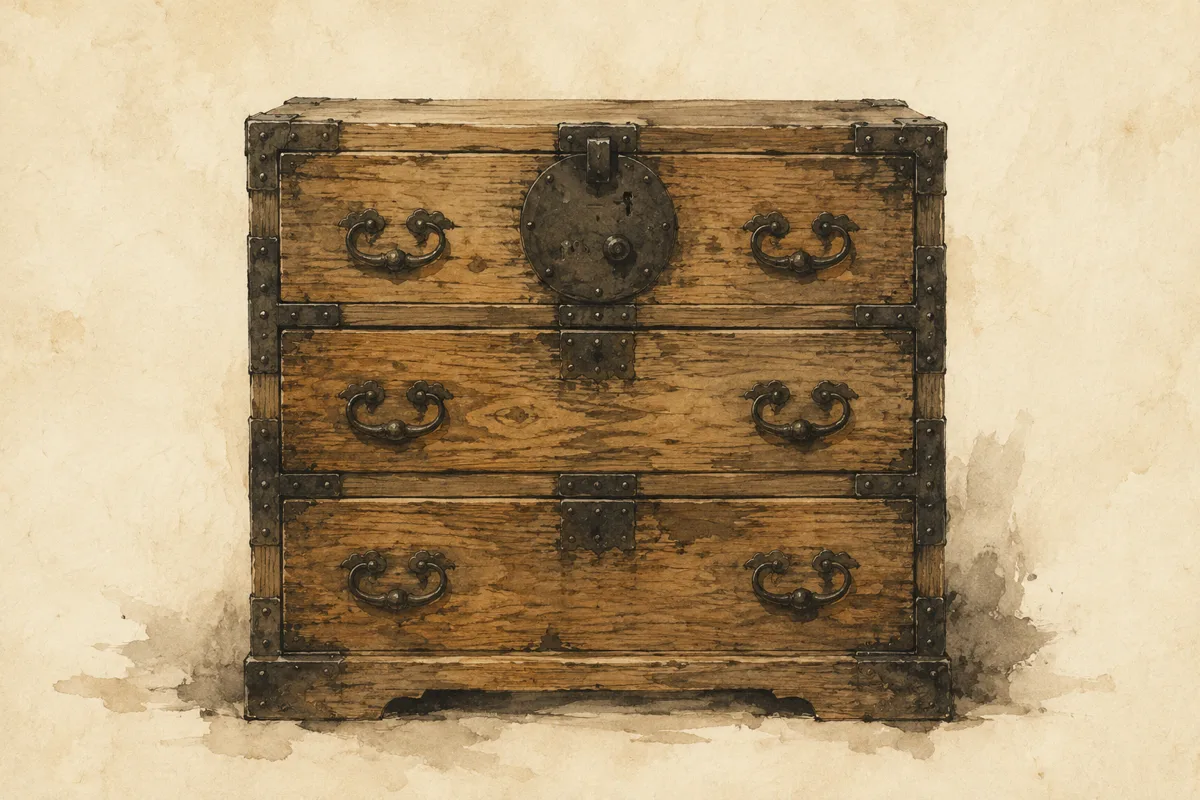
The dragons and lock plates on an old Japanese chest look like ornament, and they are, but they started as work. The iron straps stop the joints springing open when the chest is carried, the lock keeps a merchant's papers shut, and the corners take the knocks. A single Iwayado chest can wear sixty to a hundred fittings. The reason older chests are so heavily ironed is partly that Meiji-era pressed sheet made the metal cheap.
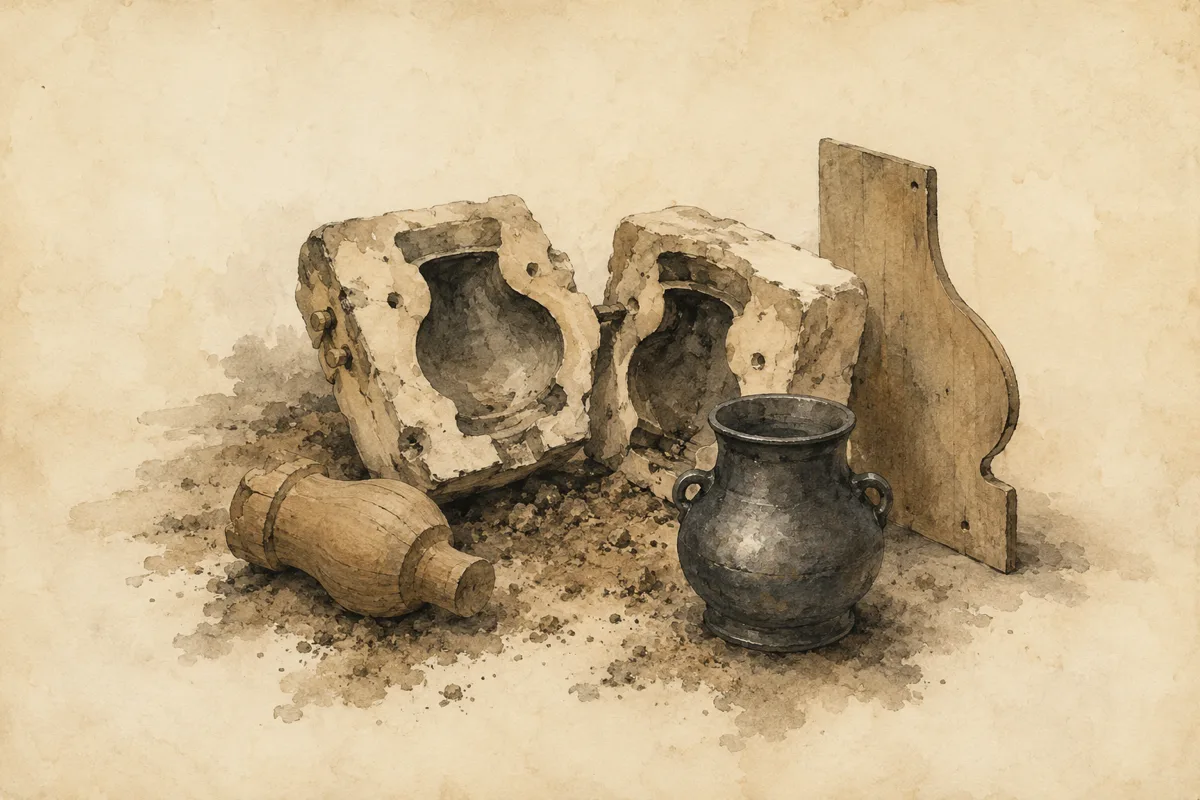
Green sand, fired clay, sectional moulds and lost wax are usually presented as a list of techniques. They are better read as four answers to a single mechanical problem: once the metal has set, how do you get the mould off it? The answer decides what the object can look like and what it costs.
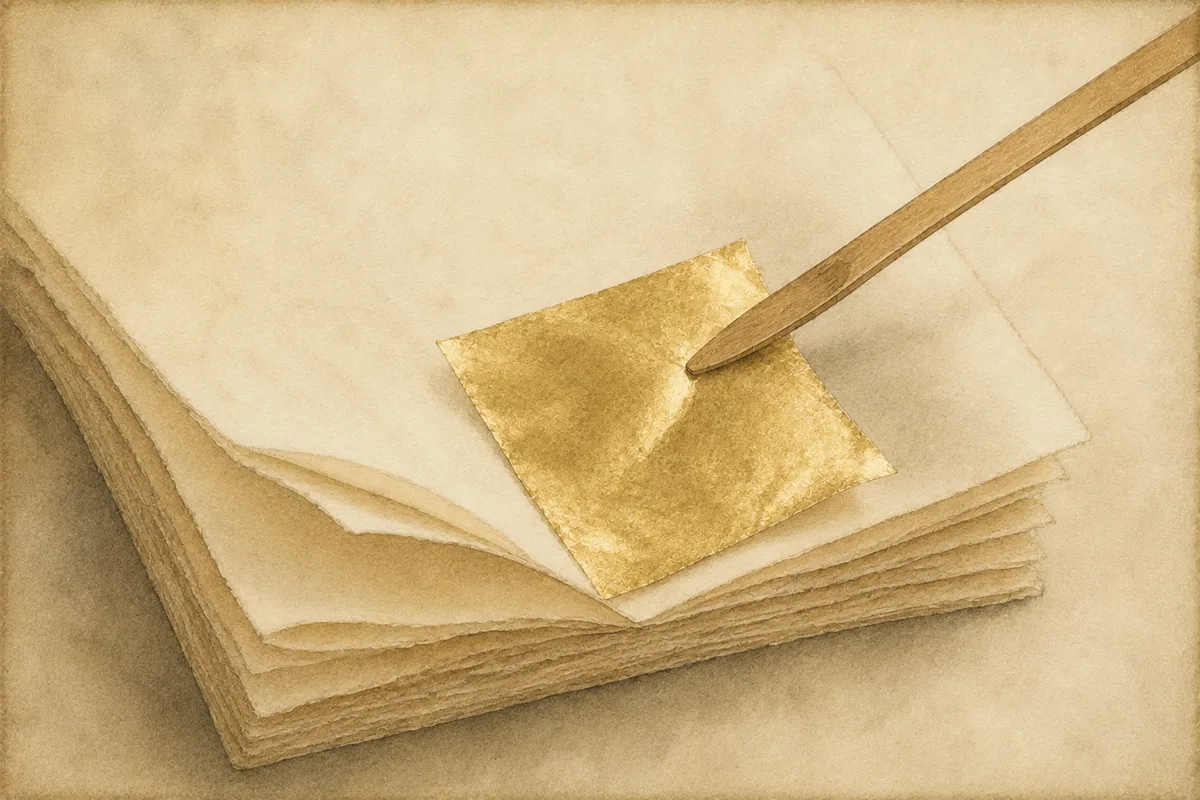
One city makes about 99 percent of Japan's gold leaf, and the reason is not a secret way of hitting metal. It is the paper the metal is hit between, which takes months to prepare and wears out into a cosmetic.
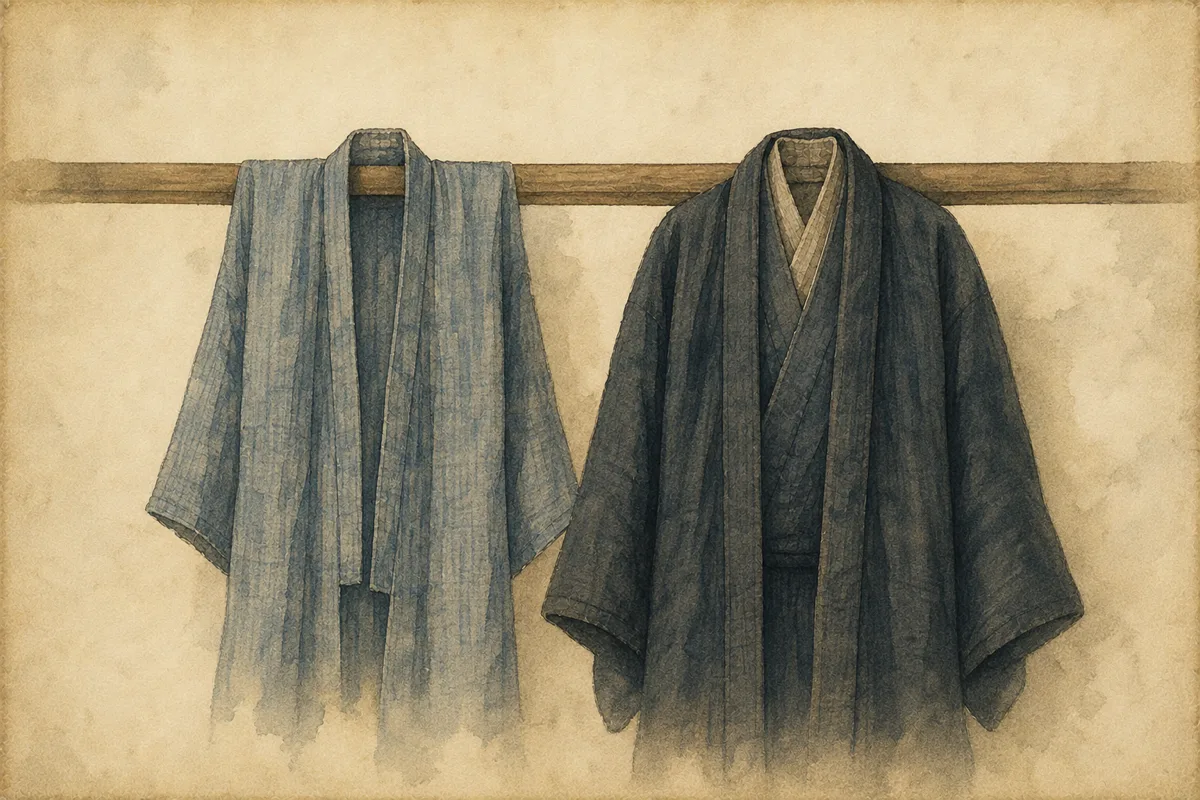
Pattern and colour will not tell you which garment you are looking at. The reliable signs are a second collar at the neck, socks on the feet, and how many cords went round the waist during dressing.
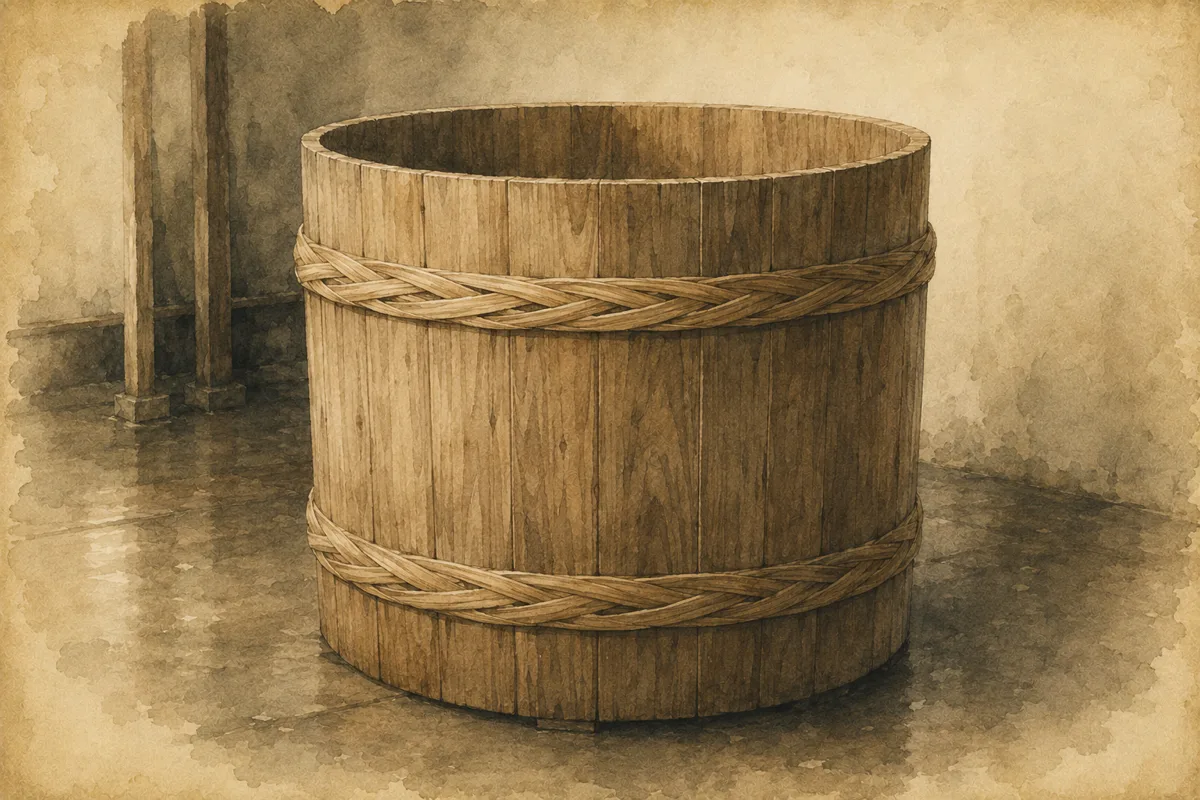
Japan's soy sauce and sake were fermented in cedar vats bound with woven bamboo, holding thousands of litres without a nail or a drop of glue. By 2012 one workshop in the country could still build one, and three men went to learn from it.
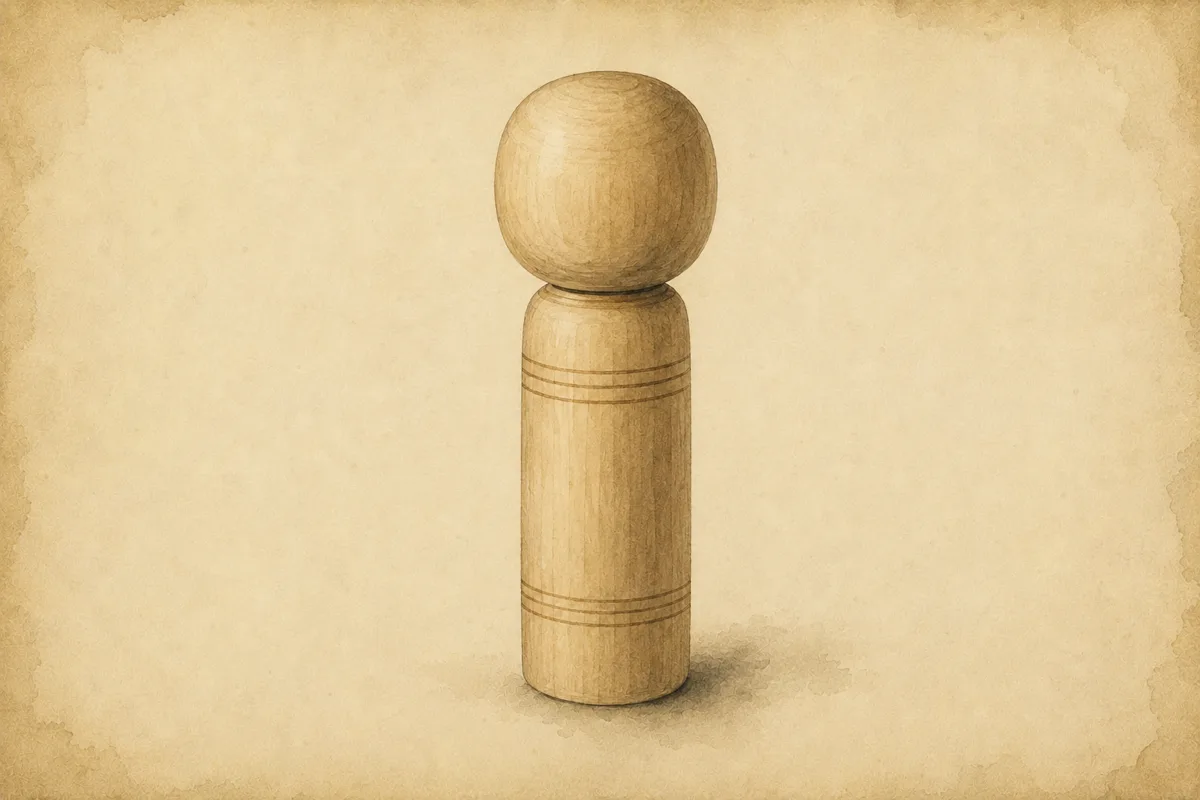
A kokeshi has no arms because a spinning lathe cannot make arms. Almost everything else people say about these dolls, including the name, the number of regional types and the grim origin legend, was decided later by collectors.
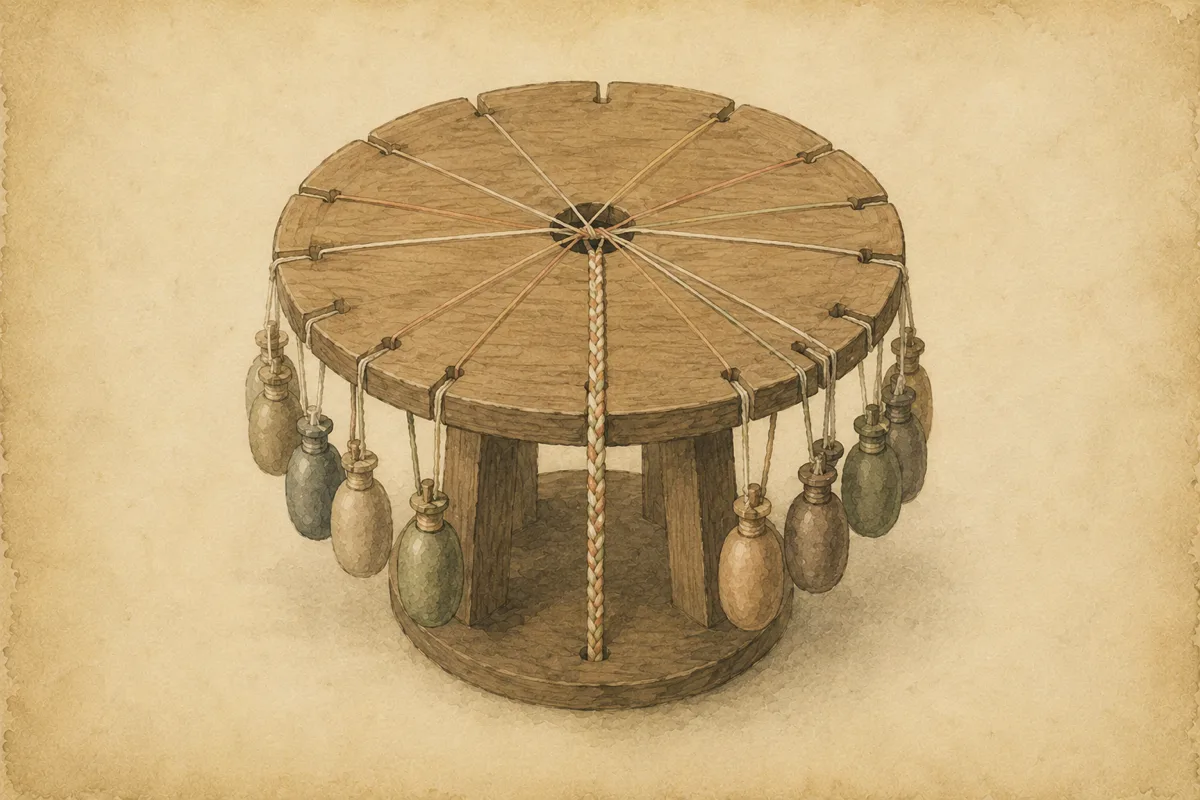
Japanese braided cord is not woven and not knitted. Every strand in it does the work of warp and weft at once. The trade laced armour and hung swords for centuries, then had to find new work when the sword was banned.
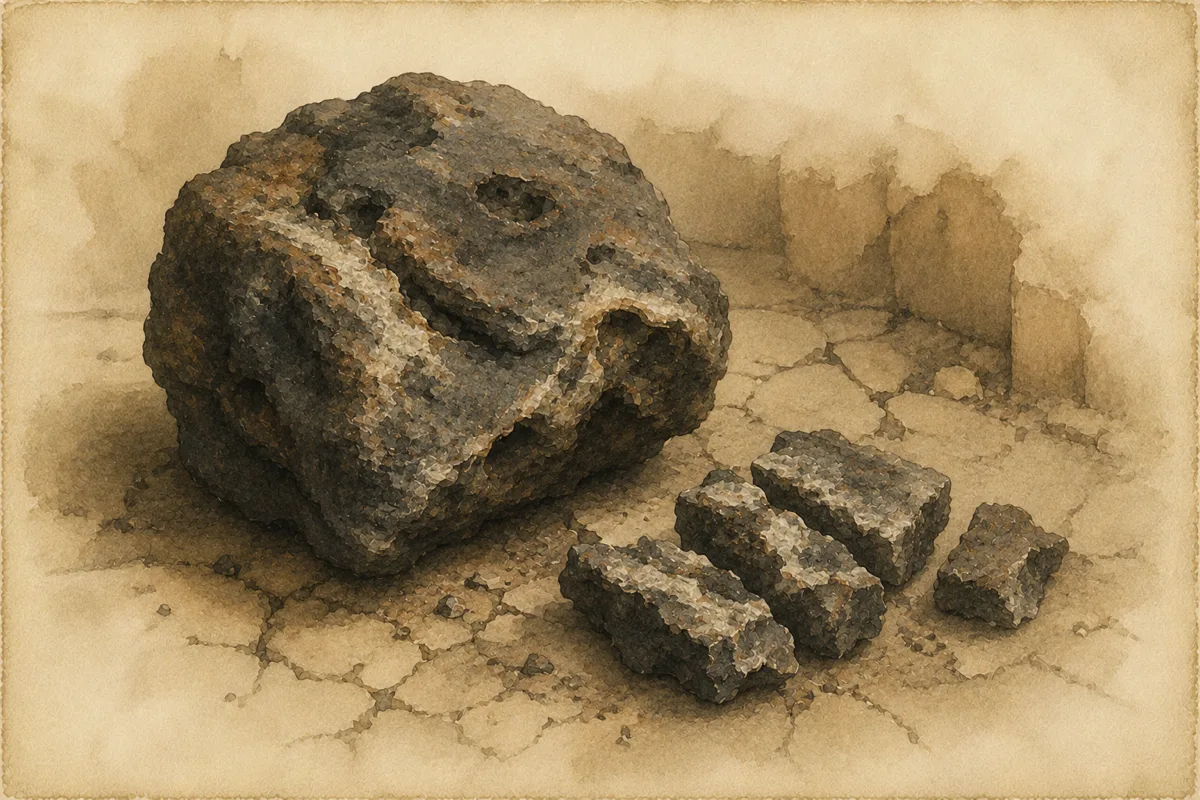
A clay furnace is built, run for three days without sleep, and then broken apart. What it leaves is a two-and-a-half-tonne lump containing everything from pig iron to sword steel, and the craft is deciding which part is which.
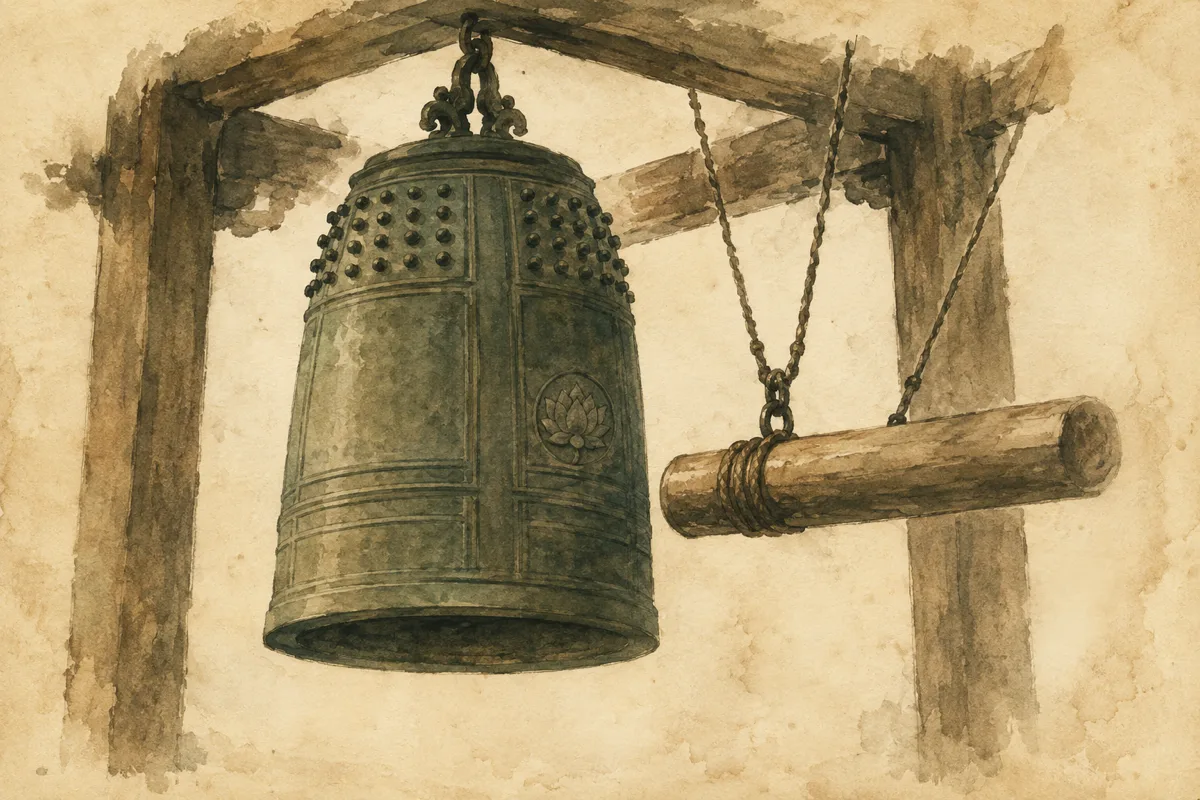
A Japanese temple bell hangs dead still and is hit from the outside by a swinging wooden log. It has no clapper, and it is not built for a bright clang but for a long low note you follow until it dies, up to a minute later. Everything about it, from the bumps on its shoulder to the way it is cast in one piece, serves that fading sound.
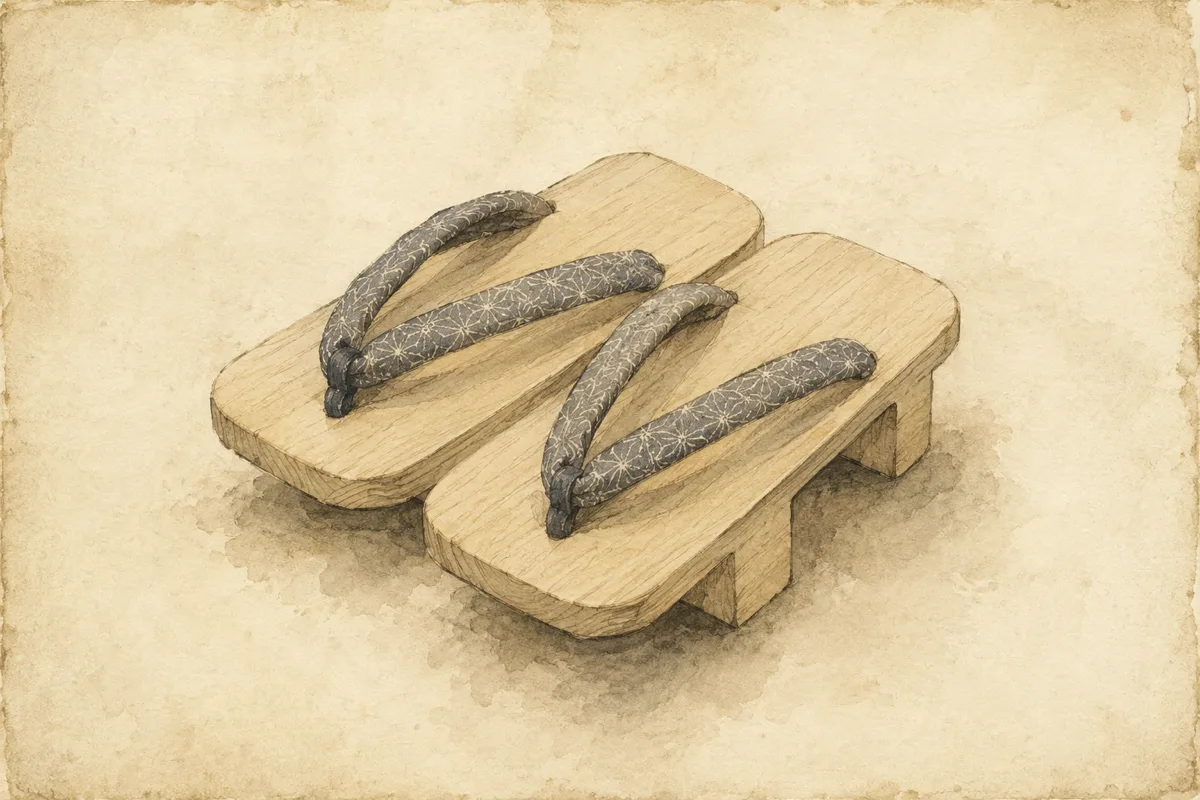
A pair of geta is mostly the gap under it. Two wooden blocks called teeth hold your foot a few centimetres off the ground, and almost everything that makes a geta a geta, from the rain versions with tall stilts to the single-toothed pair worn by mountain ascetics, is a variation on how high you need to stand.
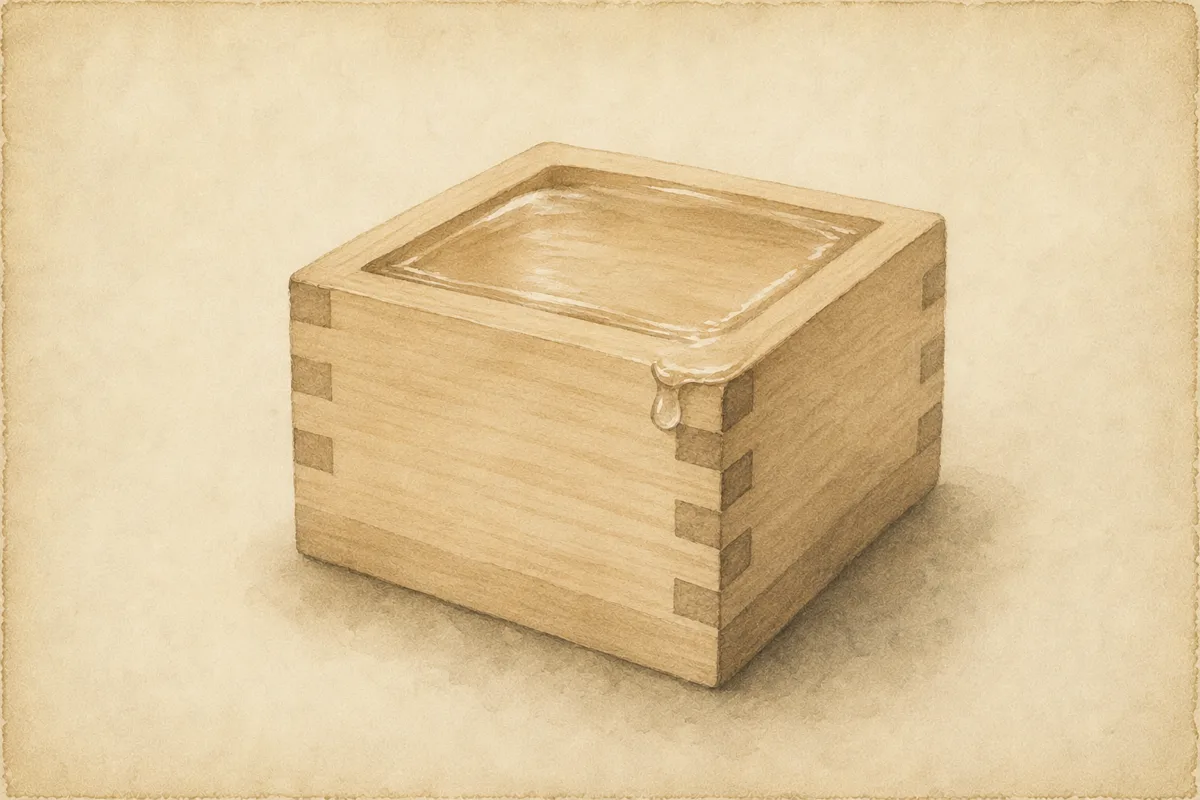
The little square cypress box that holds your sake is not a cup that happens to be square. It is a measuring vessel, made to a size the government once fixed by law, and it kept its exact shape long after it stopped being used to measure anything.
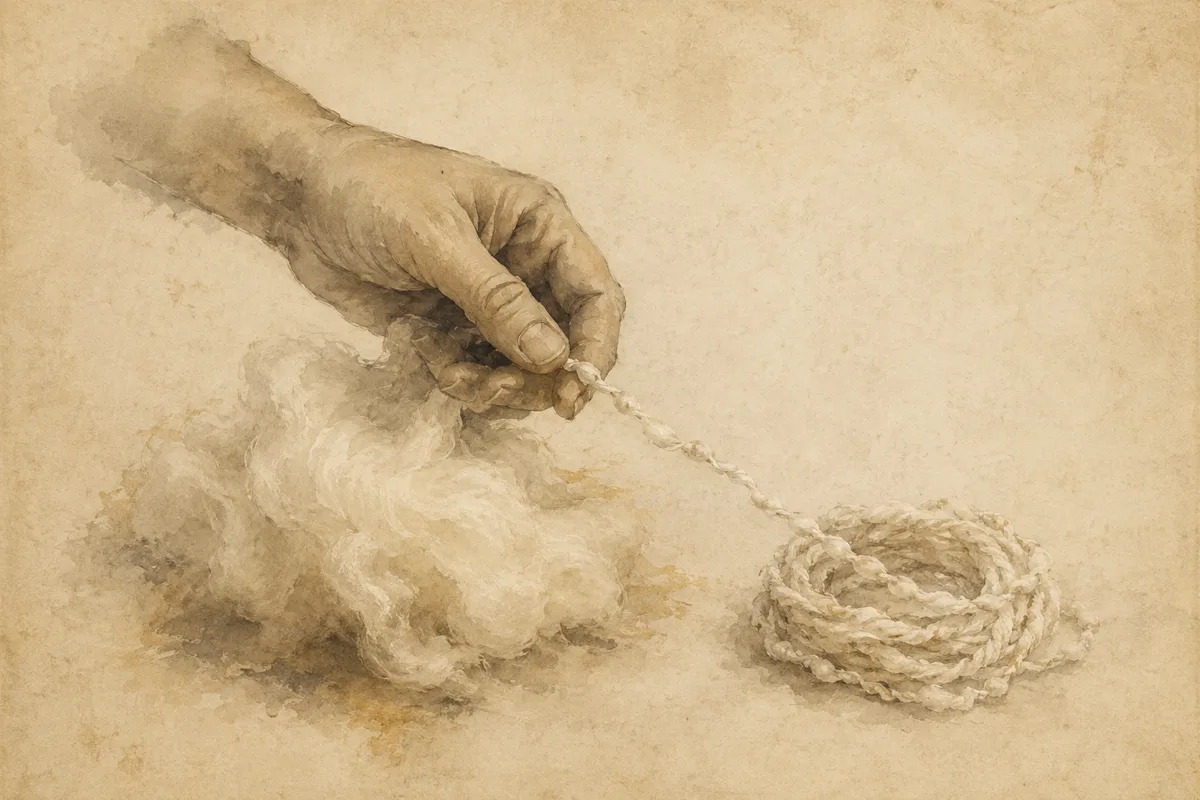
Tsumugi is silk spun by hand instead of reeled. Rather than unreeling a cocoon into one long filament, it is spun from the broken and waste cocoons that cannot be reeled, which gives it the rough, nubby surface that once marked it as a peasant's cloth. Then that humble spun silk became one of the most expensive things you can wear, and by the rules of the kimono you still cannot wear it anywhere formal.
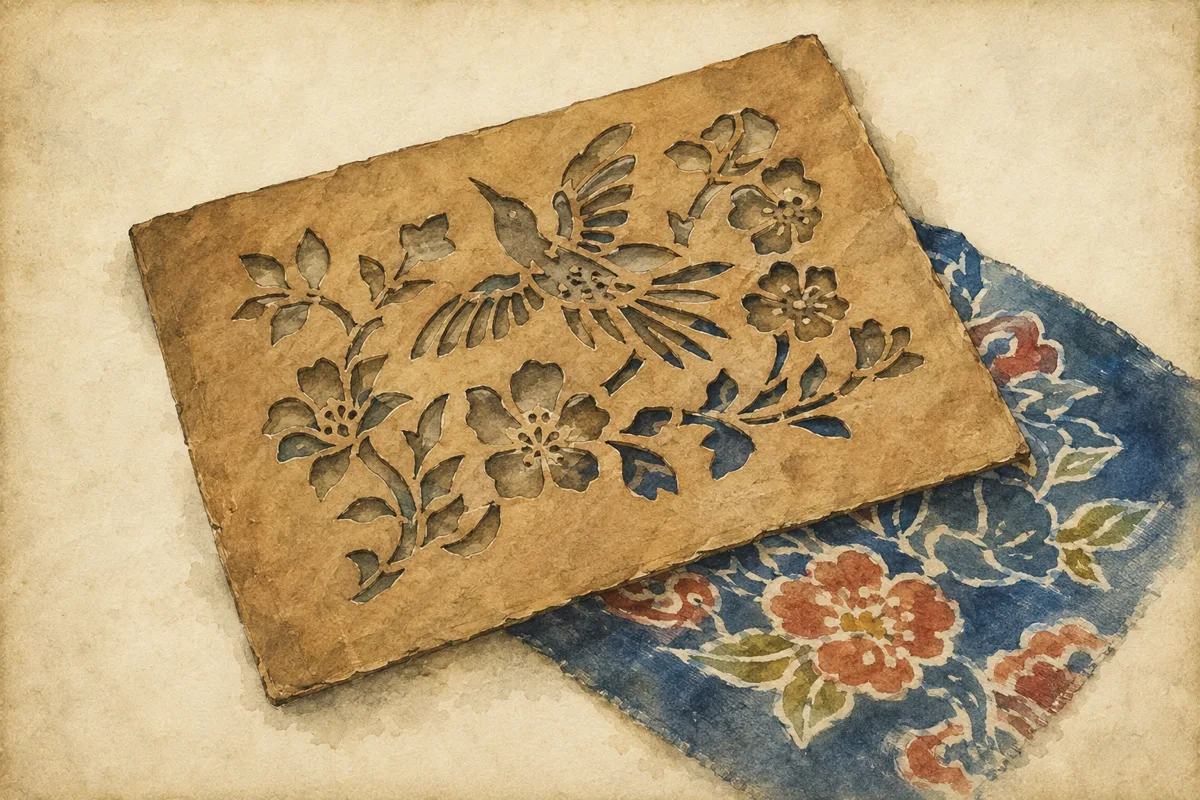
Okinawan bingata is painted with pigments rather than dyed, because plant dyes fail under subtropical sun. Those colours were assigned by rank, yellow to the royal family and indigo alone to the third class. In 1945 the workshops and the stencils were gone, and the craft came back on Japanese army maps cut with remembered designs.
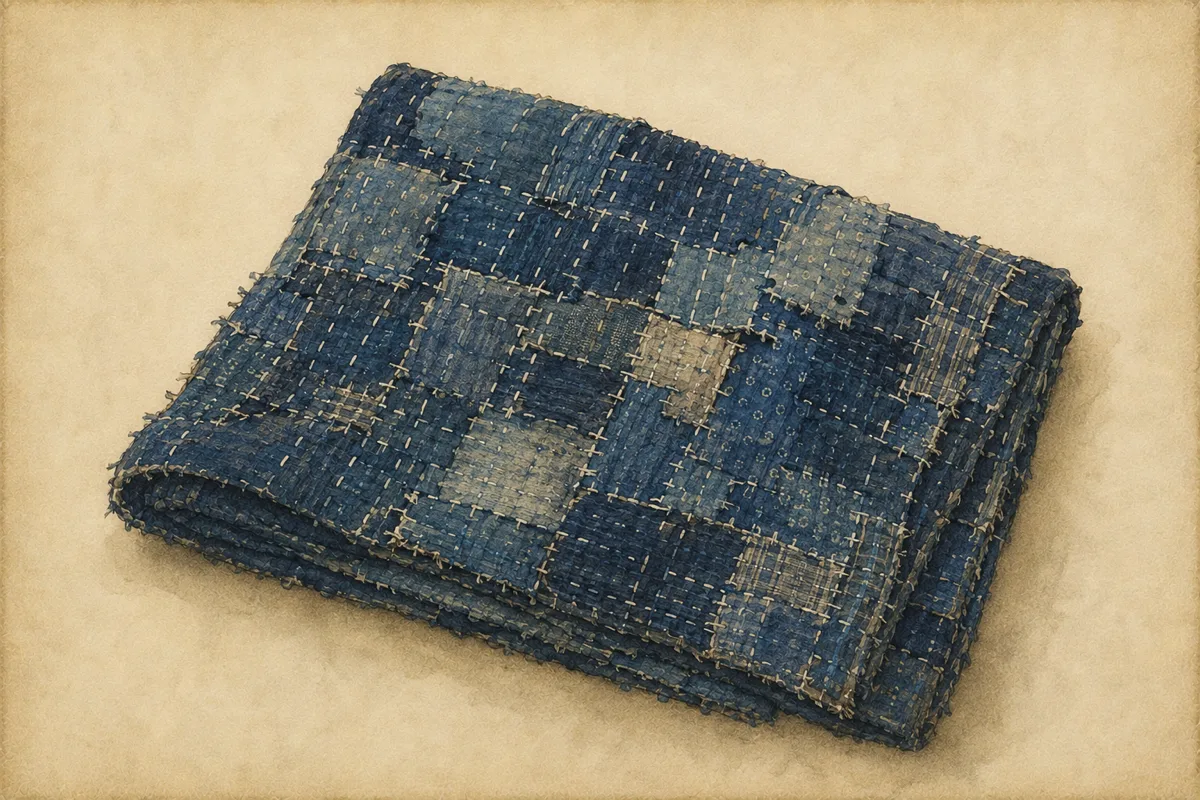
Boro is what northern Japanese farming families made when cotton was something you bought second-hand: cloth patched onto cloth, stitched with sashiko, re-dyed and handed down until it was more repair than original. It was an embarrassment before it was a collectible.
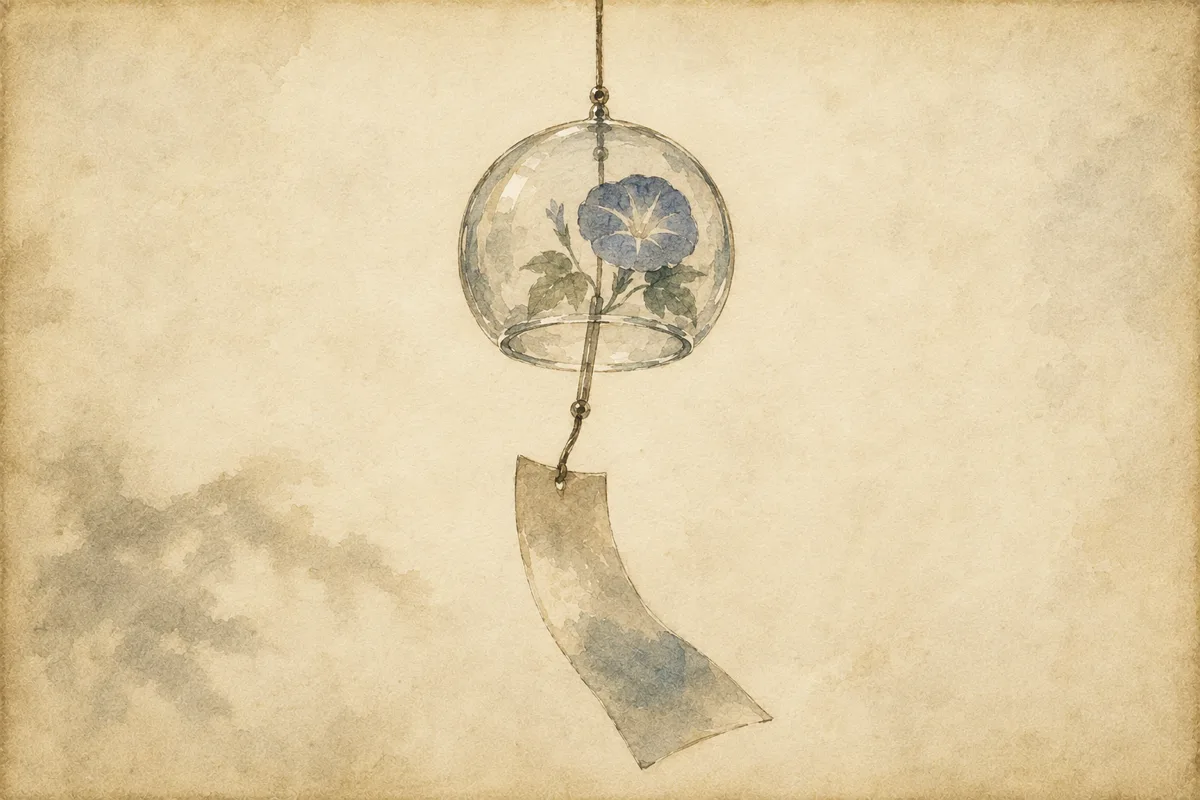
A furin is a small bell you never strike. The wind does it, through a paper strip. It hangs at the window through a Japanese summer to make the heat feel less like heat, and there is decent evidence that it only works on the people who grew up hearing it.
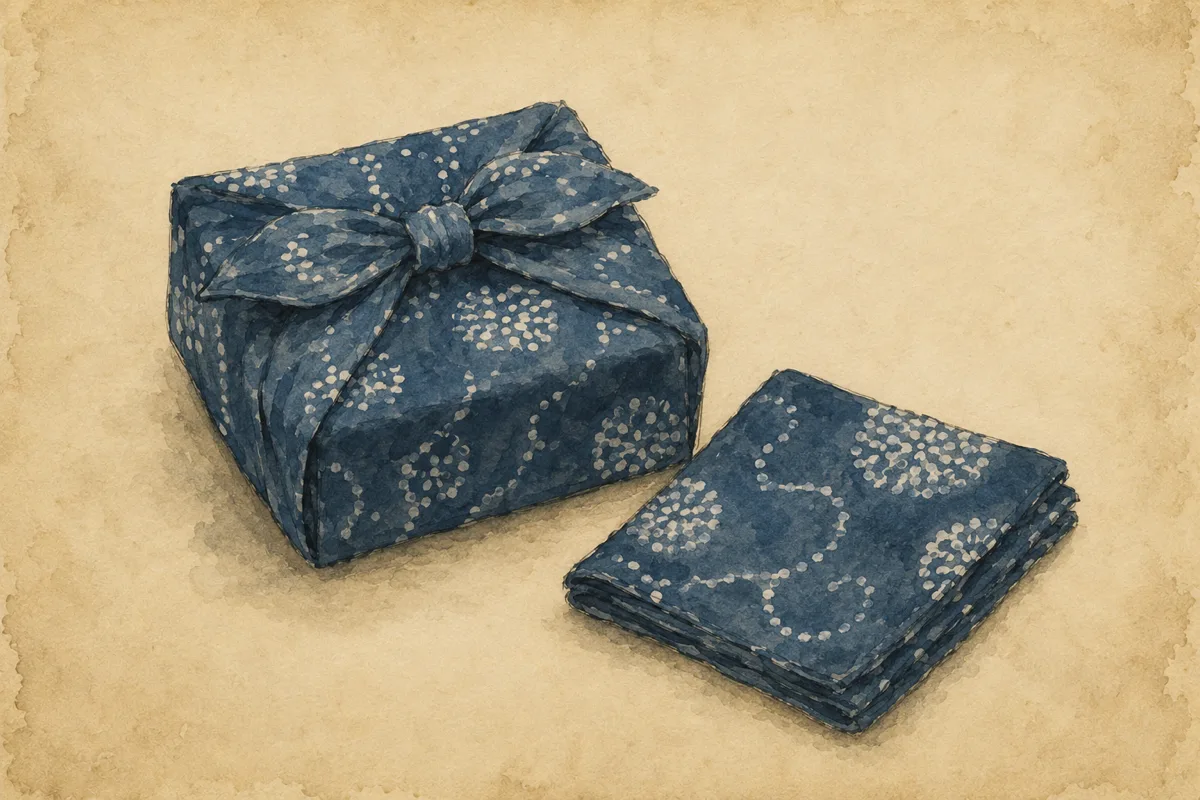
A furoshiki is sized in loom widths, not in inches, and there is an arithmetic for choosing one: work out the diagonal your object needs, then divide by 1.414. Most wrapping failures are a cloth of the wrong size finished with the wrong knot.
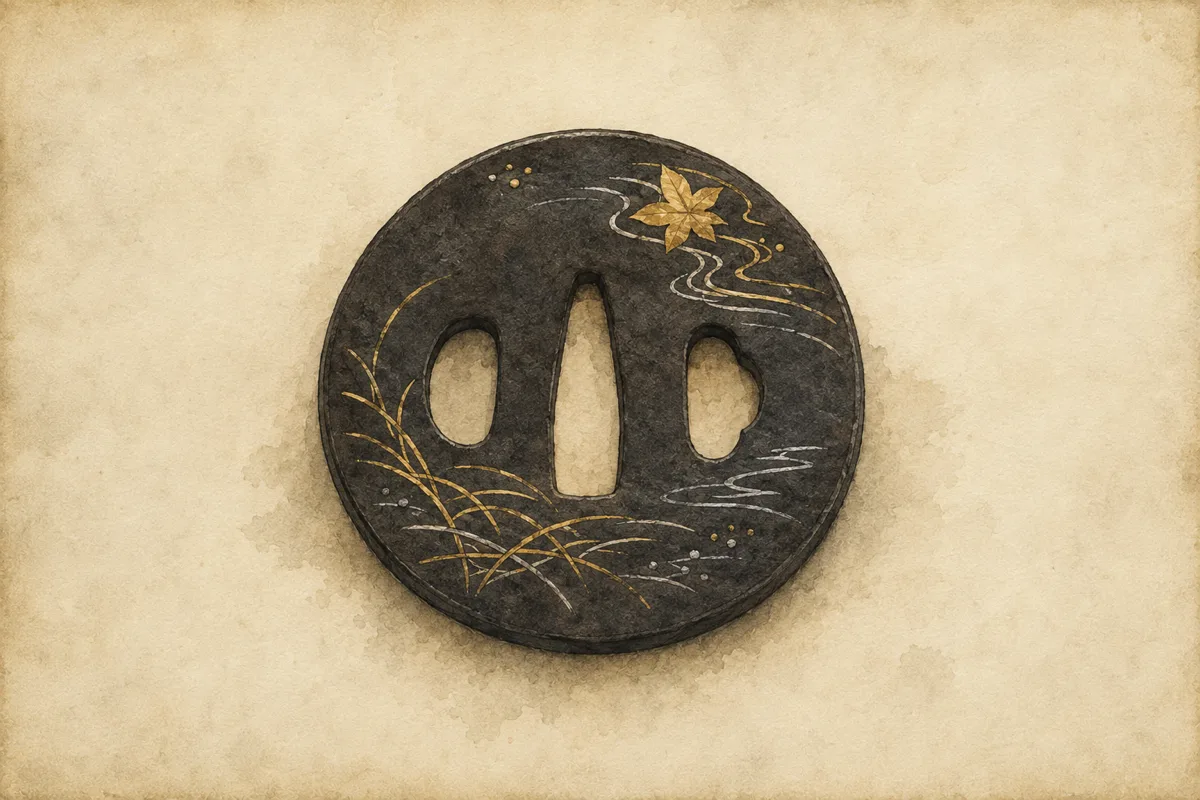
Gold and silver are hammered into iron, the iron is rusted on purpose, and the rust is boiled in tea until it turns black and stops spreading. The craft decorated gun barrels until the 1876 sword ban took away its market. Roughly fifteen people still work in it, mostly on cufflinks and pens.
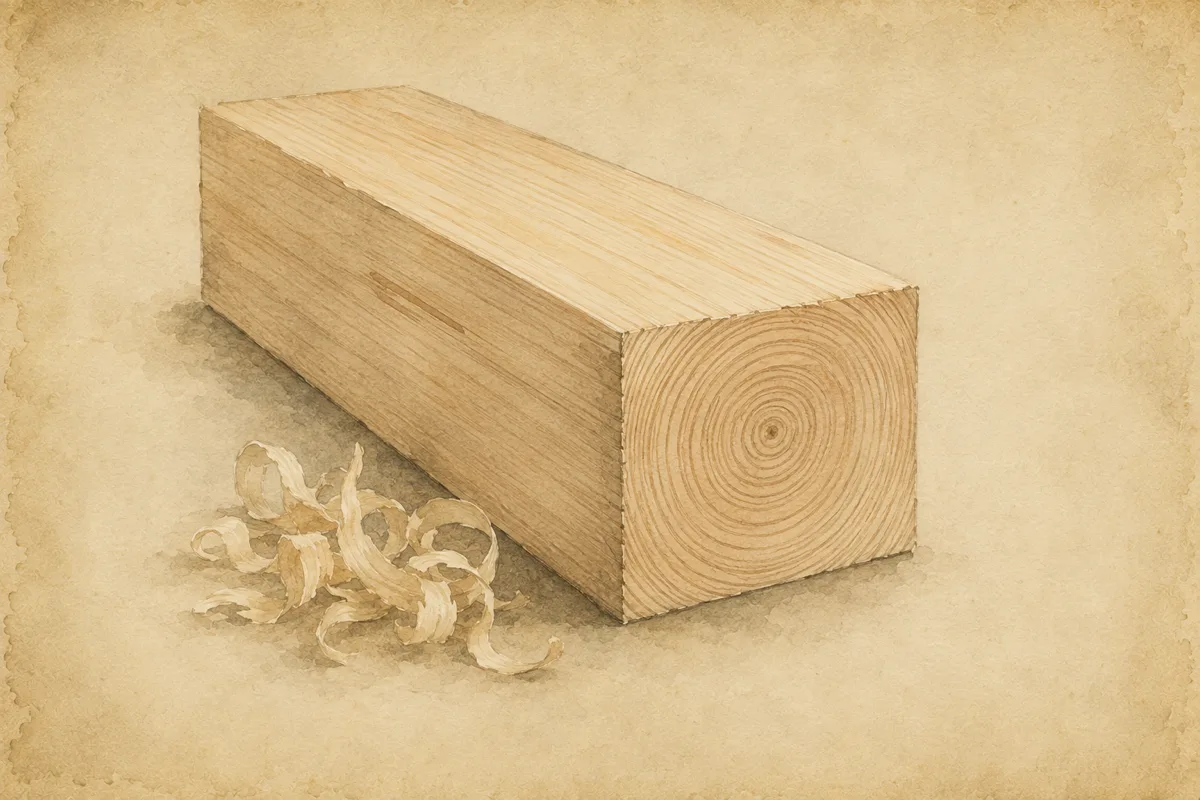
Japanese cypress is grown on two clocks at once. Plantation hinoki is felled at forty-five years and turns up in bath tubs and cutting boards. Shrine-grade hinoki is planted by people who will never see it cut, which is why the Edo authorities protected it with a rule known as one tree, one head.
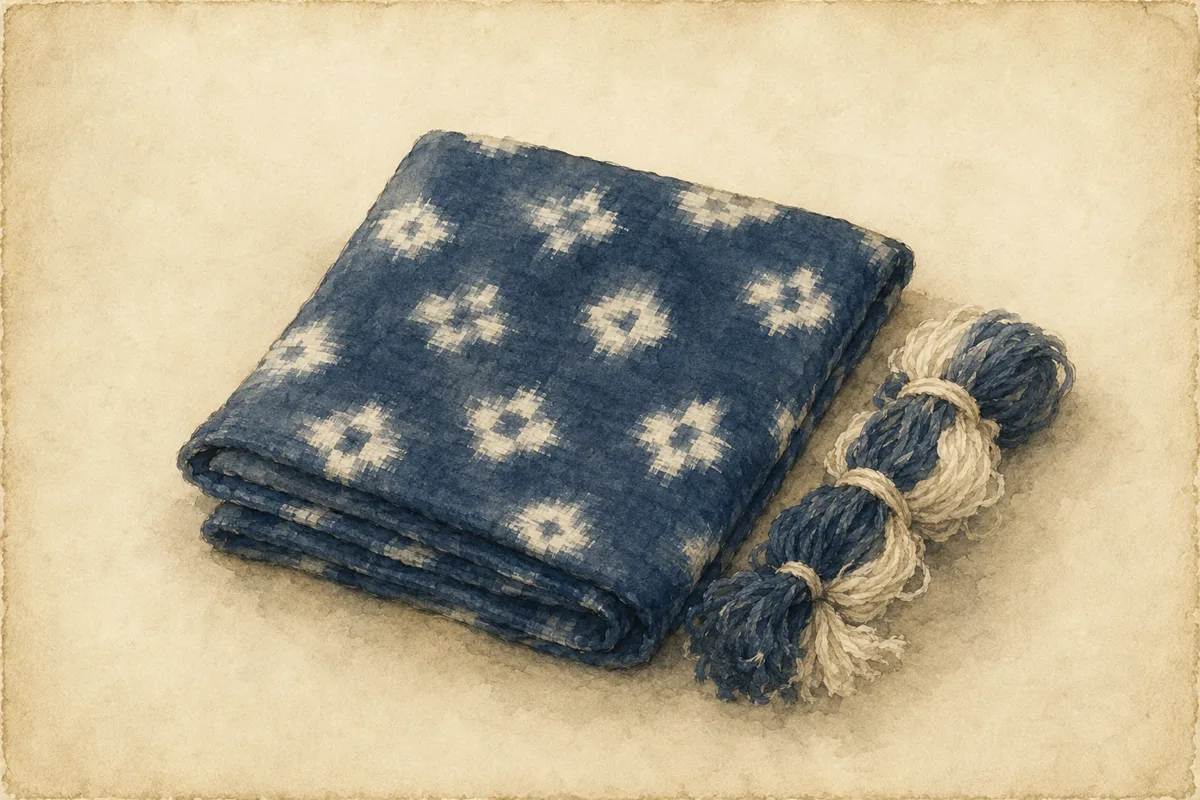
Kasuri is Japanese ikat. The design is tied and resist-dyed onto the yarn, and only then woven, so the weaver has to aim a pattern that already exists. The soft feathered edge everyone recognises comes out of that sequence rather than out of a decorative choice.
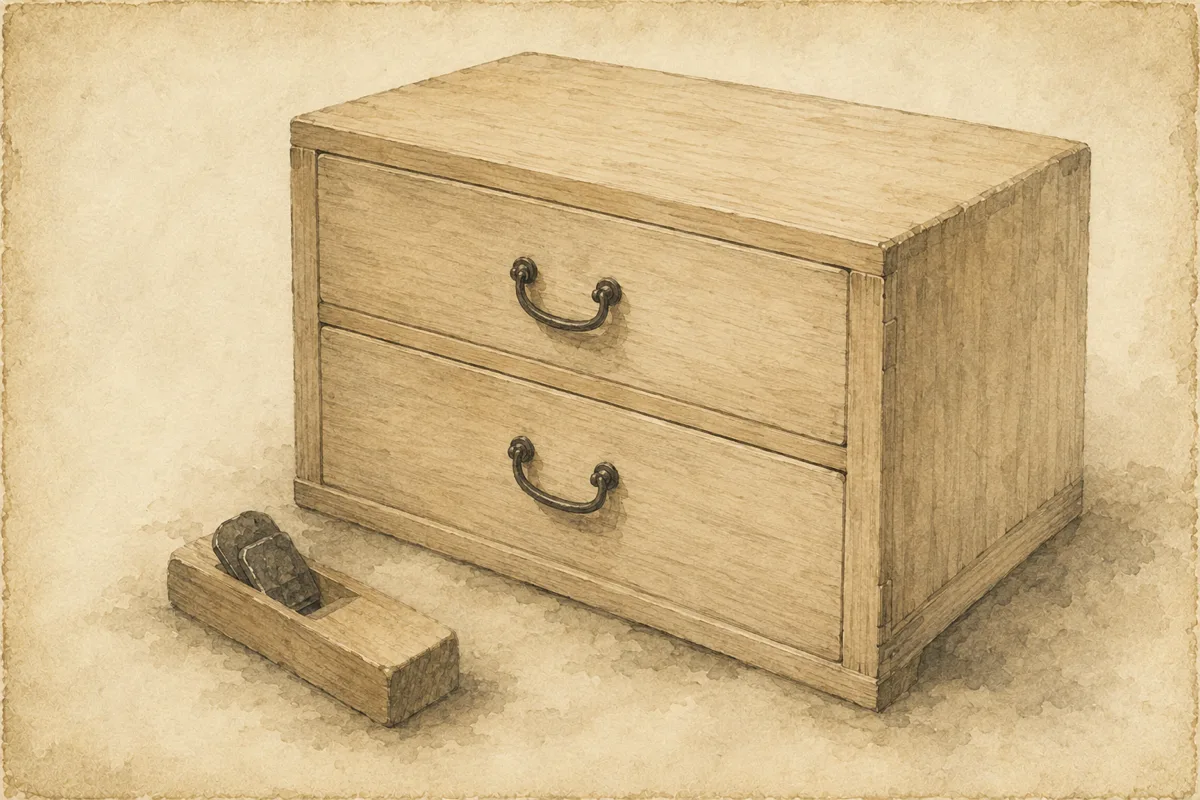
A paulownia chest is made from the lightest timber in Japan and assembled with wooden pegs instead of nails. Makers say a chest resurfaced once every forty to sixty years will still be in use after a hundred, which is why the thing you have to check before buying is whether the paulownia goes all the way through.
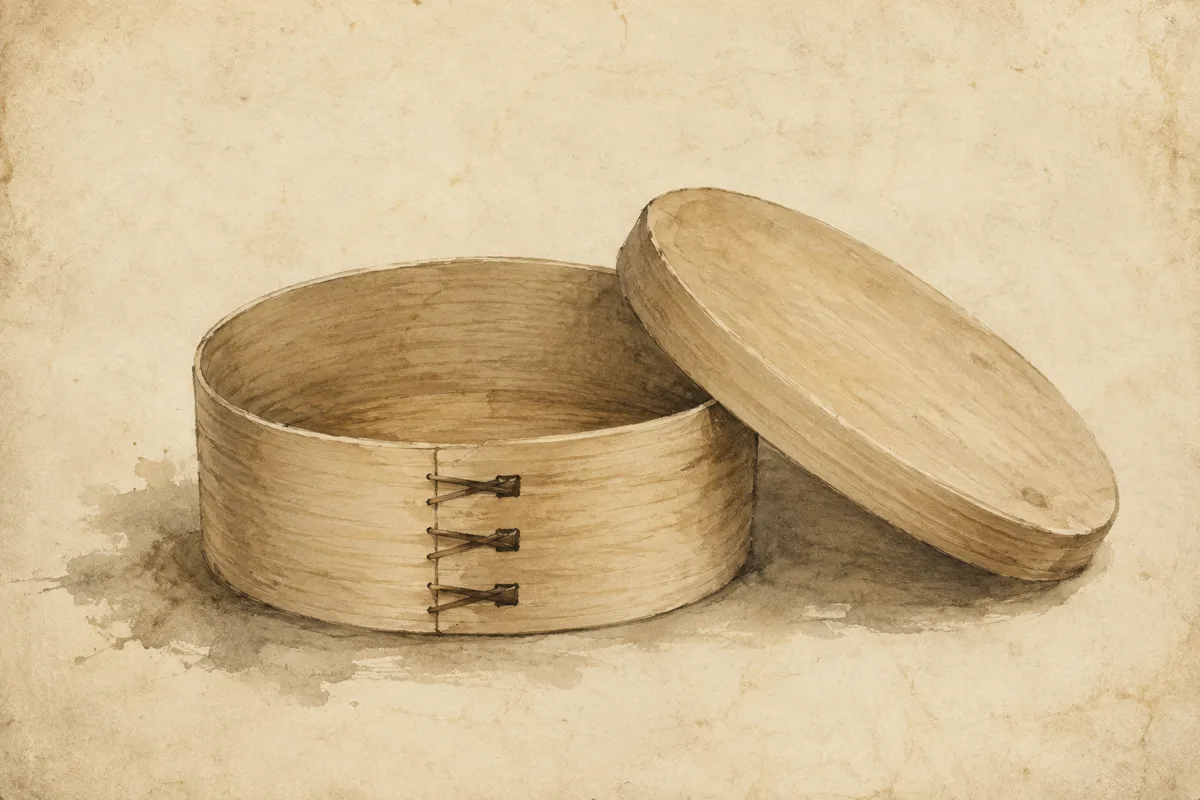
A magewappa is a thin sheet of Akita cedar boiled soft, wrapped around a mould and stitched shut with cherry bark. The wood that made the best ones stopped being cut in 2012, and only about seven percent of the plantation timber that replaced it is flexible enough to bend at all.
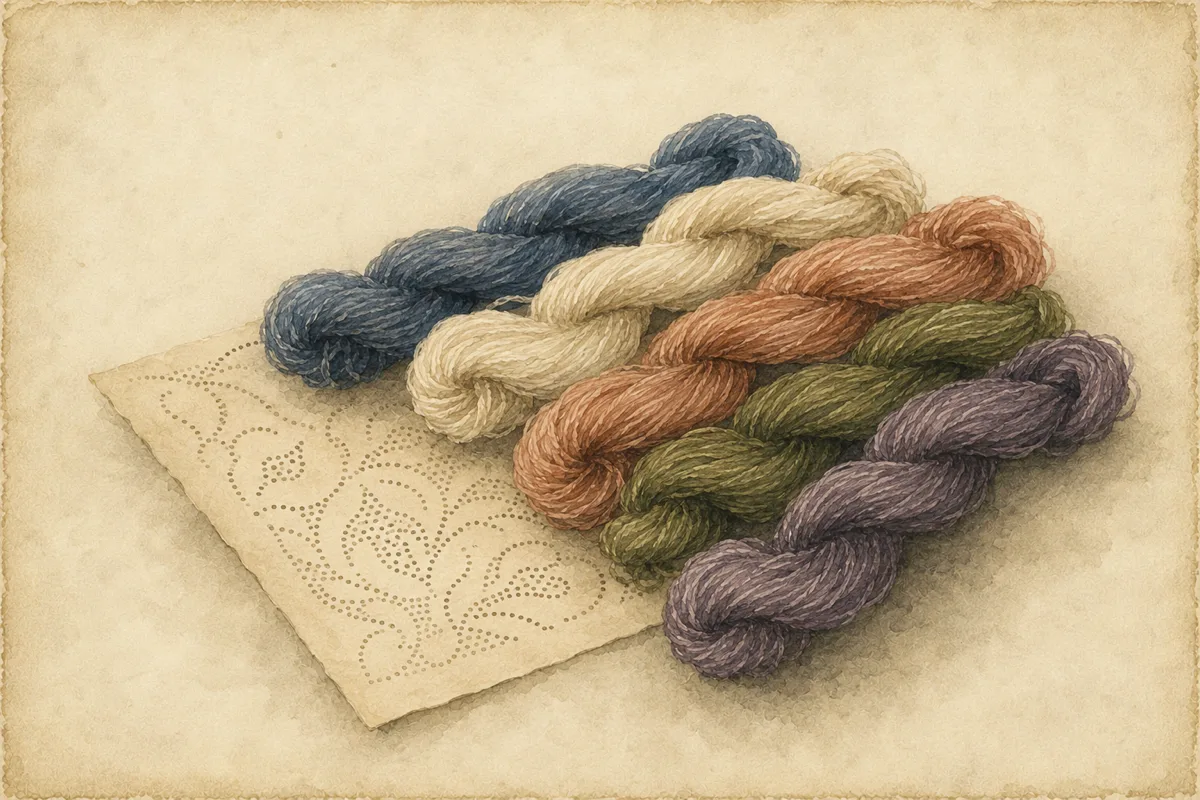
Kyoto's Nishijin weavers dye the thread rather than the cloth, and punch the pattern into perforated paper at step three of nine, before a single strand has been twisted. The district is named after an army camp from the war that burned Kyoto, and the trade was saved in 1872 by a French loom.
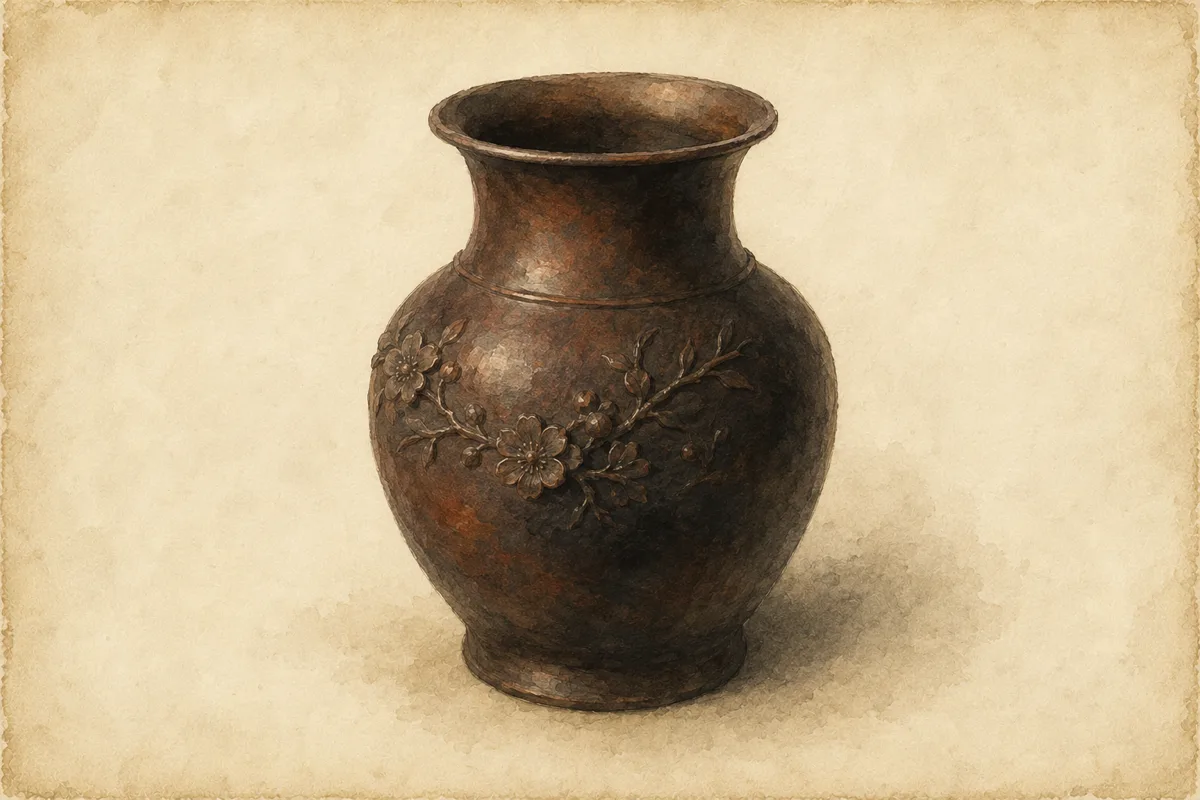
A Takaoka bronze passes through pattern maker, caster, finisher, colourist and engraver, each a separate business, with a wholesaler holding the chain together. The district once had 461 firms and sold more than ninety percent of Japan's copperware. The numbers since are the reason the arrangement is worth understanding.
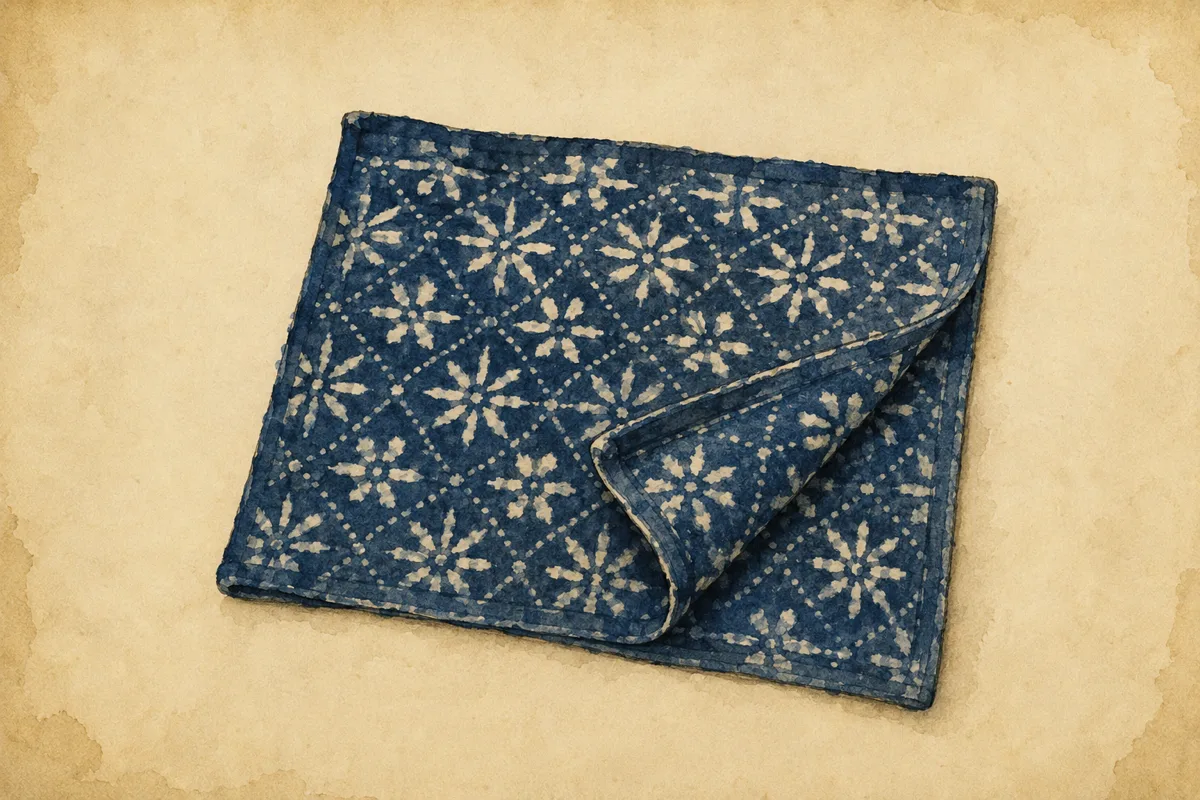
A dyed tenugui carries its design on both faces, mirrored, because the dye is poured through the cloth. A printed one does not. That single check separates the two products, and it also explains why hand-dyed tenugui designs are always bold: the process cannot hold a line under two or three millimetres.
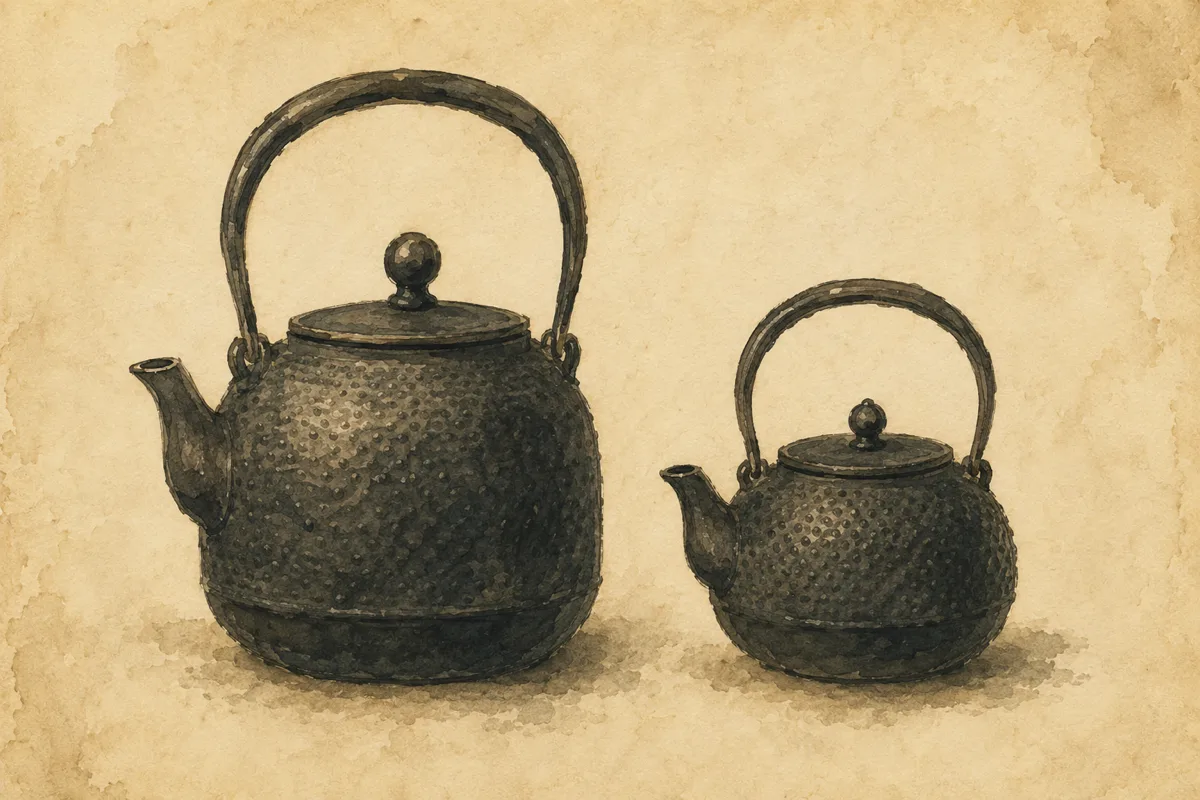
Most cast-iron teapots sold outside Japan are lined with enamel and will crack if you put them on a burner. A tetsubin is bare iron and belongs on the flame. Here is how to tell which is in front of you, and which one suits how you actually make tea.
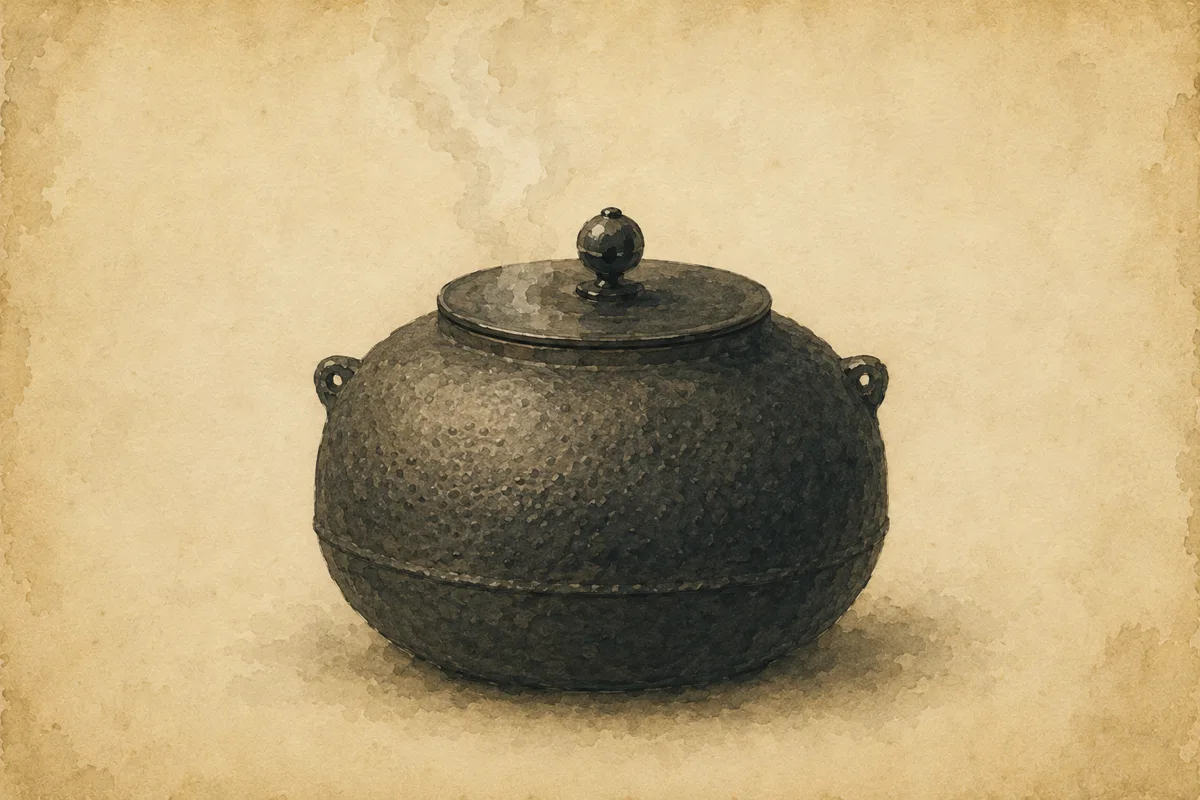
The kettle at the centre of a Japanese tea gathering has no spout and no handle, which makes it the least convenient way ever devised to get hot water out of a pot. Iron fragments are lacquered into its floor to set the pitch of the boil, and the tea is served at the stage of the sound called matsukaze, pine wind.
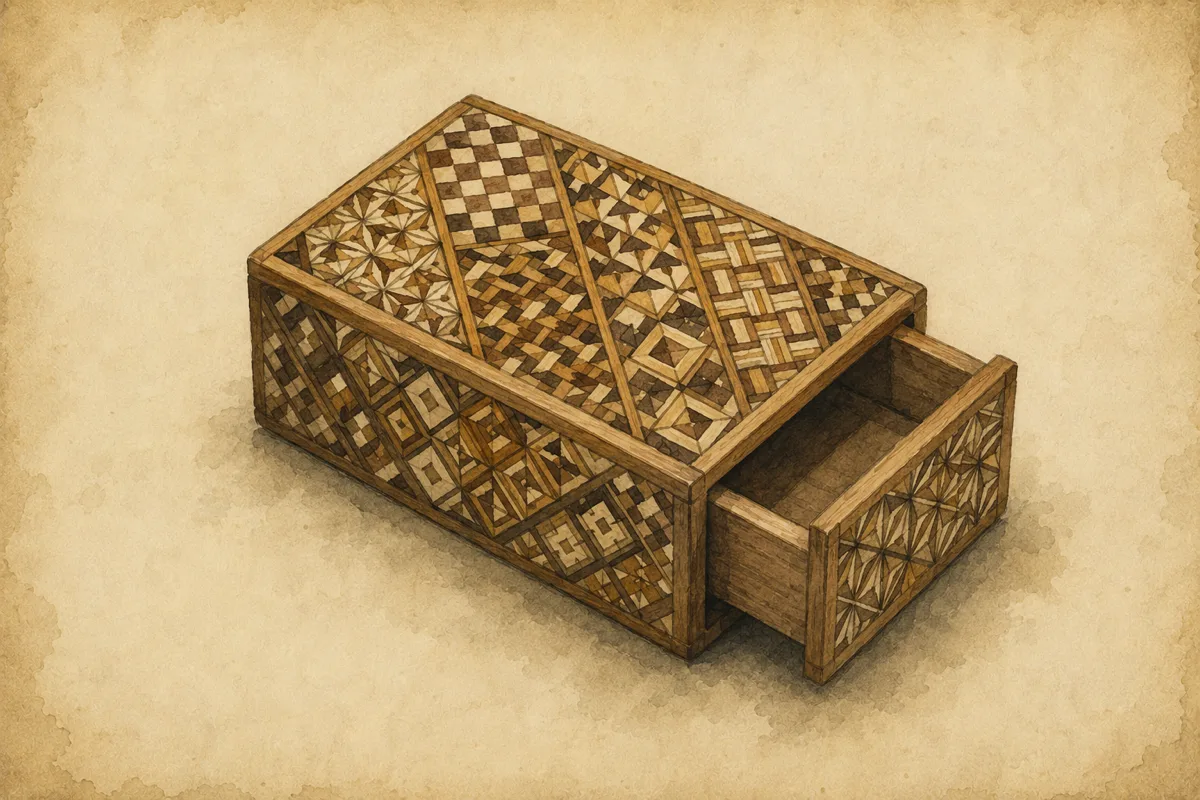
A Hakone secret box has no key, no metal, and no spring. It opens only when you slide its panels in the right order, and the famous mosaic on its skin is not just decoration. It is camouflage, hiding the seams that would otherwise tell you which panels move.
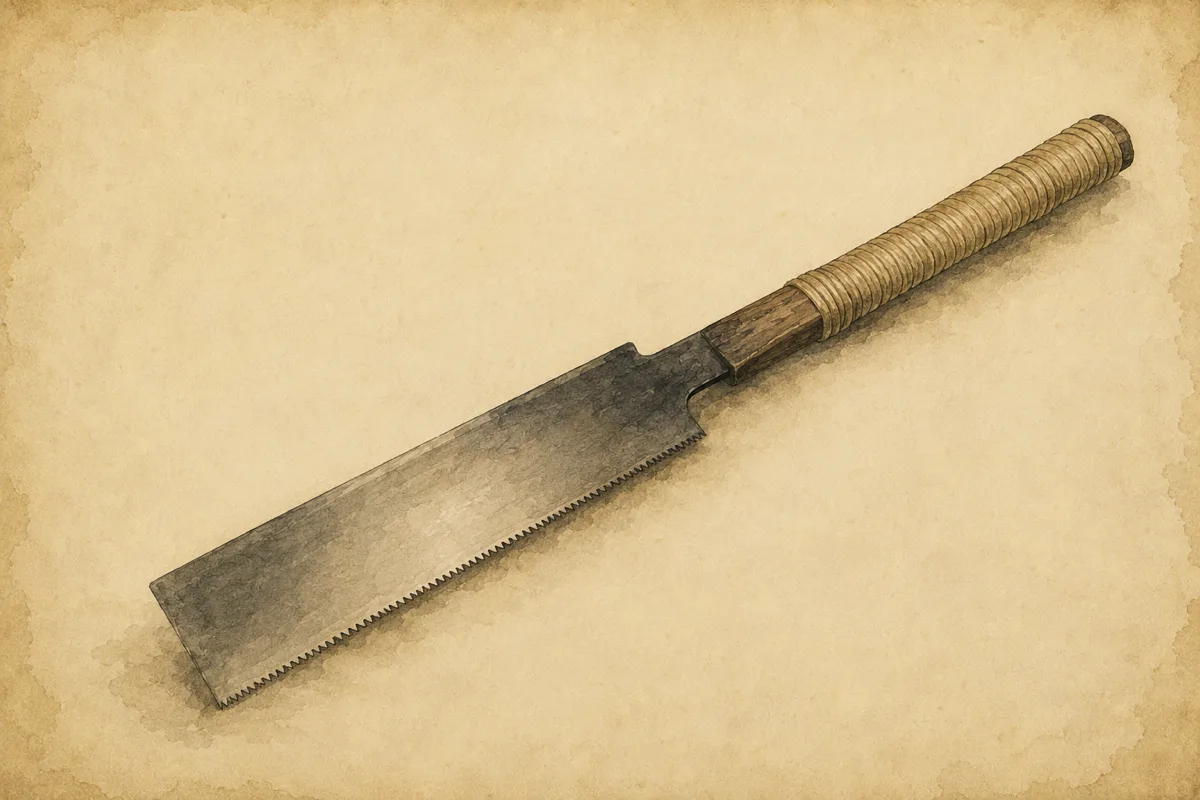
A Japanese saw cuts on the pull stroke, which puts the blade in tension and lets it be made thin enough to leave a 0.4mm kerf. The history is stranger than the mechanism: Japan had no saw that could rip a board until the mid-1400s, the double-edged ryoba is a Meiji invention, and the disposable blade arrived in the twentieth century.
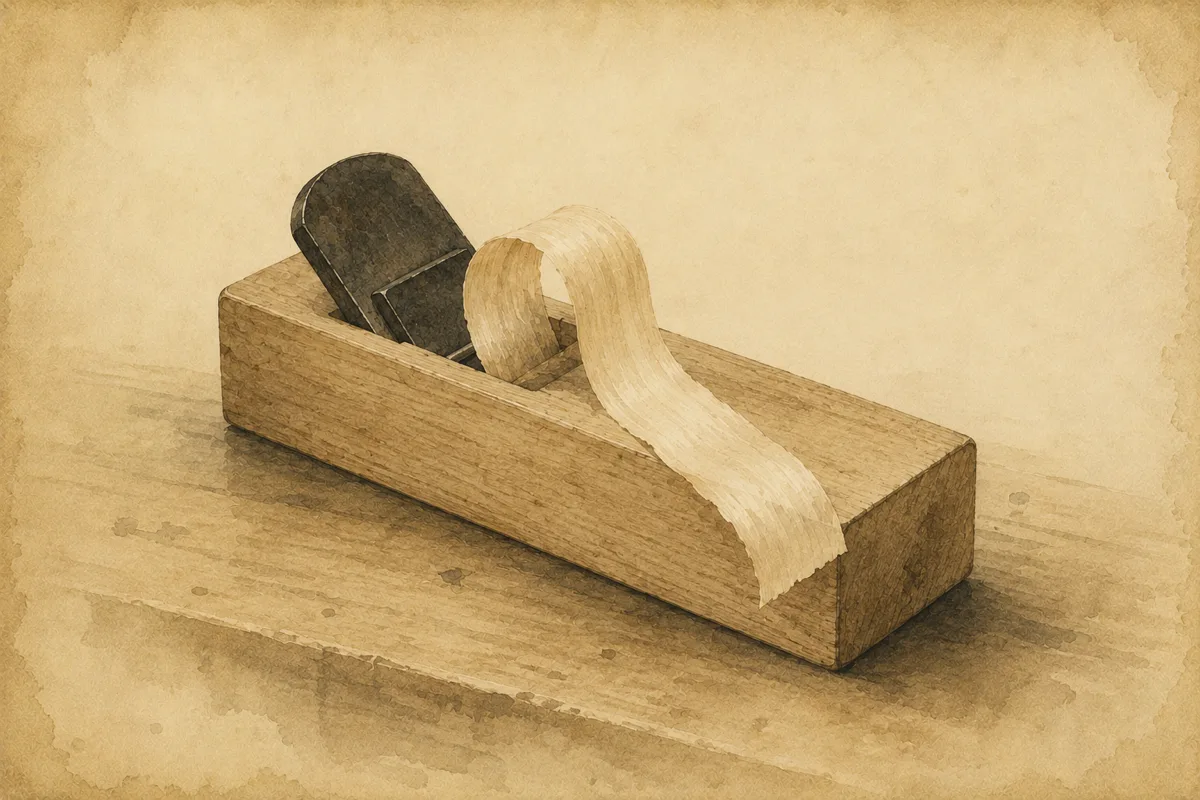
A kanna is a blade wedged into a wooden block, pulled toward you instead of pushed. The block is shaped so it barely touches the wood, the blade is its own wedge, and in competition the tool takes shavings measured in microns.
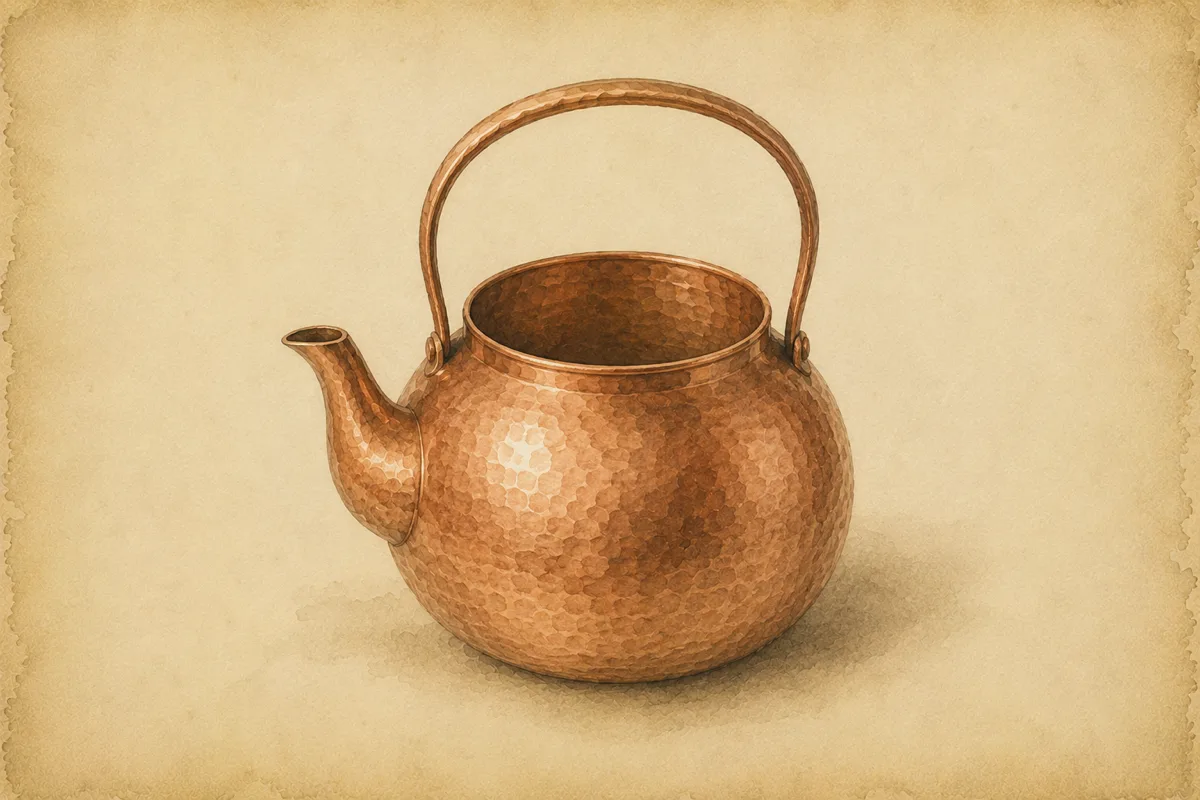
In Tsubame, Niigata, a copper kettle and its spout are raised from a single flat sheet with no seam and no solder. The hammering shrinks the metal rather than stretching it, and one seamless kettle is annealed about fifteen times before it holds its shape.
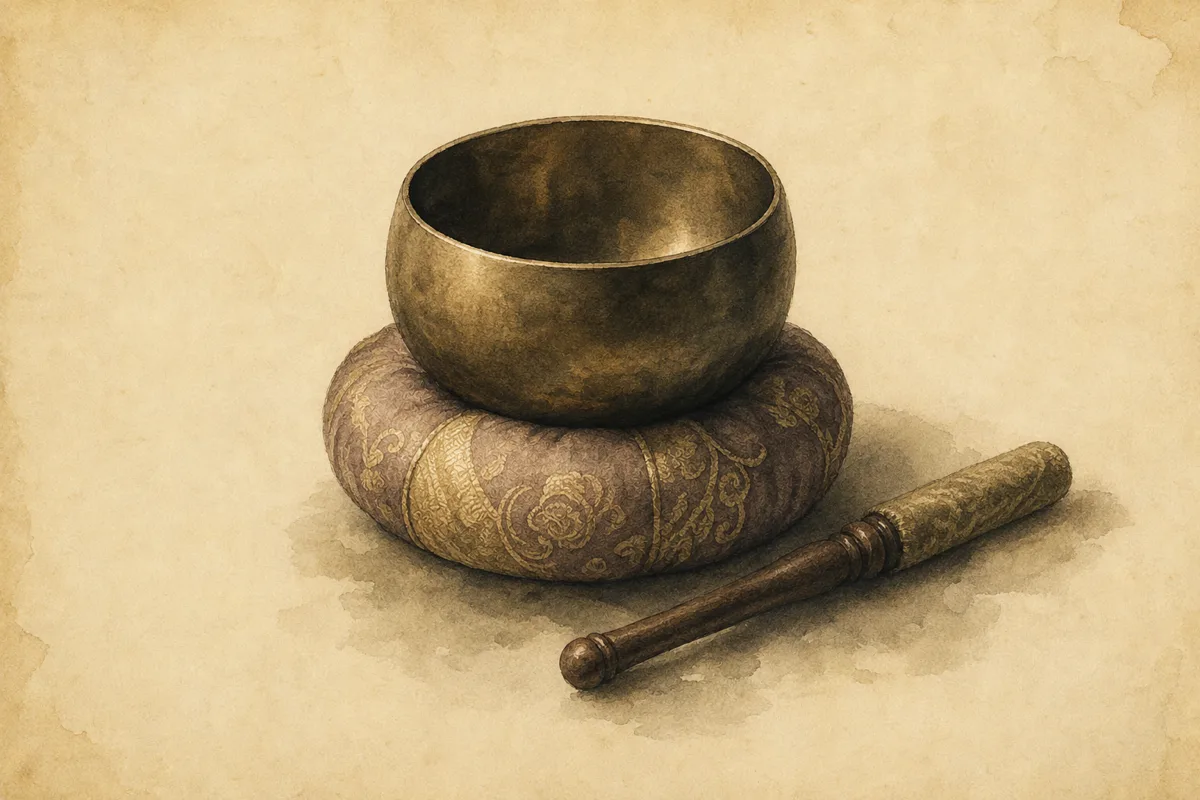
An orin looks like a singing bowl and is not used like one. It belongs on a Buddhist household altar, it is struck once with a padded stick, and the good ones are cast from a bronze carrying so much tin that the alloy is close to unworkable.
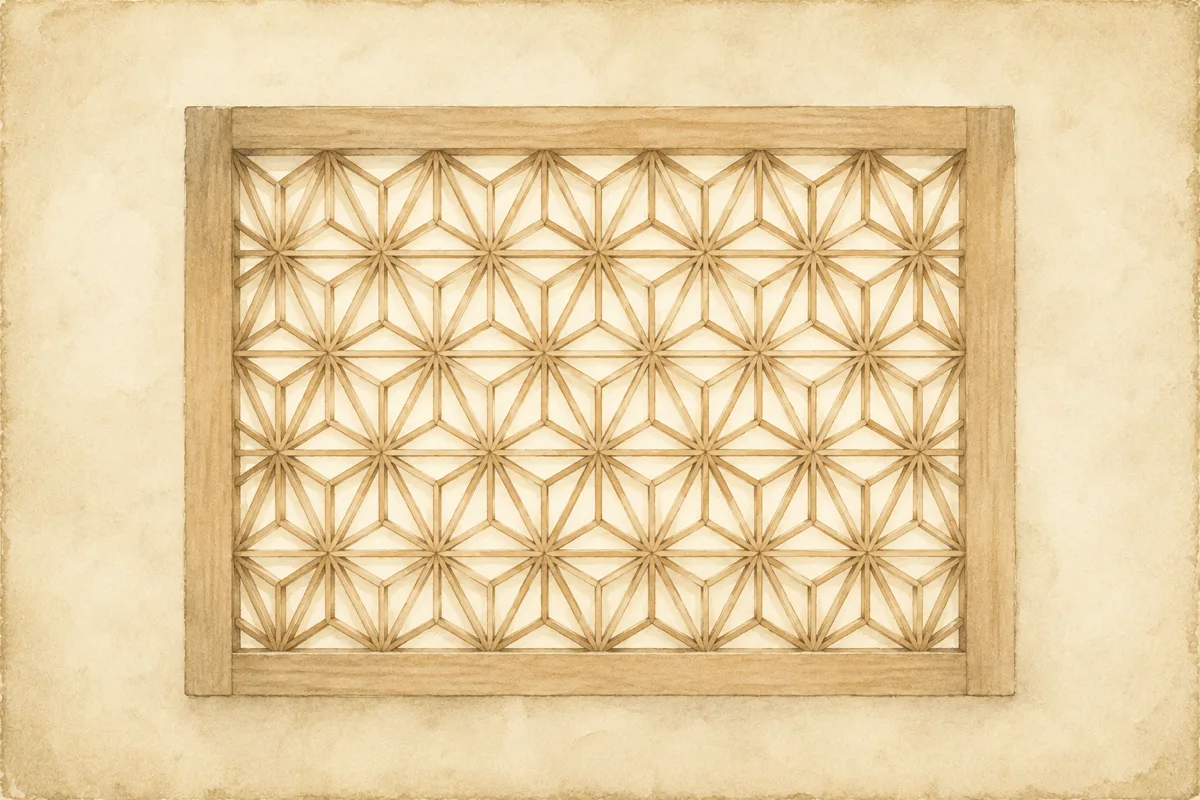
Kumiko is the geometric wooden latticework in shoji screens and temple transoms, cut so finely the pieces hold each other by pressure alone. The patterns are not abstract decoration either: most of them mean something, and the best-known one is a hemp leaf.
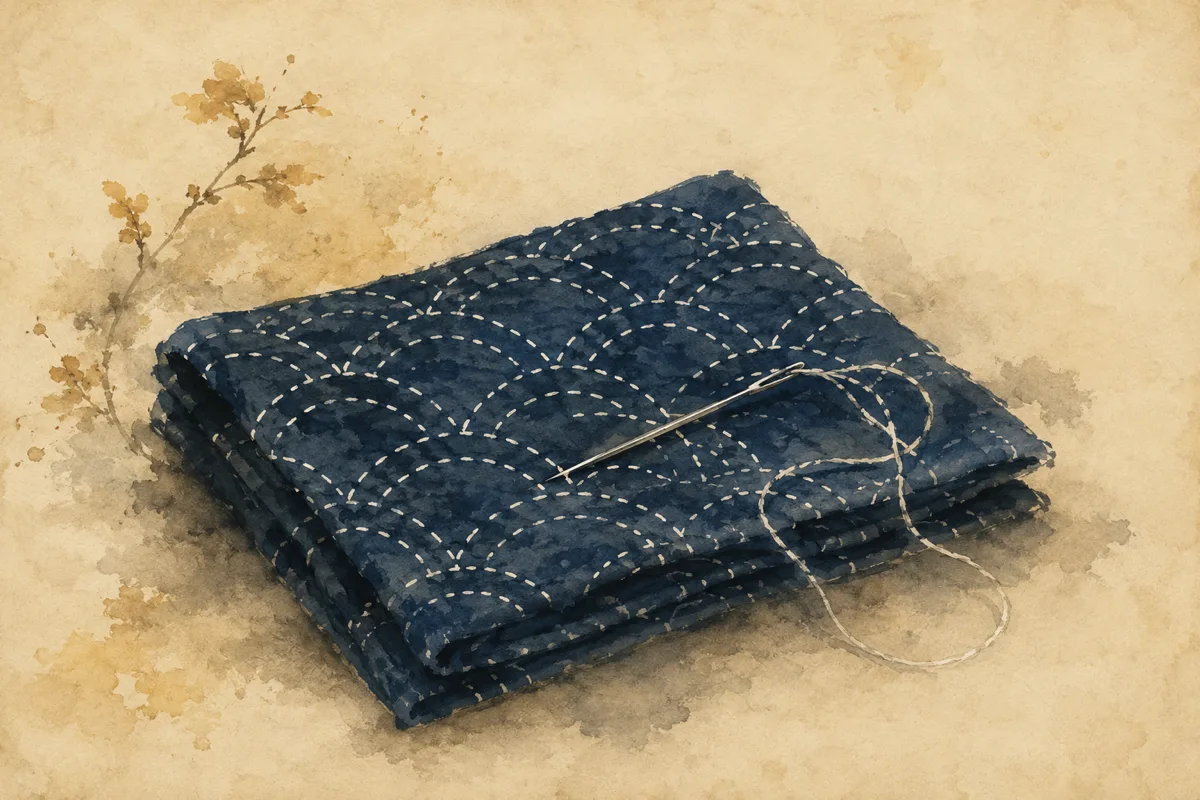
Sashiko means 'little stabs.' It began as white cotton thread run through indigo cloth by farming families in Japan's cold north, to make thin fabric warm and worn fabric last. The geometry came later, and some scholars argue it was never really embroidery at all.
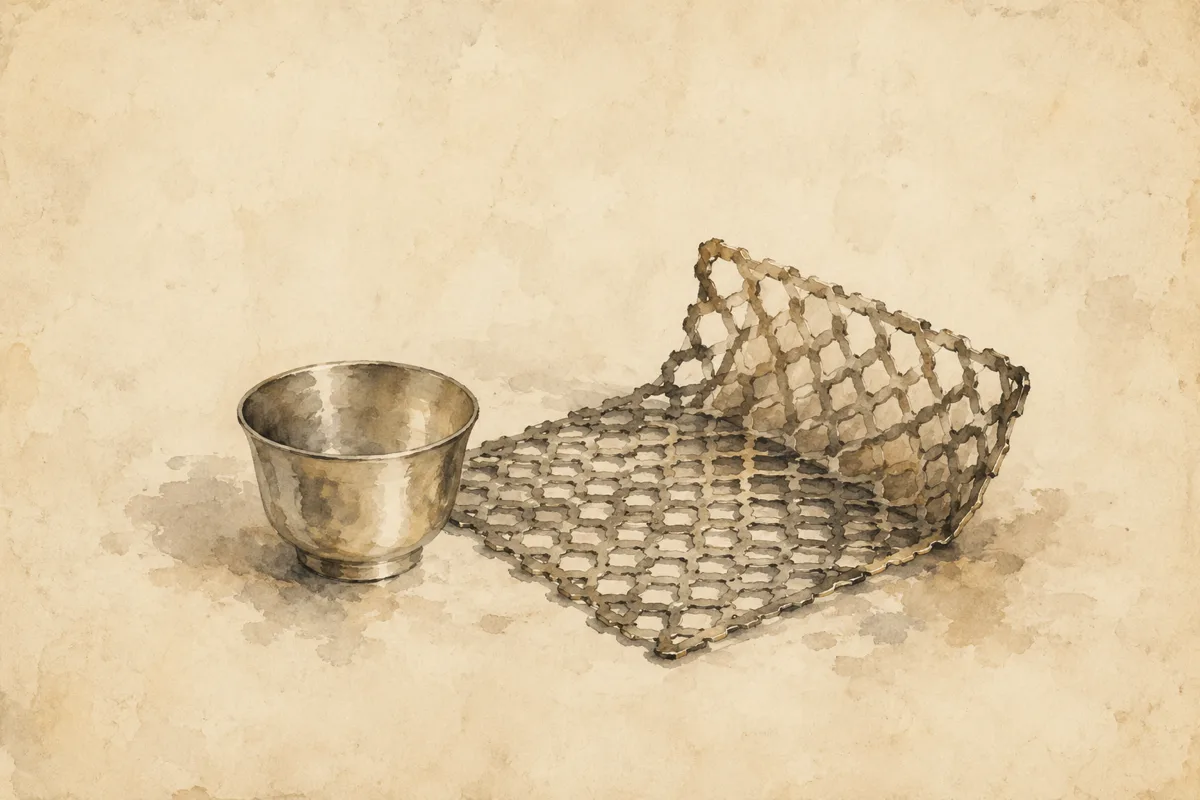
Tin is soft enough to bend by hand and melts at around 232°C. Pewter, the usual tinware alloy, stiffens tin with antimony and copper, until a Takaoka foundry went the other way in 2003 and cast tableware in unalloyed tin.
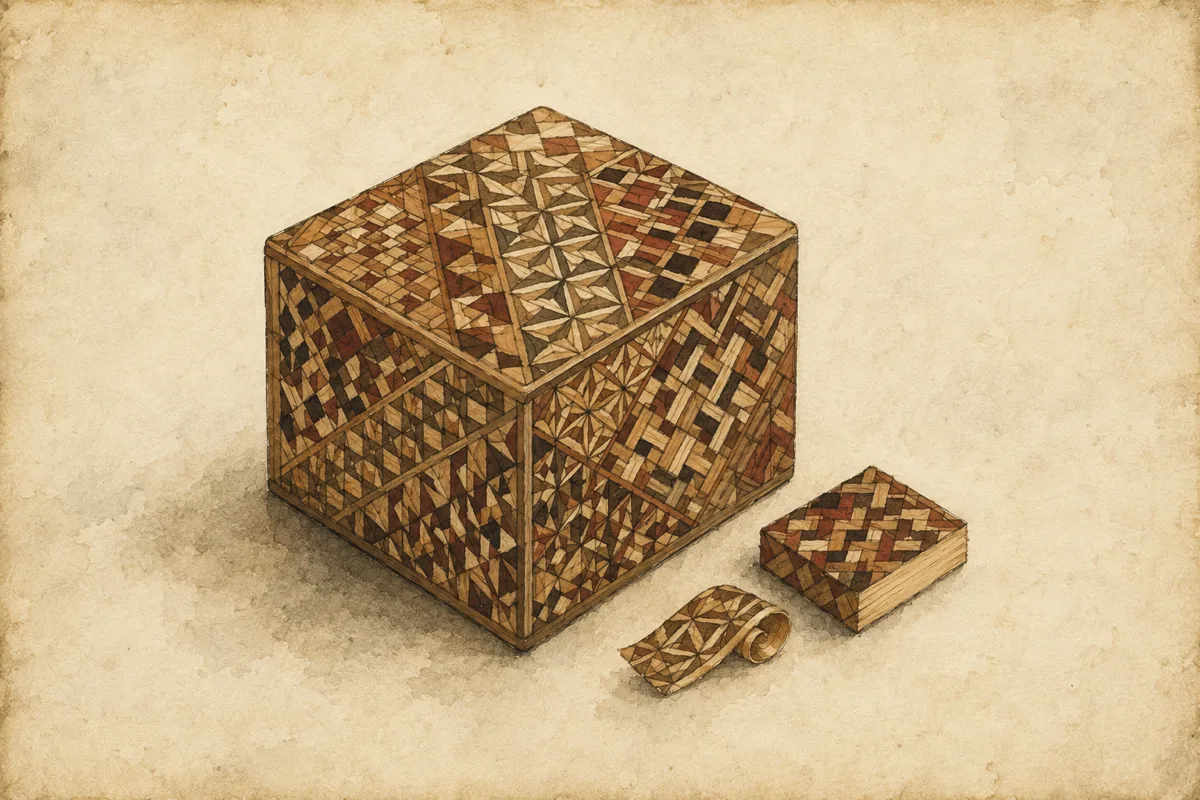
The geometric pattern on a Hakone box is not printed, painted, or stained. Every colour in it is a different species of tree, and on most boxes the whole design is a sheet of wood two-tenths of a millimetre thick, planed off the end of a solid patterned block.
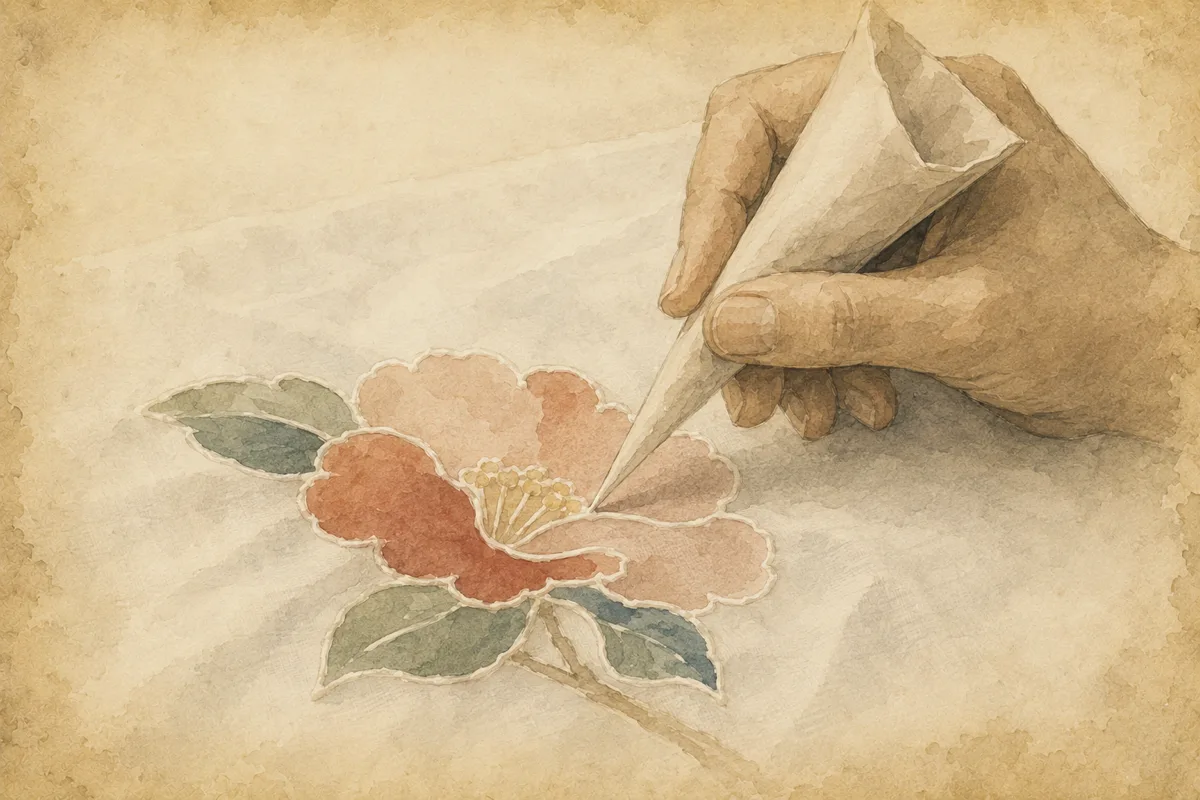
The fine white outline running between the colours of a yūzen kimono is not decoration. It is a wall of rice paste, piped from a cone, that stops one dye from bleeding into the next and so lets a length of silk be painted freehand like a sheet of paper. It is also how a townsman dressed in luxury while obeying laws against it.
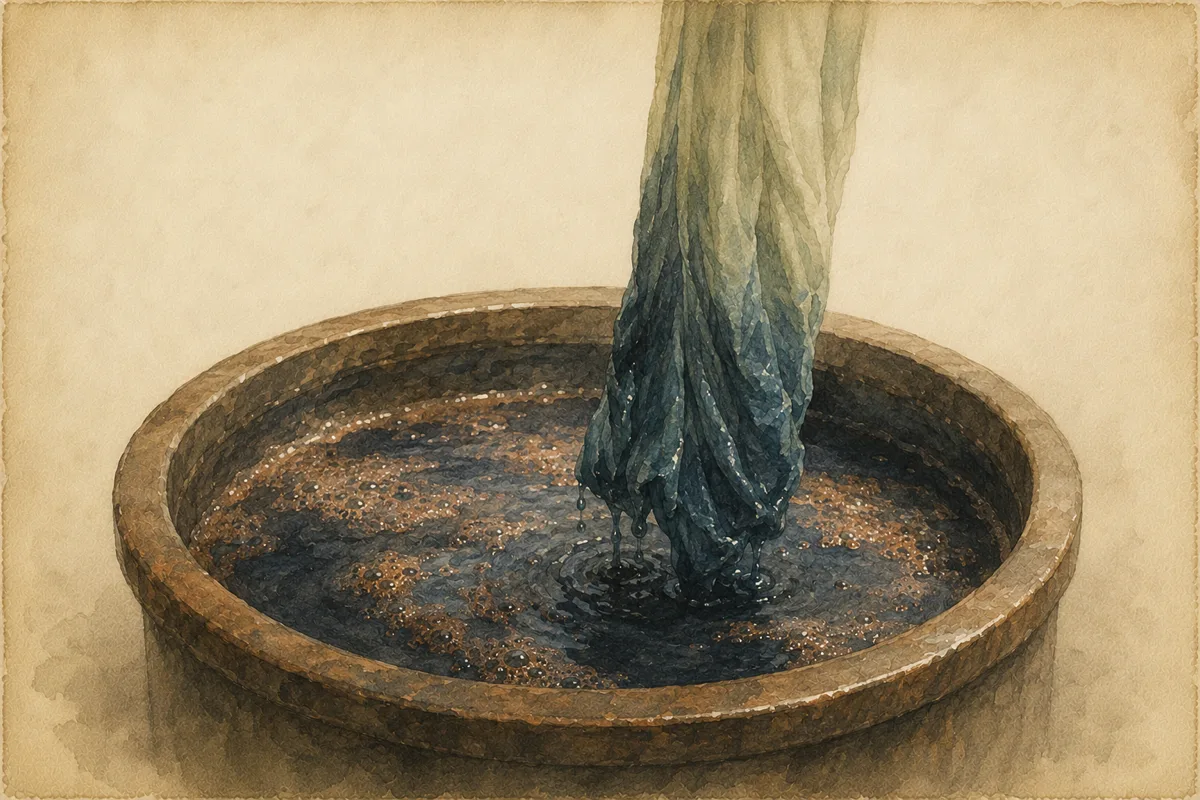
Real Japanese indigo isn't a color you paint on. The pigment won't dissolve in water, so it has to be fermented alive in a heated vat first, and the cloth comes out green and turns blue in your hands. That living chain is what separates aizome from a synthetic tie-dye kit.
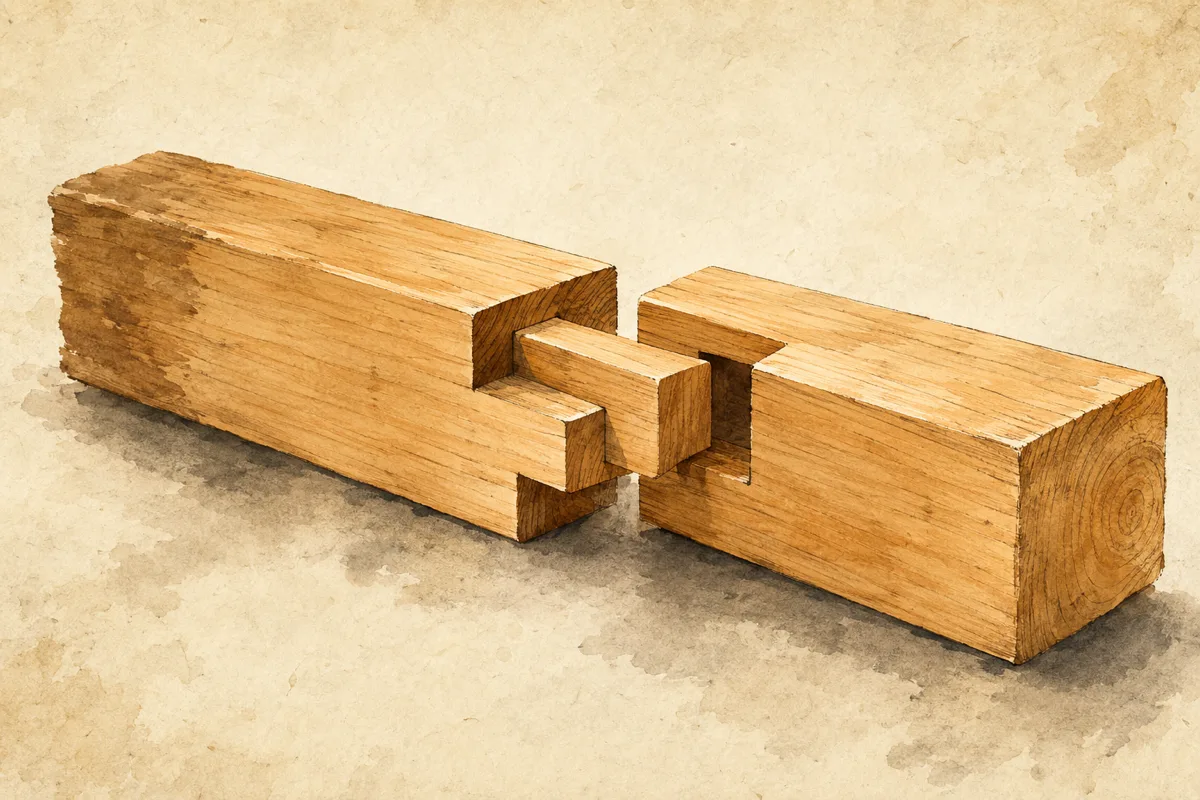
The puzzle-like wooden joints in Japanese furniture and temple frames are not decoration. This explains the idea behind them: cut the wood to grip itself by friction and shape, treat timber as a material that moves, and build so a joint can be taken apart and repaired centuries later.
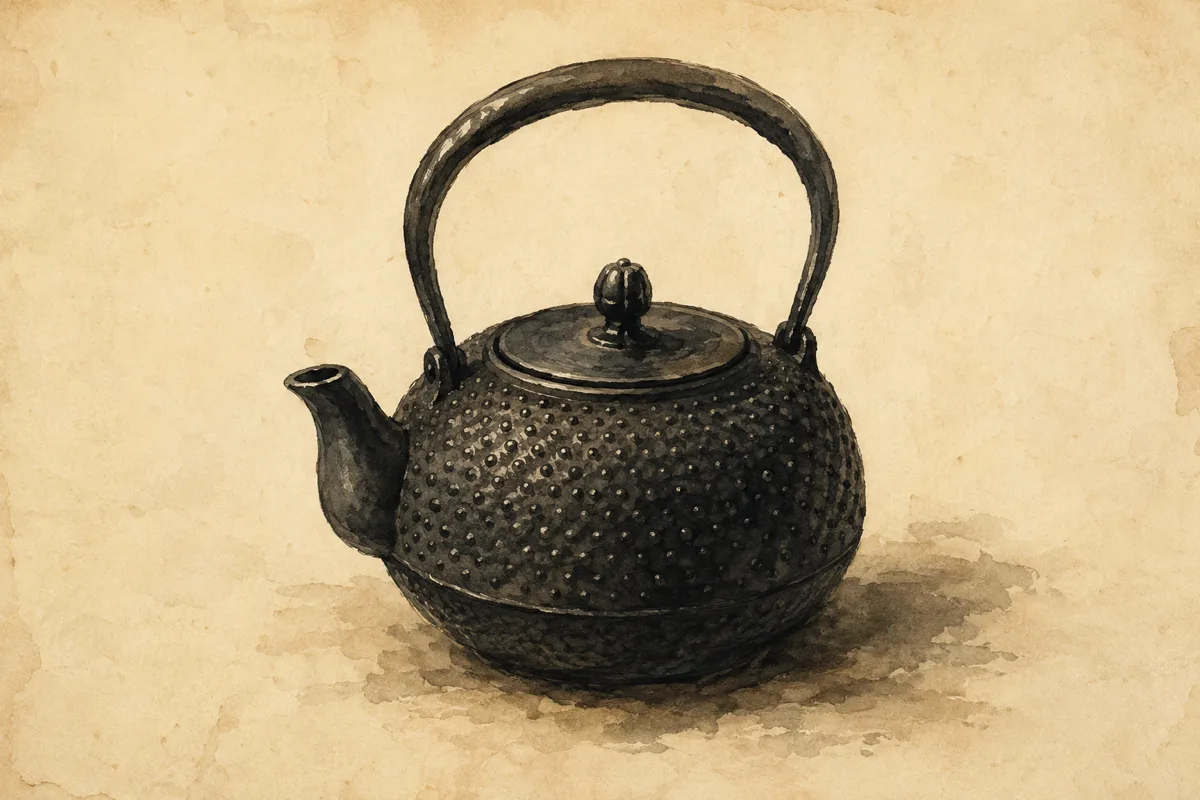
Nambu tetsubin is not a brand and not just any iron kettle. It is cast ironware from two towns in Iwate, poured one kettle at a time into a mold that is destroyed in the making — and the bare iron inside is the whole point.
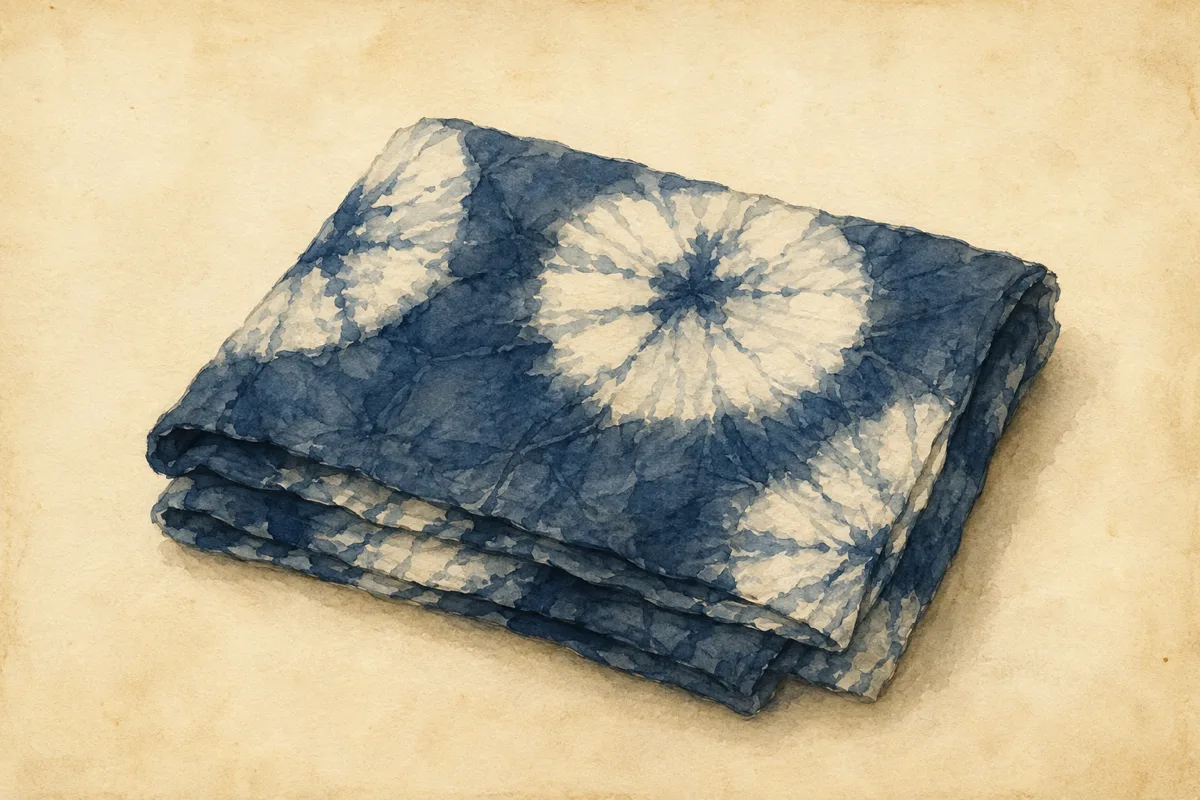
Shibori is often sold as Japanese tie-dye, but the resemblance is thin. It is a whole family of ways to bind, stitch, fold, and pole-wrap cloth before it meets the dye — with a town near Nagoya at the center of it.
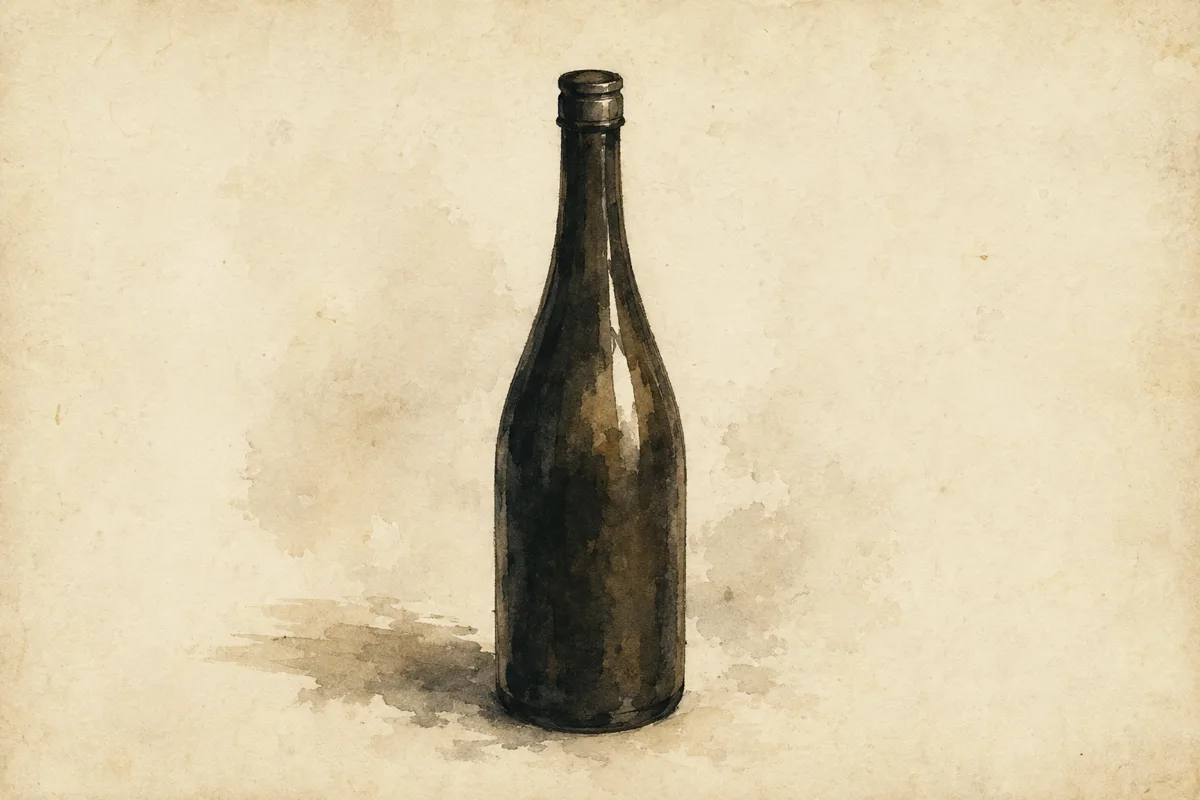
Sake almost never becomes unsafe — it fades. The one true reason to pour it out is when a clear bottle turns cloudy. Everything else is oxidation you can slow with three moves sake doesn't share with wine: keep it upright, keep it dark, keep it cold. Plus the split that decides everything — pasteurized keeps for months, unpasteurized nama must live in the fridge — and the real opened-bottle windows, in a table.
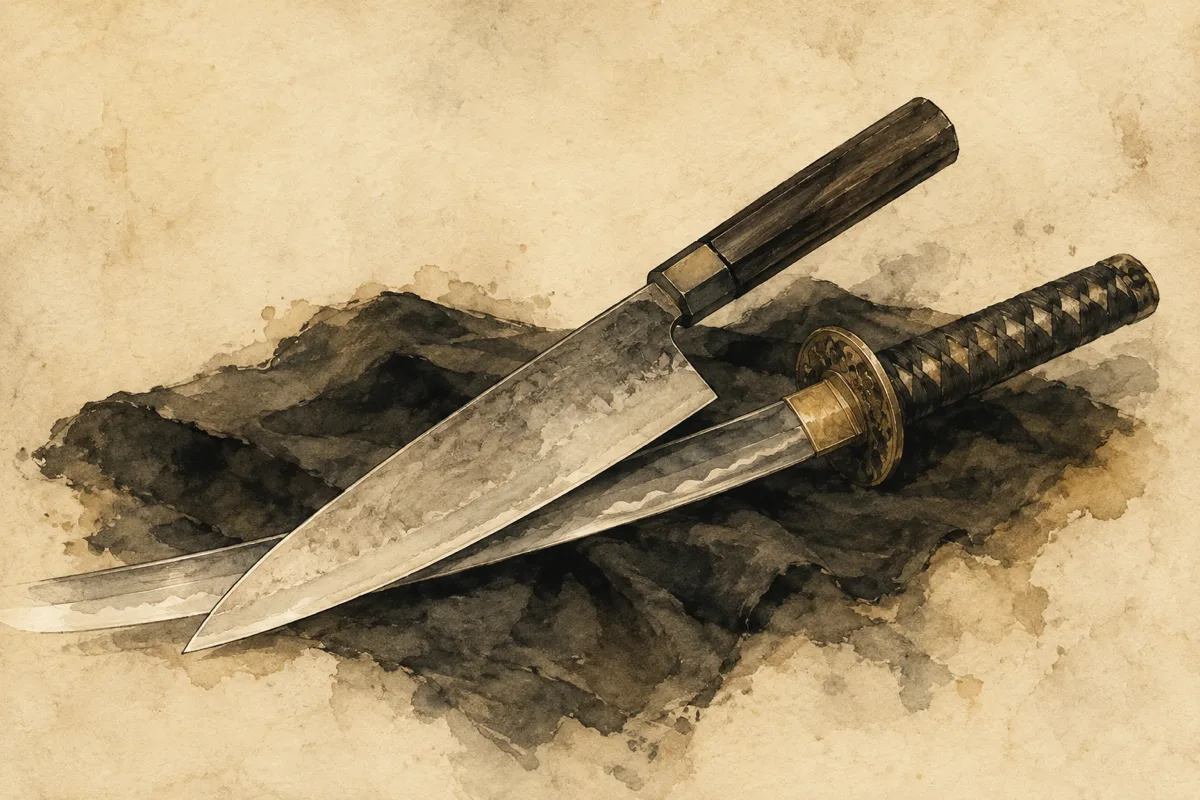
The story that a single 1876 sword ban turned samurai swords into chef's knives is half true and half myth. The Haitō Edict did push thousands of jobless swordsmiths into cutlery, but the deba and yanagiba were already Edo-period Sakai knives, and the gyuto is a separate Western import. What the sword passed down was the metallurgy, not the shape.
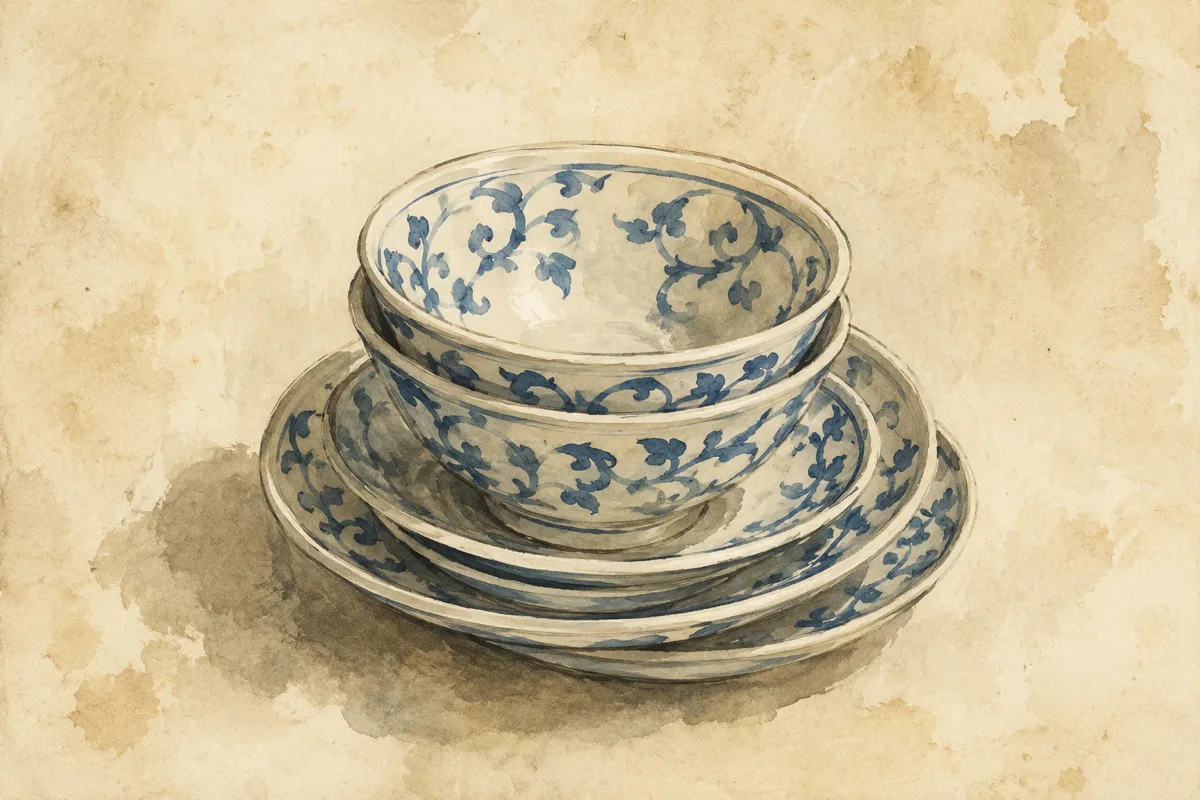
Hasami-yaki is the everyday porcelain of Hasami, Nagasaki, one valley over from Arita, and the source of roughly 16% of all the dishes used in Japan. The story of the cheap, thick kurawanka bowl that put porcelain on the common table, why Hasami spent centuries anonymous under Arita's name, and how it became the design world's favourite stacking tableware.
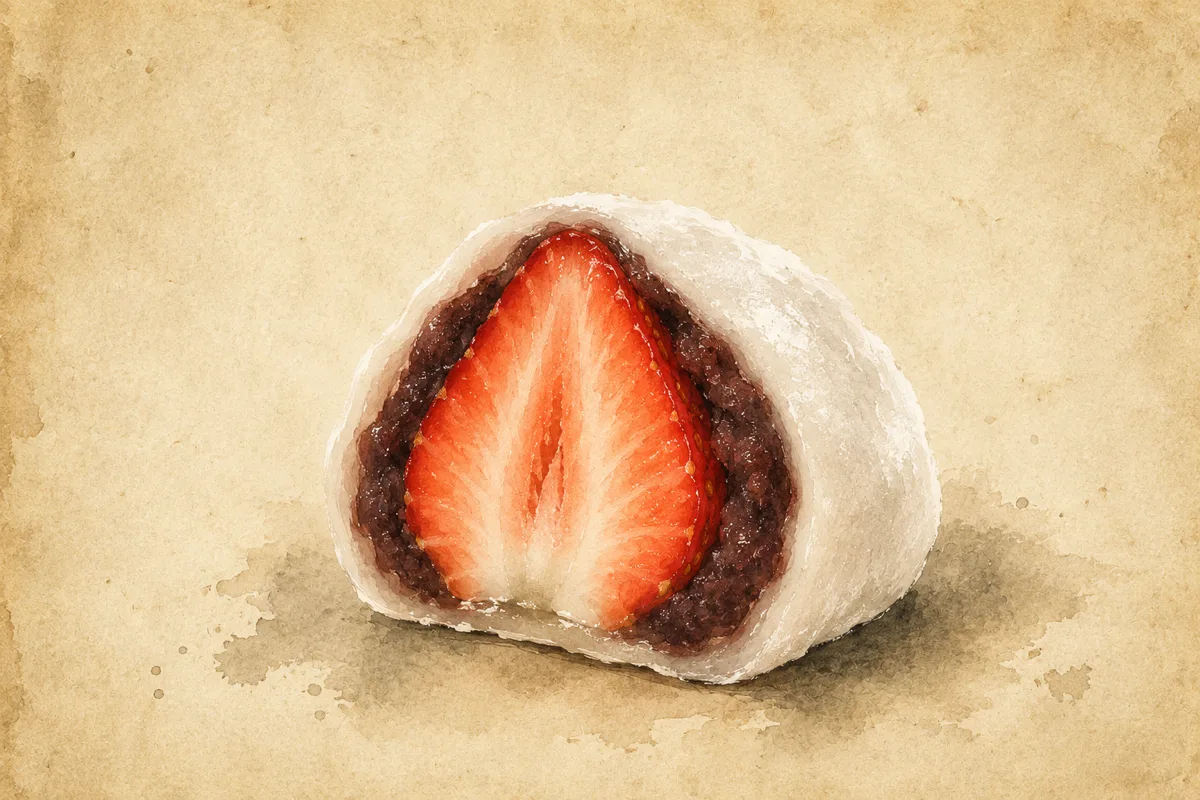
That whole strawberry wrapped in soft mochi and sweet bean paste looks like something out of a centuries-old teahouse. In fact, ichigo daifuku was invented in the 1980s (most credit a Tokyo shop in 1985), and its real inspiration was Western strawberry shortcake. This is what it is, who made it, why the bean paste matters, and why strawberries are a winter fruit in Japan.
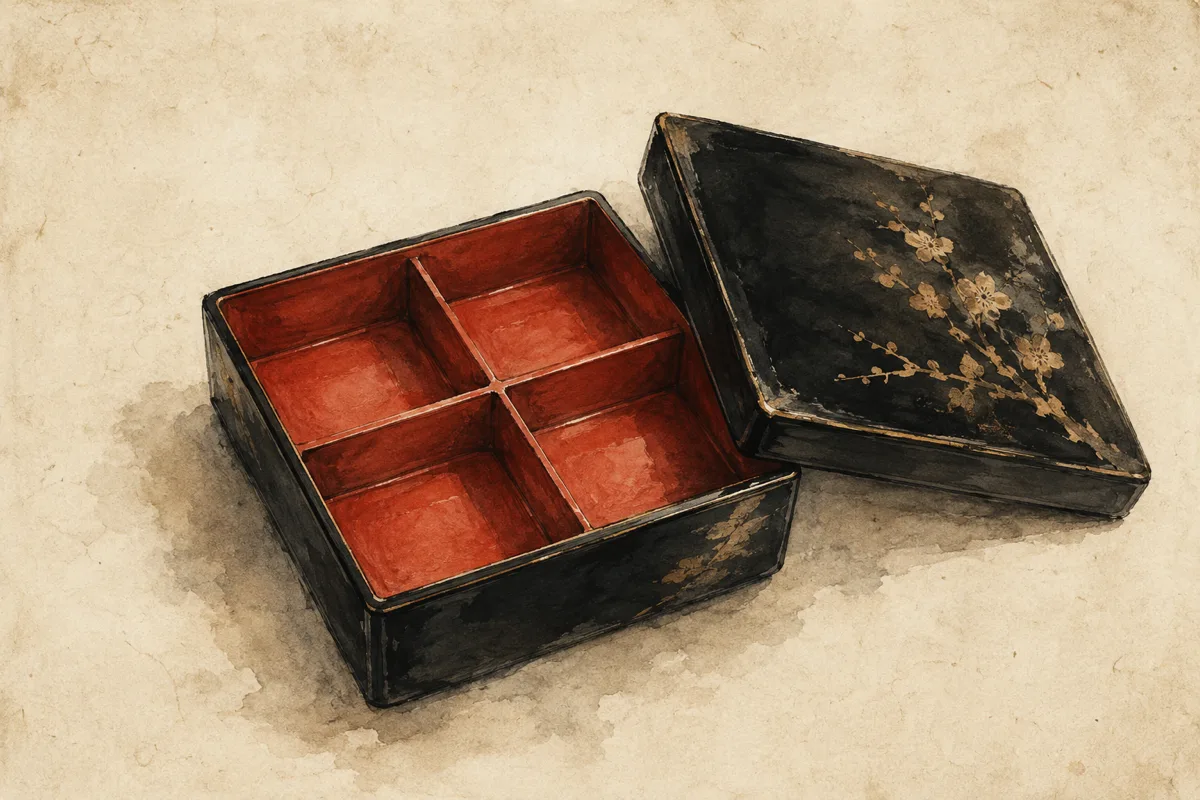
The square black lacquer box with a cross-shaped divider is a shokado, and it began as a farmer's seed box before a monk and then a chef turned it into a lunch. This guide covers where it comes from, how it differs from a jubako or a plastic bento, and how to tell a real-urushi box from a synthetic one before you buy.
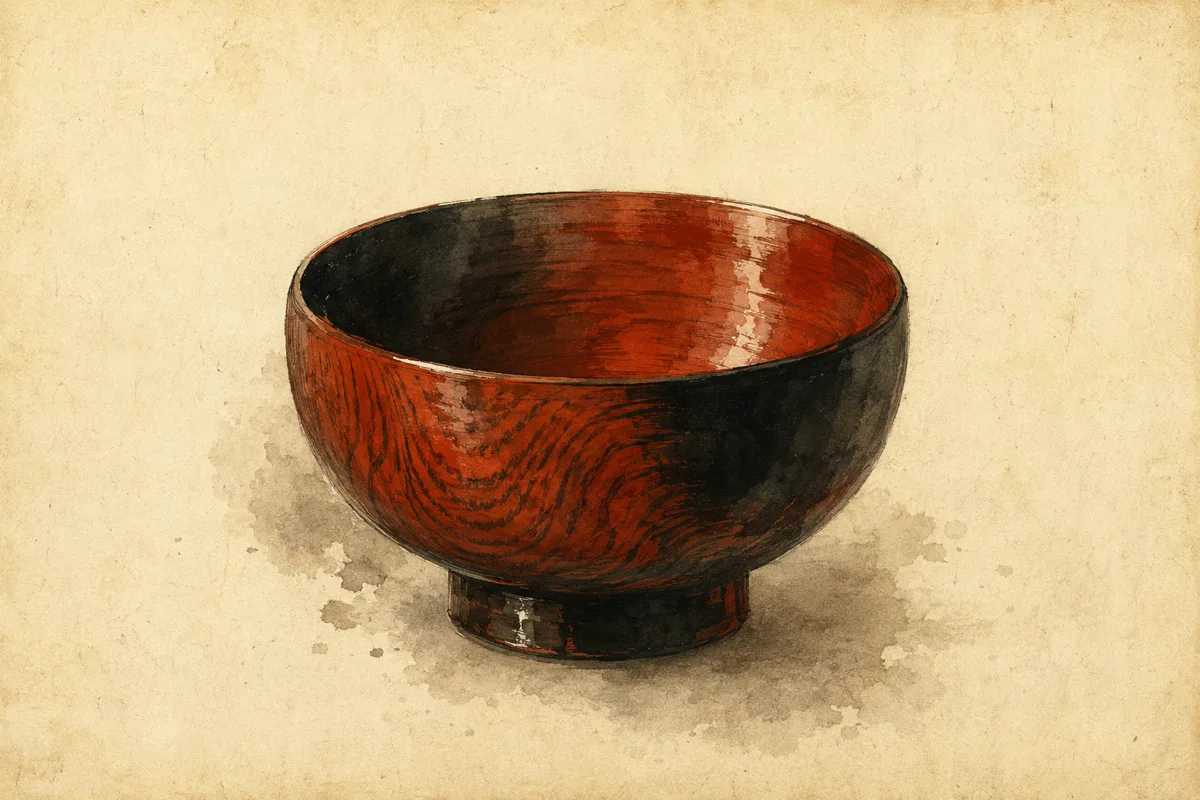
A $12 'lacquer soup bowl' and an $80 keyaki urushi owan sit under the same words. Why miso soup is served in wood, how the kanji tells you the material, real urushi versus synthetic coating, sizes, regions, and how to care for a bowl so it lasts.
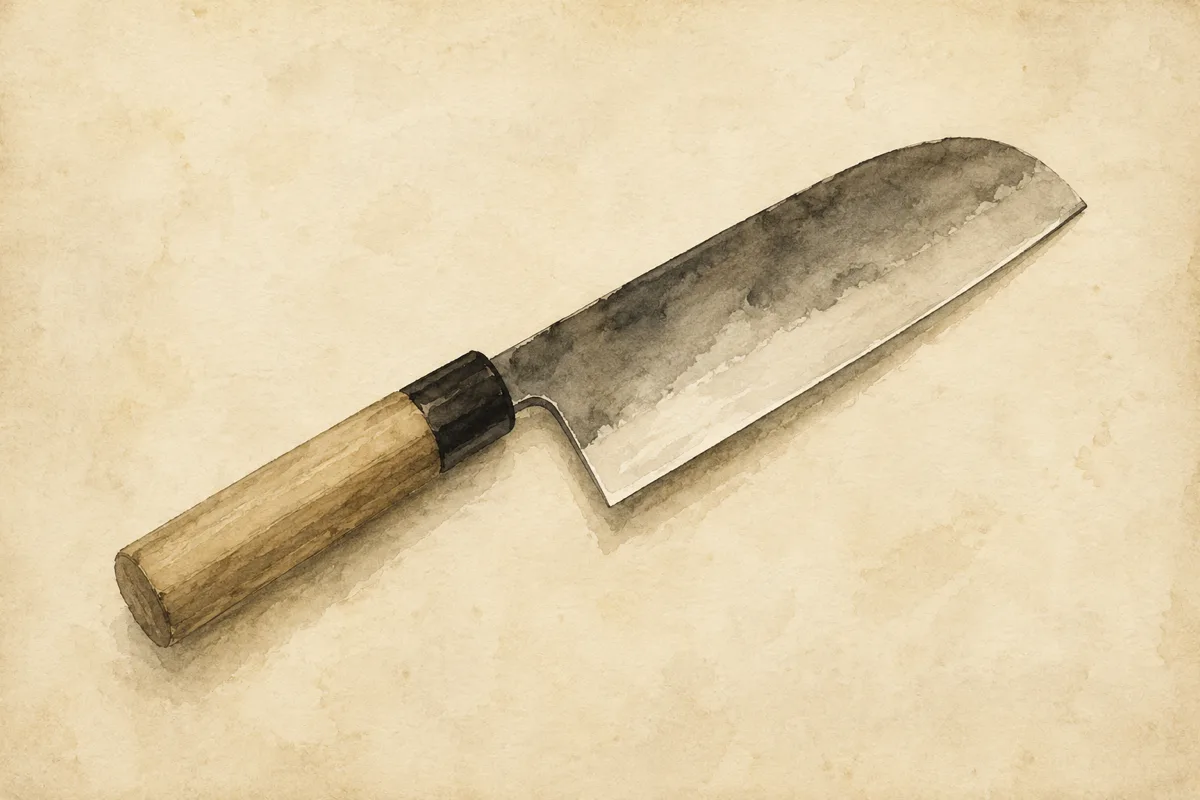
The santoku is the most-searched Japanese knife name and the everyday blade in most Japanese kitchens, but it is younger than your grandparents, and it isn't a samurai sword's descendant. This guide covers what 'three virtues' really means, why its flat edge wants a chop and not a rock, and how to decide between a santoku and a gyuto before you buy.
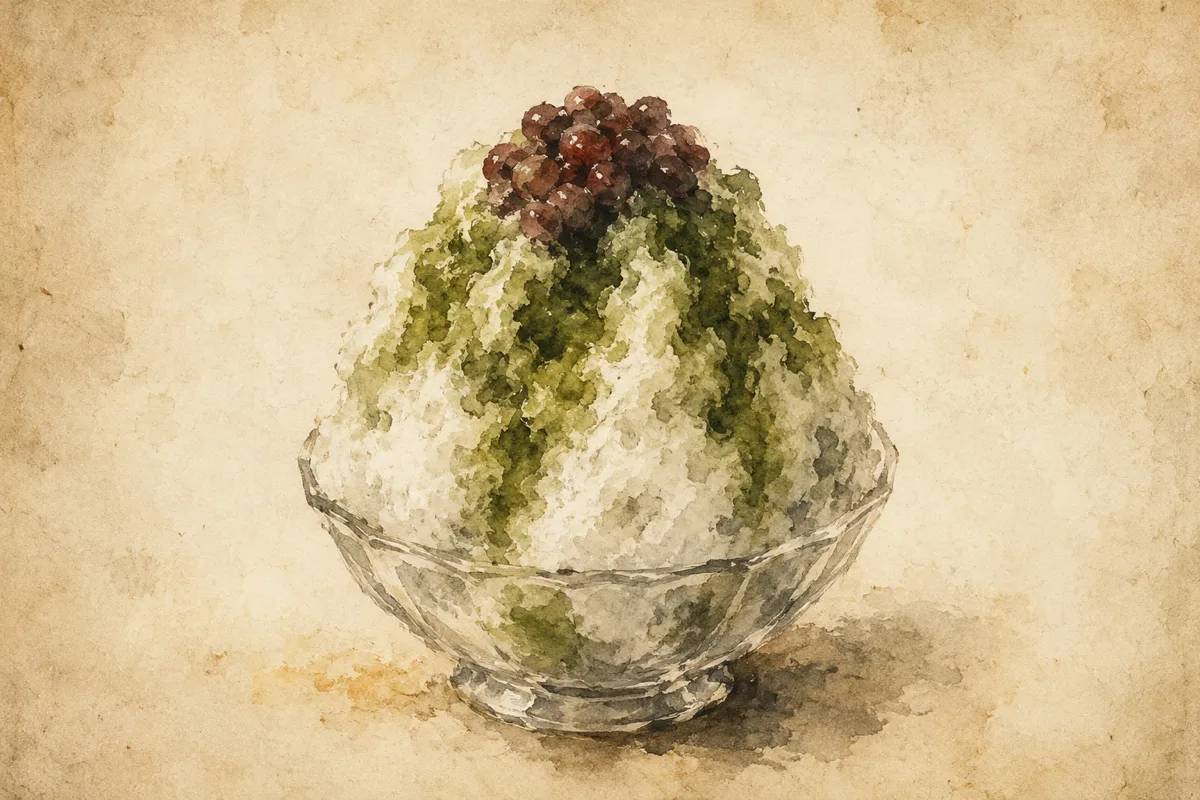
That towering, snow-soft mound of shaved ice you saw in a Kyoto café isn't a snow cone. This is what kakigōri actually is: why the ice melts on your tongue instead of crunching, how a Heian court lady wrote it down in the year 1002, and what Uji kintoki, natural ice, and a carpenter's-plane blade have to do with it.
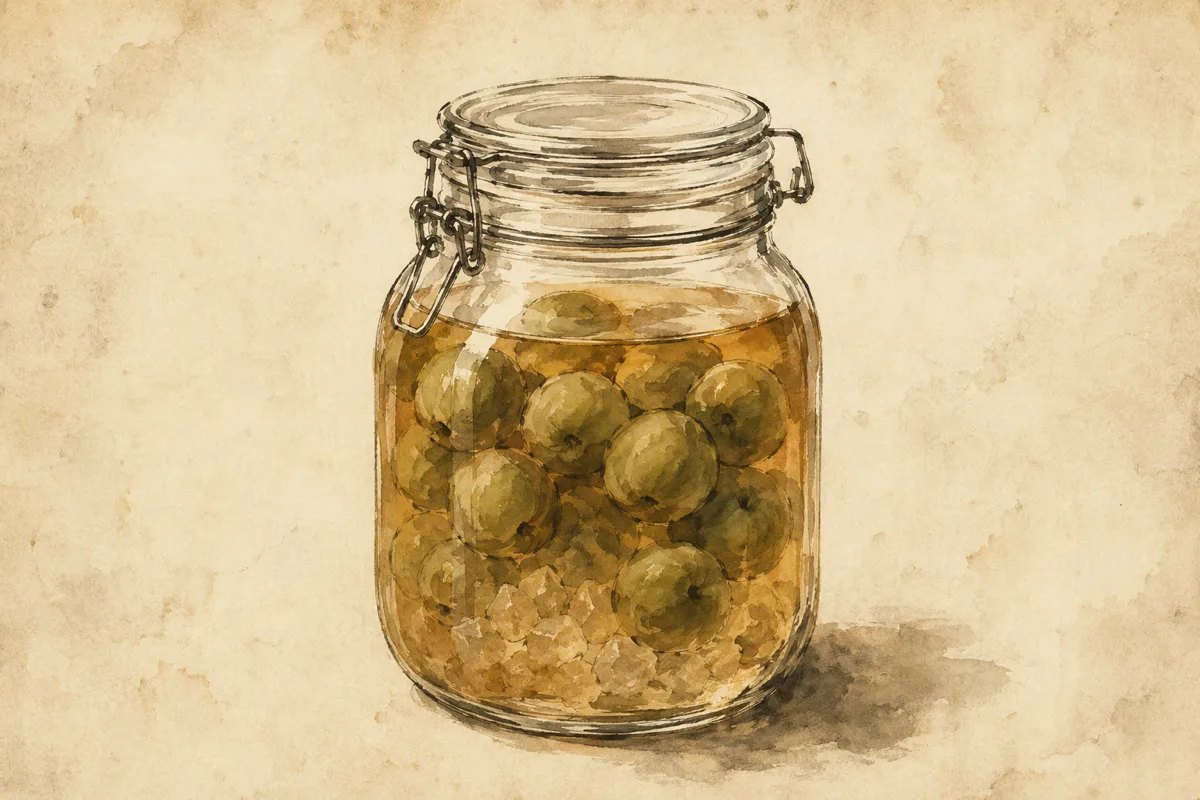
Umeshu is an infused liqueur: green ume and sugar steeped in spirit, never fermented, so "plum wine" is wrong twice over. What the base spirit changes, sweet vs dry, and how to drink it.
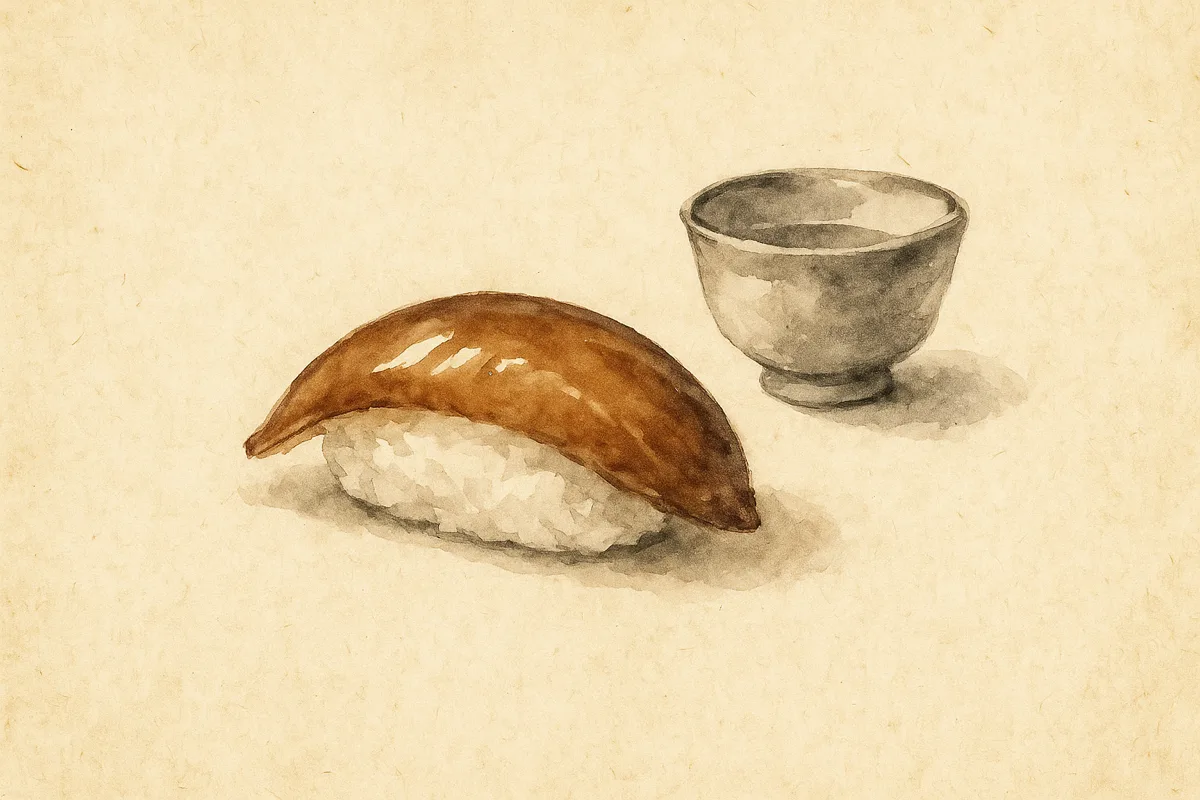
Which sake to drink with sushi and sashimi: the science of why sake beats wine with raw fish, a neta-by-neta grid, and why the fanciest daiginjo is the wrong call.
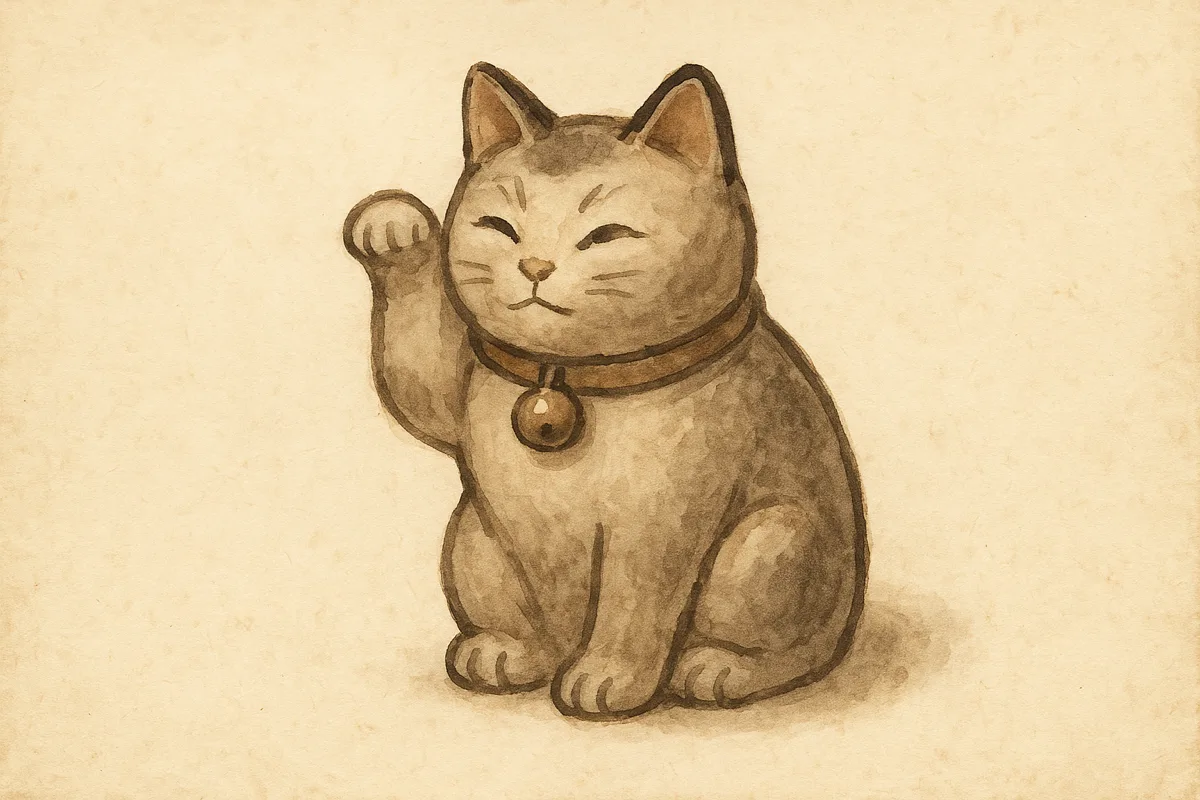
The beckoning cat by the register is calling luck in, not waving goodbye. A guide to what the left vs right paw means, what each color is for, the coin it holds, and the Aichi pottery towns that make it.
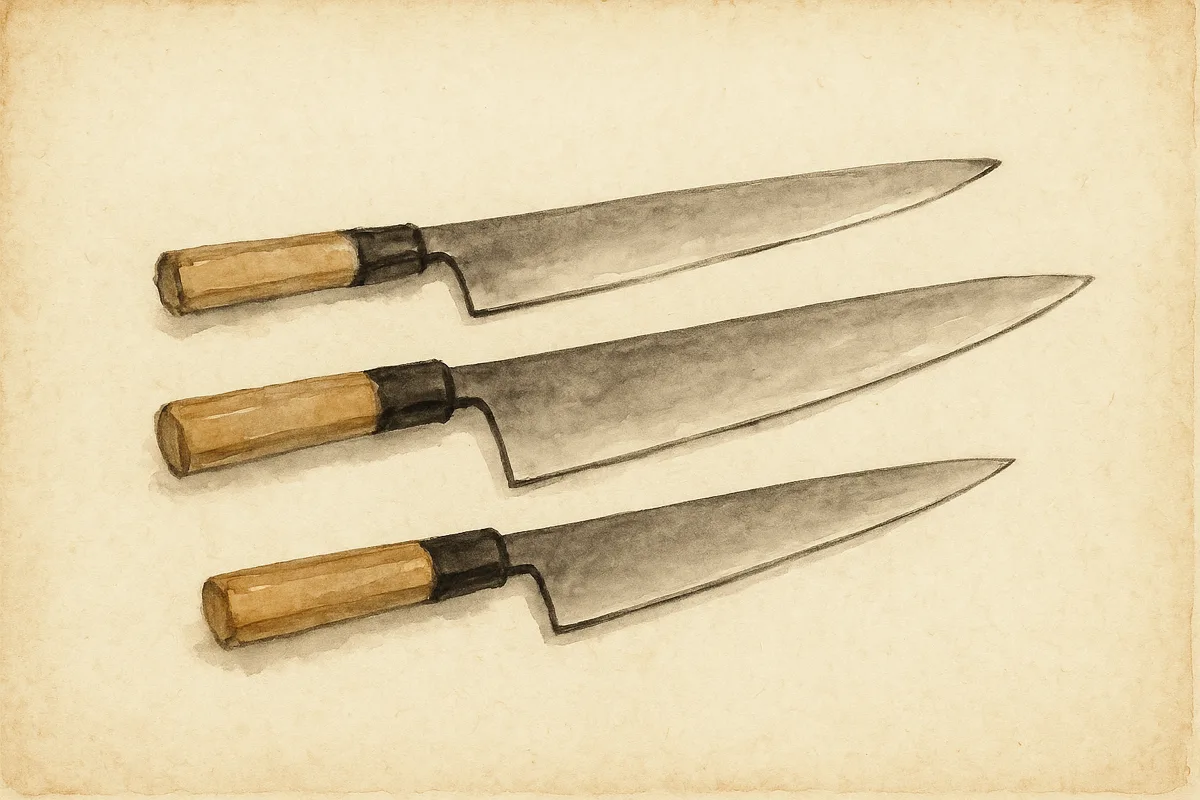
The same gyuto sells in 180mm, 210mm and 240mm, and the length is not a matter of taste. Three things you can measure decide it: your cutting board's width, the spread of your hand, and how much you cut at once, including the hand-spread test that separates 210 from 240.
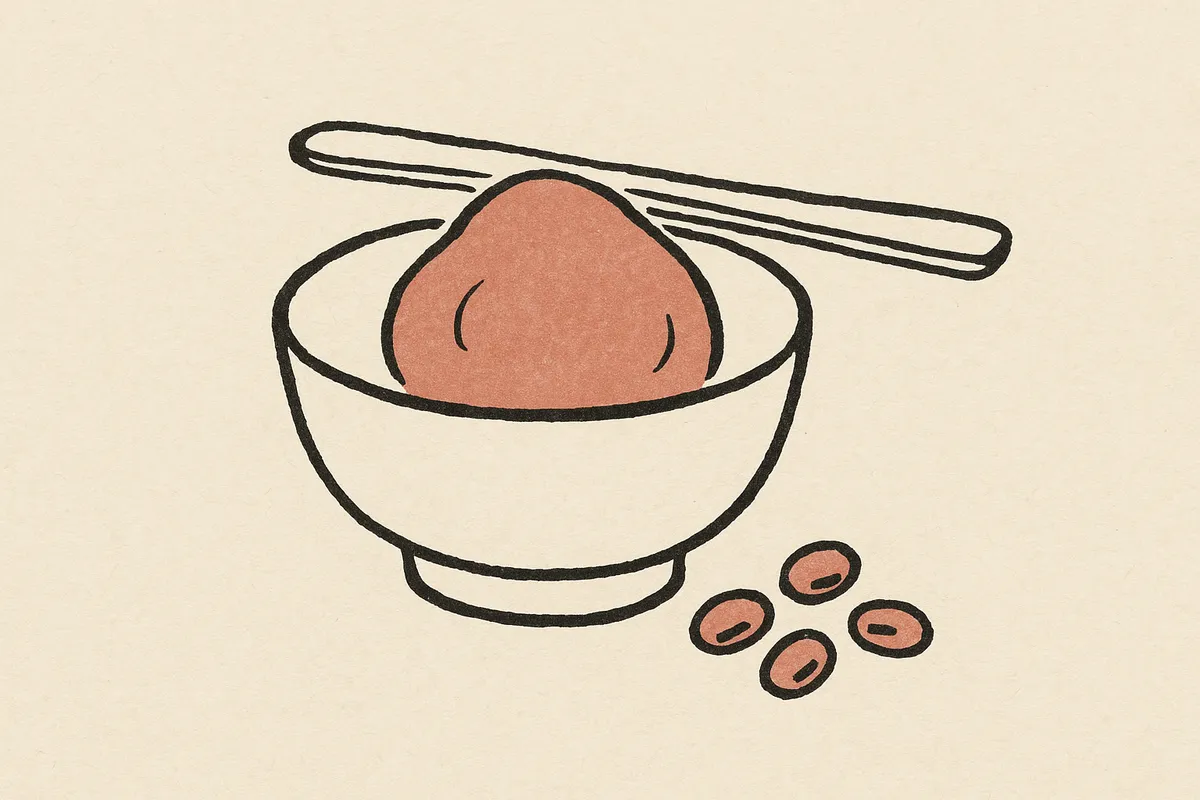
Cut open almost any Japanese sweet and you find a paste of sweetened beans. This is what anko is (azuki plus sugar), why a bean became Japan's dessert, and how to tell tsubuan from koshian from white shiroan before you order.
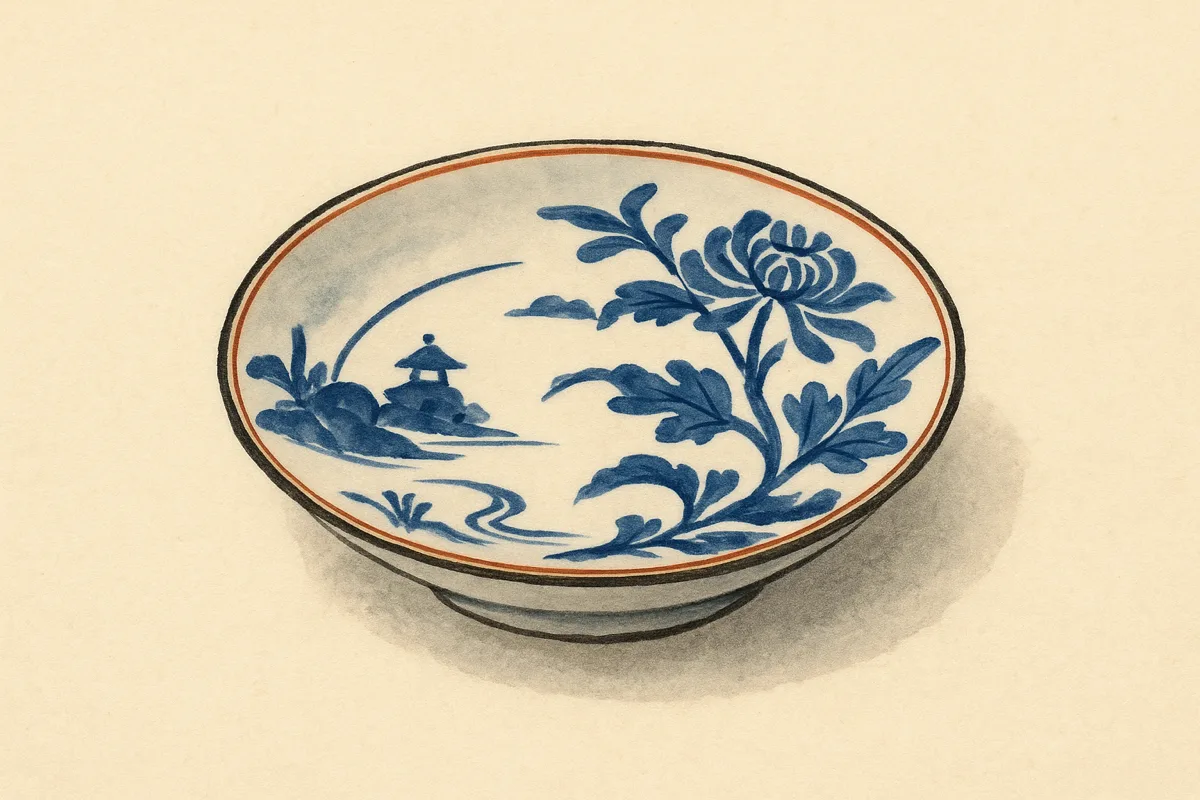
Arita is the town where Japan first made porcelain around 1616; Imari was only the port it shipped from — so 'Imari ware' is the same clay by another name. A guide to sometsuke blue-and-white, the Kakiemon and Nabeshima styles, and how a Chinese civil war put Japanese porcelain in European palaces.
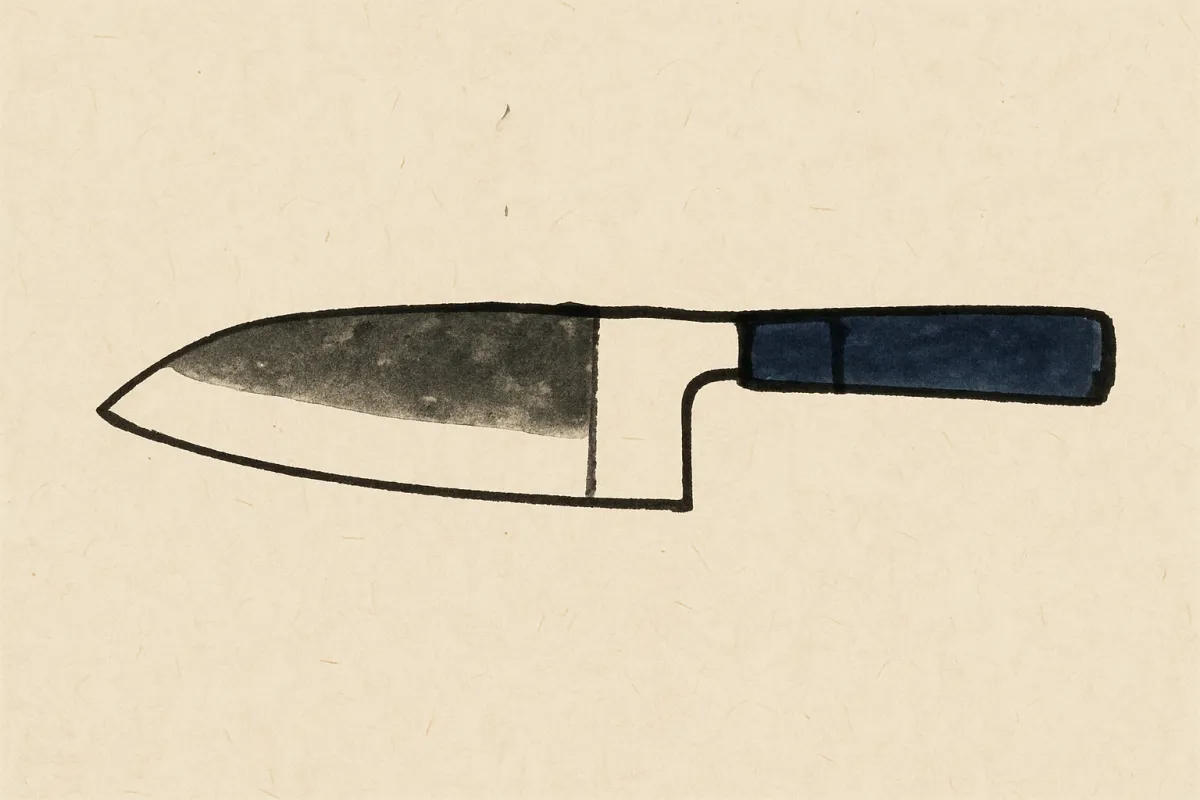
Before you compare White steel, Blue steel, and VG-10, there's a simpler fork: carbon or stainless. One element, chromium, sets every trade-off in sharpness, upkeep, and rust. Pick your camp, and settle the myth that carbon always holds an edge longer.
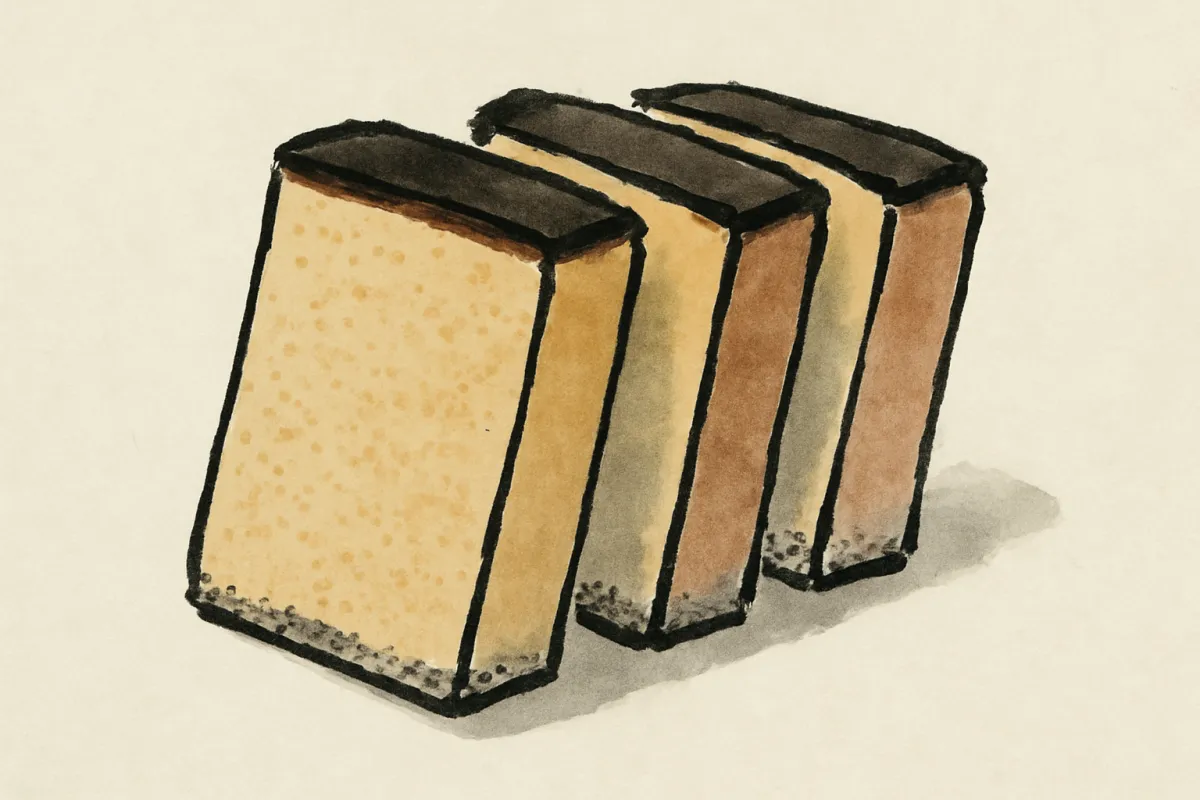
That moist, square Japanese sponge with a sugar-crusted bottom came from Portugal in the 16th century. Here's what castella is: the four ingredients and three deliberate absences that make it 'Japanese,' why it uses bread flour, and how Nagasaki houses have baked it since 1624.
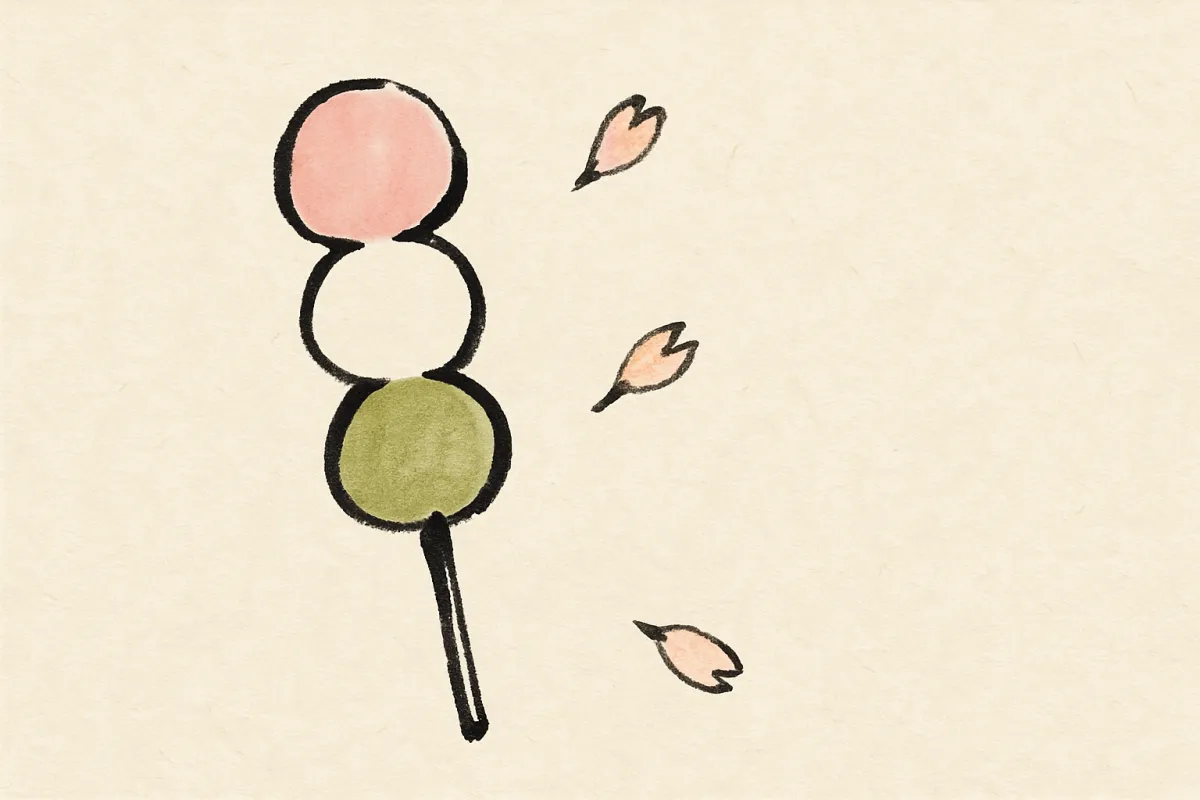
Those glossy balls on a bamboo stick, three colors at cherry-blossom time or glazed and grilled, aren't mochi. Dango is boiled rice flour rather than pounded rice; this guide covers why, how an 18th-century coin set the skewer at four, and what mitarashi, hanami, and tsukimi dango mean.
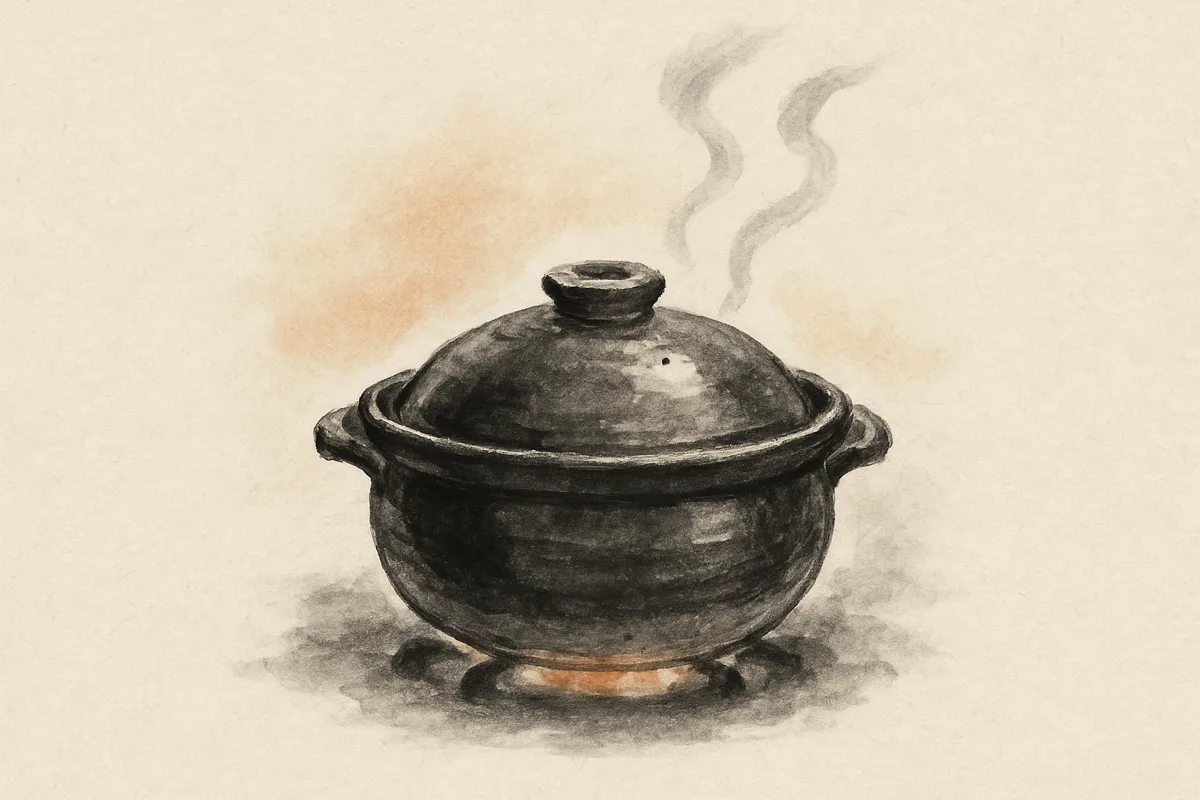
A donabe is a porous earthenware pot that goes straight on the flame and cooks the opposite way to metal — it stores heat slowly and finishes food off the fire. Why Iga and Banko clay survives direct flame, how to do the first seasoning (medome), the four ways people crack one, and how to cook rice in it.
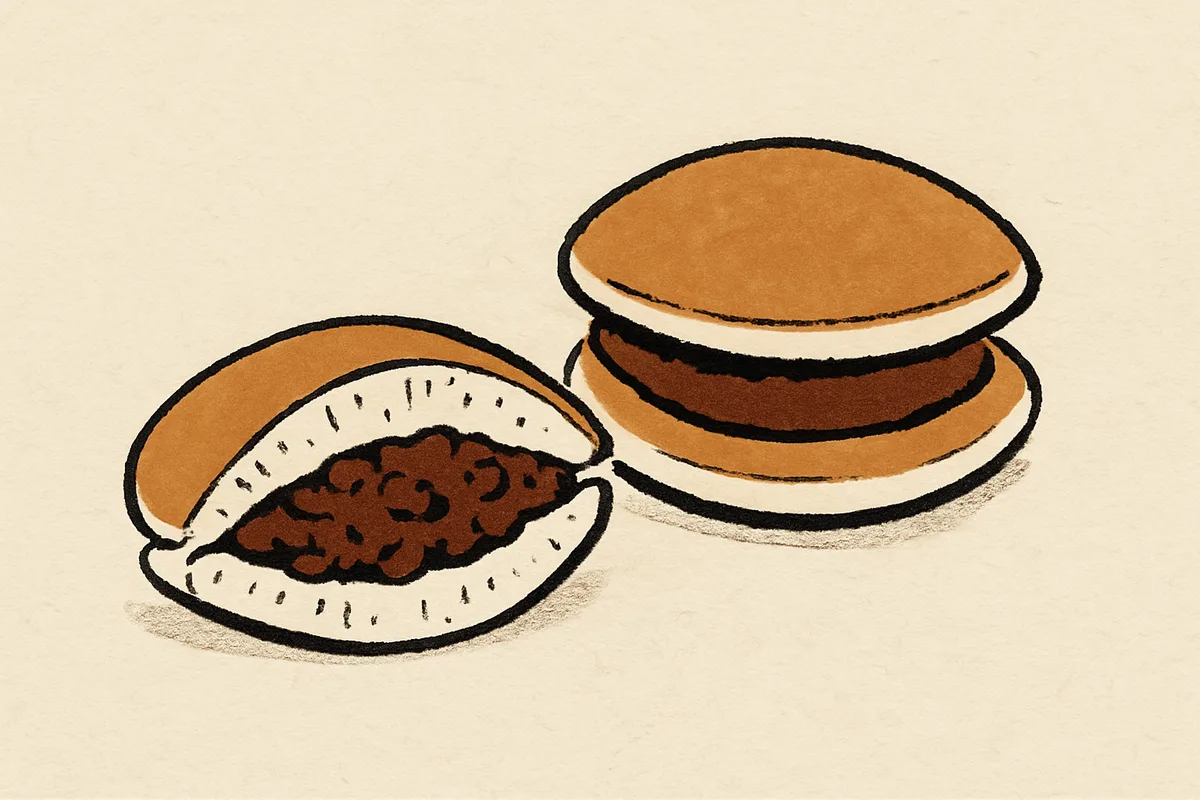
The wagashi most people know by name without knowing what it is. Dorayaki is two little castella sponges around sweet azuki paste. Why 'red bean pancake' gets it wrong, where the gong-shaped name comes from, the warrior-monk legend behind it, and why the round sandwich is barely a century old.
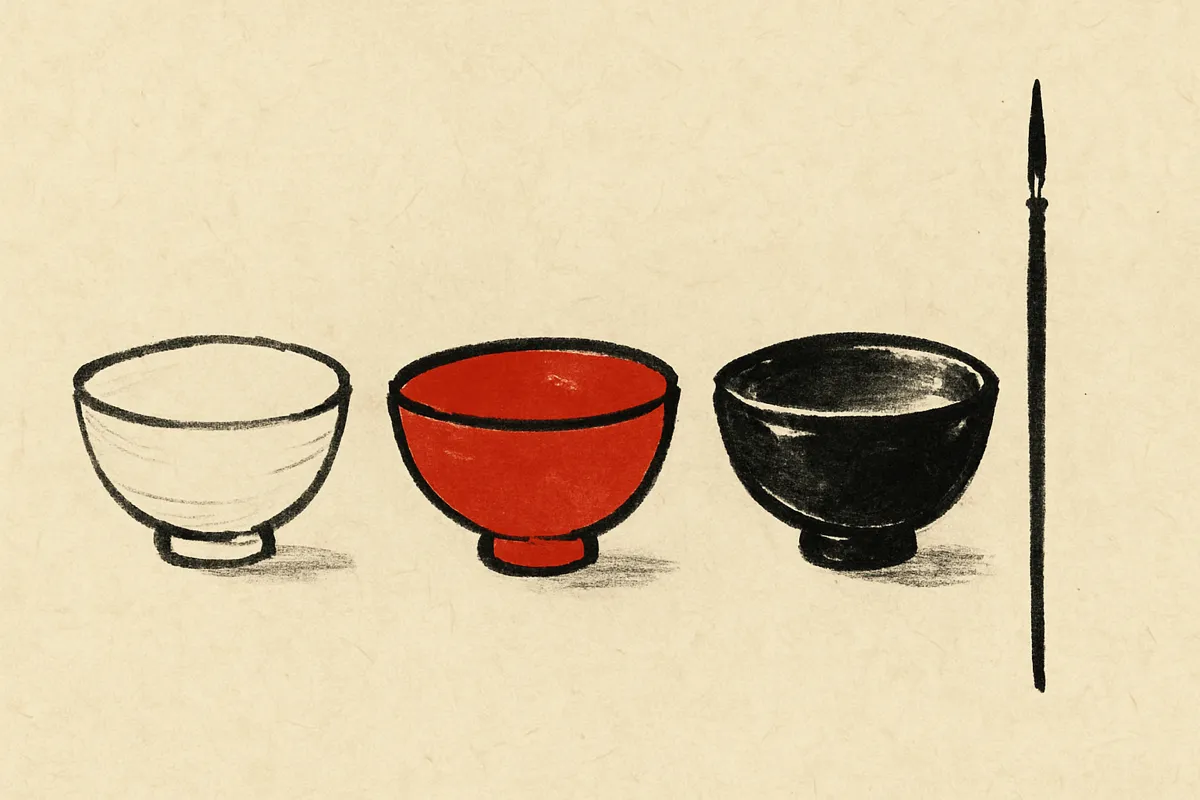
A finished urushi bowl and a plain wooden one are separated by months of work you can't see. This walks the whole line: wood core, an invisible mineral foundation, then thin coats each hardened in a damp cabinet, and why the depth and the price both come from layers and waiting.
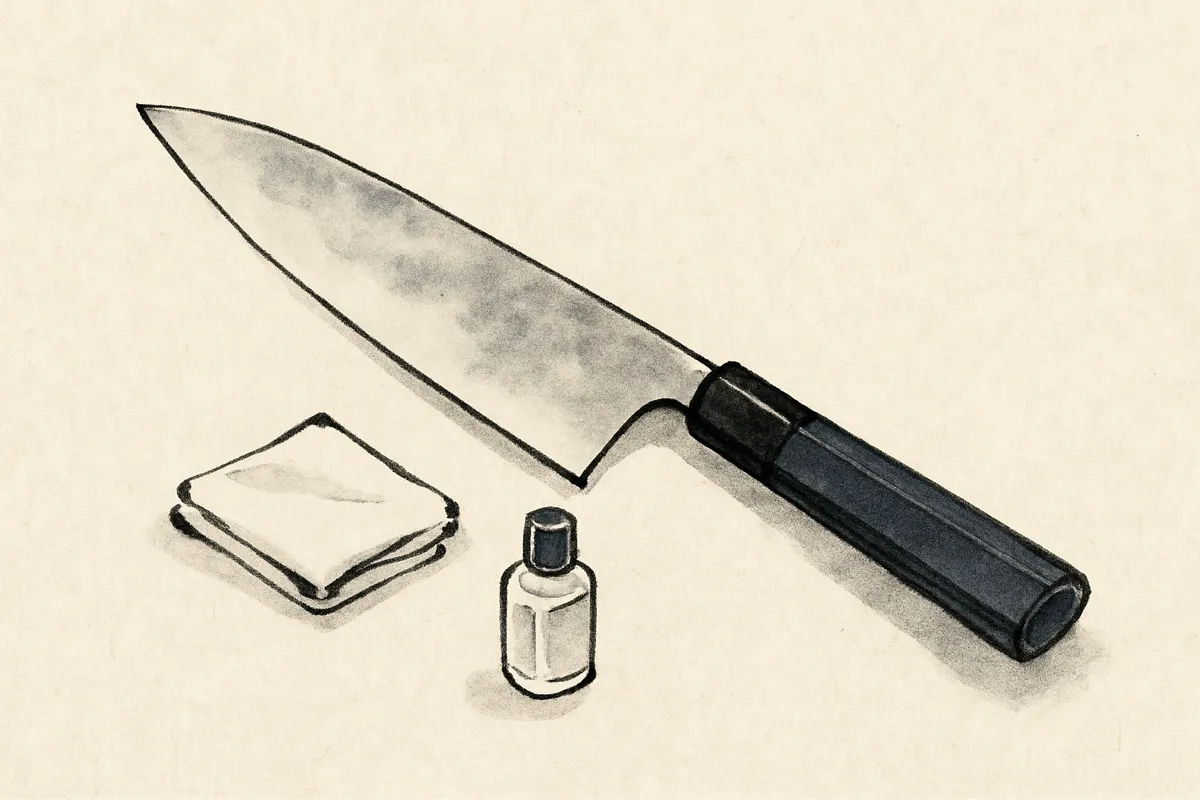
The orange spots aren't the same as the grey-black bloom, and knowing which is which is most of the job. Patina is a friend, rust is the enemy: the wash-dry rule, the taboos that ruin blades, how to oil and store, and how to remove rust once it wins.
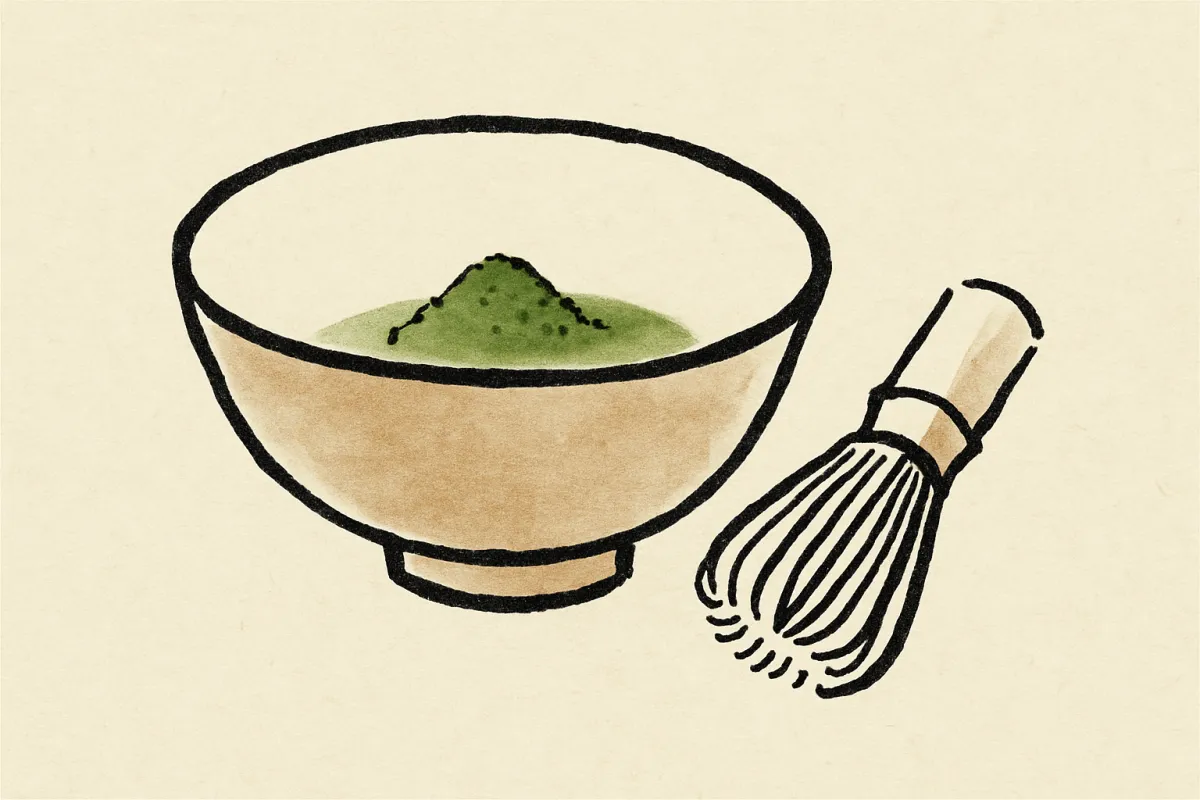
A matcha bowl is a working tool. What decides whether the whisk works: interior width (≈12–14cm), a flat-to-gently-curved floor, seasonal shape (tall in winter, shallow in summer), and whether the clay is porous and needs seasoning.
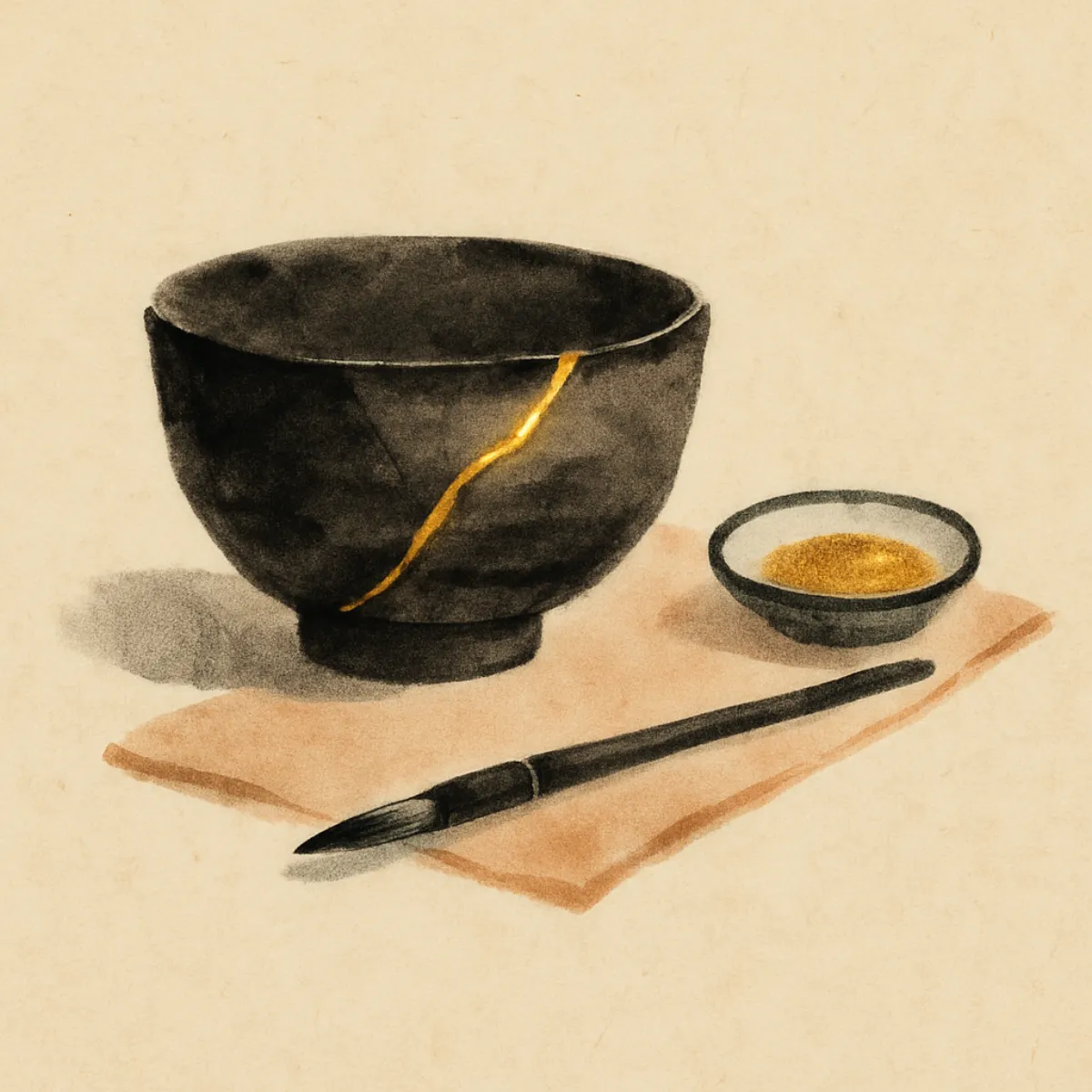
Two completely different products are sold as 'kintsugi.' One mends the break with natural urushi and real gold: food-safe, about a month. The other sets in a day with resin and gold-colored powder, and is decoration only. How to tell them apart, and how a real repair actually goes.
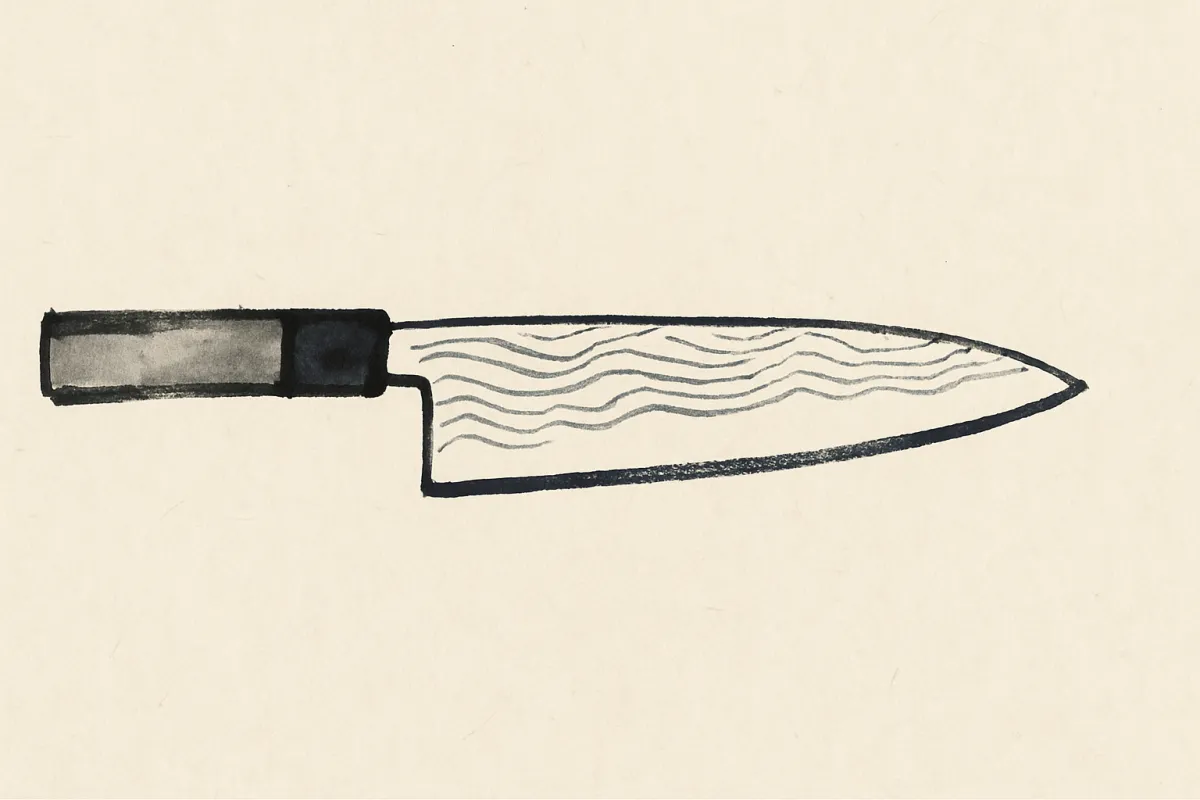
That rippling 67-layer Damascus gyuto costs double the plain one, yet the pattern sits on the cladding, and on a Japanese knife the cladding never touches the food. Separate the swirl (beauty) from the core steel (the cut), and you can read the price tag without the mystique.
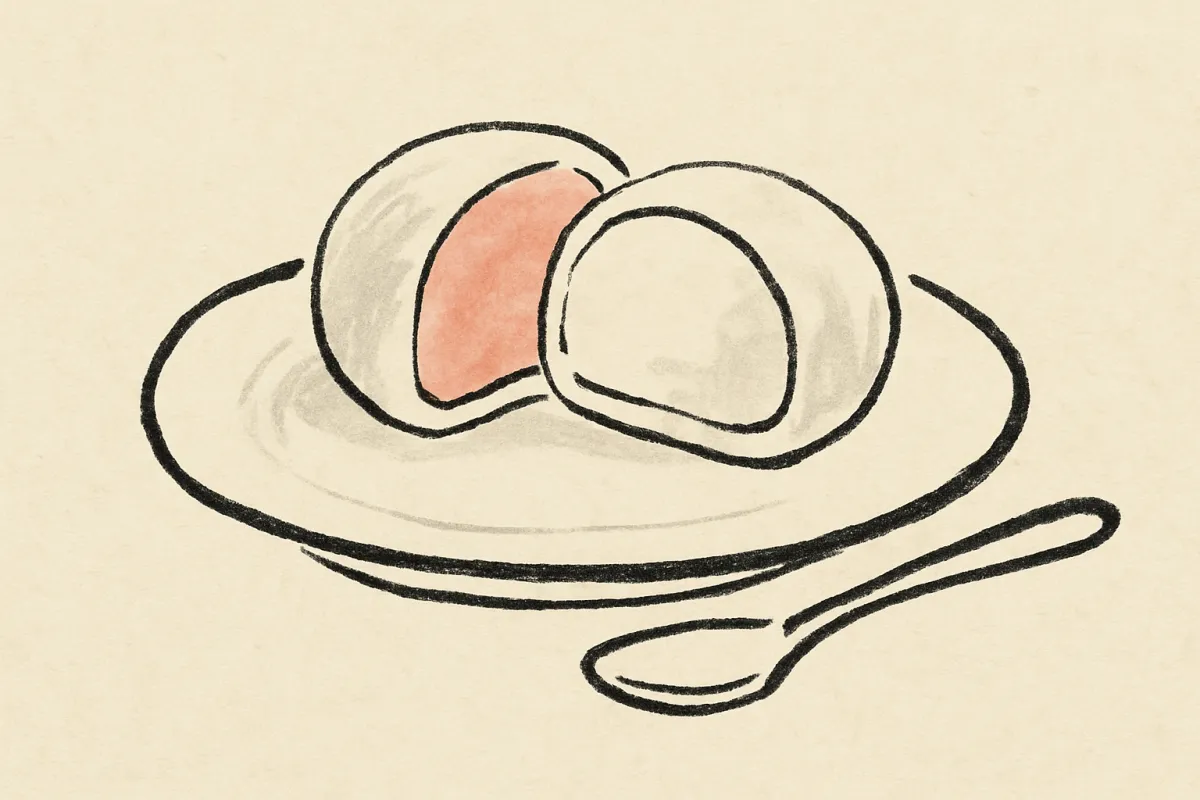
Is the mochi ice cream from Trader Joe's a real Japanese sweet or an American invention? The answer is both. Its roots are daifuku, Lotte invented the ice-cream version in Japan in 1981, and a Japanese-American named Frances Hashimoto put it in US supermarkets in 1993.
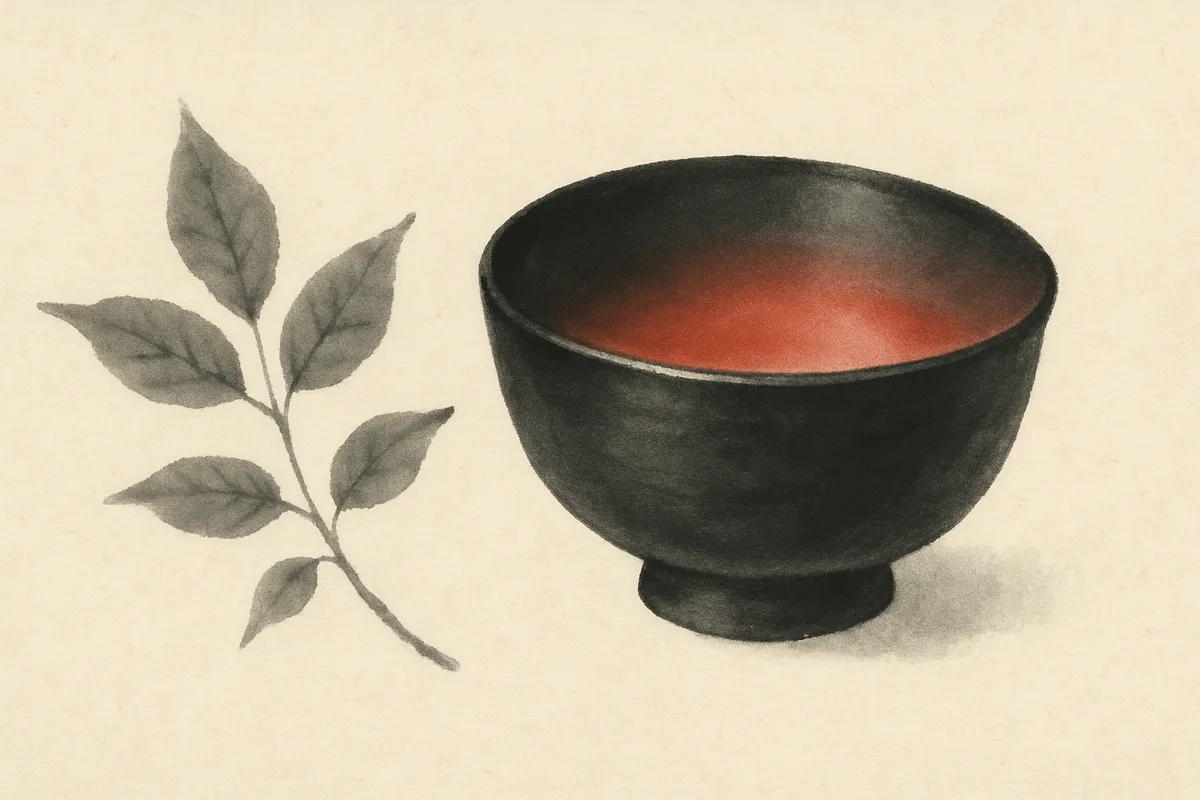
Yes, the lacquer tree is a cousin of poison ivy, and yes, they share the same rash-causing compound. But the danger lives in the raw sap, not the finished bowl. That one distinction is what matters whether you're eating from lacquerware or handling raw urushi in a kintsugi kit.
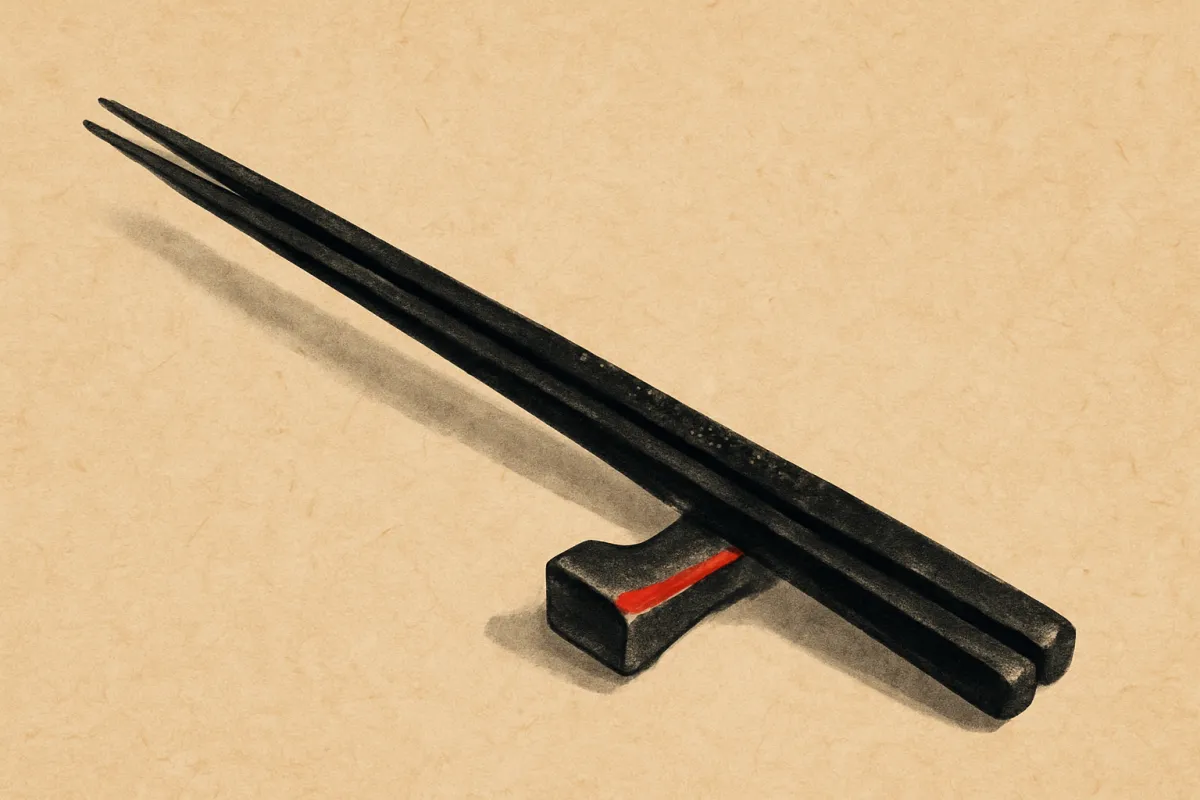
An $8 'lacquer chopstick' and a $40 Wakasa-nuri pair sit under the same word. How to size a pair to your own hand, tell real urushi from a synthetic coating, know whether lacquered chopsticks are safe to eat from, and why a pair makes the most-given gift in Japan.
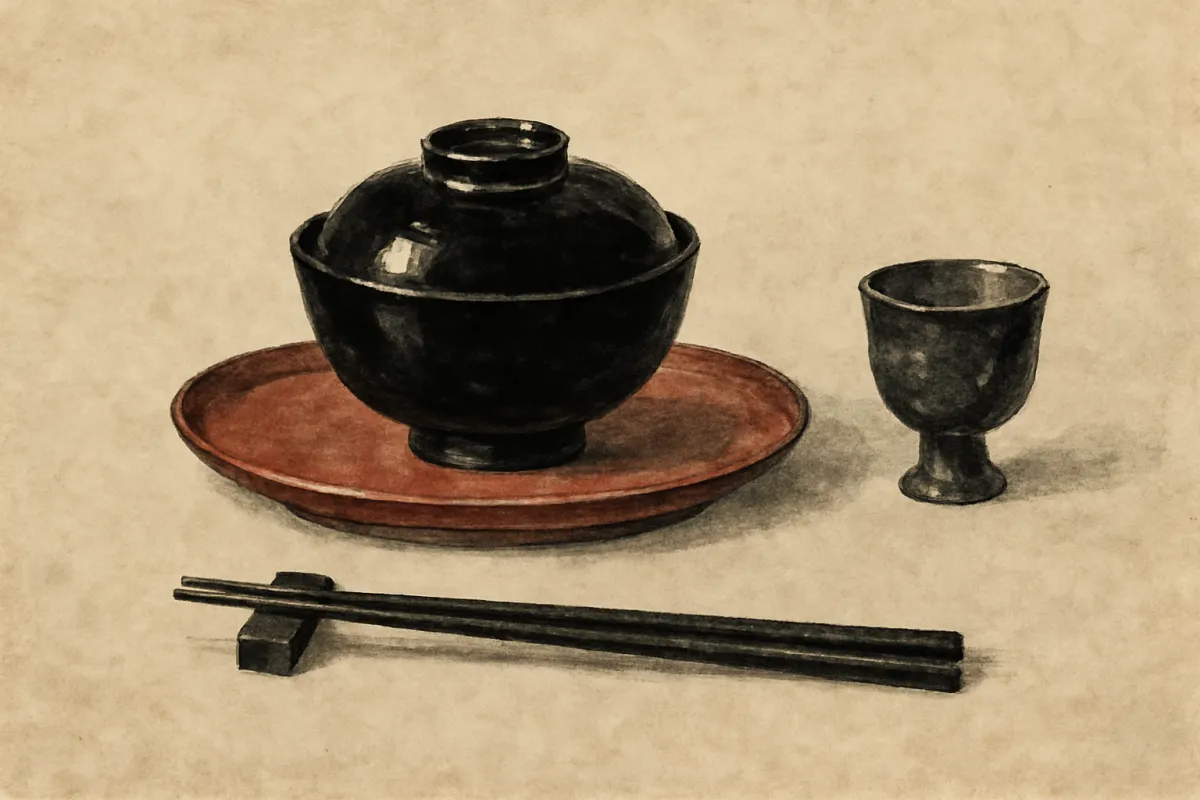
A regional map of Japan's lacquerware: why Wajima is built to last and Kishu is made to be cheap, what makes Tsugaru's mottled 'fool's lacquer' and Aizu's soft gold different, and which region makes most of the bowls you eat from.
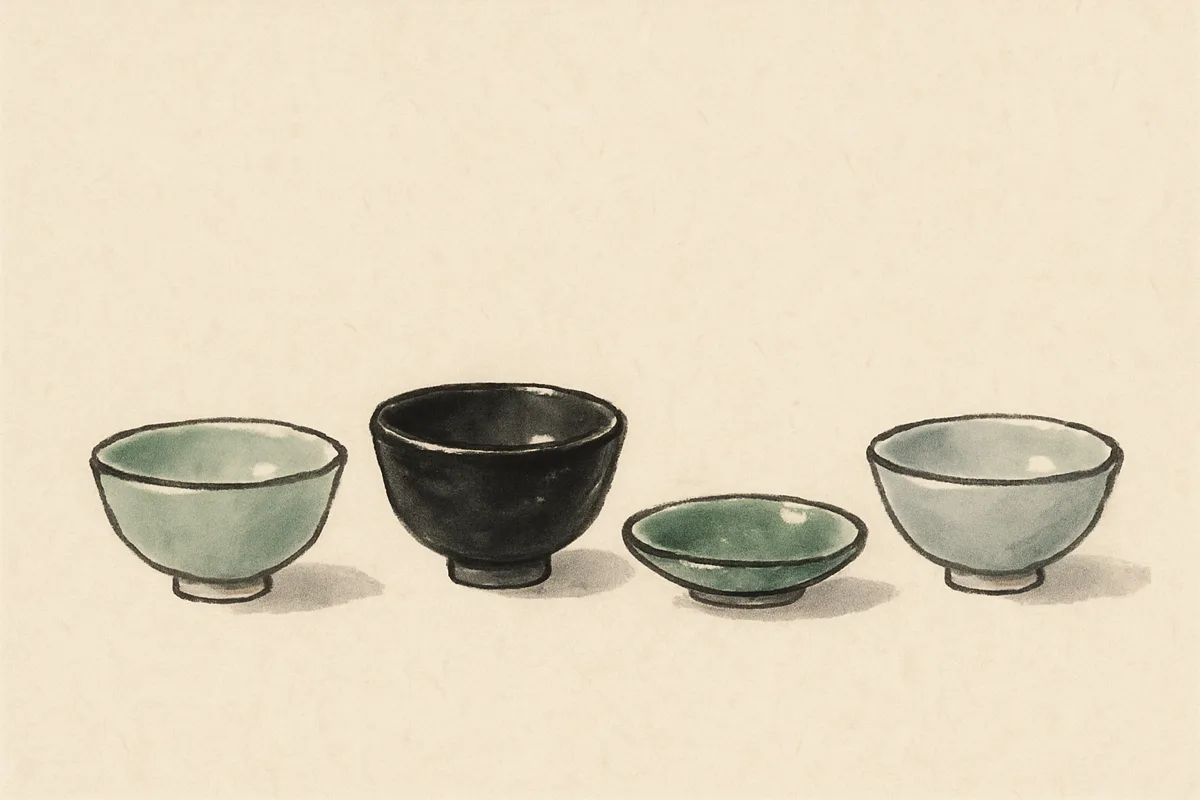
Why a celadon dish is jade-green, a tenmoku bowl is black, and an Oribe plate is green, decoded on a single grid. Almost every classic Japanese glaze turns on two things you can read off the surface: which metal colored it, and whether the kiln burned rich in oxygen or starved of it.
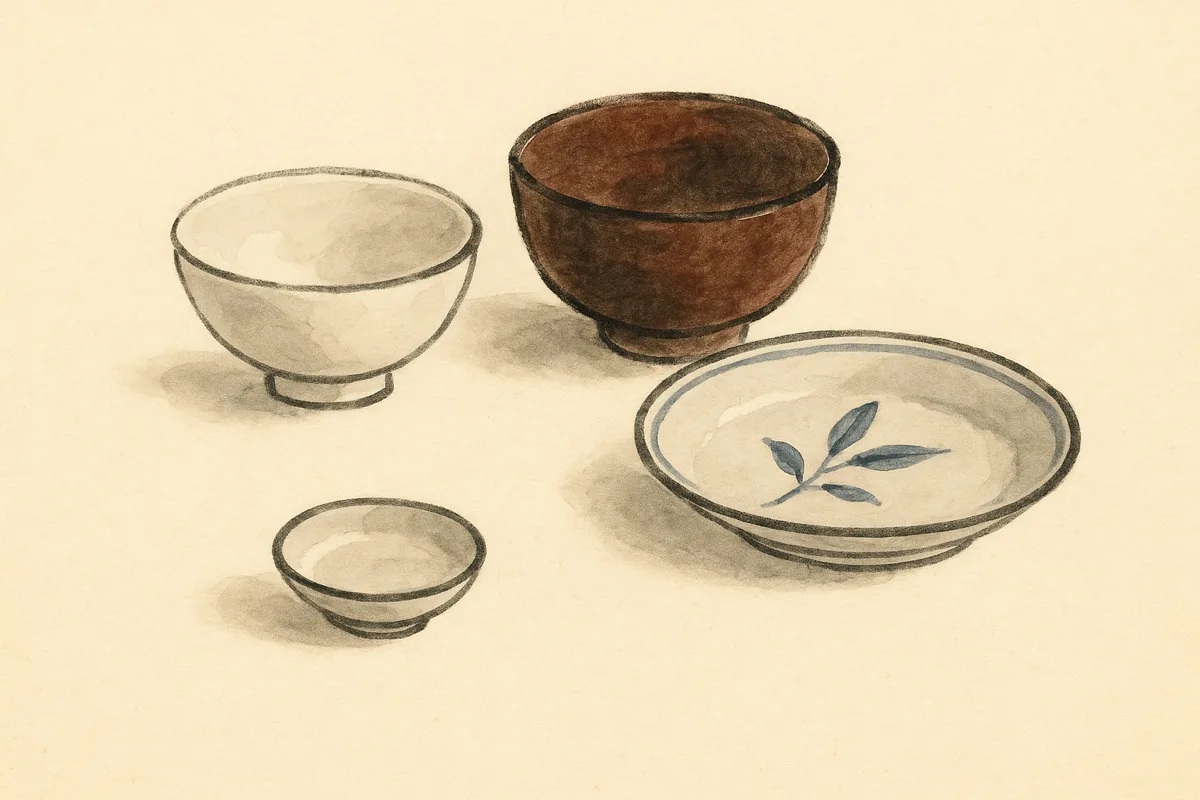
A Japanese table is not built as a matched dinner set. Here is the whole cabinet sorted by shape, size, and job: mamezara to ōzara, the rice bowl and lacquer soup bowl, the donburi, plus where each one goes on the tray and why the rice always sits on your left.
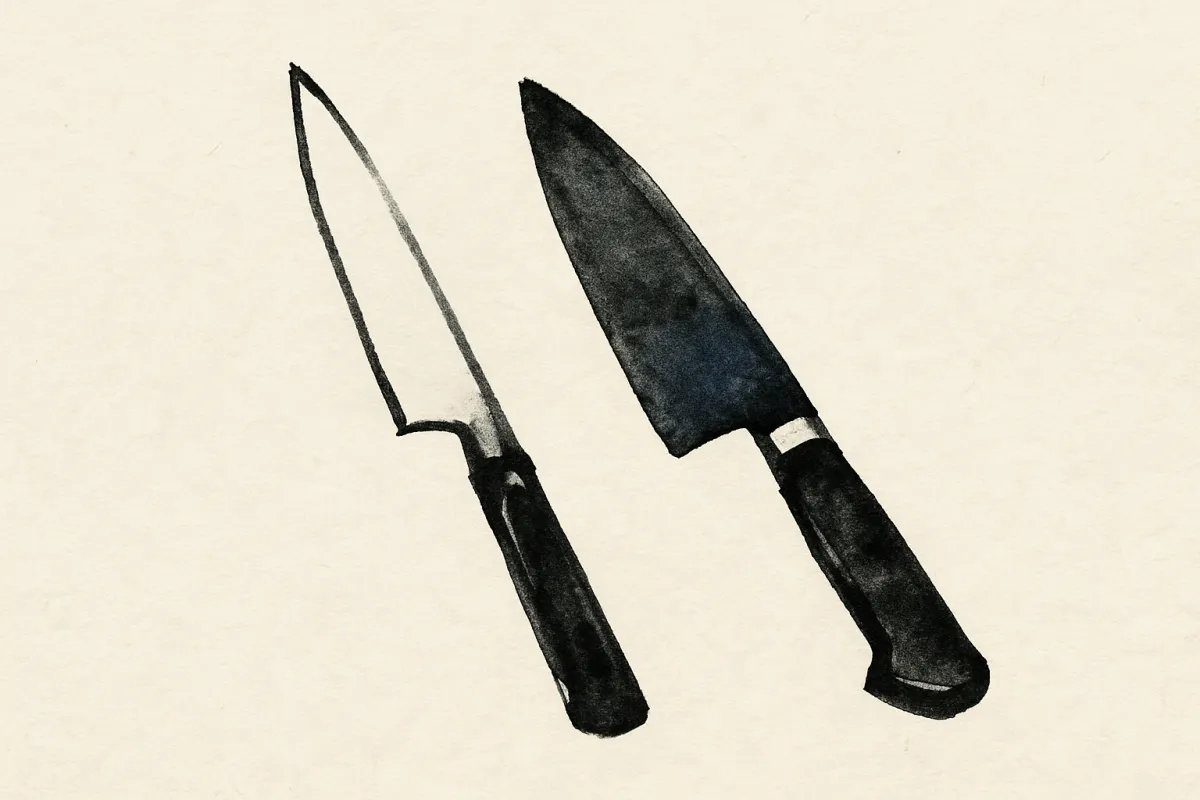
One property separates a Japanese chef's knife from a German one: how hard the steel is. Thin edges, chipping, weight, and sharpening all follow from it. This is what that hardness changes in your kitchen, who should switch, and who should keep the German knife they already own.
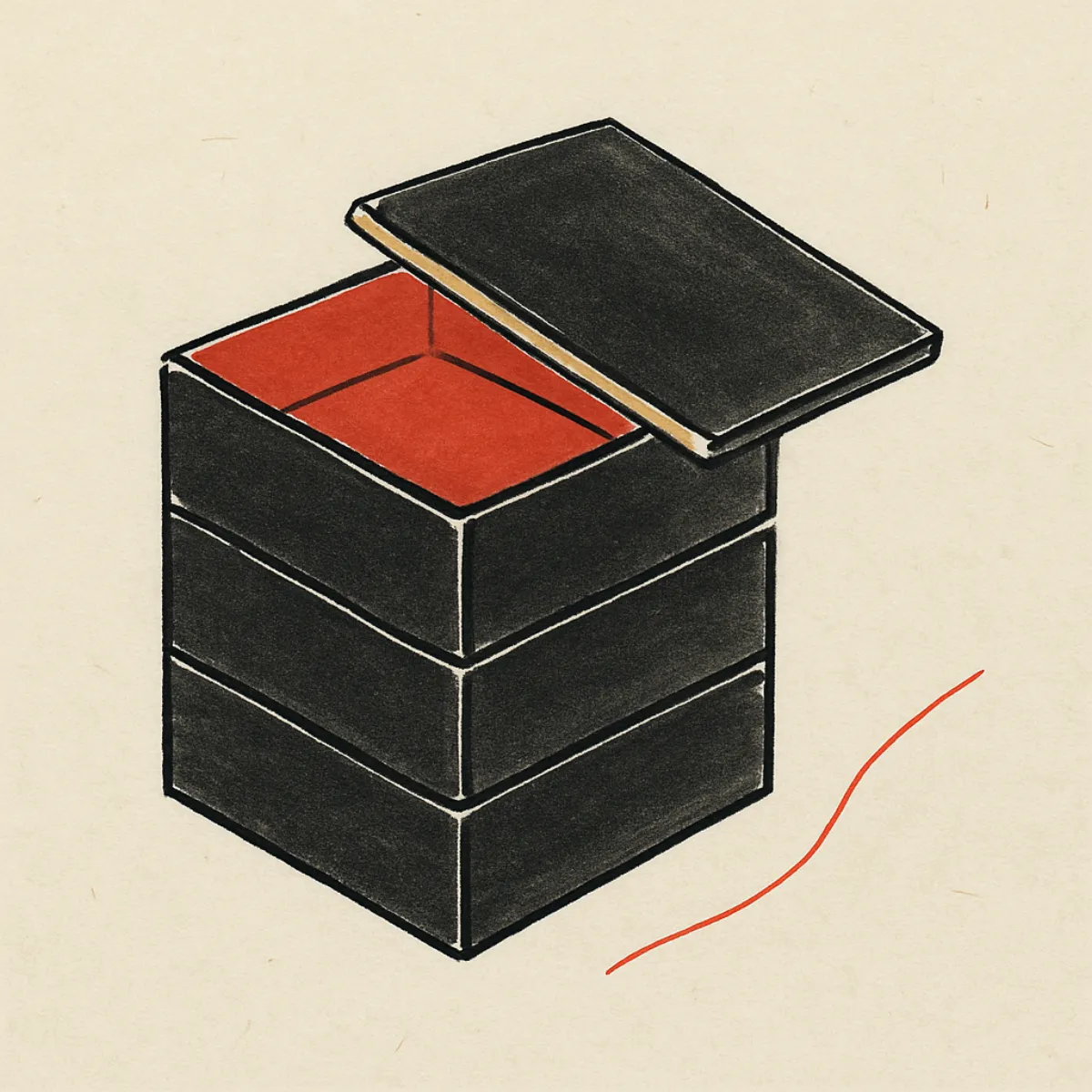
The tiered black-and-red box in every osechi photo is a jubako, and its stacking is the wish, not the packaging. Here is what the tiers mean, why the fourth one changes its name, and how to tell a real-urushi box from a resin one before you buy.
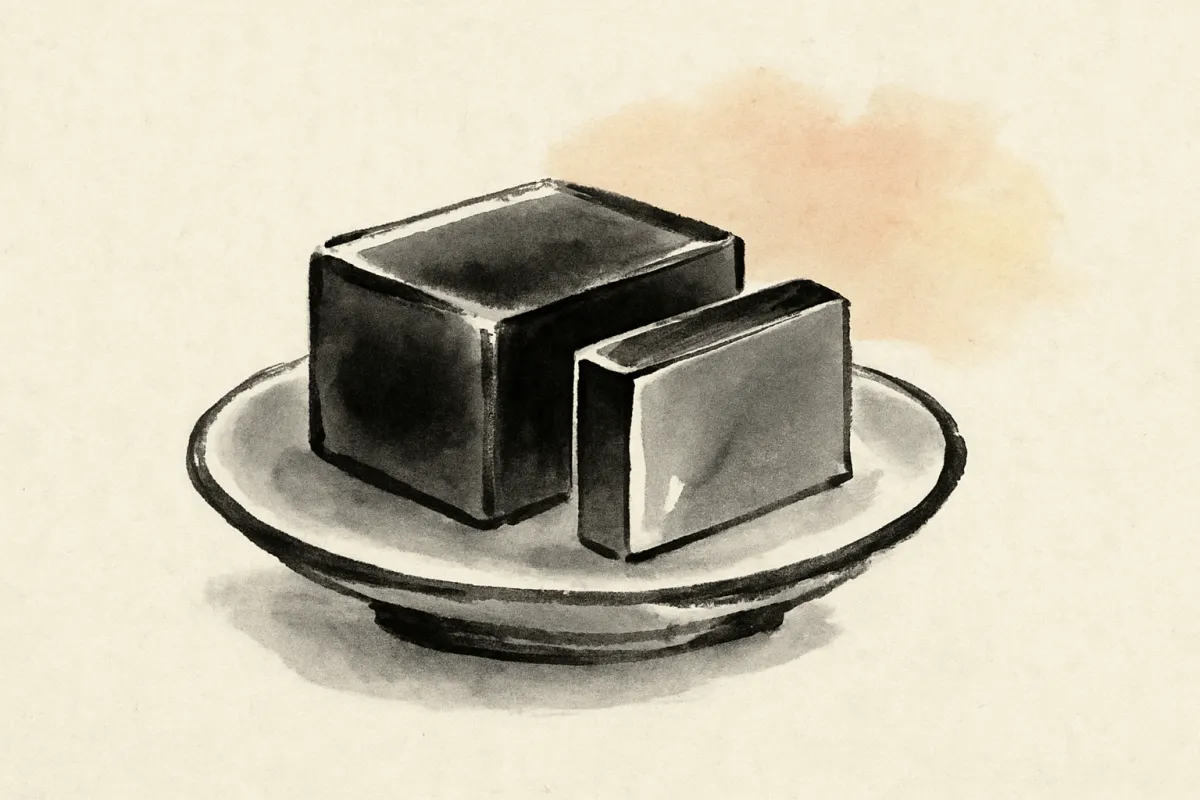
That clear, firm jelly in yōkan and anmitsu, and the 'agar agar' in your vegan recipe, is one material: kanten, a gelling agent pulled from red seaweed. What it is, why it sets firm at room temperature instead of melting like gelatin, how a thrown-out snack froze into it one Kyoto winter, and why it ended up under a microscope.
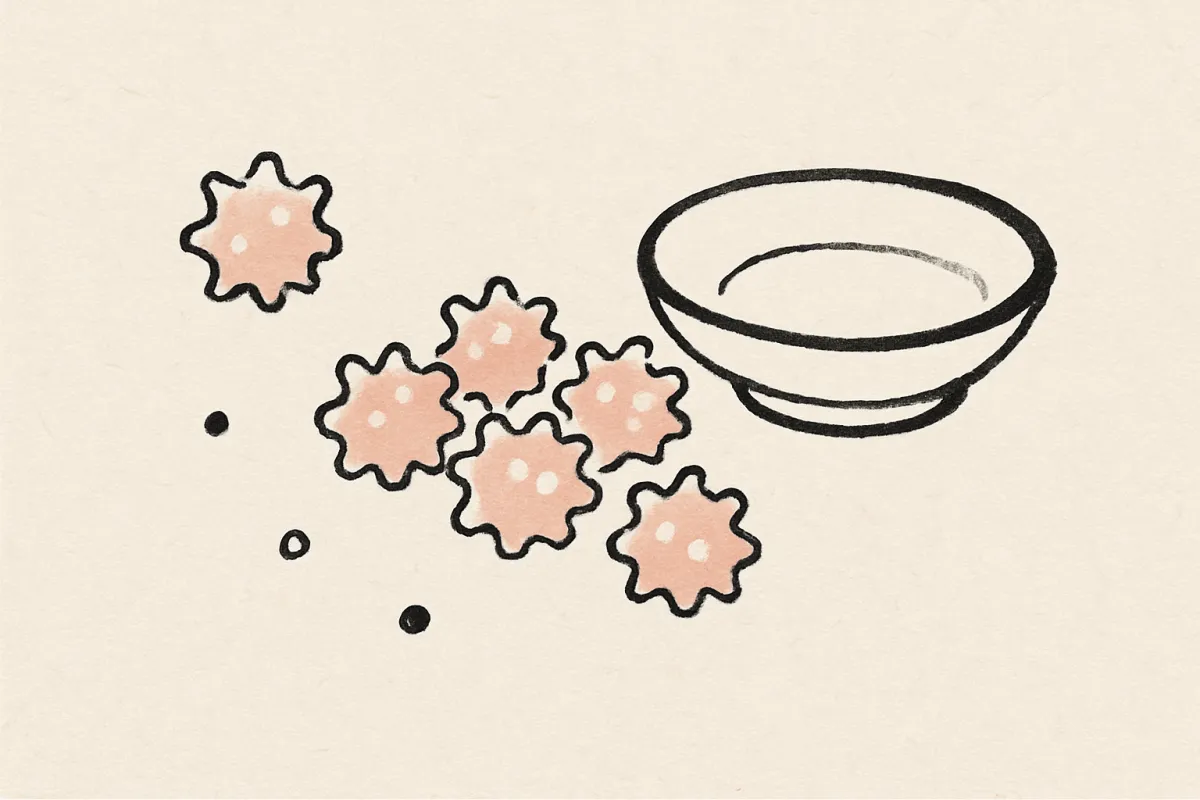
Those colorful, spiky star-shaped sugar beads the soot sprites eat in Spirited Away are konpeitō. Here's what konpeitō actually is: a 16th-century Portuguese candy whose points aren't carved but grow themselves over 7–13 days in a rotating copper drum — the same sweet the Japanese Emperor still gives in silver boxes and Japan's last specialist has made in Kyoto since 1847.
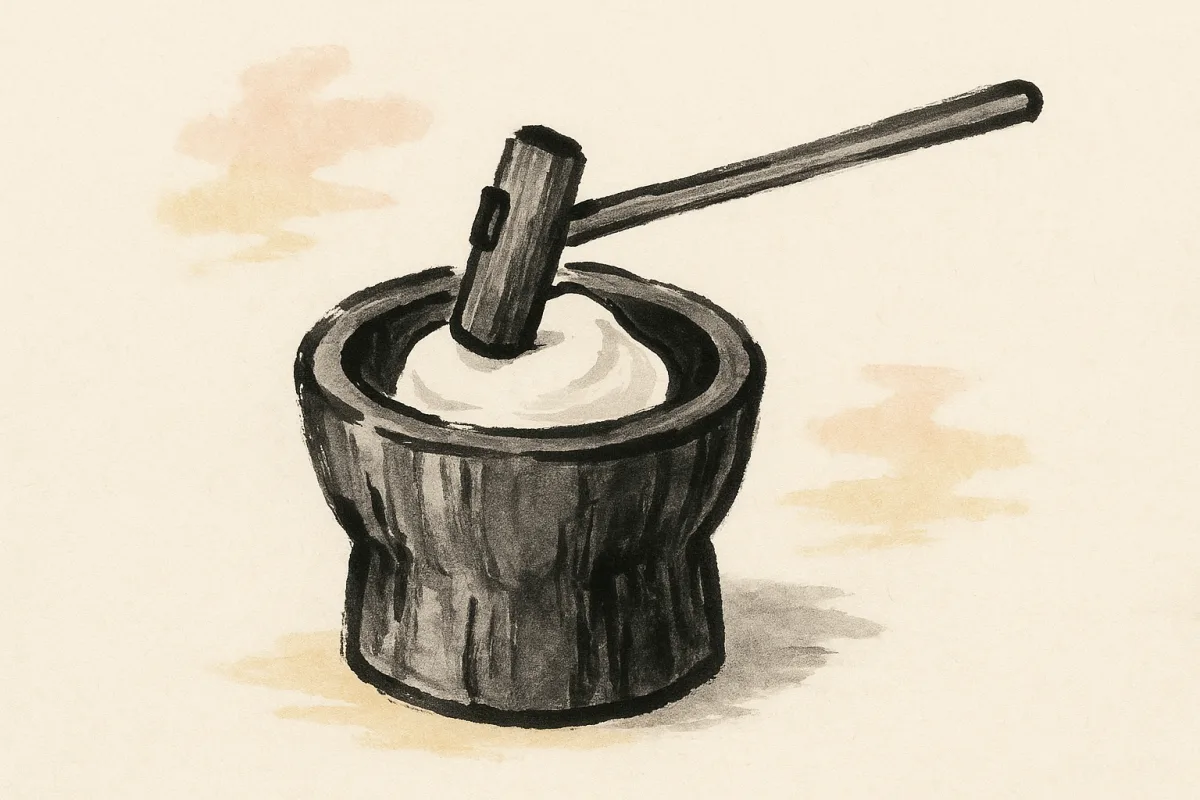
That glossy white blob that stretches into ropes is made of one thing: rice. What mochi is, the starch quirk that makes it so chewy, why it belongs to New Year, why much of what's called 'mochi' isn't pounded at all, and why it's a real choking hazard.
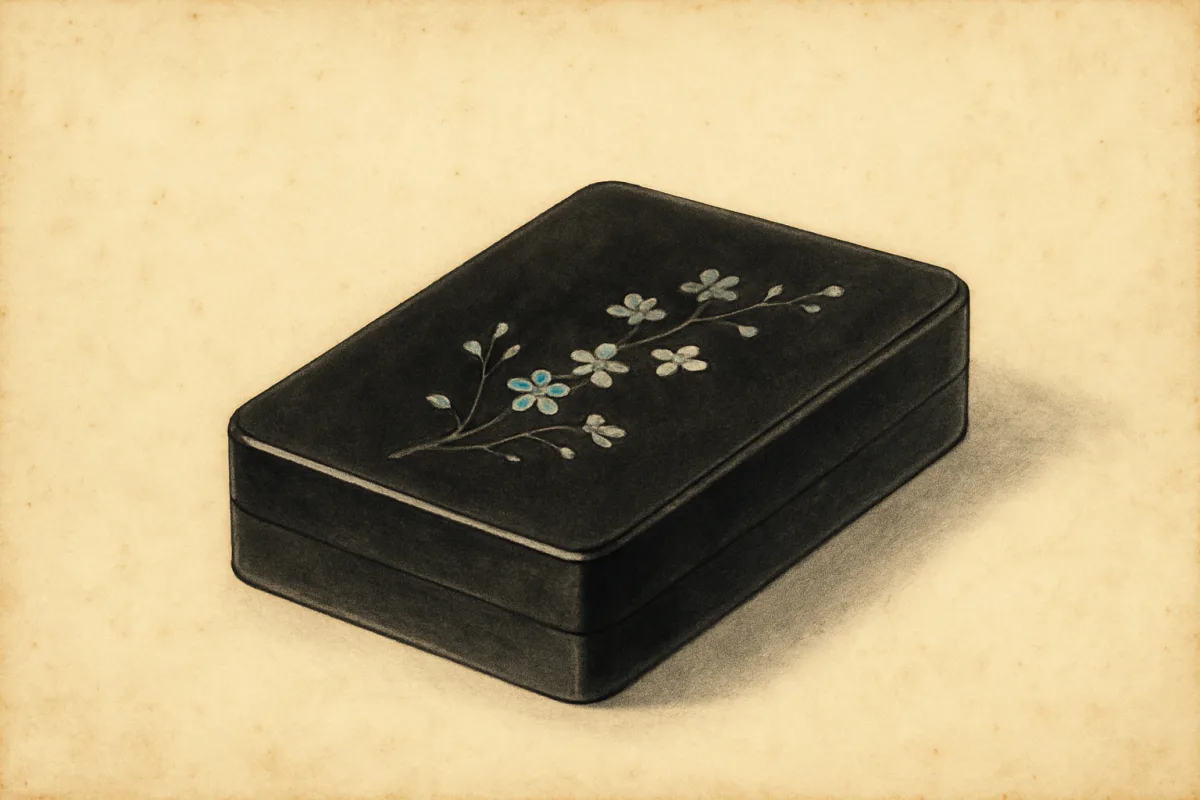
The blue-green shimmer on a raden writing box or fountain pen is not paint. It is shell, sliced to about a tenth of a millimeter and laid over black lacquer, so the dark ground shows through and the shell reads blue. This is how raden is set into lacquer, and why thin shell glows where thick shell only gleams.
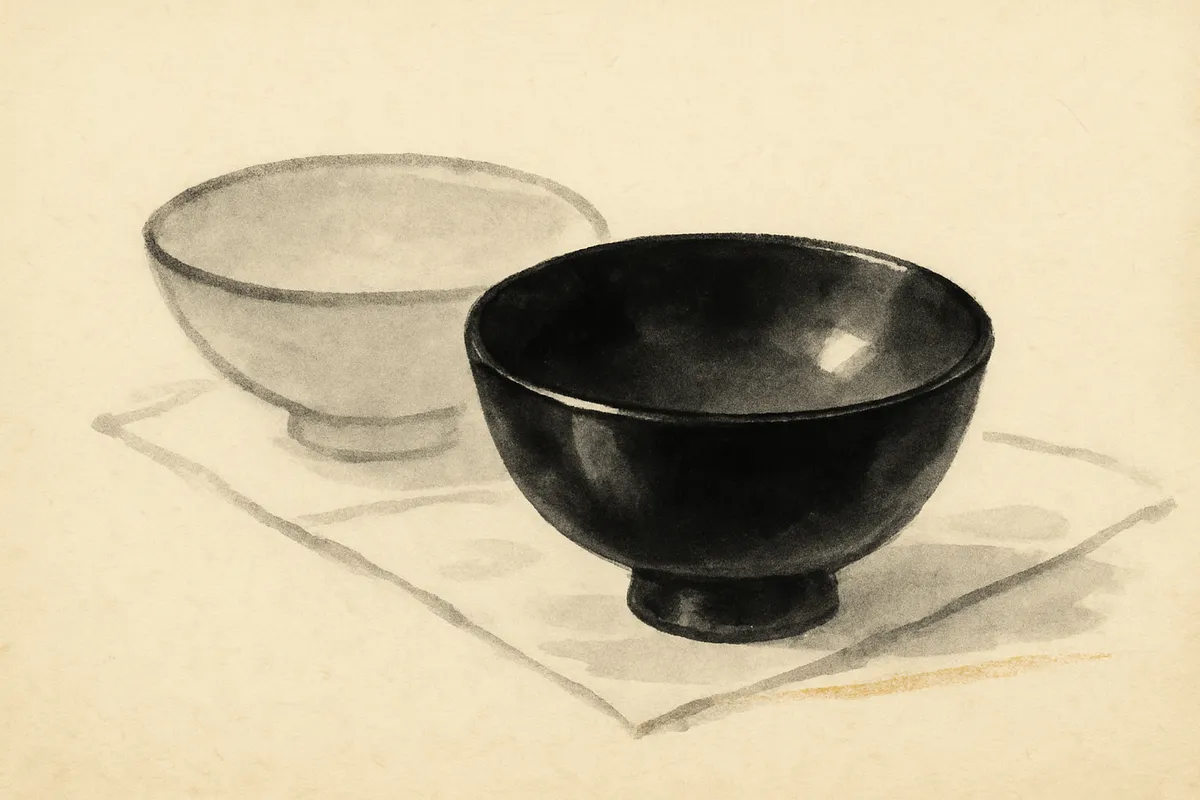
A $15 'lacquer bowl' and a $200 urushi bowl are sold under the same English word. This is how to narrow it down by feel (gloss, weight, warmth, smell), then settle it with the one objective test almost no buyer's guide mentions: Japan's legal labeling terms.
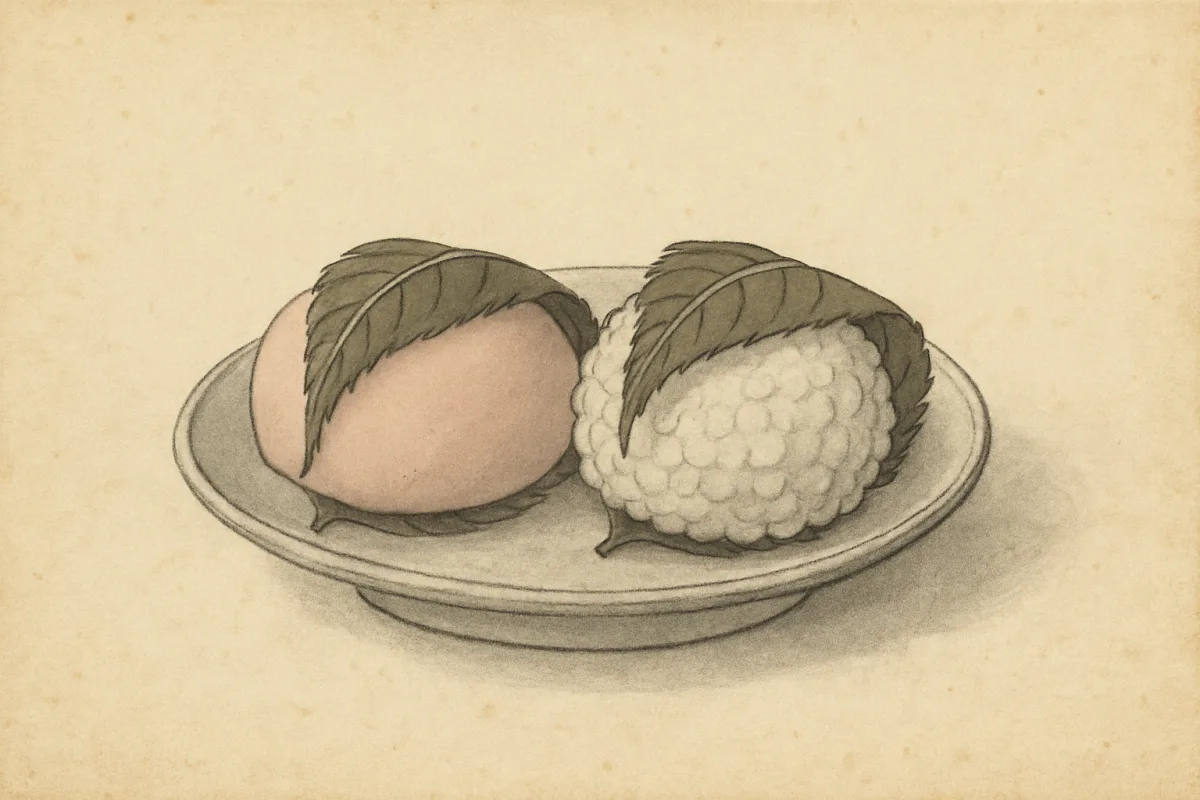
That pink, cherry-leaf-wrapped sweet at hanami is sakura mochi, though the name covers two sweets that look nothing alike: Tokyo's smooth crêpe and Osaka's grainy rice. How to tell them apart, why it's wrapped in a salted leaf, and whether you eat the leaf.
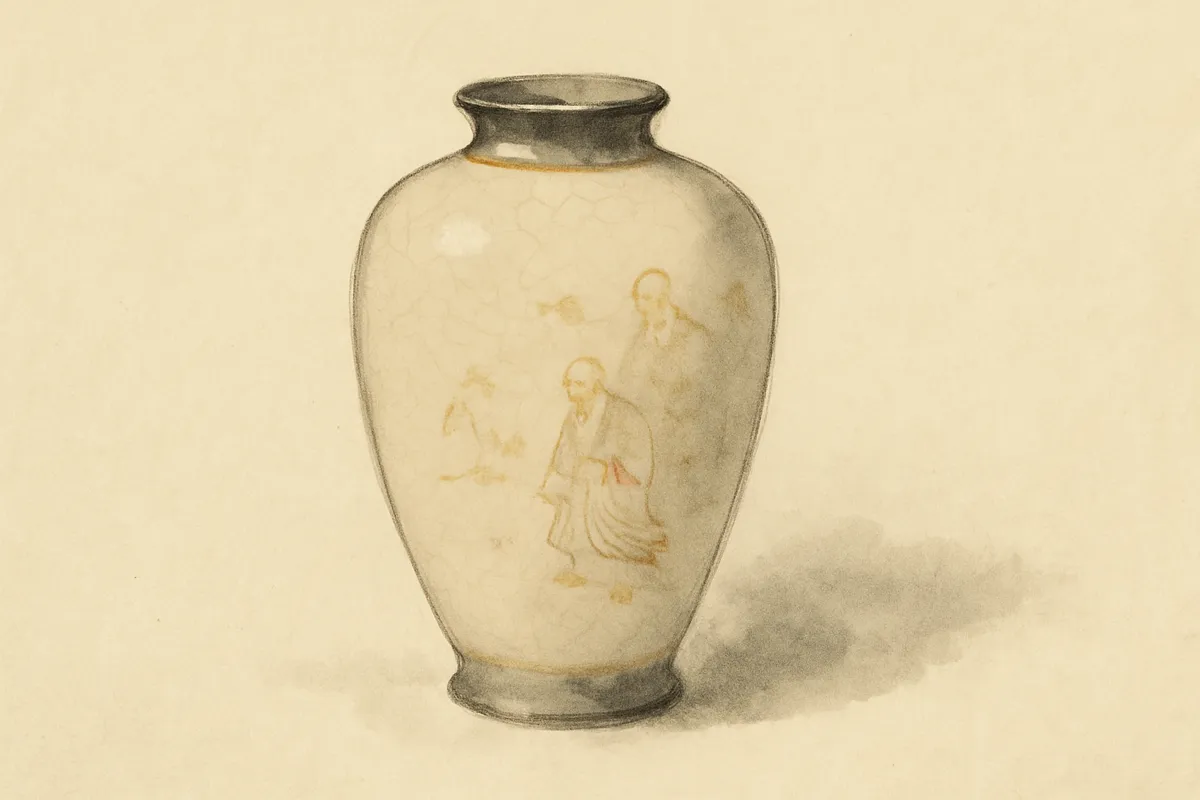
That crackled ivory vase with gold and crowded figures is Satsuma — but Satsuma is a style, not always a place, and it is earthenware, not porcelain. A collector's guide to reading a Satsuma piece: the tap test, the crazing, Kyō-Satsuma, the Shimazu crest that proves nothing, and how English lettering dates it.
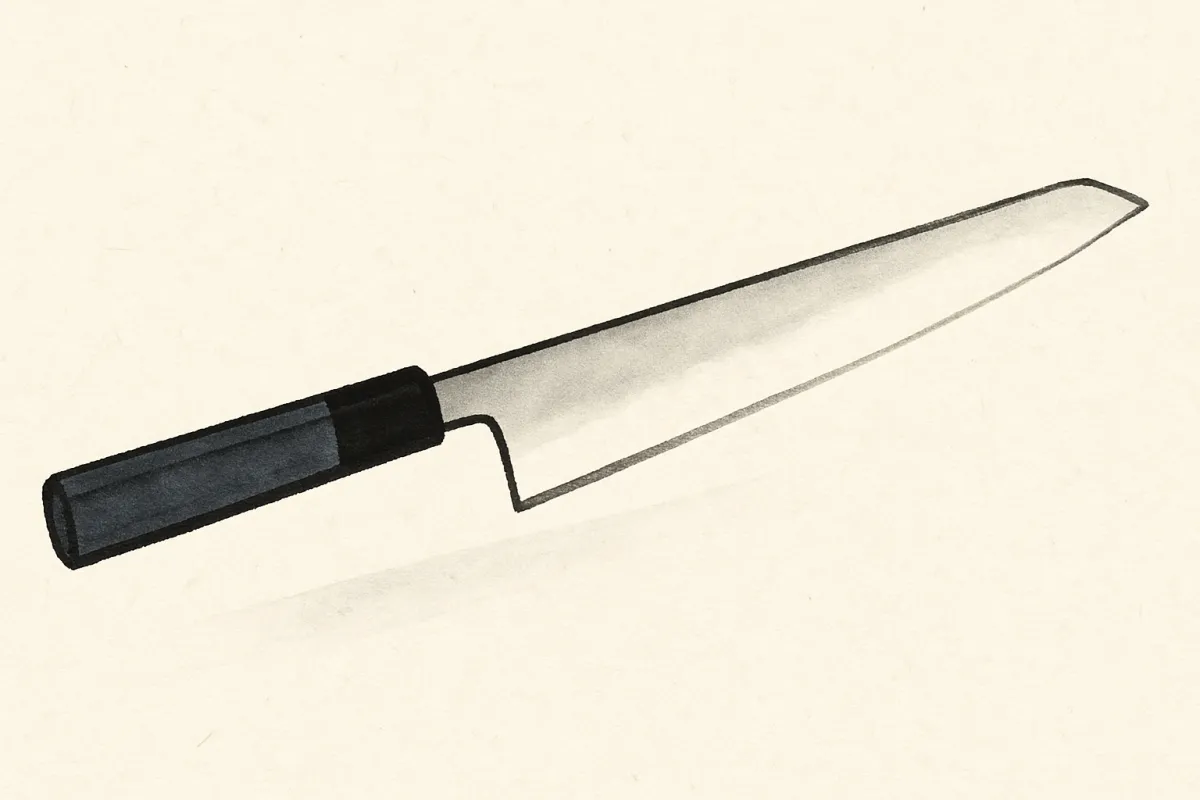
Search 'kiritsuke' and you'll find a $1,500 single-bevel status blade and a $150 K-tip gyuto sold under the same name. How to tell them apart: the traditional itamae's slicer that merges the yanagiba and usuba, versus the modern double-bevel workhorse with an angled tip, plus why the flat edge won't let you rock-chop and which one you should actually buy.
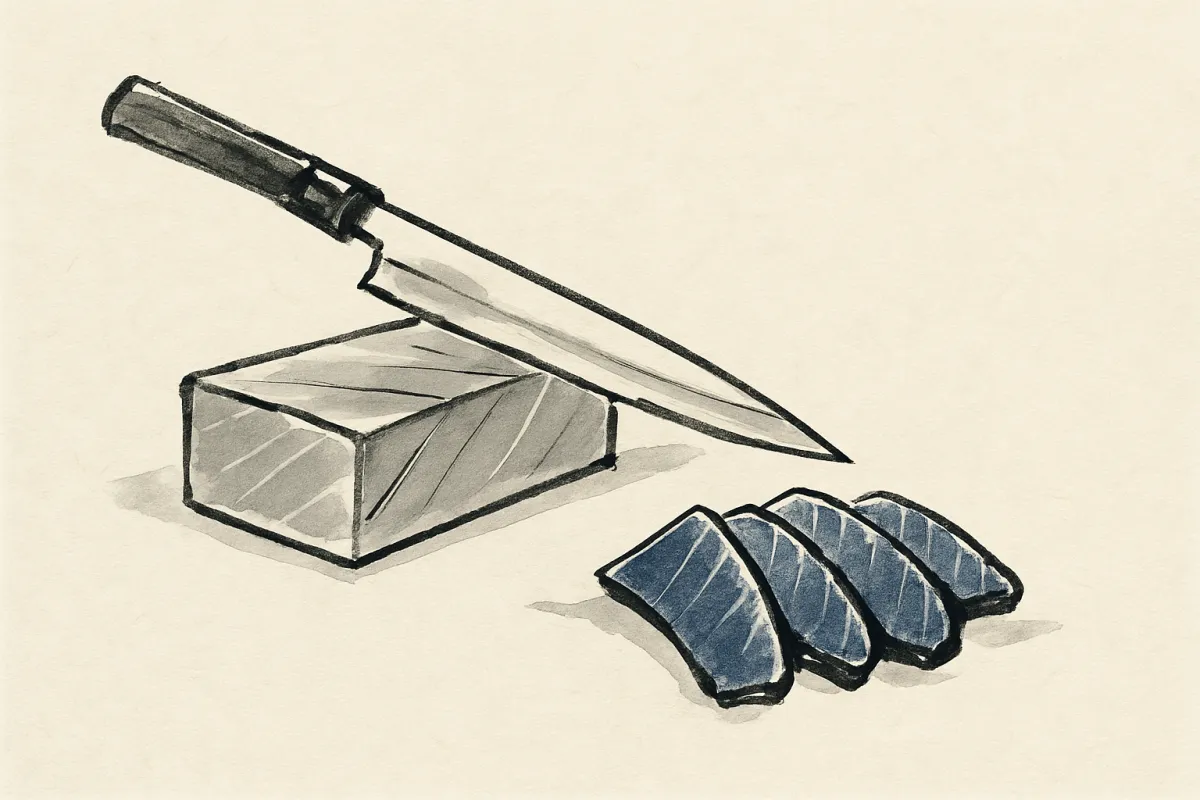
A yanagiba is a long, single-bevel slicer built for one job: turning a fish fillet into glossy sashimi in a single pull. Here is why the blade is 240–330mm long, ground on one side, and drawn toward you, plus how it splits work with the deba, the takobiki/fuguhiki cousins, and how to pick a length.
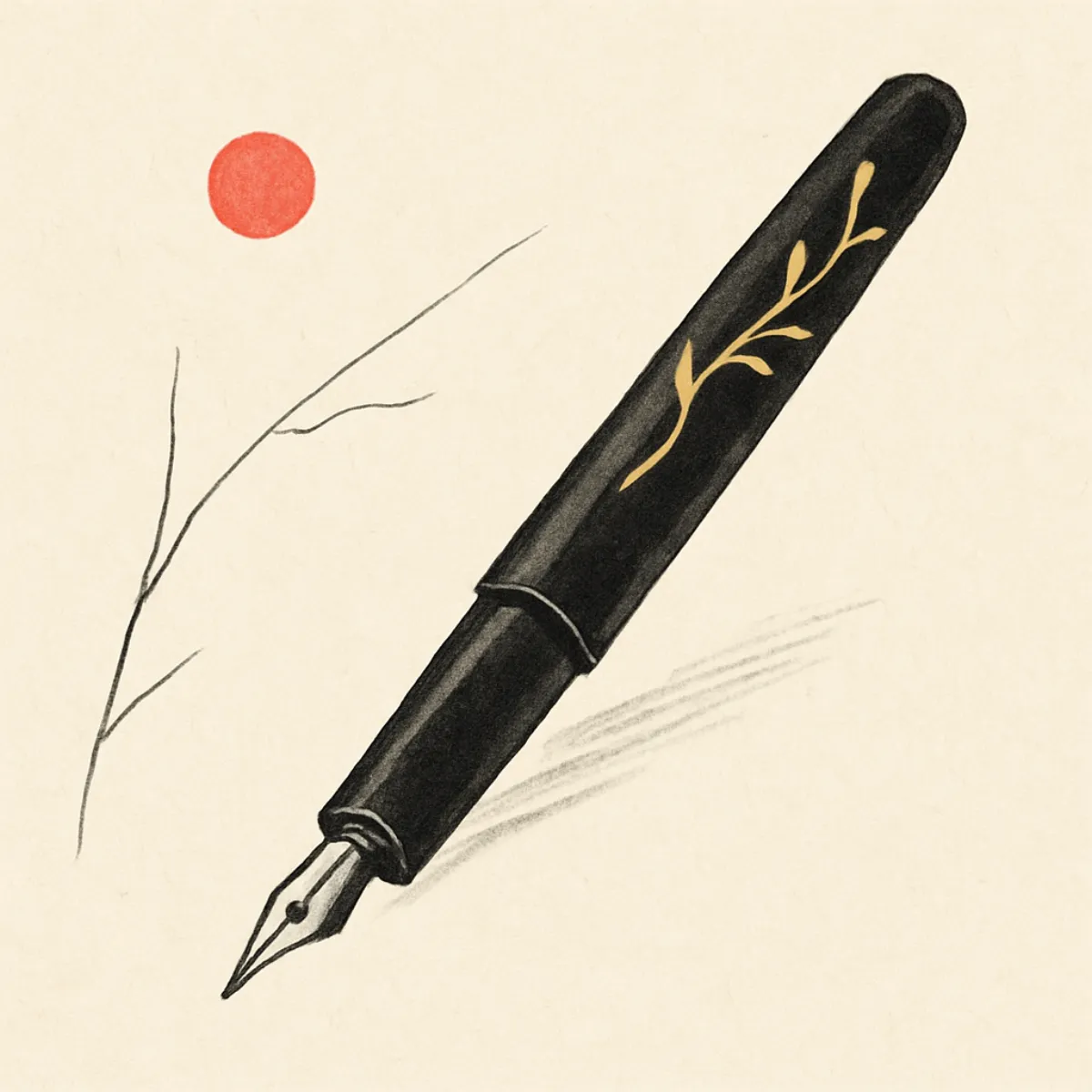
A plain black Namiki Emperor with no gold on it at all still costs $2,700. What you are actually paying for in an urushi fountain pen (the ebonite core, the months of hand-laid lacquer, the real sprinkled gold) laid out as a price ladder from a $600 Nakaya to a $19,000 maki-e, plus how to spot a printed 'maki-e' from a hand-made one.
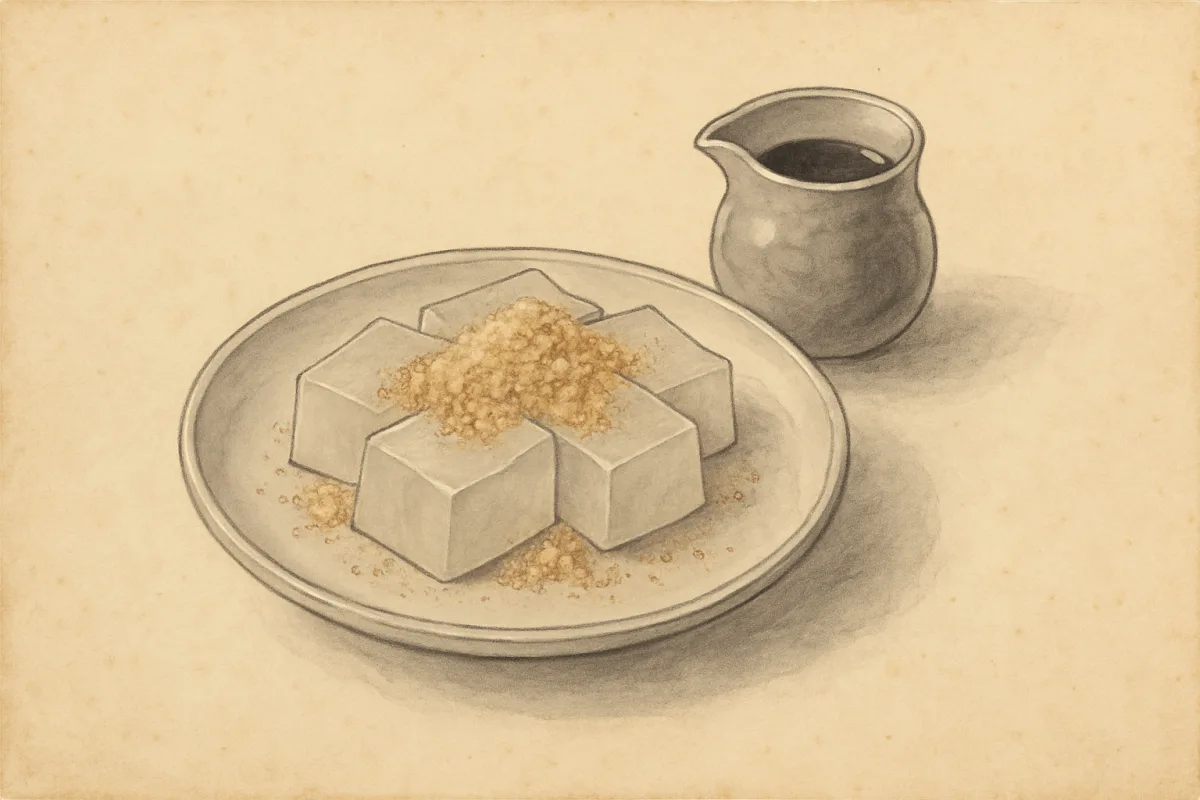
That translucent, jiggly, kinako-dusted cube you met at a summer café isn't mochi at all. There's no rice in it. It's a jelly set from warabiko, the starch of a fern root. What warabi mochi is, why it's a summer sweet, and how to tell real hon-warabiko from the cheap sweet-potato and tapioca fakes: the pure-looking clear one is usually the substitute.
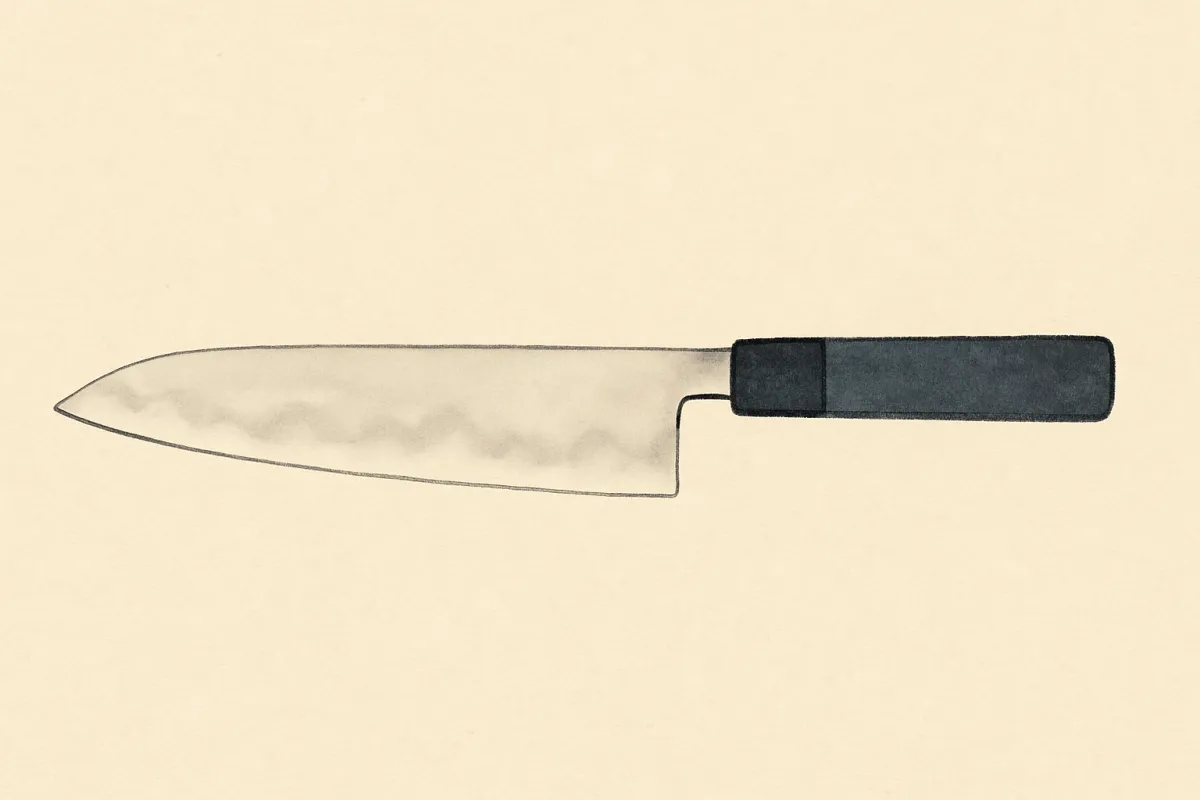
Honyaki is a knife forged from a single hard steel with no soft cladding, hardened by the same clay-and-quench method as a Japanese sword, so a wavy hamon appears at the edge. This guide covers what makes it different, why blades crack in the making, why one costs thousands, and whether you should ever buy one over a clad kasumi knife.
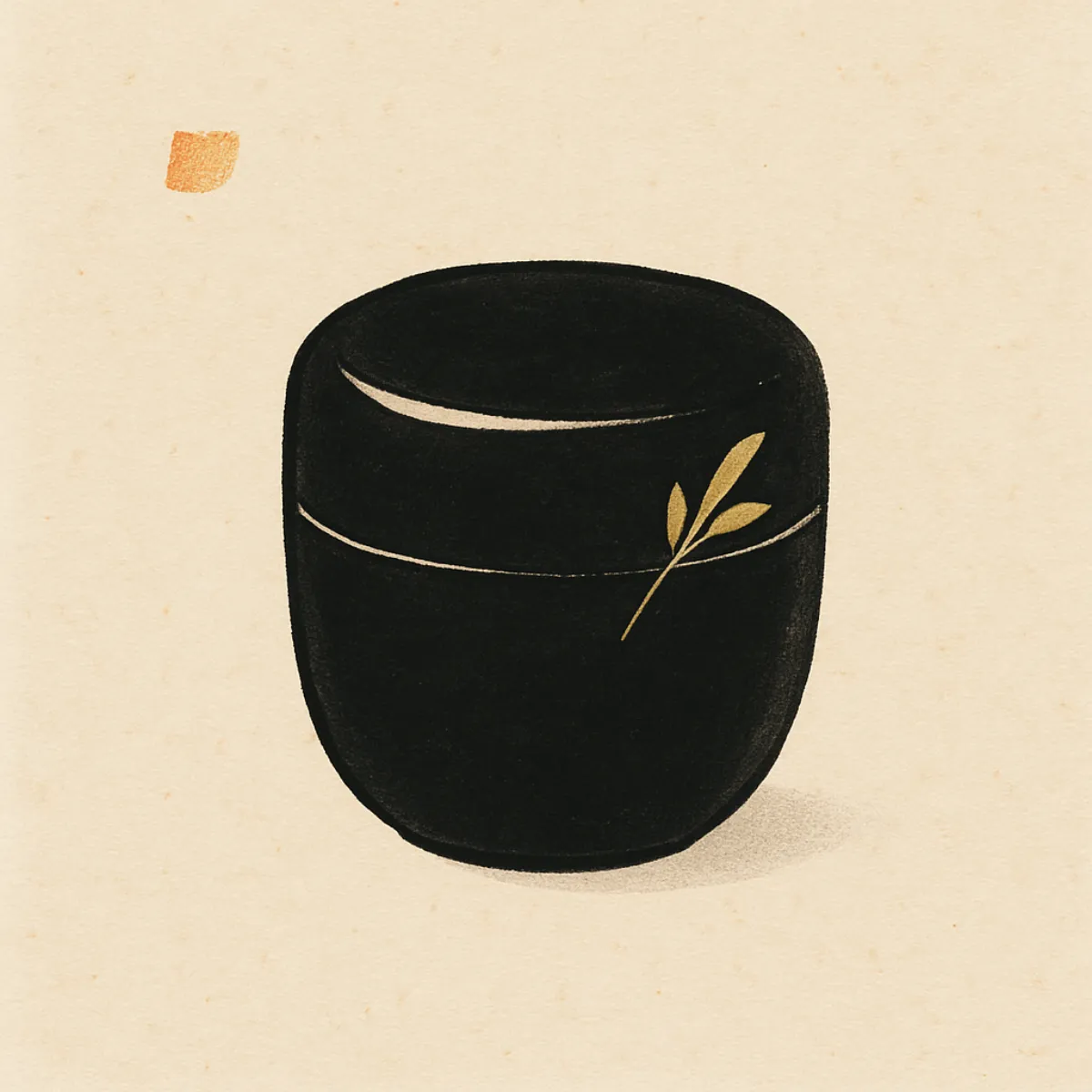
The small black lidded caddy that holds matcha for thin tea is a natsume: turned wood under urushi lacquer. What it is, how it differs from the ceramic chaire, why plain black outranks gold, and why you should not store matcha in it.
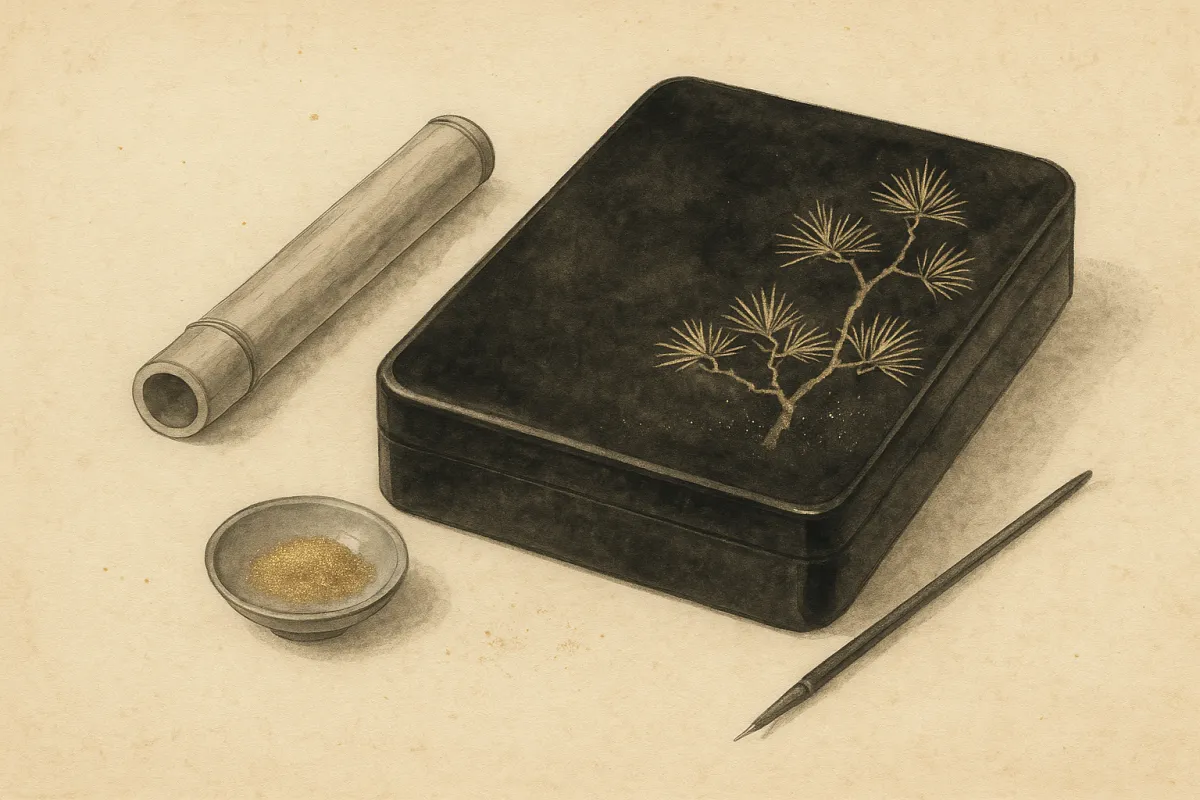
Maki-e means 'sprinkled picture,' and that is exactly how it works: gold is scattered onto wet lacquer, not mixed into it. This explains how the gold gets onto the surface, how to tell hira, taka and togidashi apart, and how to read hand-sprinkled real gold from a printed underlayer.
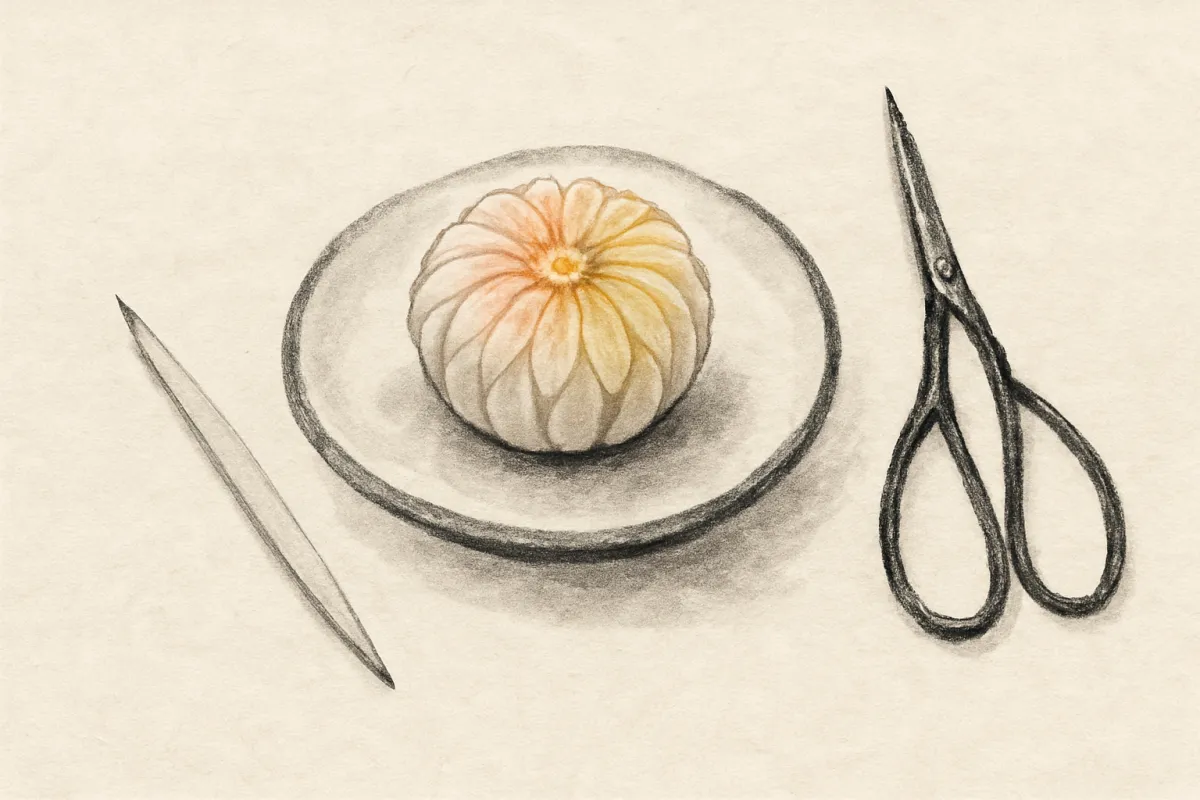
The tiny sculpted flower beside your matcha is nerikiri — a hand-shaped fresh sweet made not from red bean but from white-bean paste and a binder. What it is, why plain bean paste can't hold a shape, why 'kneaded and cut' is literal, its steamed Kyoto twin konashi, the poem hidden in its name, and why Japan made the whole craft a protected cultural property in 2022.
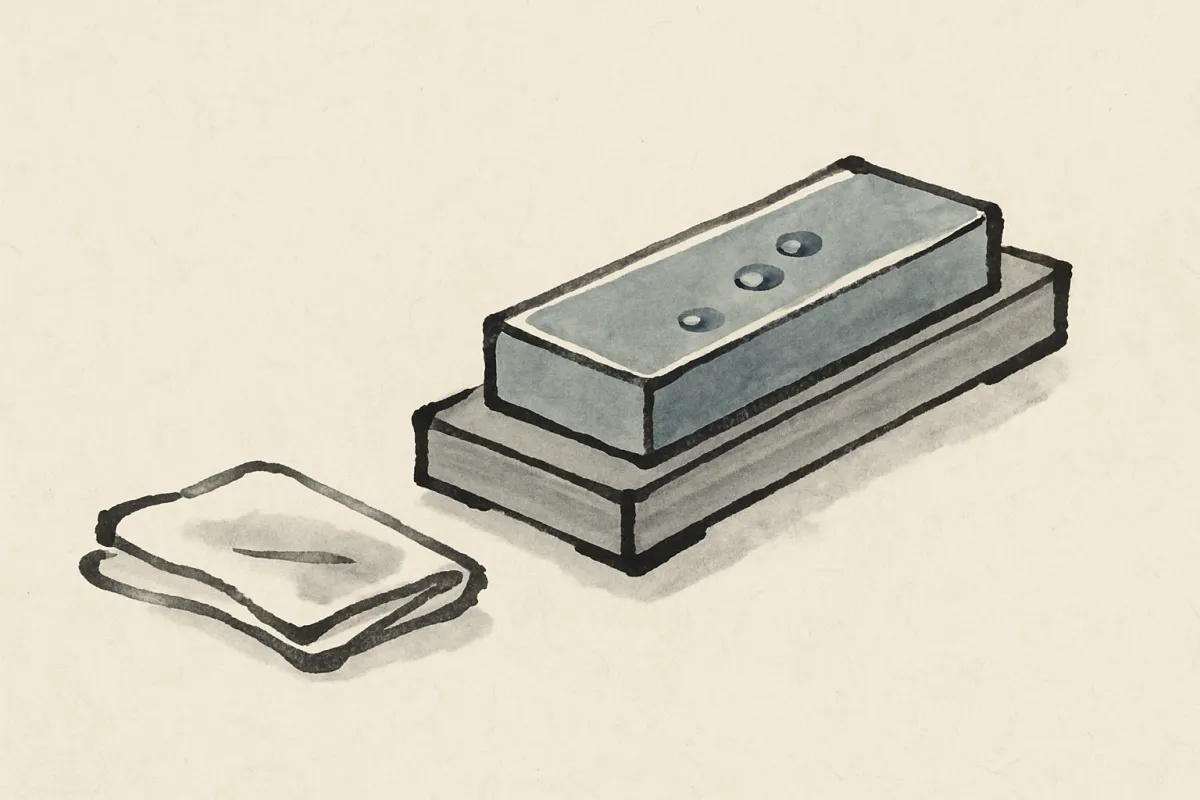
The catalog runs from #120 to #12000 and it's paralyzing. But grit number just maps to a job: coarse repairs chips, medium re-sharpens, fine polishes. Why one #1000 stone does 90% of home sharpening, what the #1000/#6000 combo adds, and why you also have to keep the stone flat.
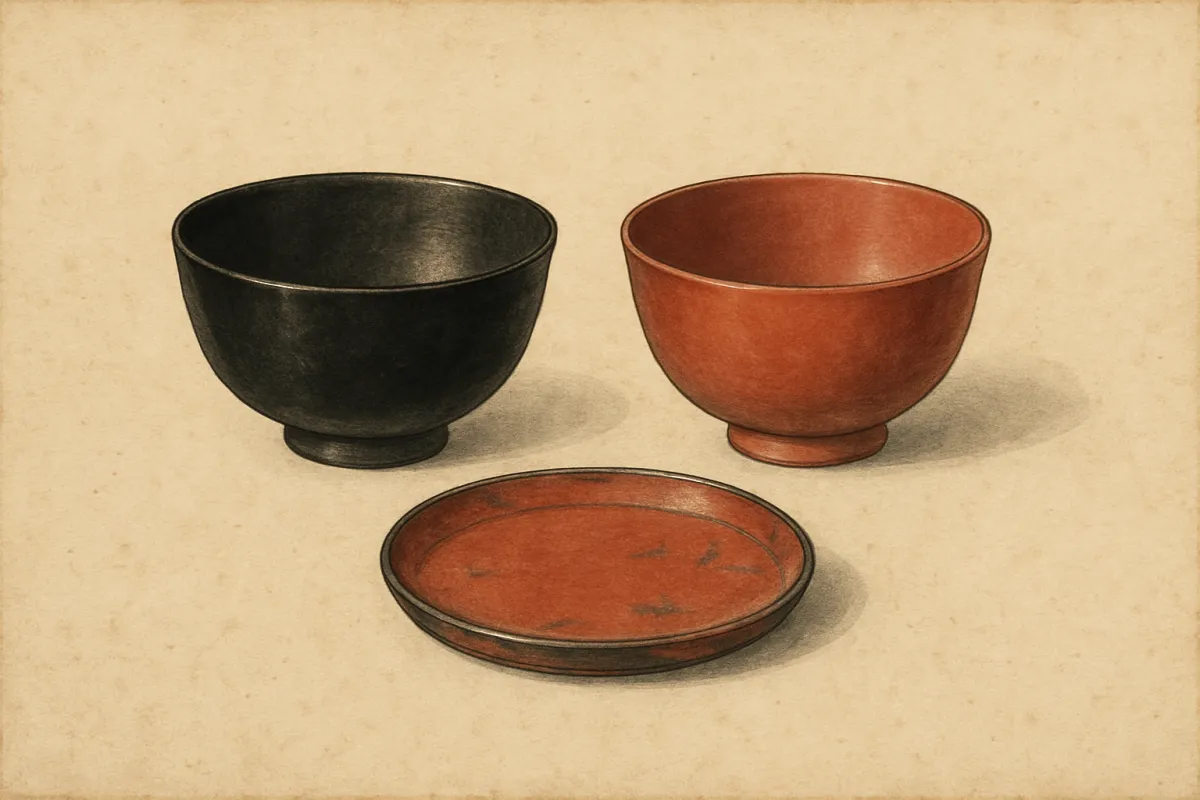
Raw urushi is neither red nor black. It is a honey-colored, translucent sap. The two iconic lacquer colors are a matter of chemistry and history, not taste: black is iron reacting with the sap, red comes from cinnabar or iron oxide, and for centuries those were nearly the only colors that worked.
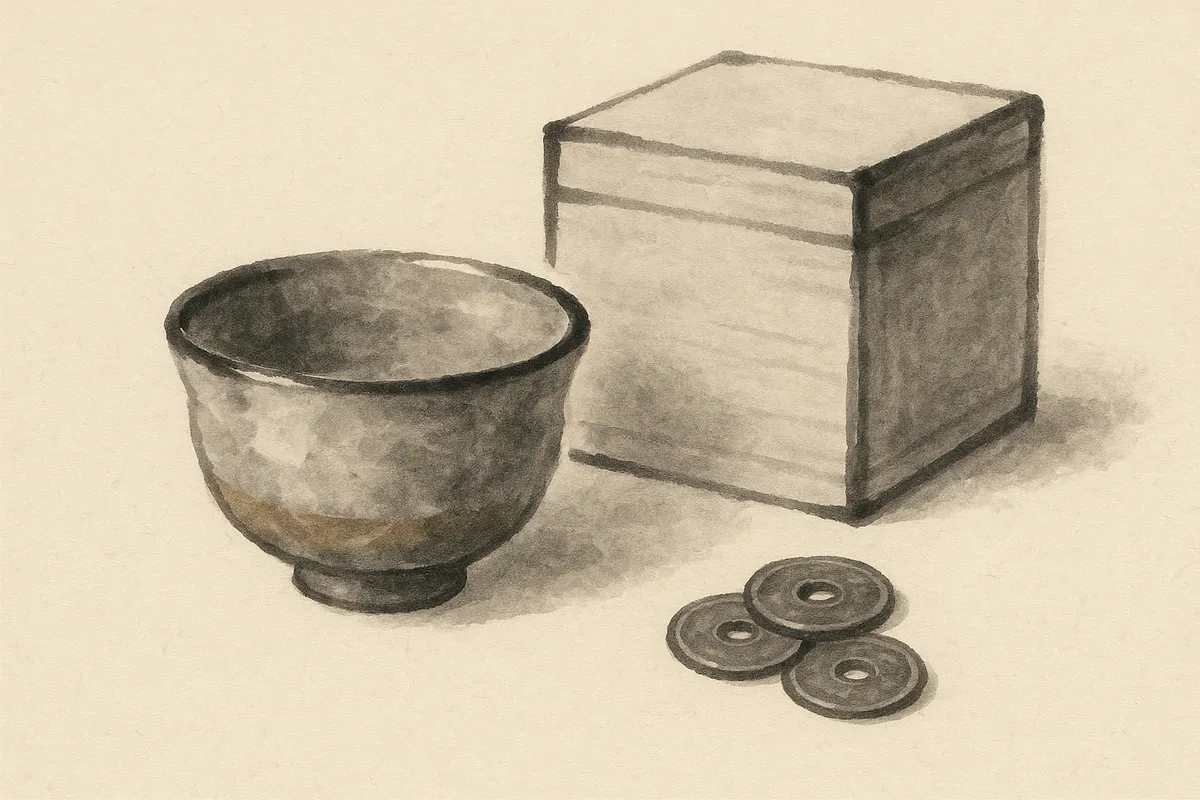
A maker's tea bowl can cost tens of thousands of yen while a near-identical mass-market cup costs a few dollars. This guide breaks the price into five honest parts: the hours of handwork, the kiln loss on a one-of-a-kind piece, the name on the box, the stone in the clay, and the tea culture that made vessels into art, plus what not to overpay for.
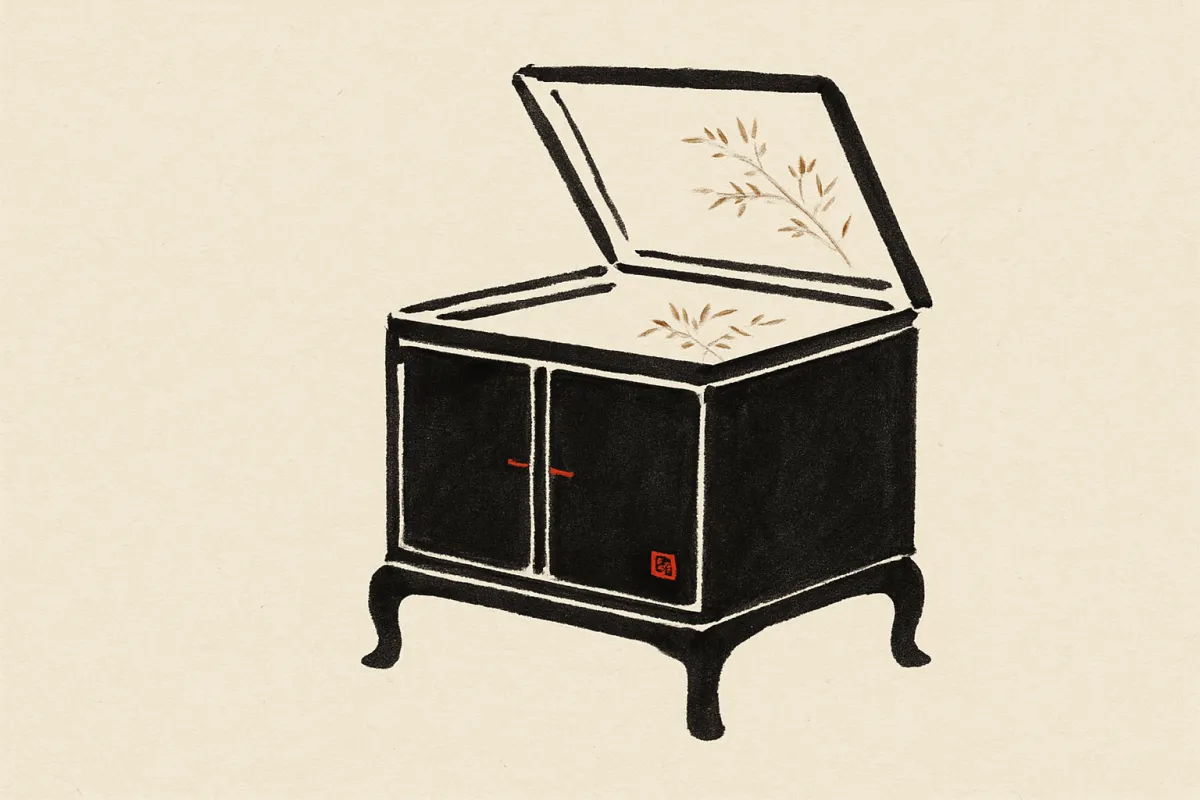
In English, porcelain became "china" and lacquer became "japan": twin fossils of the same 17th-century shopping craze. Here is how a country's name turned into a material, why Europe faked it with shellac instead of real urushi, and what actually separates Japanese lacquer from Chinese.
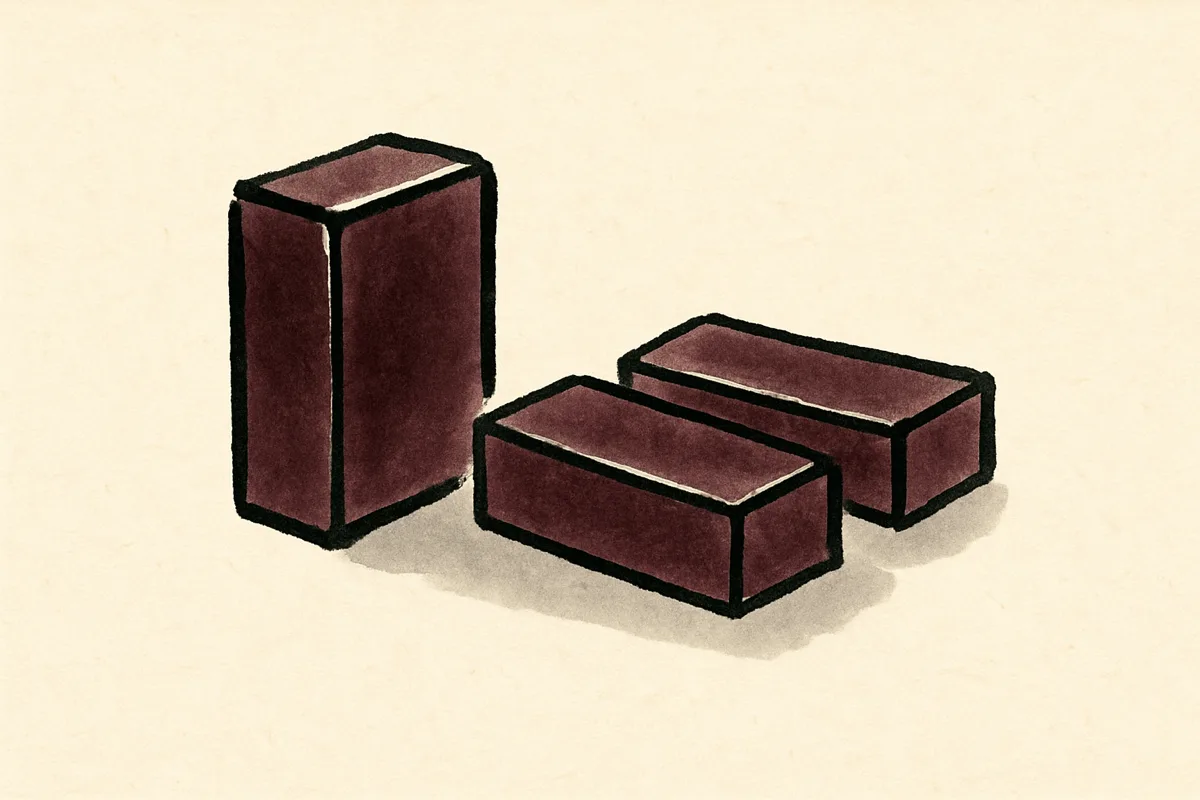
That firm, sliceable block of sweet bean jelly at a tea table or in a souvenir box is yokan — anko set with agar and a lot of sugar. Here's what it is: the difference between neri and mizu and mushi, why it keeps for years unopened, and how it became emergency food and JAXA-certified space food.
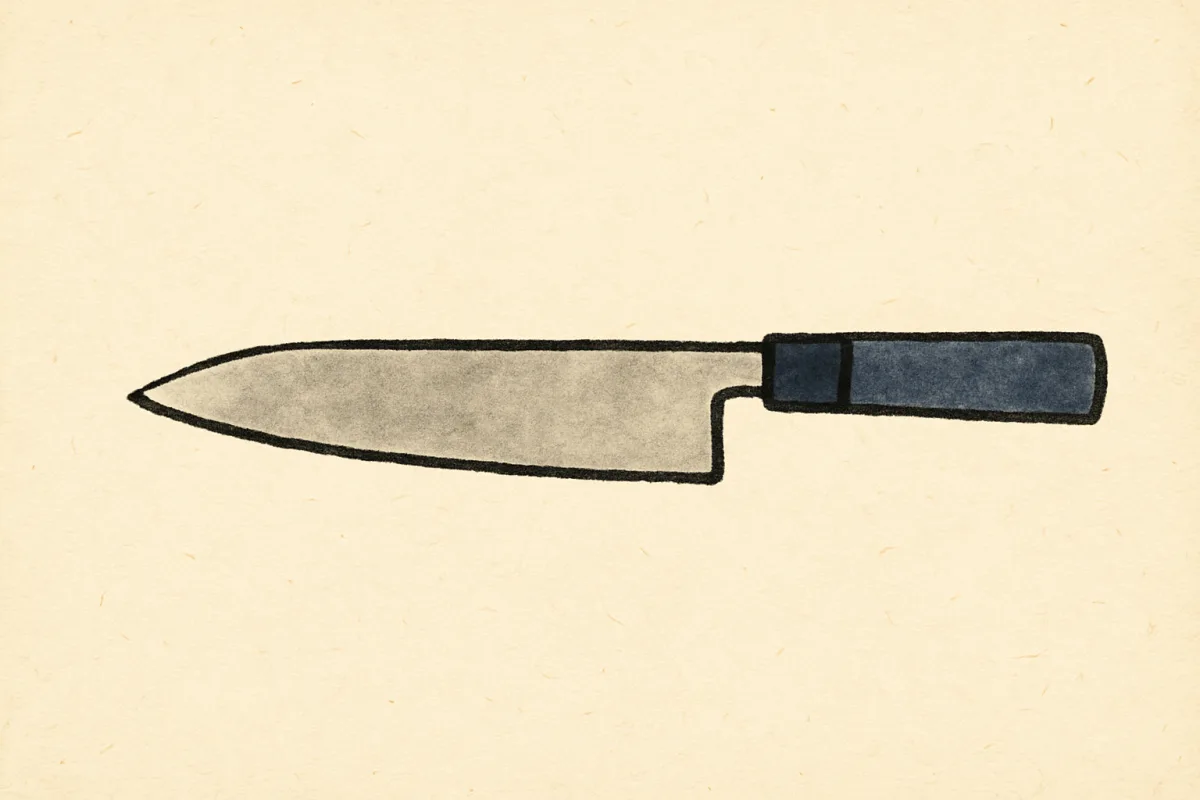
One clear answer for your first Japanese knife: a 210mm gyuto or a 165–180mm santoku in stainless steel, for $80–150. This covers how to pick between the two, which steel to start on, and the beginner mistakes (carbon first, single-bevel, pull-through sharpeners) that ruin a good blade.
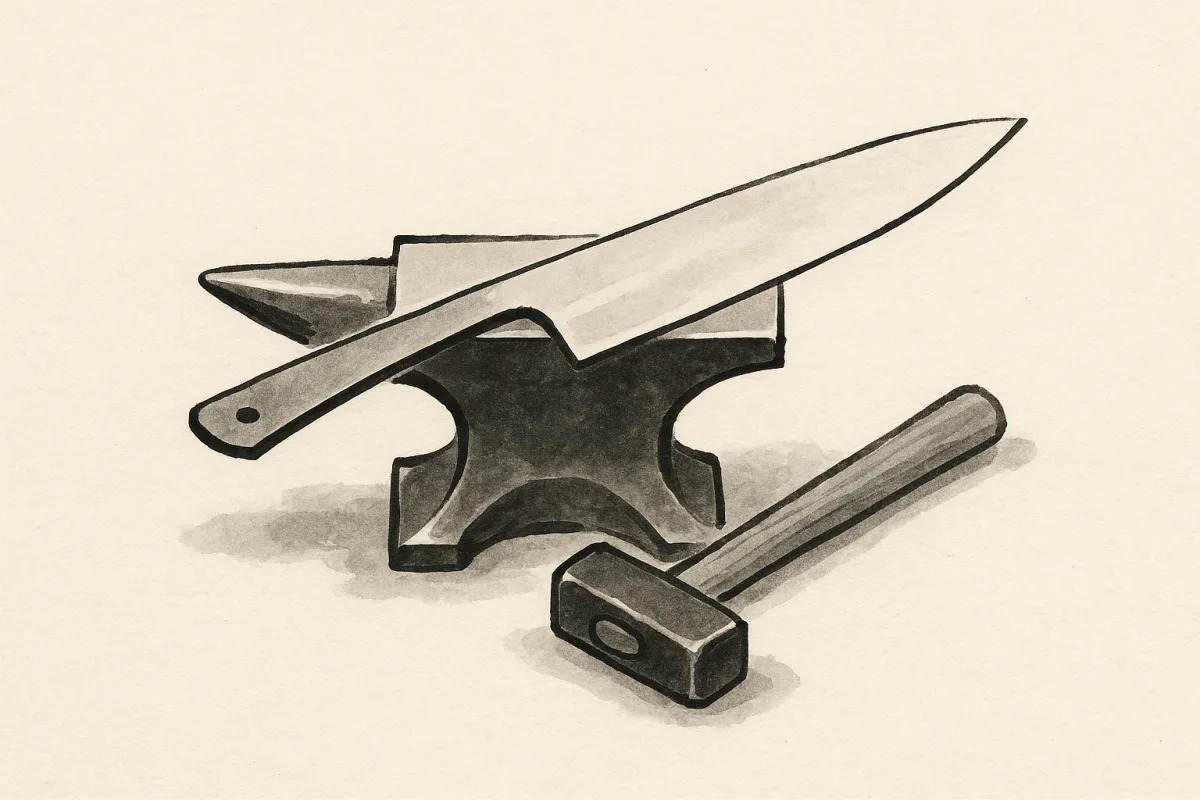
A finished Japanese knife looks like a single sliver of steel, but it almost never is. Most are a hard cutting steel clad in soft iron, and that lamination runs through the whole process: the forge-welding, the water quench, the multi-stage sharpening, and why one blade passes through three different masters' hands.
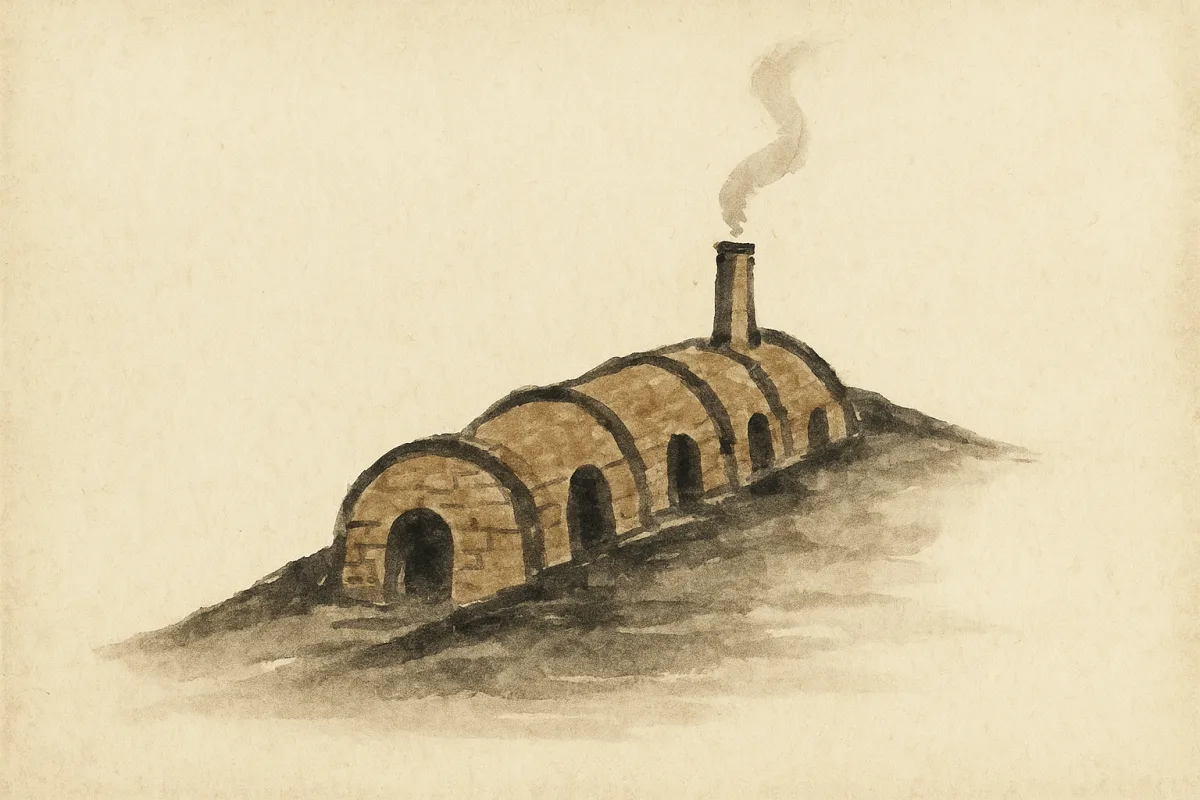
Almost every Japanese pot follows the same path: shaped soft, dried hard, fired twice. This walks the full process, from kikumomi kneading and the wheel to the kiln that decides the surface: a controlled electric kiln, or a week of pine and flying ash in an anagama or noborigama.
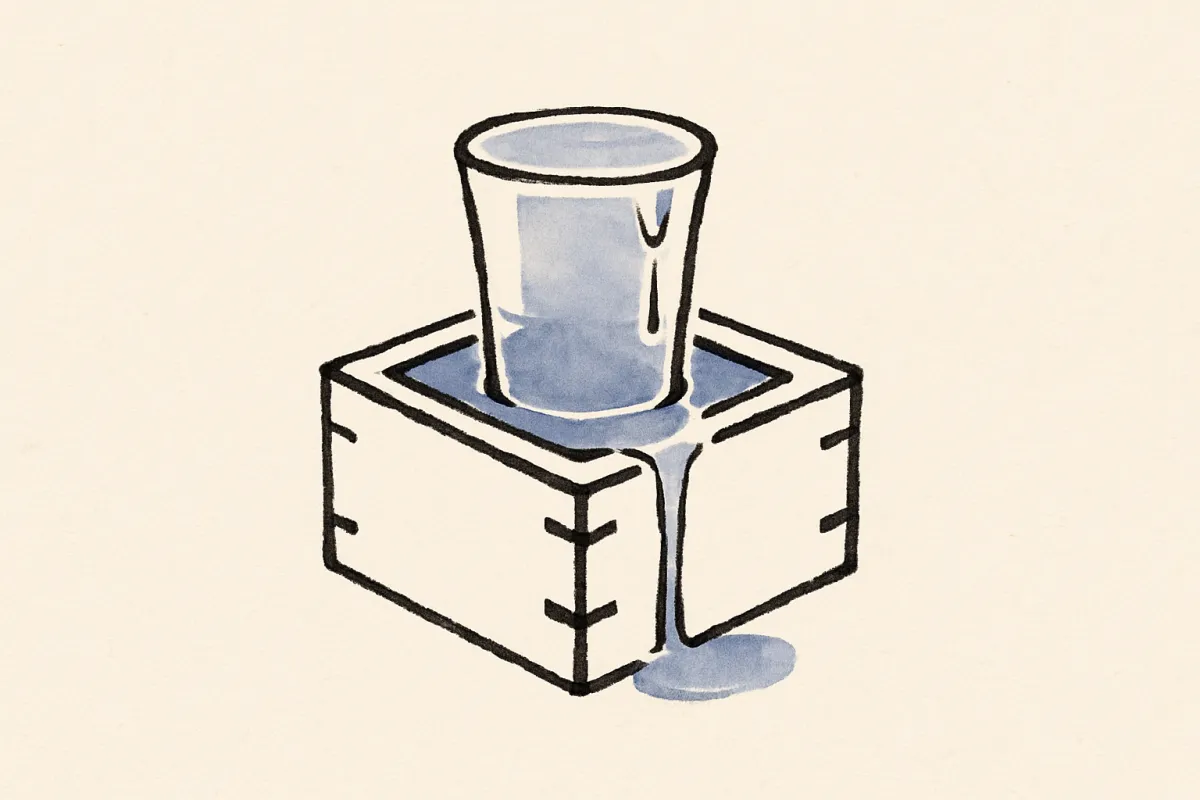
A sake set arrives: a little flask, a tiny cup, maybe a wooden box, and you freeze. Do you pour your own? A field guide to the vessels (ochoko, guinomi, masu, tokkuri), why the cup you choose changes the flavor, and the one pouring rule behind all the etiquette.
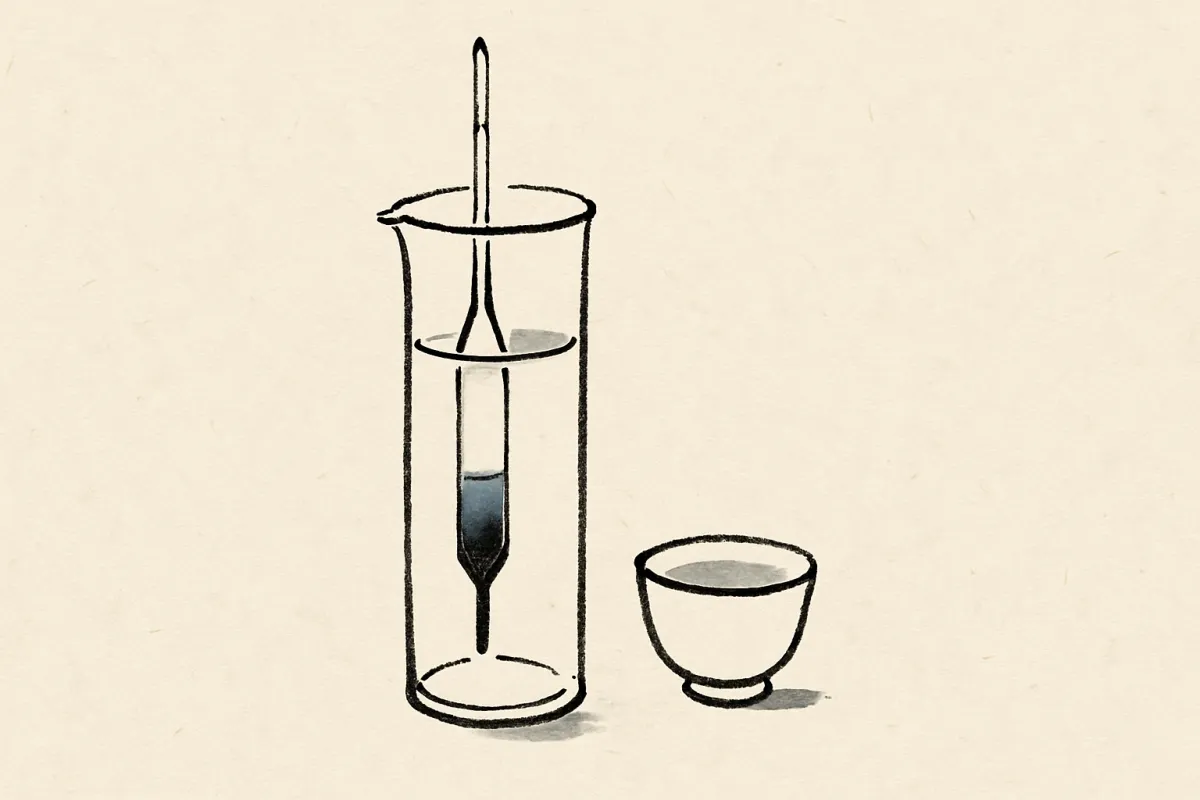
That '+5' or '-2' on the back label is the Sake Meter Value, sold as sake's sweet-or-dry number. It doesn't measure sugar at all; it measures density. what the number tells you, why acidity can flip it on your palate, and how reading the two numbers together predicts taste. This is what the number tells you.
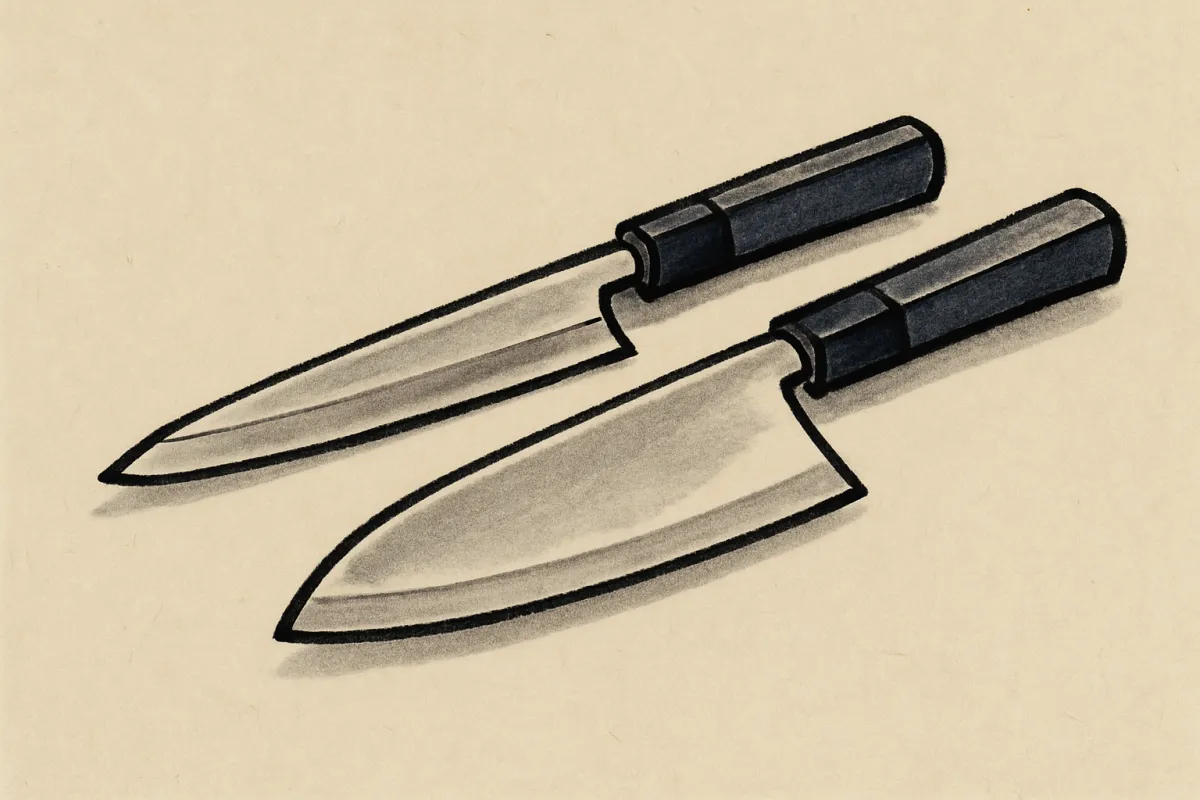
Whether a Japanese blade is ground on one side (single bevel, kataba) or both (double bevel, ryoba) decides how sharp it gets, whether it's handed, whether food releases, and how you sharpen it. This covers what that one difference changes and how to read it on a spec sheet before you buy.
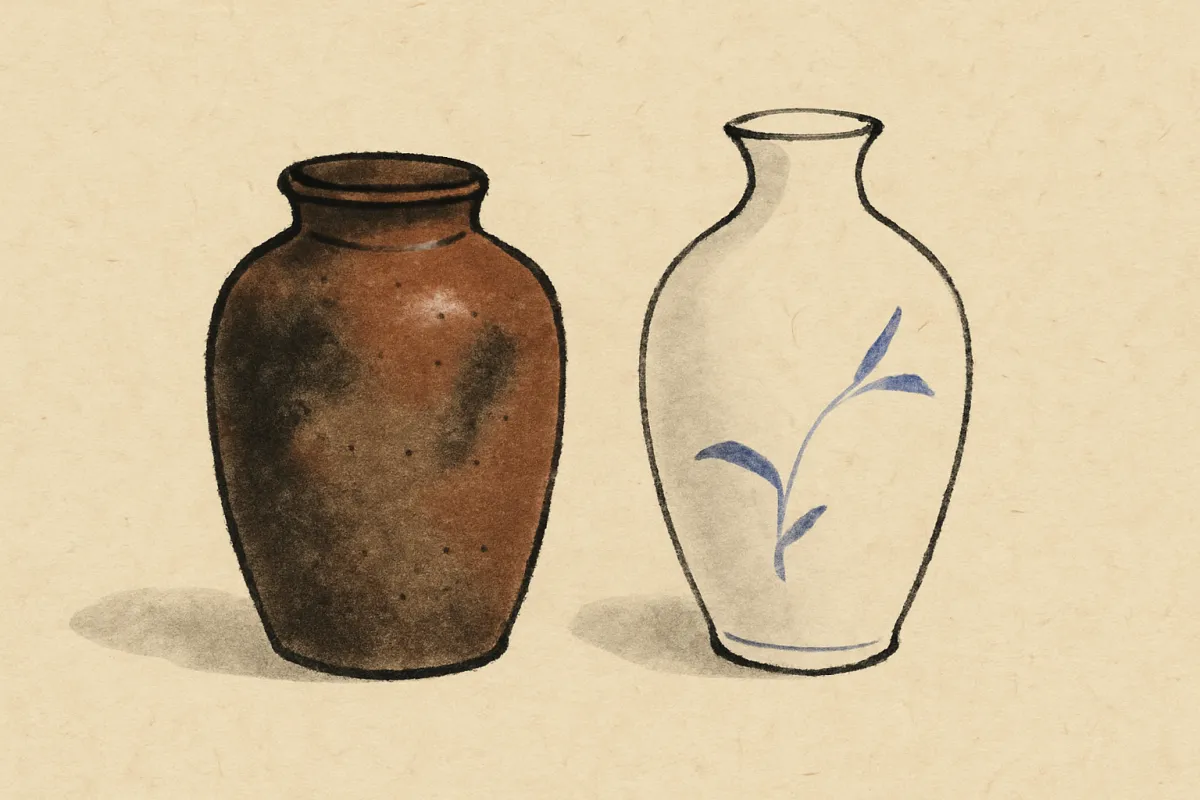
Why Bizen is rough and reddish while Arita is smooth and white, and how to place any Japanese piece as earthenware, stoneware (sekki), or porcelain (jiki) using three tests: hold it to light, tap it, and put a drop of water on the foot.
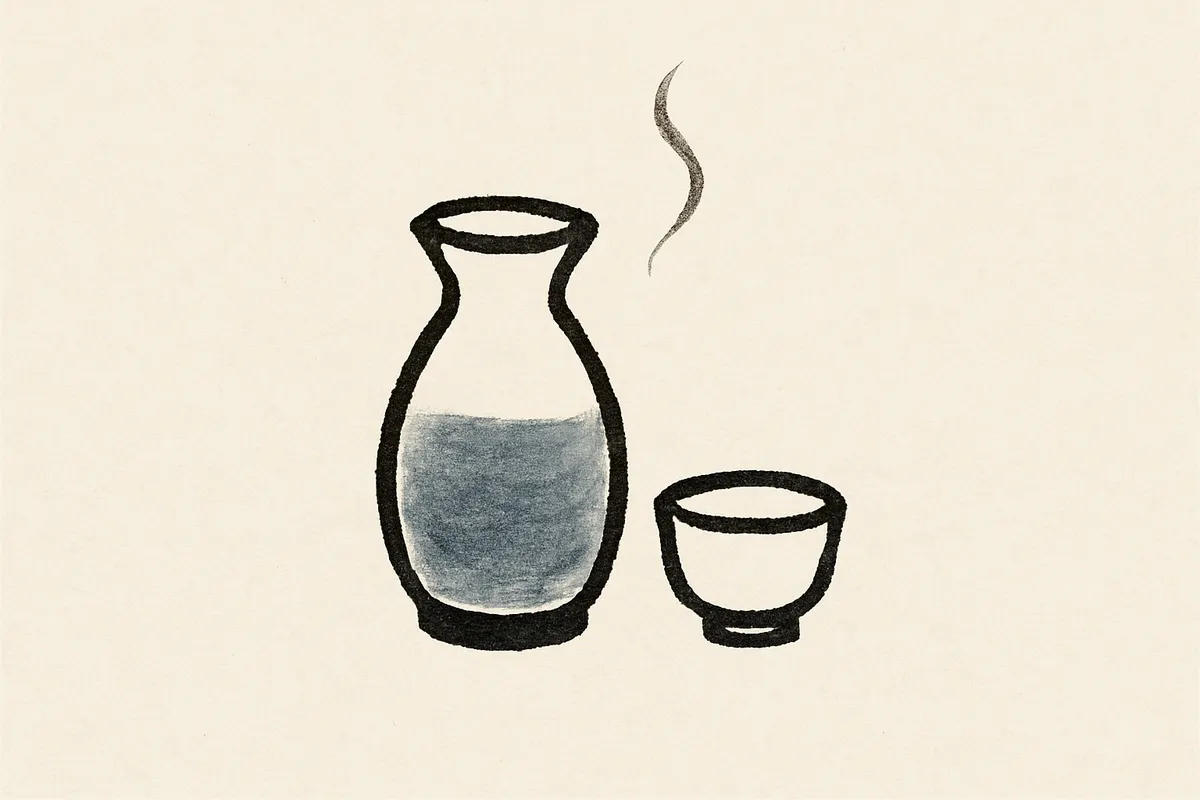
The idea that sake is 'supposed' to be served hot is a common beginner mistake. Japanese has ten poetic names for serving temperatures in 5°C steps — here's the whole ladder, which bottles want cold and which want warm, and how to heat sake without wrecking it.
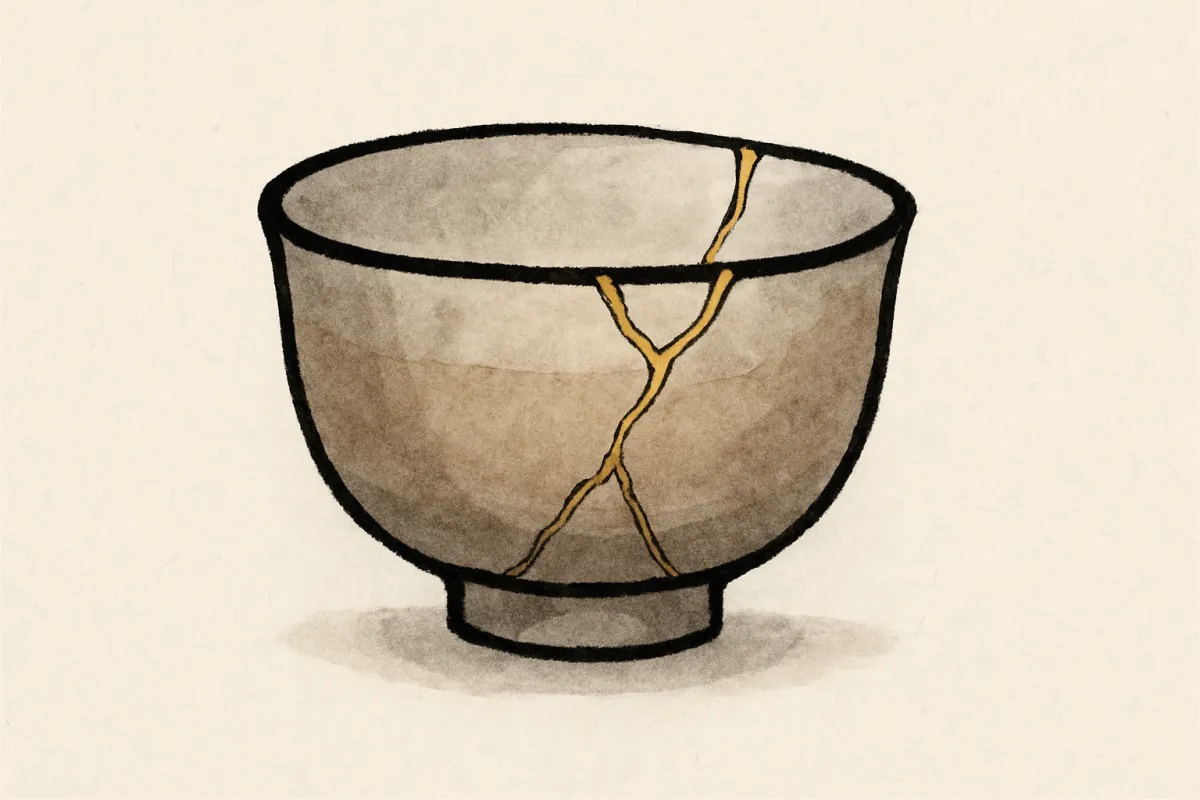
Kintsugi mends broken pottery so the repair shows rather than hides. The gold isn't the glue; lacquer is. What actually holds a kintsugi bowl together, why a real repair takes months, and why the famous shogun origin story is a myth.
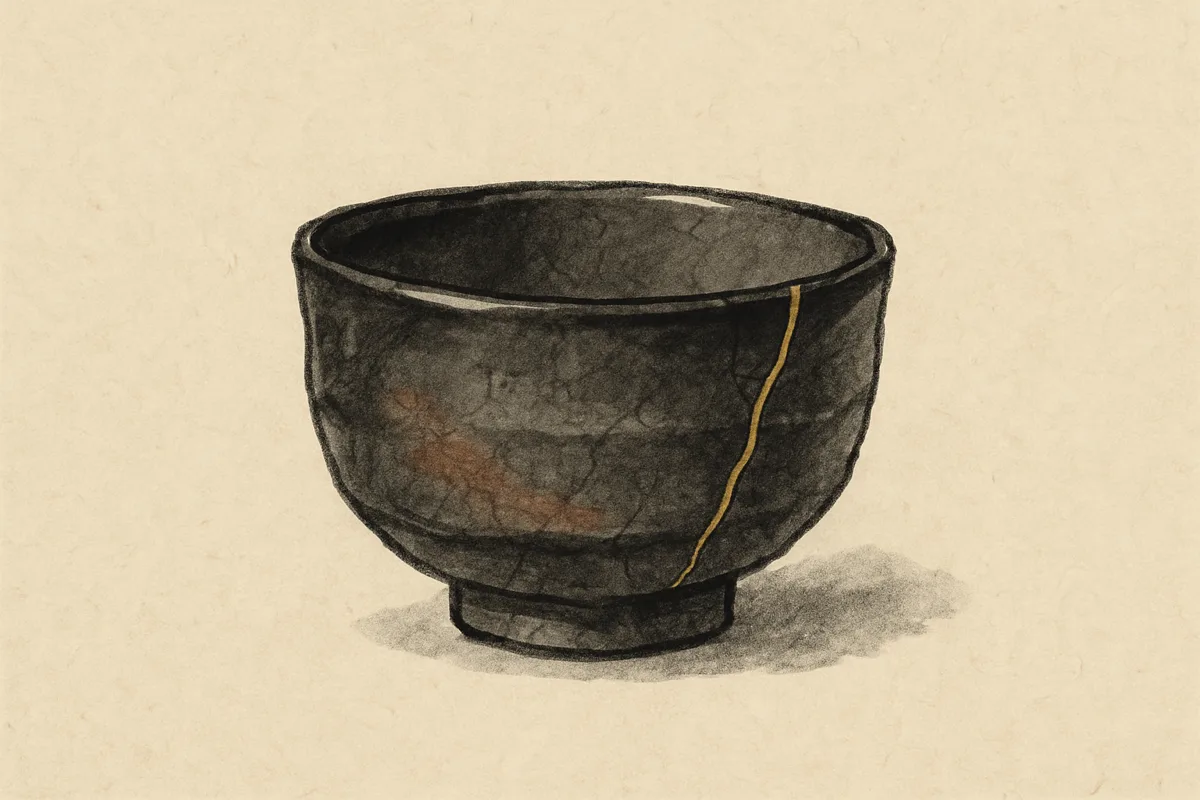
Wabi-sabi isn't 'rustic decor.' It's two different words that both started out meaning misery and loneliness, transvalued into a beauty of imperfection, impermanence, and age, engineered in the tea room and easiest to see in a tea bowl.
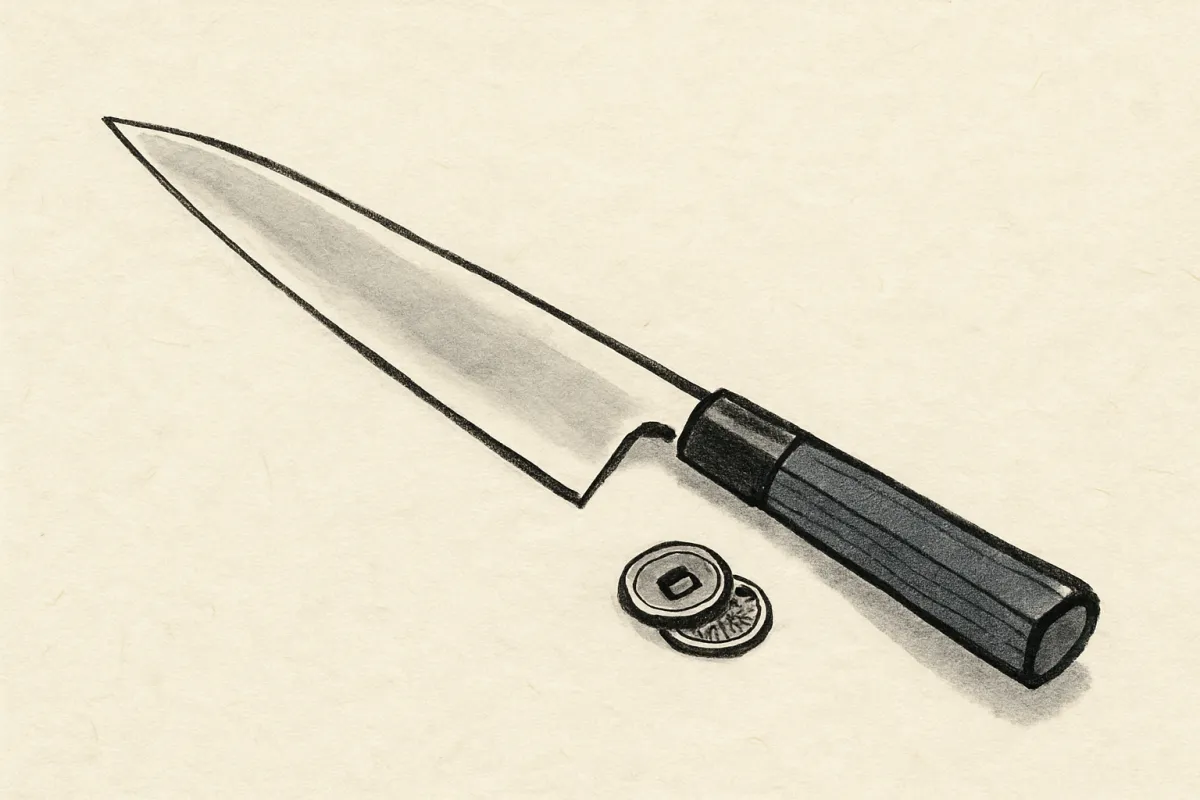
The same 210 mm gyuto can cost $40 or $400. This breaks the price into four stacked costs (steel, hand labor, hard-mode blades, and handle-and-name), shows which of them buy sharper cutting and which buy prestige, and pins down how much you actually need to spend.
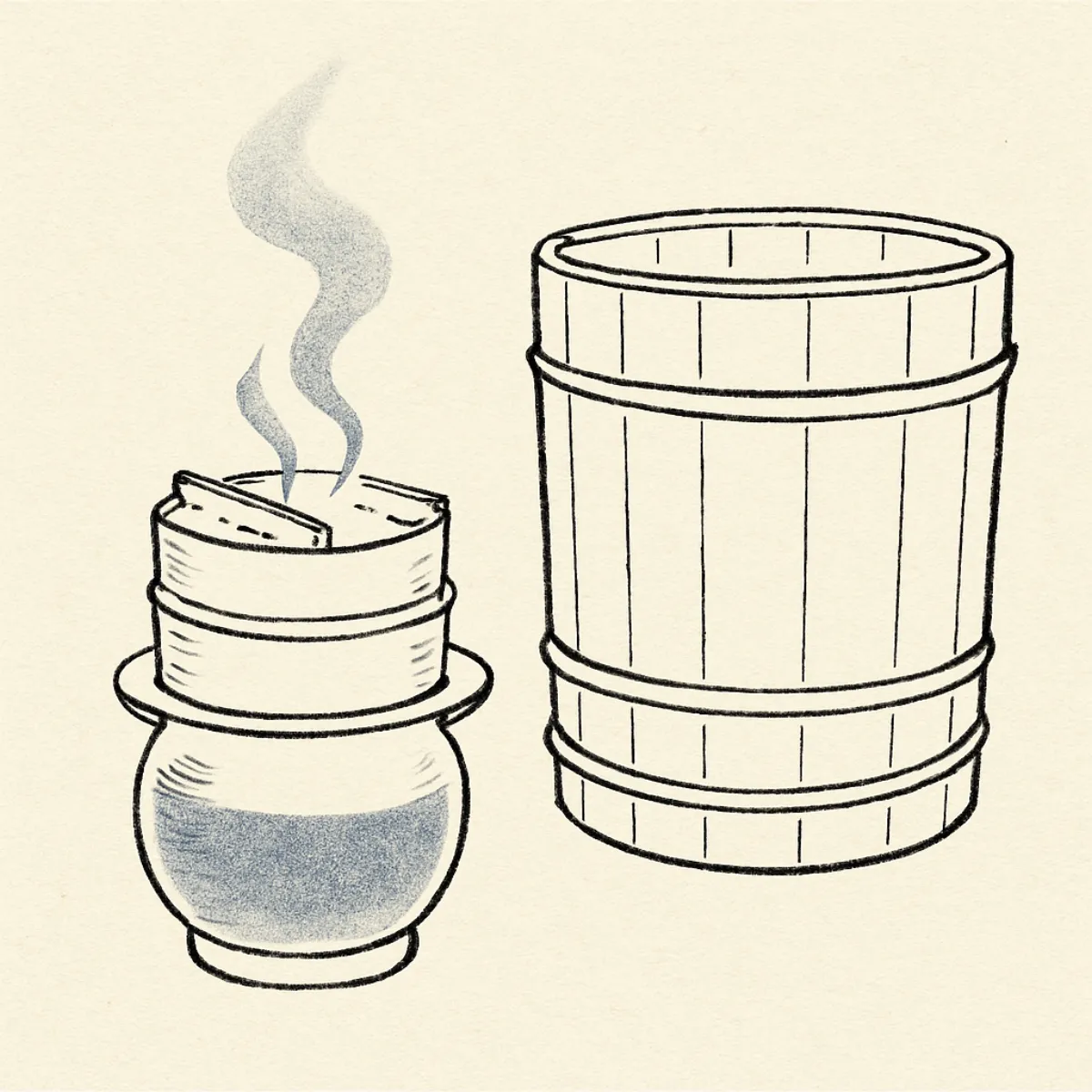
Sake is undistilled, yet it reaches nearly 20% alcohol, higher than any common brewed drink. The reason is a single process no wine or beer uses: koji and yeast working in the same tank at the same time. This is the whole brewing line, built around the one idea that ties it together.
The words junmai, ginjo, daiginjo and honjozo aren't marketing. They're a legal grade system built on two levers: how far the rice is polished, and whether a small dose of distilled alcohol was added. The whole grid on one page, with how to use it to pick a bottle.
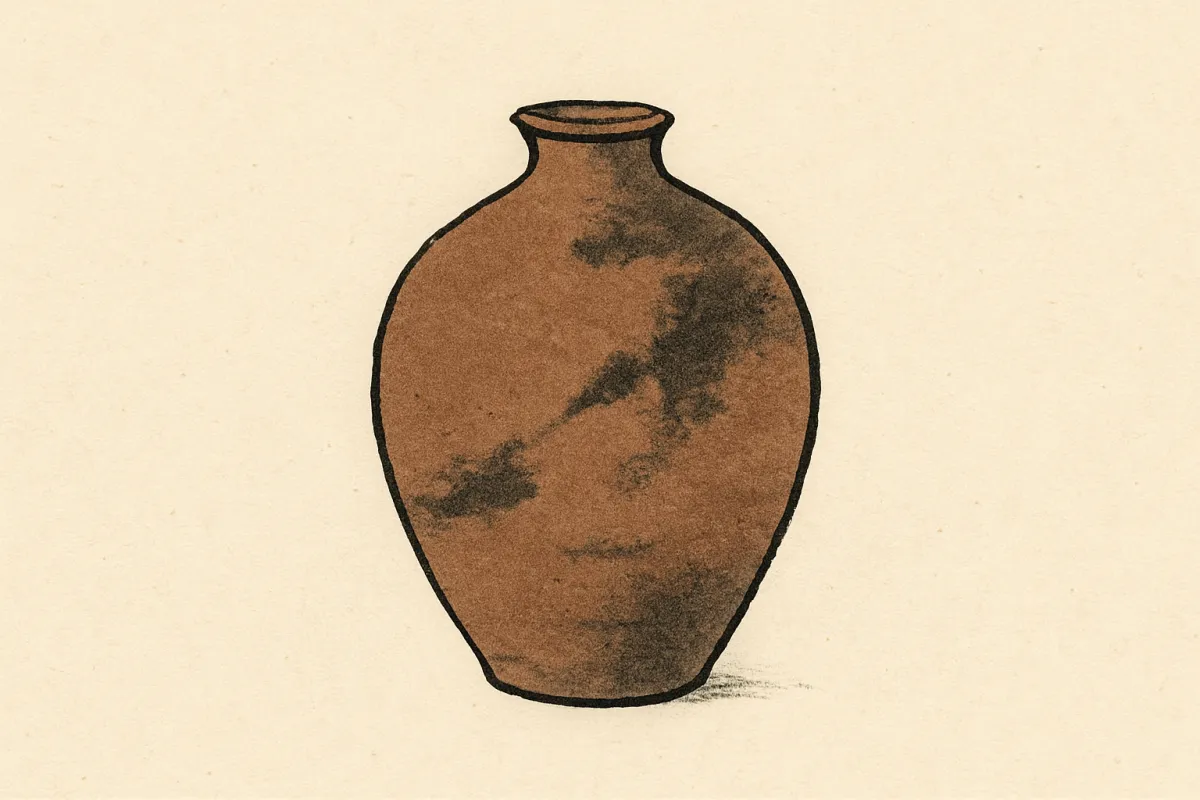
Bizen ware uses no glaze: every color and marking comes from clay, flame, and ash over a week-long wood firing. A guide to hidasuki, goma, sangiri and botamochi, and why this 1,000-year-old kiln still matters.
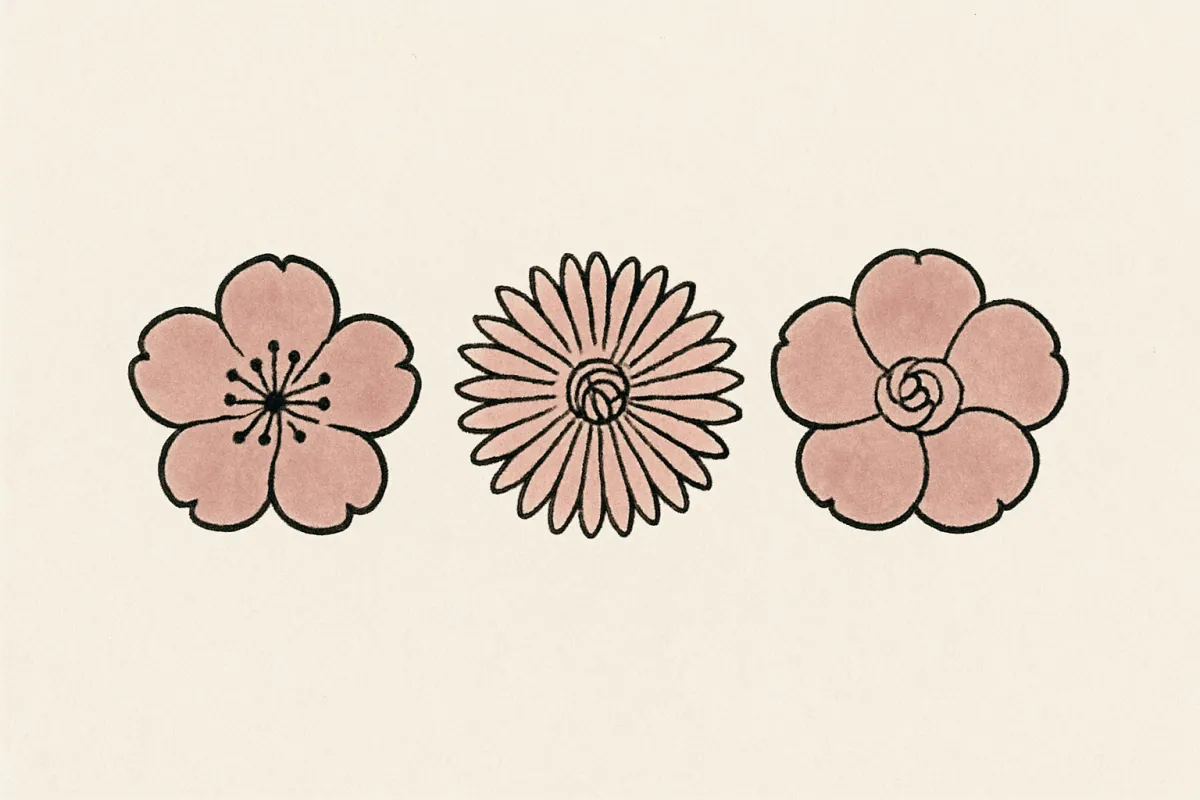
The best Japanese sweets aren't fixed recipes. They're a calendar. A wagashi shaped like a half-melted clear stream means July; an unhusked rice motif means harvest. This is how jonamagashi read the seasons, and the motifs to watch for month by month.
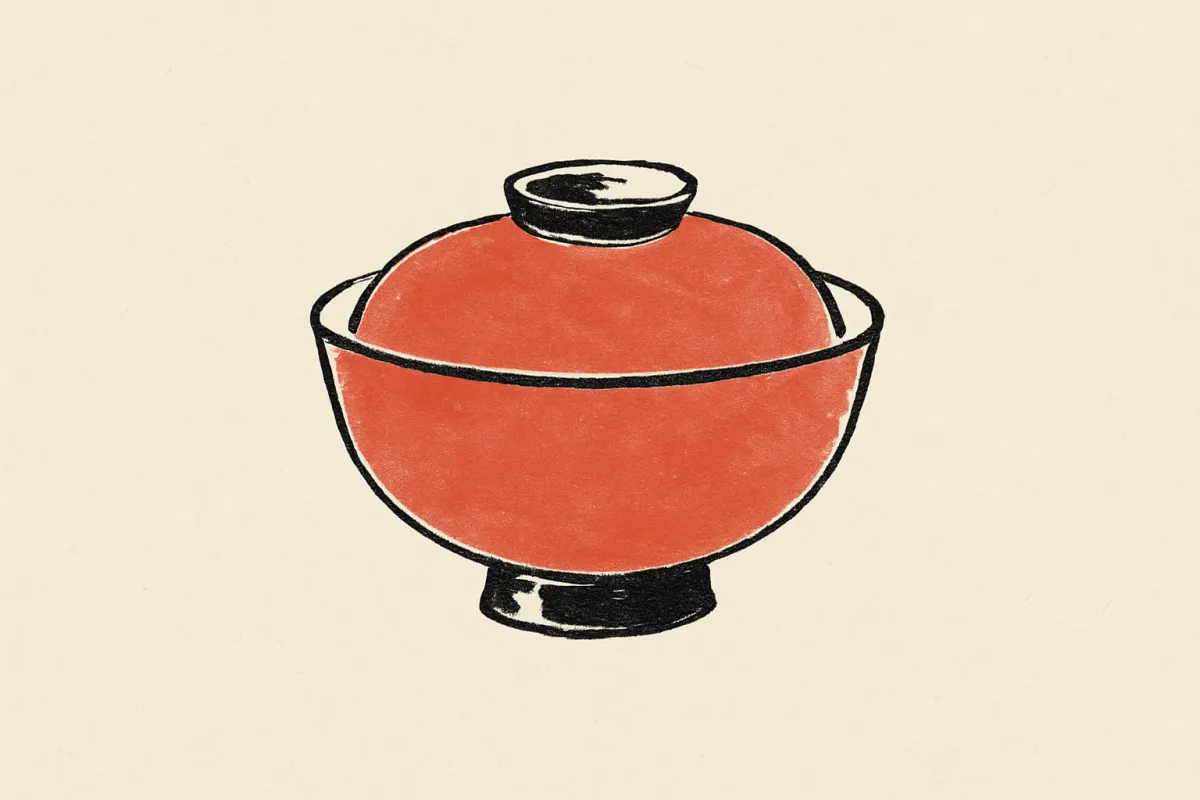
Real urushi lacquerware is tougher than it looks and fussier than people fear. Hand-wash it, dry it at once, keep it out of the dishwasher, microwave, and direct sun, and use it often. This owner's guide covers what damages lacquer, why, how to clean it, and why a well-used piece looks better in ten years than it did new.
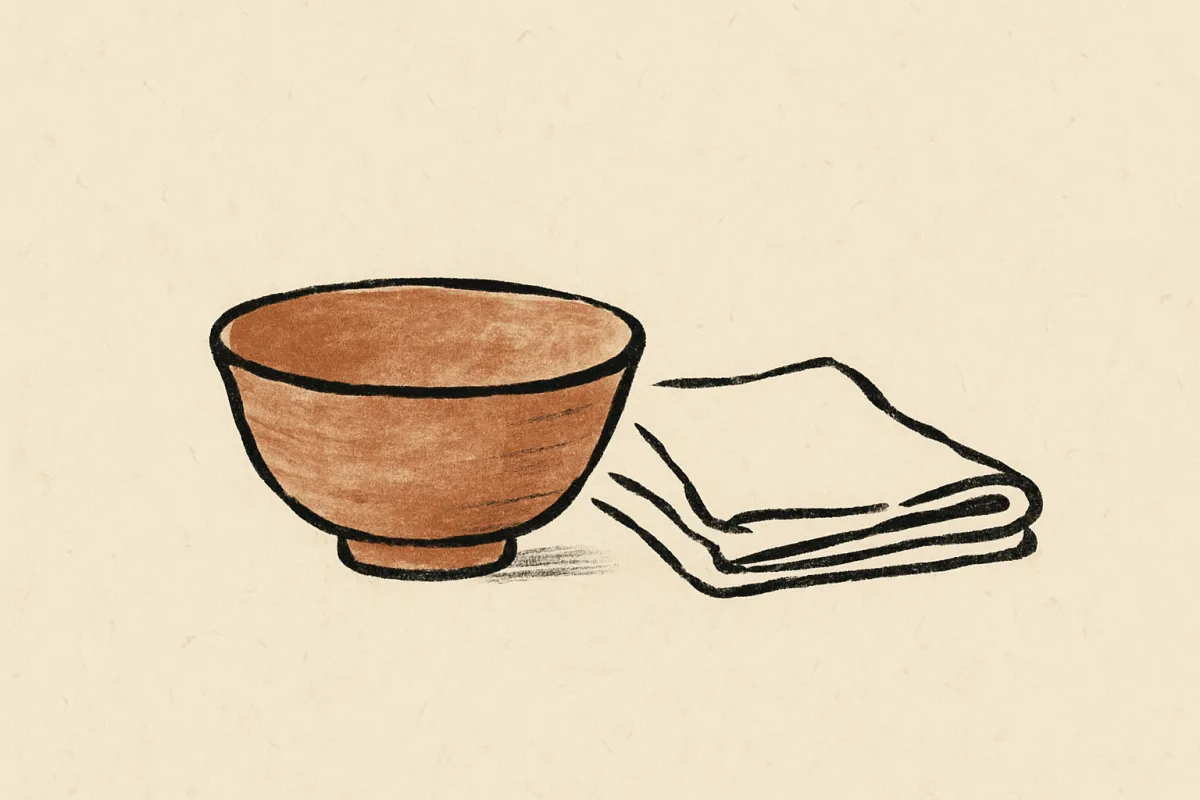
A practical guide to living with handmade Japanese ceramics: what crazing (kannyū) is, how to season porous ware with rice water (medome), and which pieces should never go in the microwave or dishwasher.
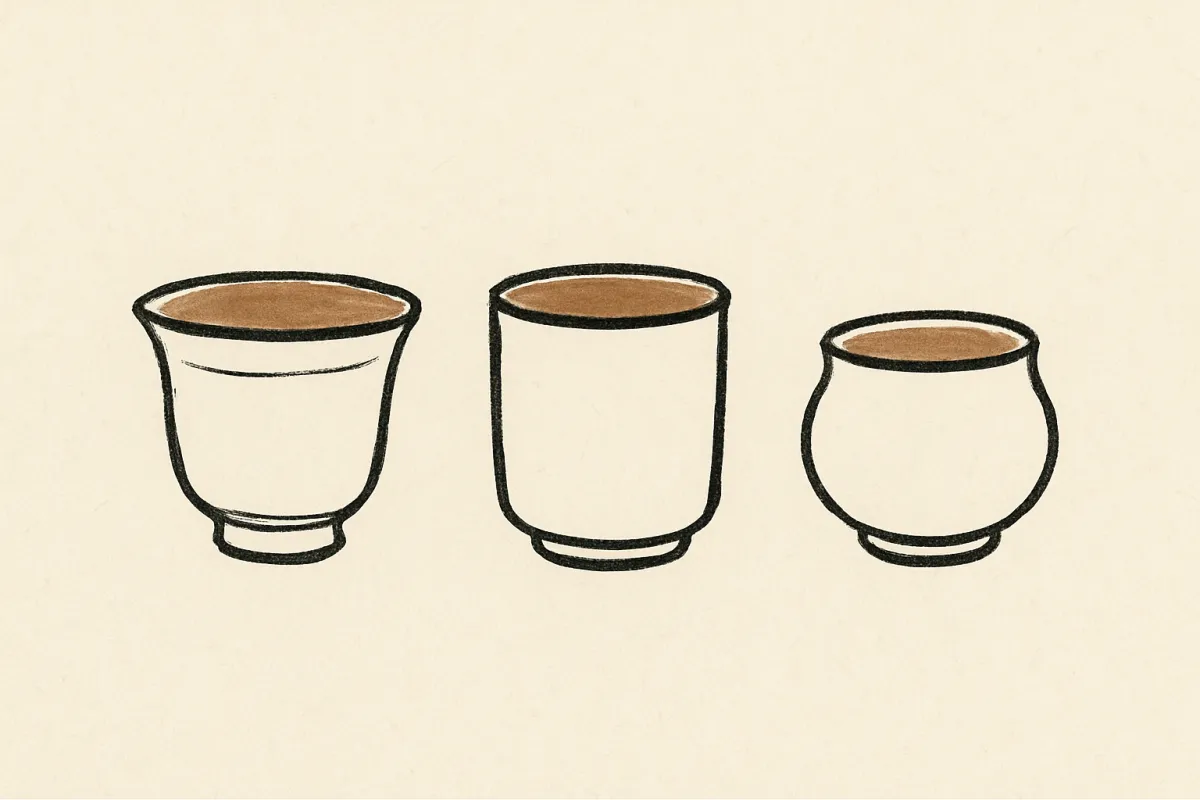
A regional guide to Japan's major ceramic traditions: how to tell unglazed Bizen from blue-and-white Arita, what makes Hagi a tea-ceremony favorite, and where each clay and kiln comes from.
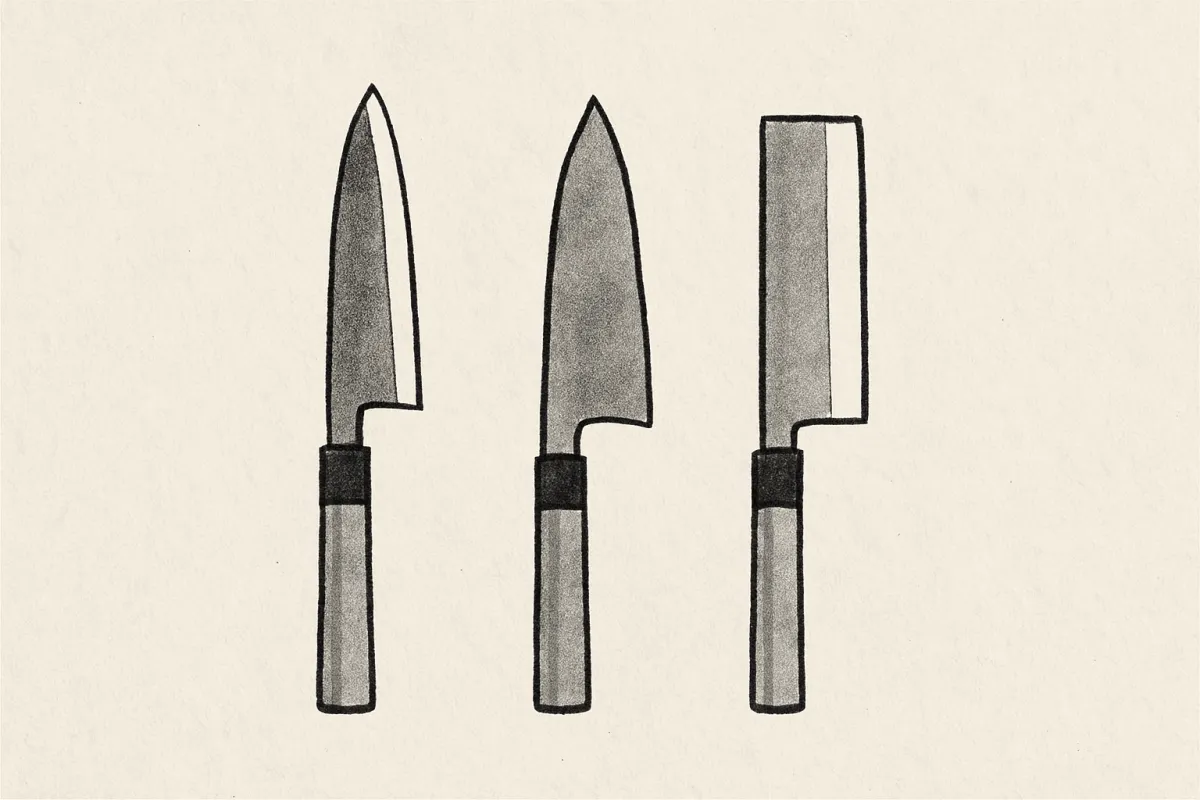
Four Japanese kitchen knives cover almost everything a home cook does, but they are not interchangeable. Here is what each one is built for, the blade lengths worth owning, and how to pick the first one or two without wasting money on a block set.
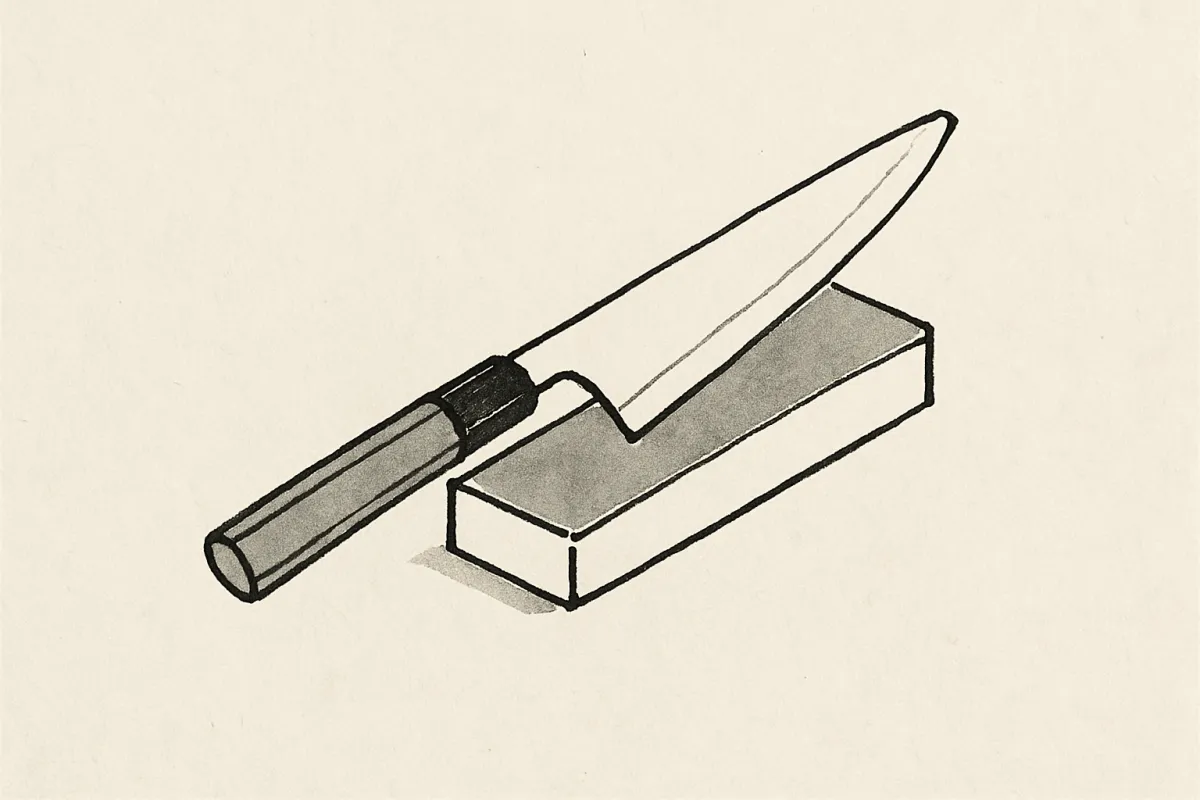
A whetstone is the only thing that truly sharpens a Japanese knife, and the basics are simpler than the internet makes them look. Here is how to choose grits, find and hold the angle, raise and chase a burr, and finish a clean edge without grinding your blade away.
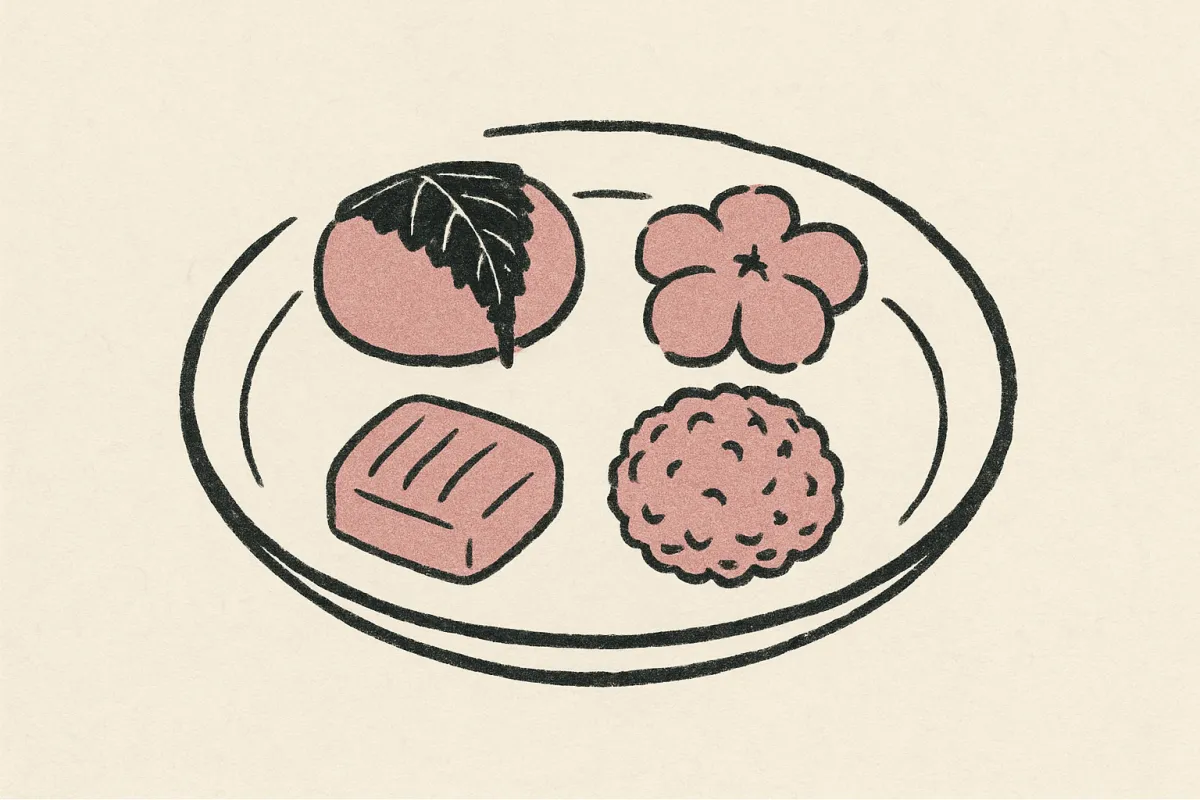
Mochi, daifuku, dorayaki, yokan, manju, nerikiri all get called 'Japanese sweets,' but they're built from different doughs, fillings, and intentions. How to tell them apart, what's inside each one, and how to order without guessing.
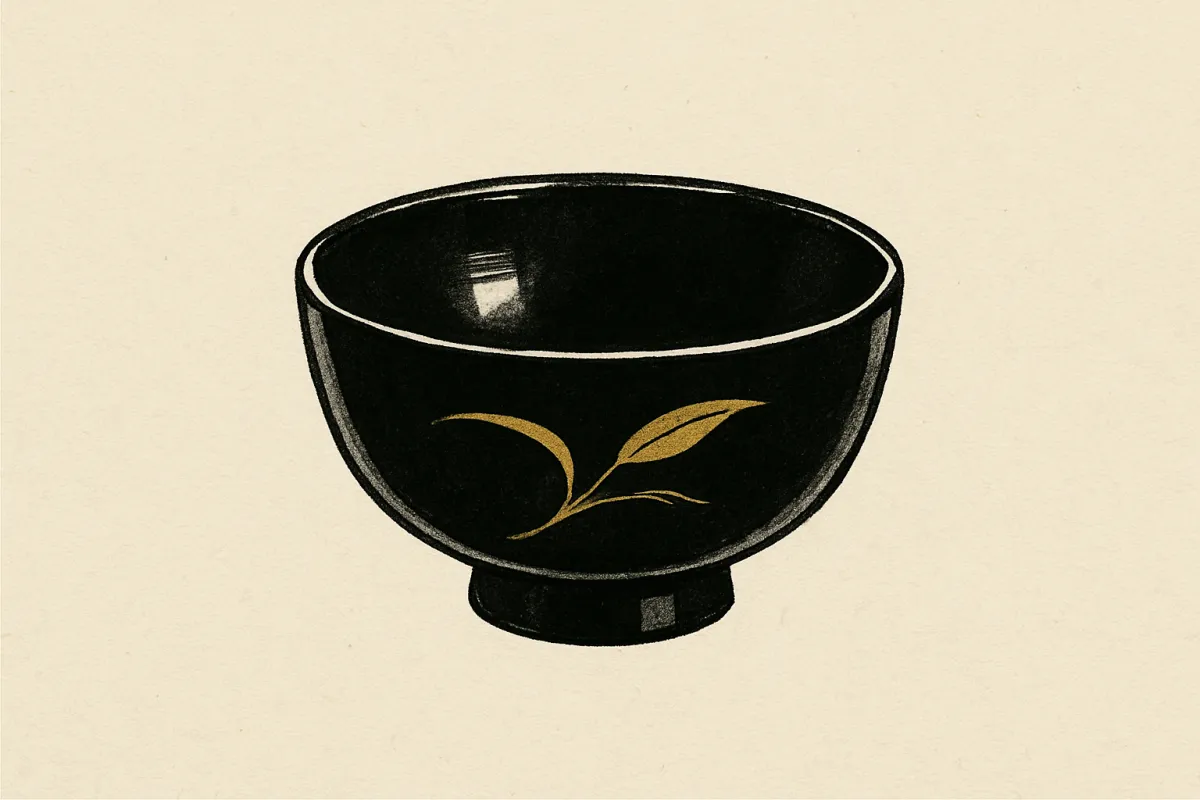
Wajima-nuri is the lacquerware built to survive. Made in a small port on Japan's Noto Peninsula through a process commonly counted at 124 steps, its toughness comes from a local diatomaceous powder and from cloth glued over every weak edge. Here is how it is built, why the labor is split among dozens of hands, and what the 2024 Noto earthquake did to the craft.
Urushi is the sap of a single Asian tree, and it sets in a way most finishes don't: not by drying, but by absorbing moisture from damp air. This is the chemistry behind Japan's living lacquer, why a cup of it takes a tree's lifetime, and what makes the cured film so tough.
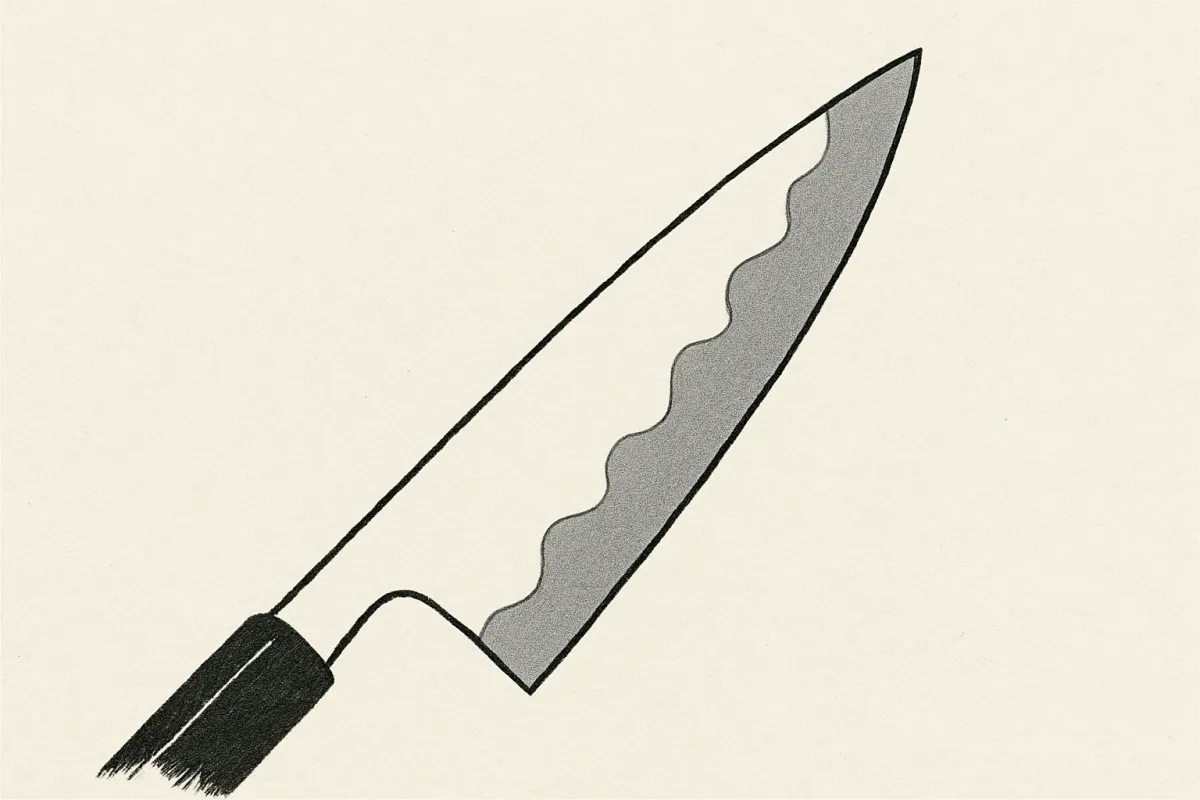
The steel on a Japanese knife decides how sharp it gets, how long it stays sharp, and how much upkeep it demands. This guide maps Shirogami, Aogami, VG-10, and the powdered stainless steels, and spells out what HRC hardness means for you.
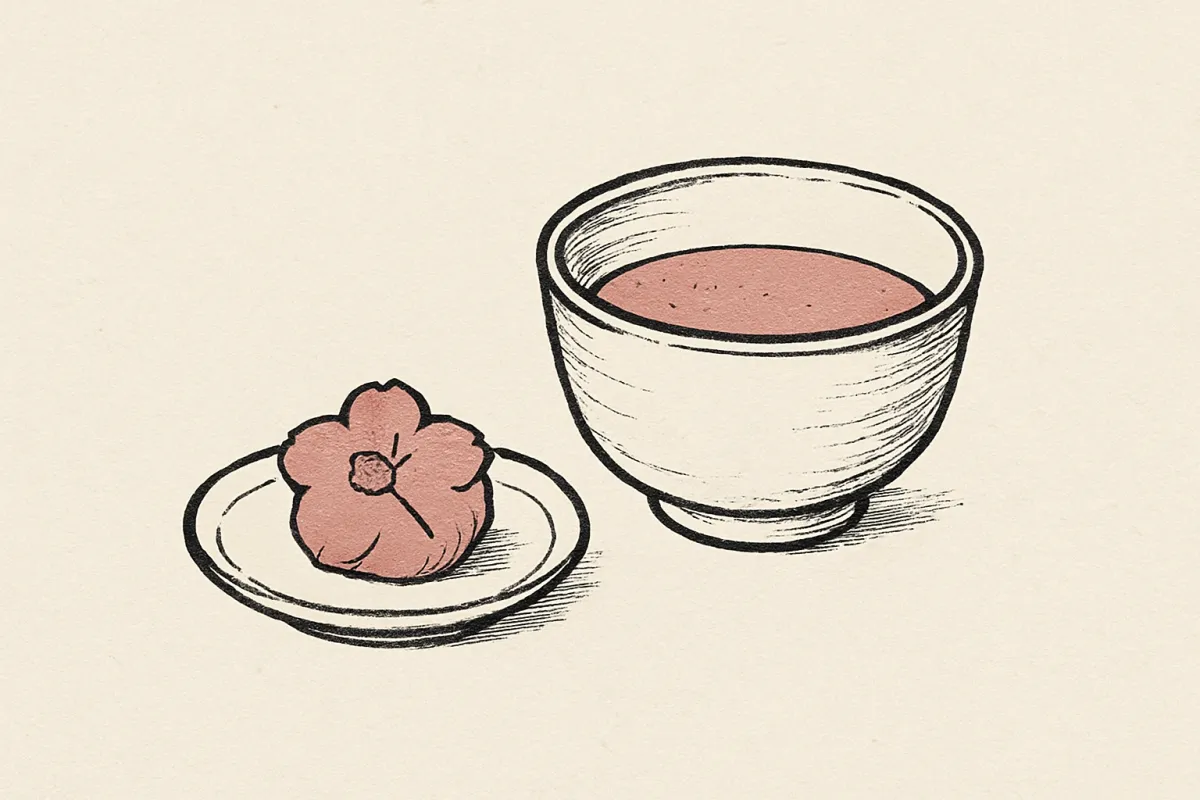
In a Japanese tea gathering, the sweet comes before the matcha, not after. The reasons involve taste, the stomach, and timing. This explains how omogashi and higashi work, why they're served when they are, and what to do as a guest.
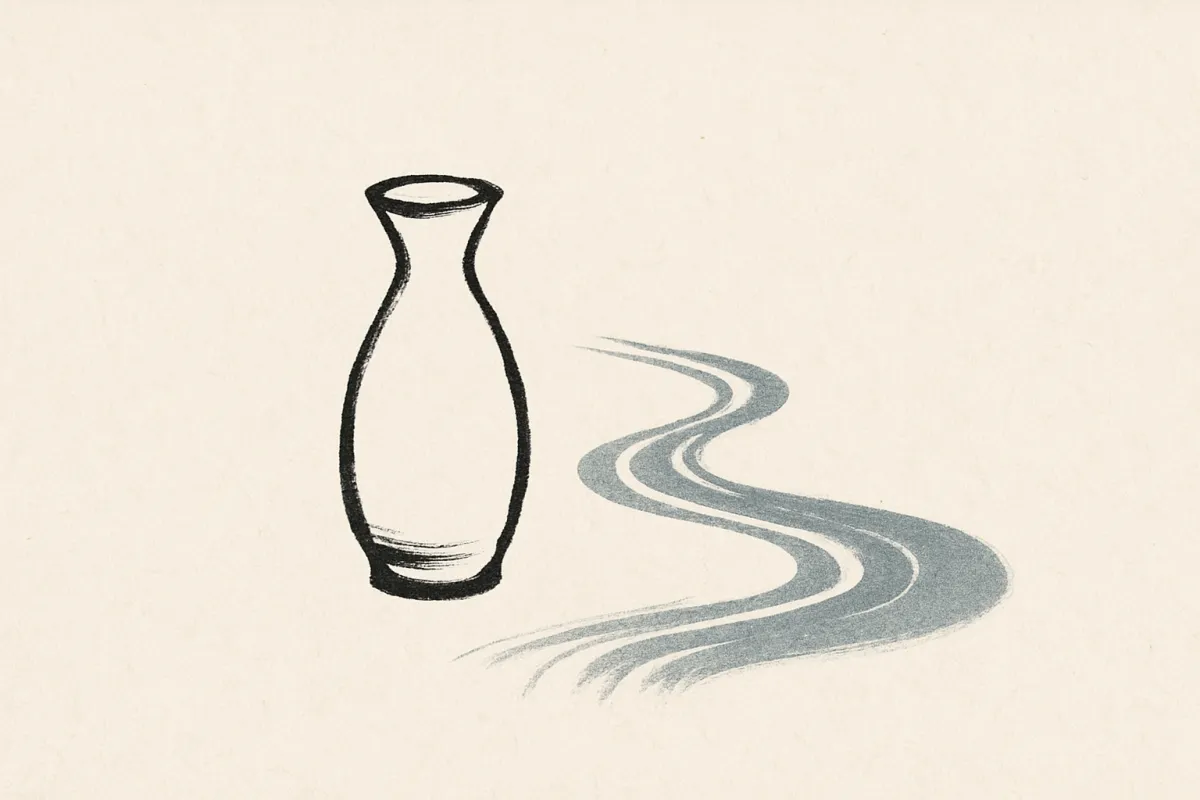
Fushimi sake comes from southern Kyoto, Japan's second-largest brewing district. The terroir story: the spring-fed gokōsui water, the onnazake style, and houses like Gekkeikan, Kizakura, and Tamanohikari.
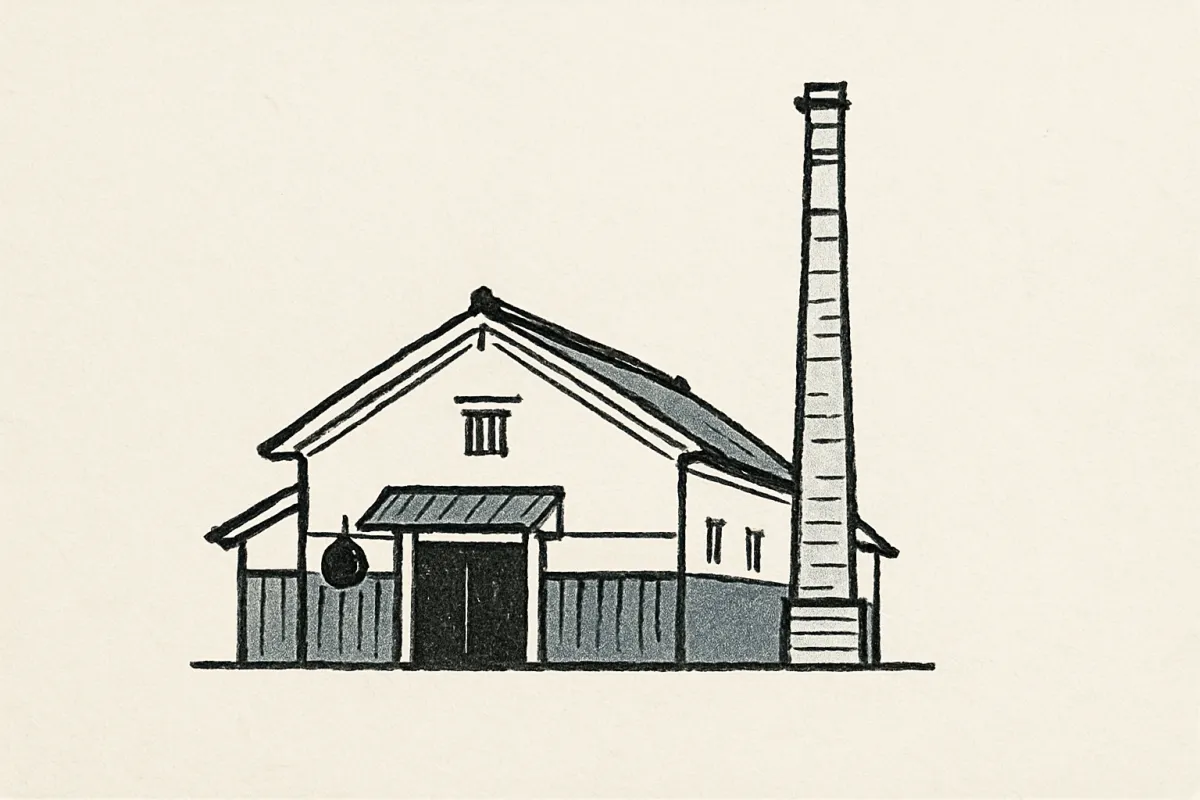
Saijō in Hiroshima is one of Japan's three great sake towns, alongside Nada and Fushimi. The terroir story: Mt. Ryūō's soft water, Miura Senzaburō's soft-water brewing method, and the kura of Sakagura-dōri.
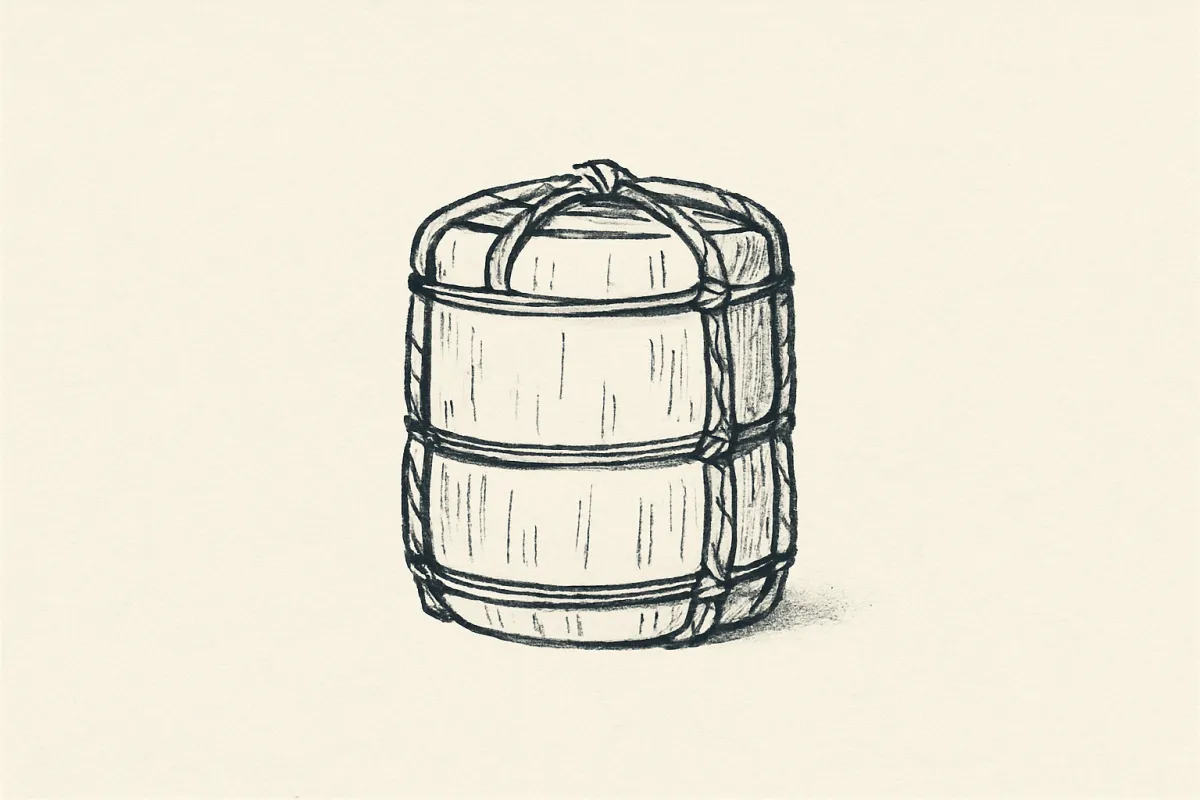
Nada sake comes from Hyōgo's five coastal districts near Kobe — Japan's largest brewing region. The terroir story: Miyamizu hard water, Yamada Nishiki rice, and the dry otokozake style.
Jizake means local, small-batch sake made outside Japan's big national brands. What separates craft sake from mass-produced, how to find it in Japan and abroad, and the new wave of brewers rewriting the rules.
Five easy sake bottles a first-timer can actually find and afford — Hakutsuru Sayuri, Mio Sparkling, Kikusui Junmai Ginjo, Dassai 45, and Tozai Typhoon — with styles, prices, and where to buy each.
The 全国新酒鑑評会 is Japan's national sake appraisal, co-run by the NRIB. These 50 breweries earned a Gold Award (金賞) in all three years from 2022 to 2024 — the strongest signal of reproducible quality the competition offers.
Sake, miso, soy sauce, and amazake share one ingredient: Aspergillus oryzae, Japan's designated national mold. One fungus built an entire culinary tradition.
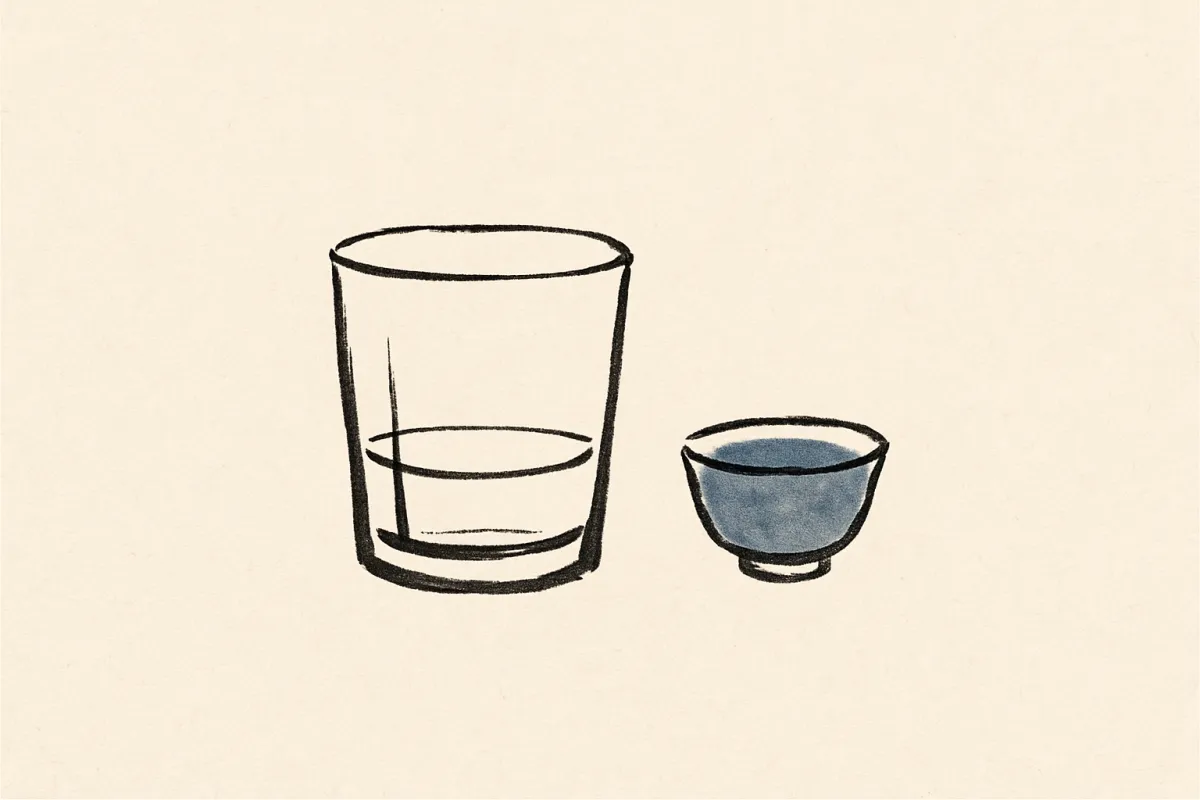
If you love Japanese whisky, sake has more to offer than you might expect. This guide maps sake styles to the flavors you already know and tells you exactly where to start.
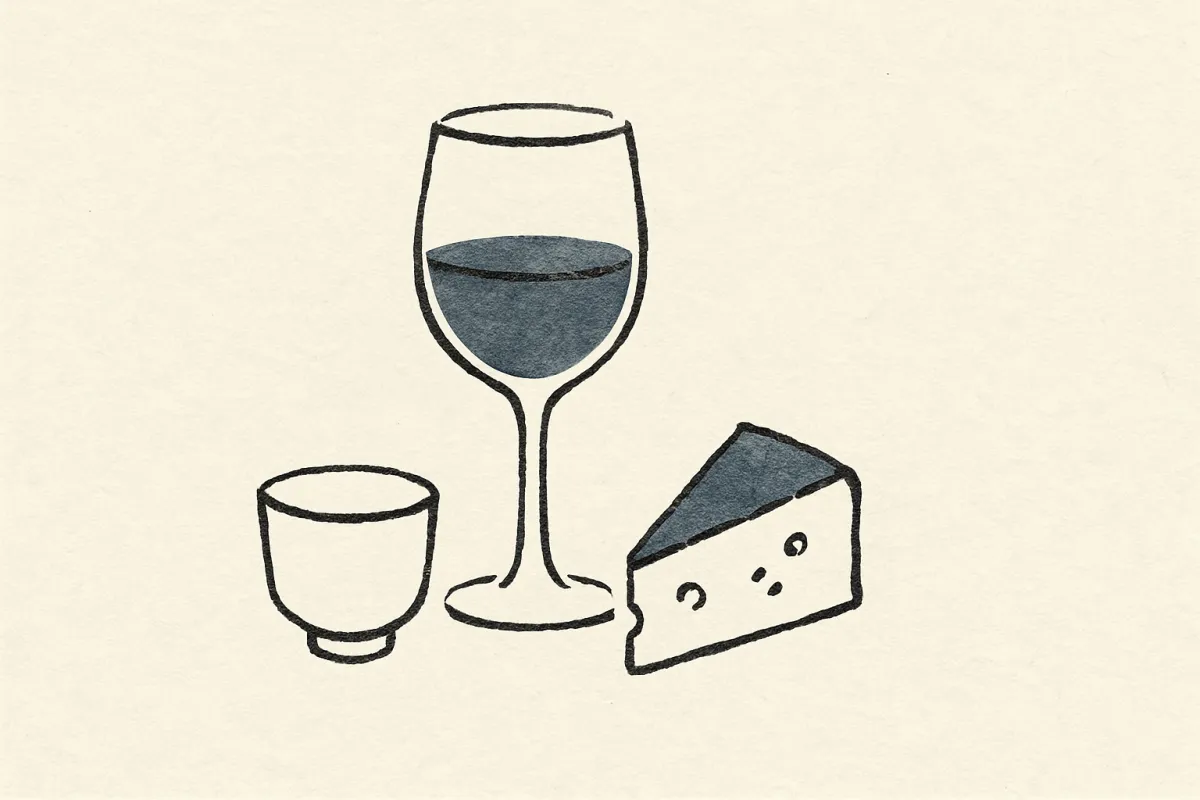
Sake pairs well with pizza, steak, pasta, and cheese, though most pairing lists miss this. Why it works and how to match style to dish.
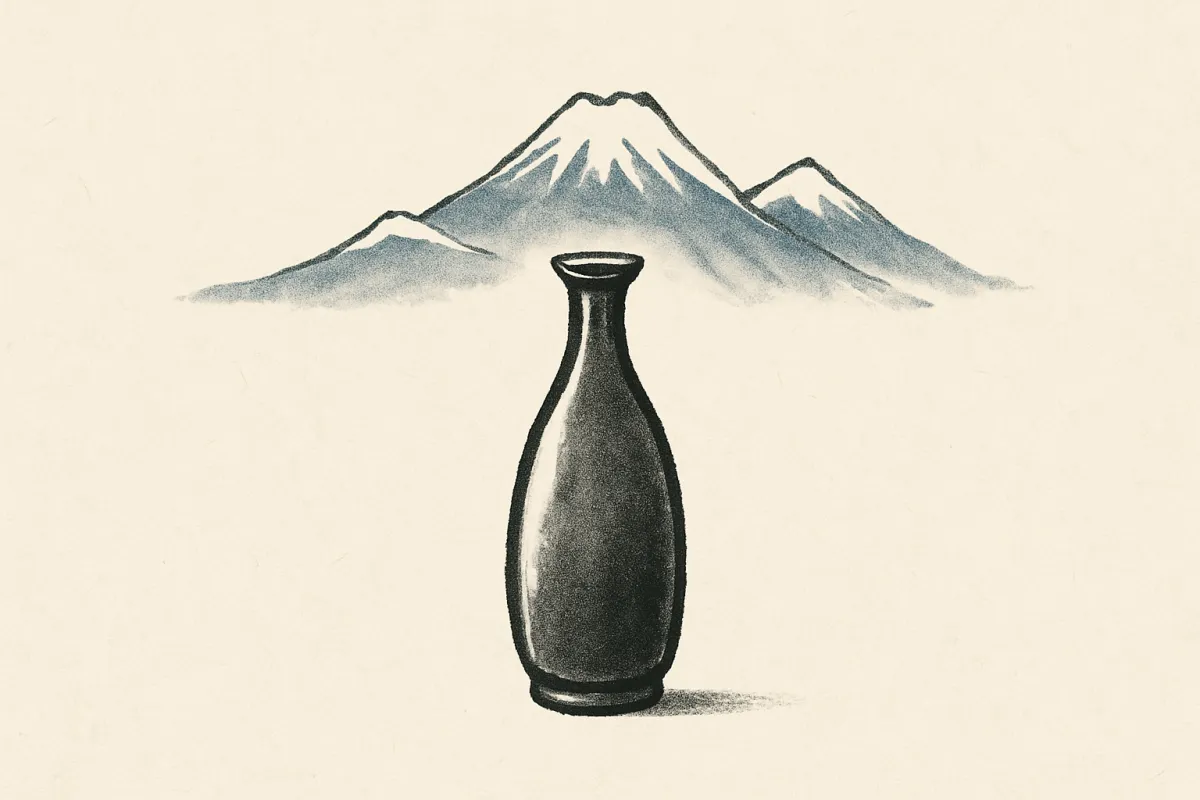
Niigata has more sake breweries than any prefecture in Japan. A practical guide to visiting them: which kura welcome guests, when to go, the Sake no Jin festival, and how to get there from Tokyo.
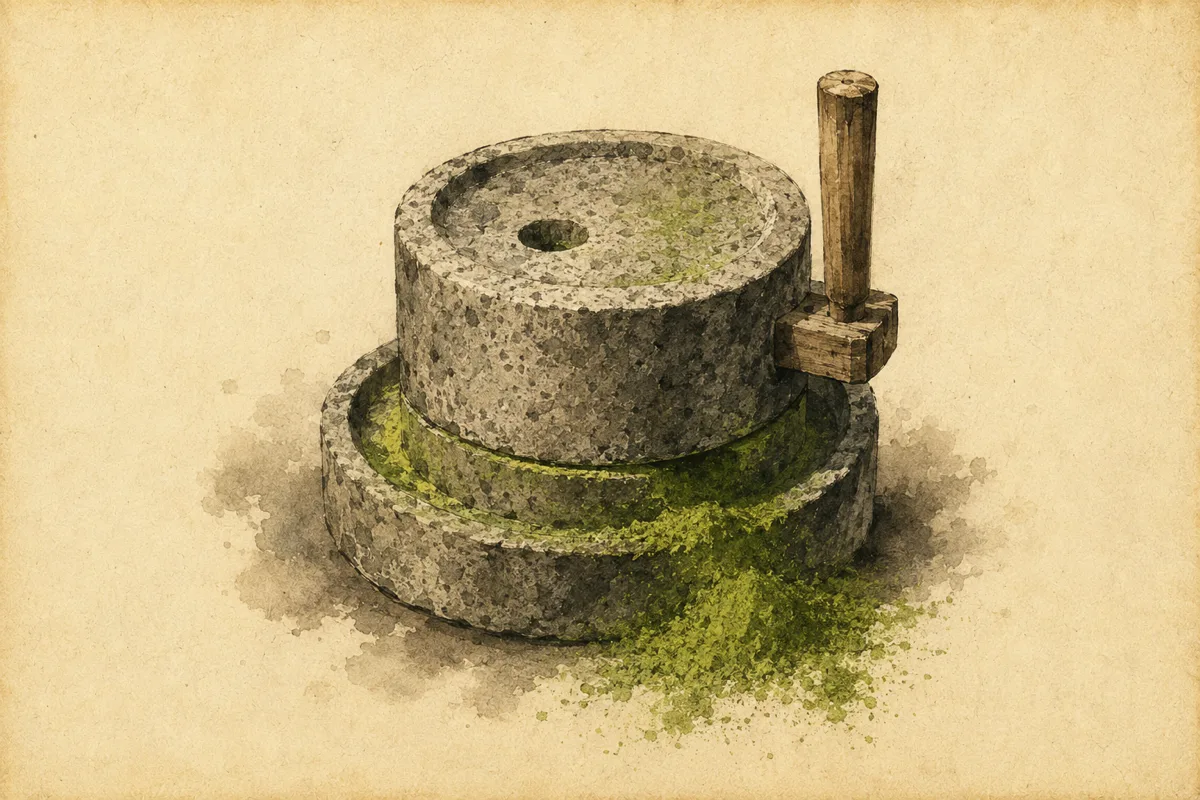
Matcha isn't a plant or a blend — it's a process. The same bush that gives you ordinary green tea becomes matcha only by passing through a specific chain: shade the field for three weeks, steam and dry the leaf flat but never roll it, strip out every stem and vein, then grind what's left on a granite stone mill that yields about 40 grams an hour. Each fork in that chain is why matcha tastes, looks, and costs the way it does.
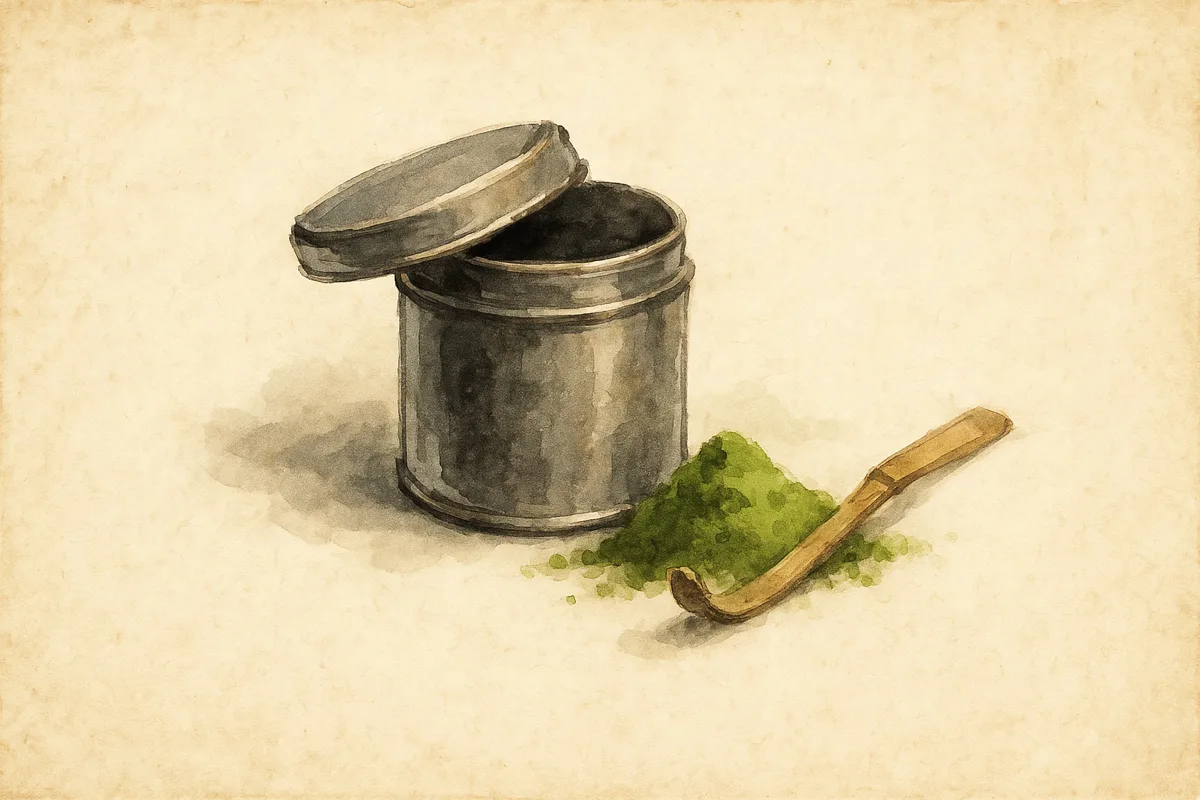
Matcha almost never 'goes bad'; it fades. The only true reason to throw it out is mold. Everything else is oxidation, which you slow by keeping it airtight, opaque, cool, and dry. The counter-intuitive mistake is opening a cold tin straight from the fridge. Includes the real freshness windows from Japanese producers.
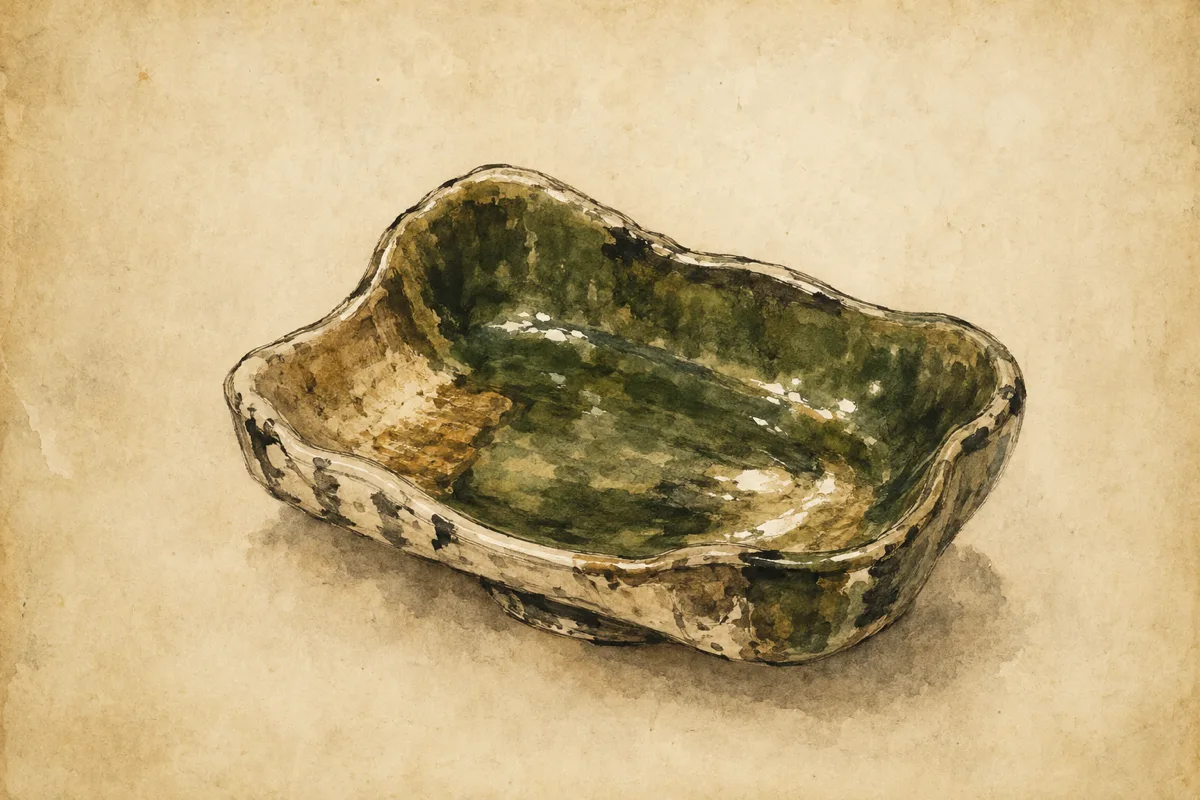
Buy a Japanese dish and there's a good chance it's Mino ware, made in Gifu, yet almost no one abroad knows the name. This is the region that produces about half of Japan's ceramics, and in the 1500s invented milky Shino white and warped Oribe green. Why Japan's biggest pottery is also its most invisible.
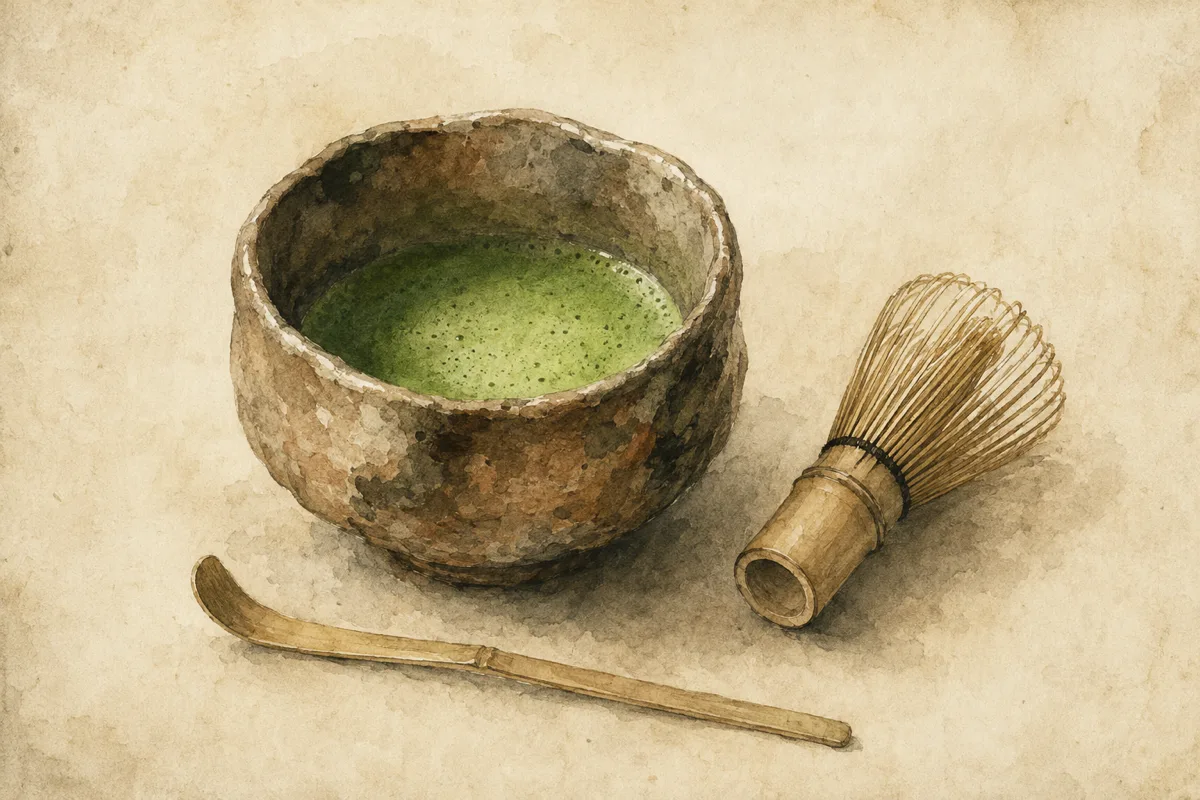
The 'ceremony' behind 'ceremonial grade' is chanoyu, a philosophy of hospitality and impermanence. Sen no Rikyū perfected it as wabi-cha; its spirit is four characters, wa-kei-sei-jaku; its most quoted idea is ichi-go ichi-e, one meeting that can never come again. This is that world, grounded in what the tea schools and museums say.