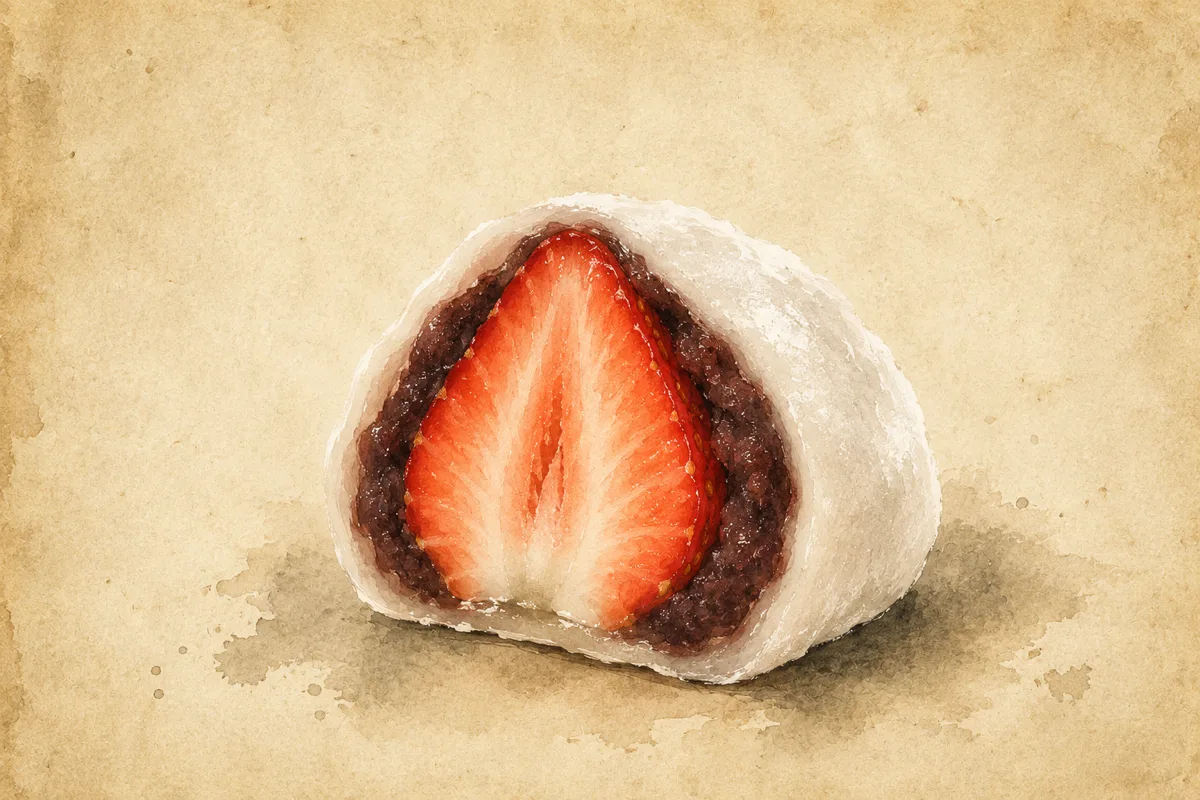
That whole strawberry wrapped in soft mochi and sweet bean paste looks like something out of a centuries-old teahouse. In fact, ichigo daifuku was invented in the 1980s (most credit a Tokyo shop in 1985), and its real inspiration was Western strawberry shortcake. This is what it is, who made it, why the bean paste matters, and why strawberries are a winter fruit in Japan.
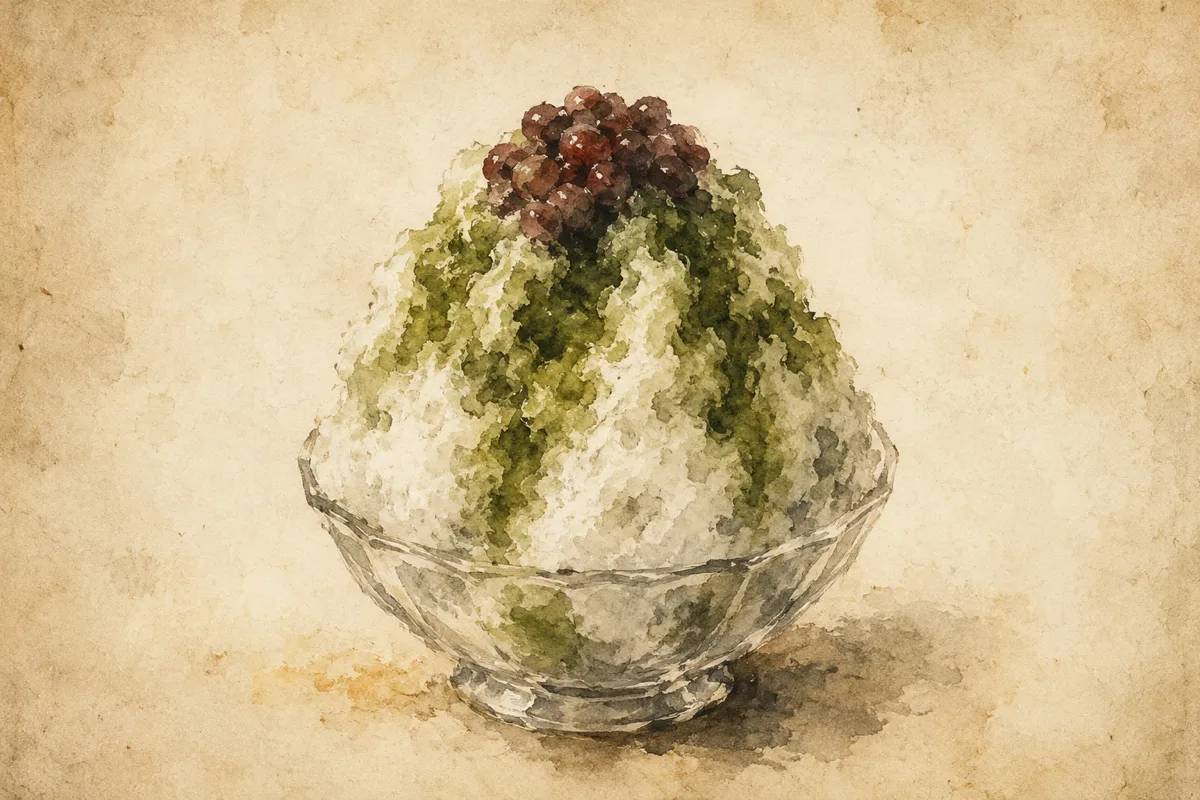
That towering, snow-soft mound of shaved ice you saw in a Kyoto café isn't a snow cone. This is what kakigōri actually is: why the ice melts on your tongue instead of crunching, how a Heian court lady wrote it down in the year 1002, and what Uji kintoki, natural ice, and a carpenter's-plane blade have to do with it.
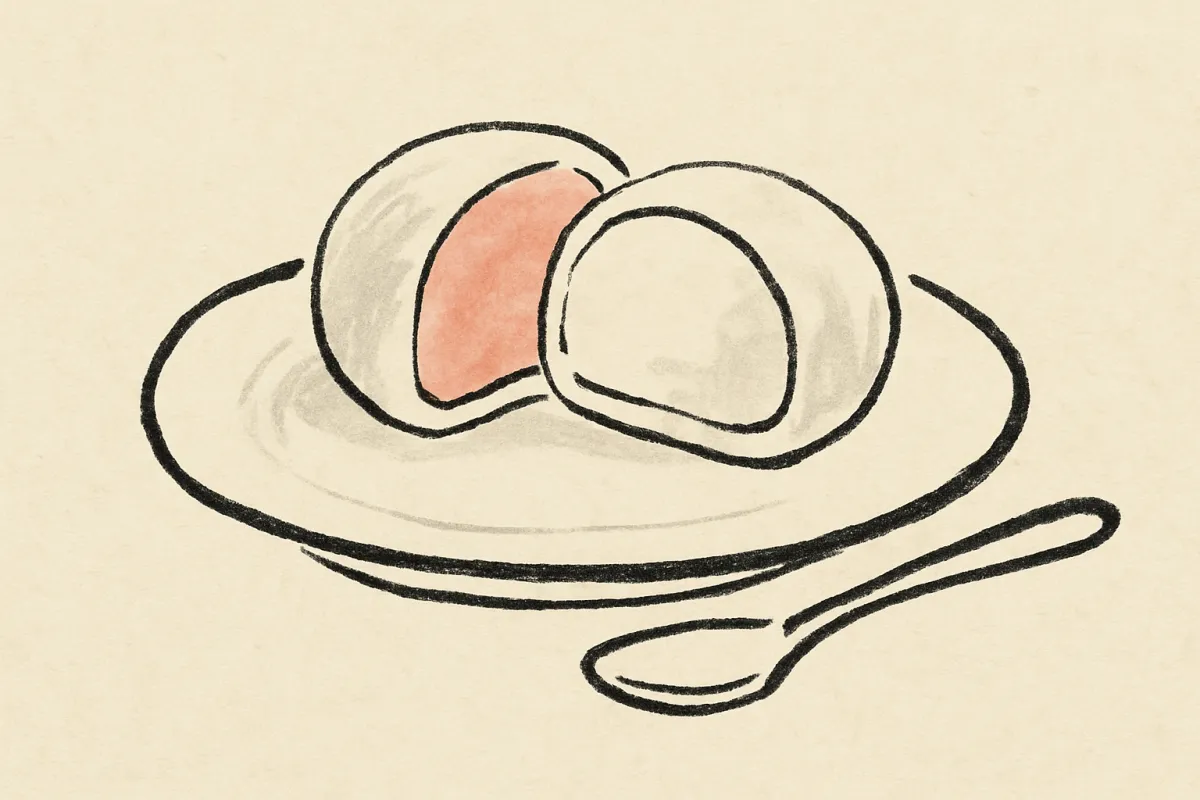
Is the mochi ice cream from Trader Joe's a real Japanese sweet or an American invention? The answer is both. Its roots are daifuku, Lotte invented the ice-cream version in Japan in 1981, and a Japanese-American named Frances Hashimoto put it in US supermarkets in 1993.
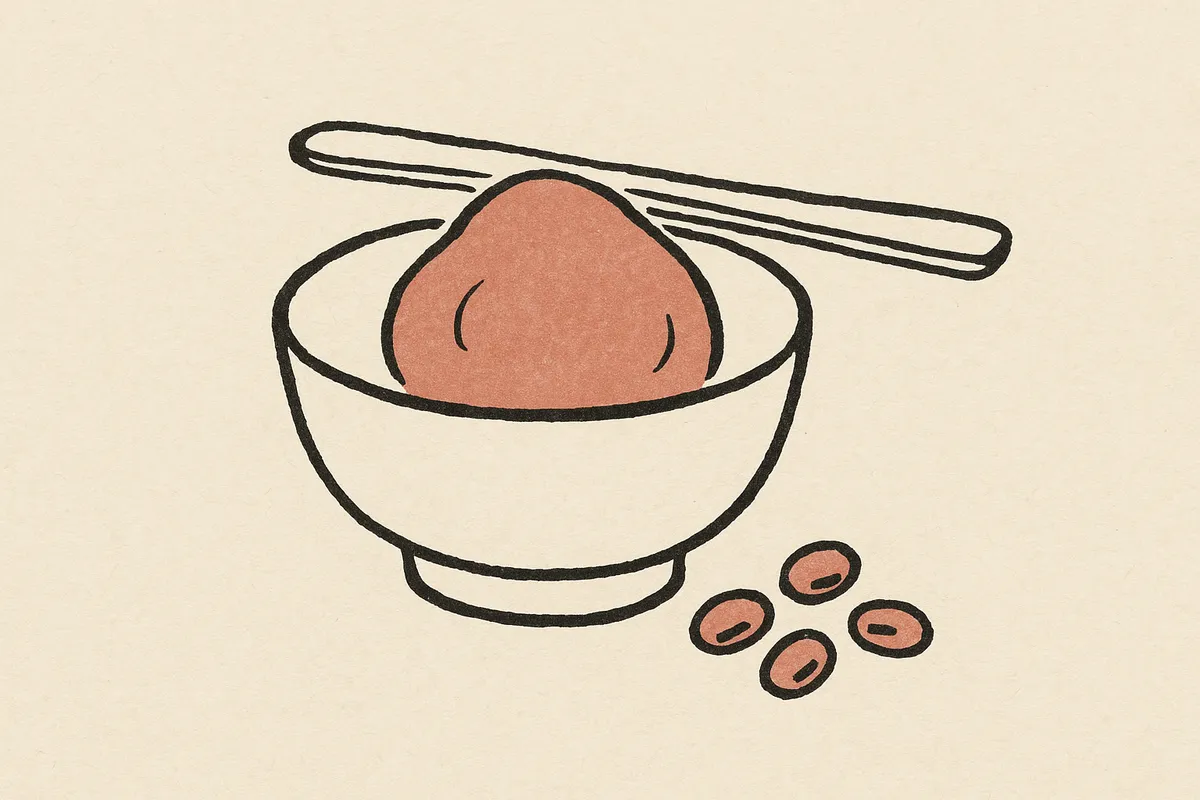
Cut open almost any Japanese sweet and you find a paste of sweetened beans. This is what anko is (azuki plus sugar), why a bean became Japan's dessert, and how to tell tsubuan from koshian from white shiroan before you order.
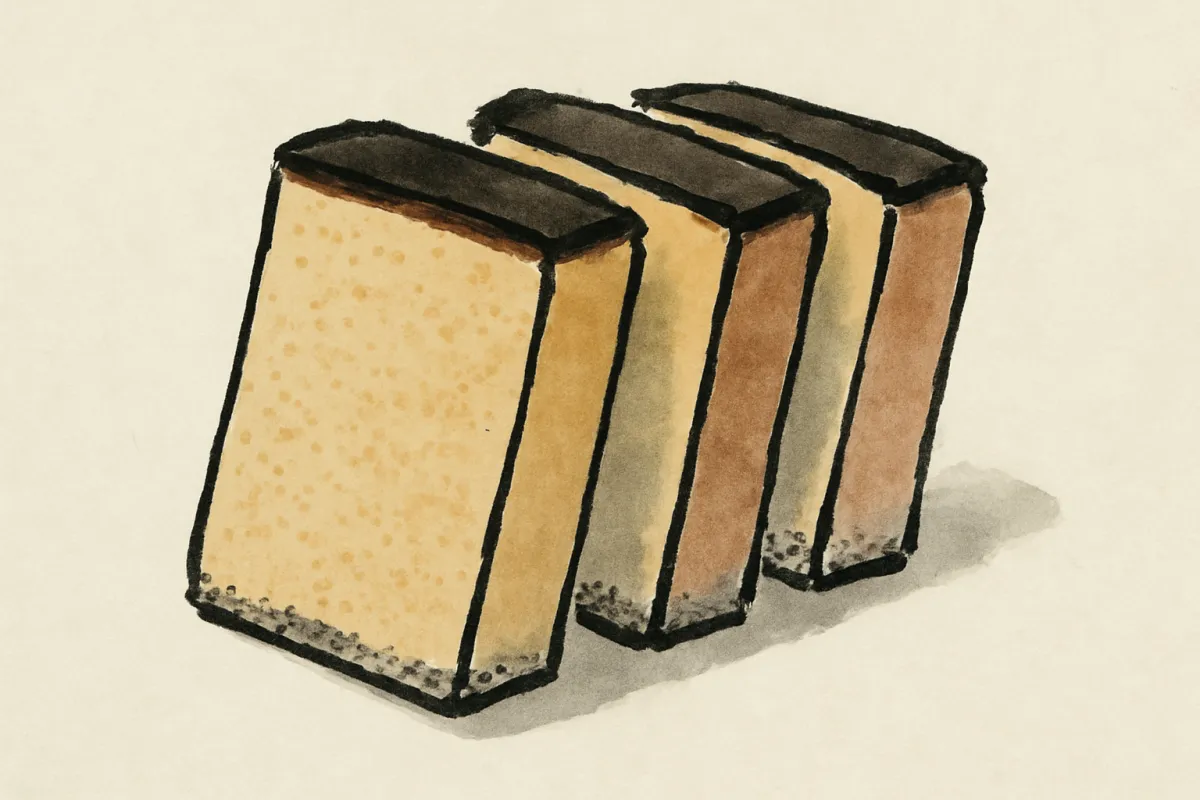
That moist, square Japanese sponge with a sugar-crusted bottom came from Portugal in the 16th century. Here's what castella is: the four ingredients and three deliberate absences that make it 'Japanese,' why it uses bread flour, and how Nagasaki houses have baked it since 1624.
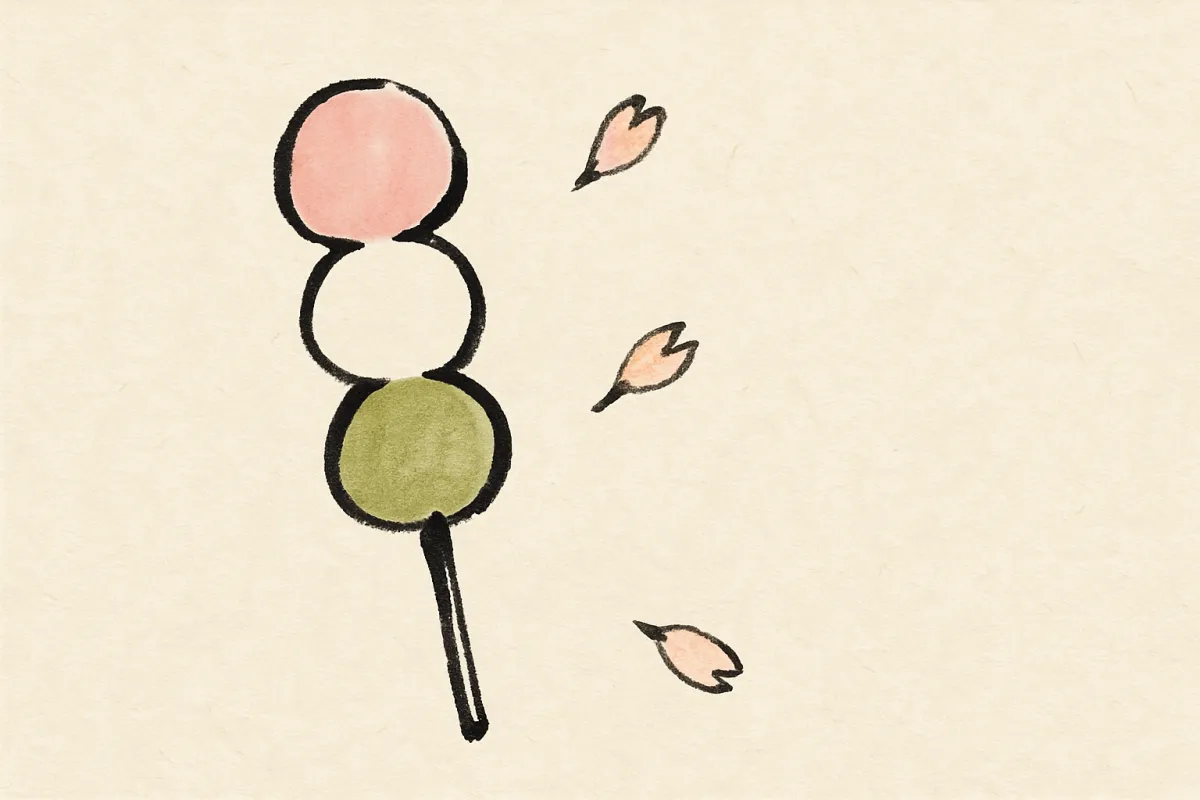
Those glossy balls on a bamboo stick, three colors at cherry-blossom time or glazed and grilled, aren't mochi. Dango is boiled rice flour rather than pounded rice; this guide covers why, how an 18th-century coin set the skewer at four, and what mitarashi, hanami, and tsukimi dango mean.
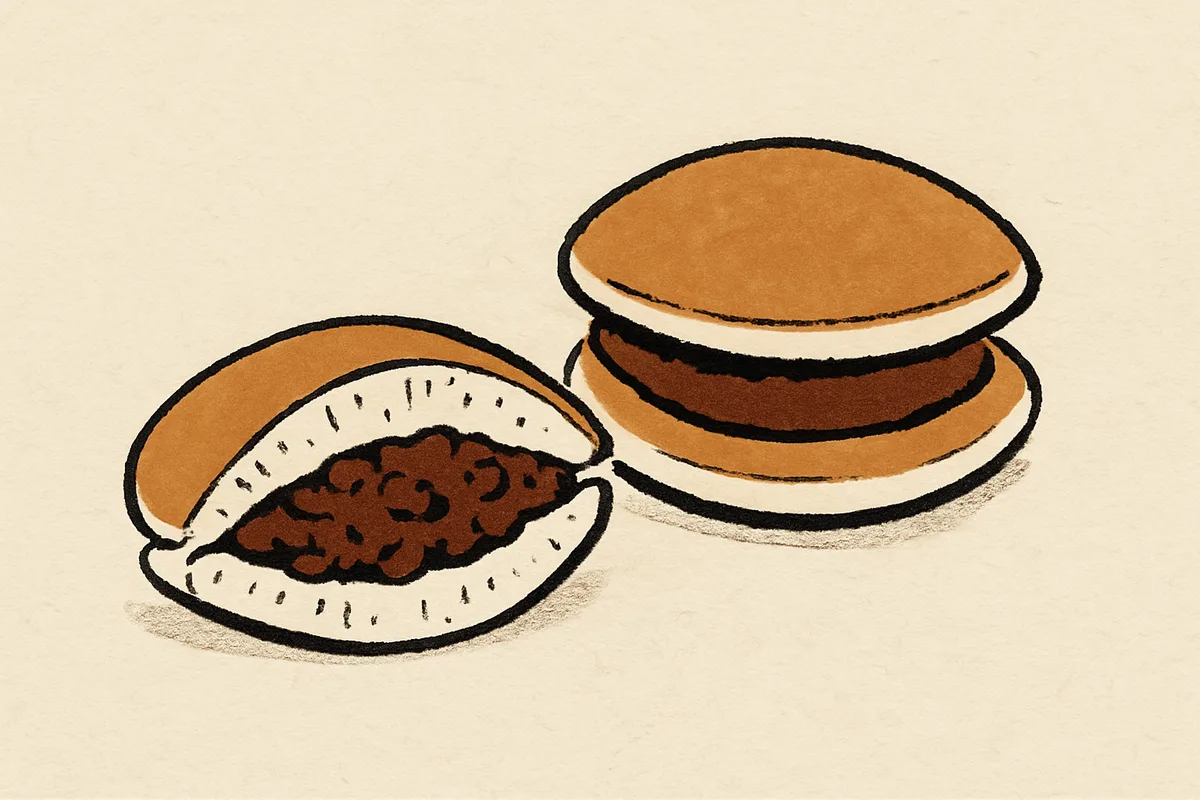
The wagashi most people know by name without knowing what it is. Dorayaki is two little castella sponges around sweet azuki paste. Why 'red bean pancake' gets it wrong, where the gong-shaped name comes from, the warrior-monk legend behind it, and why the round sandwich is barely a century old.
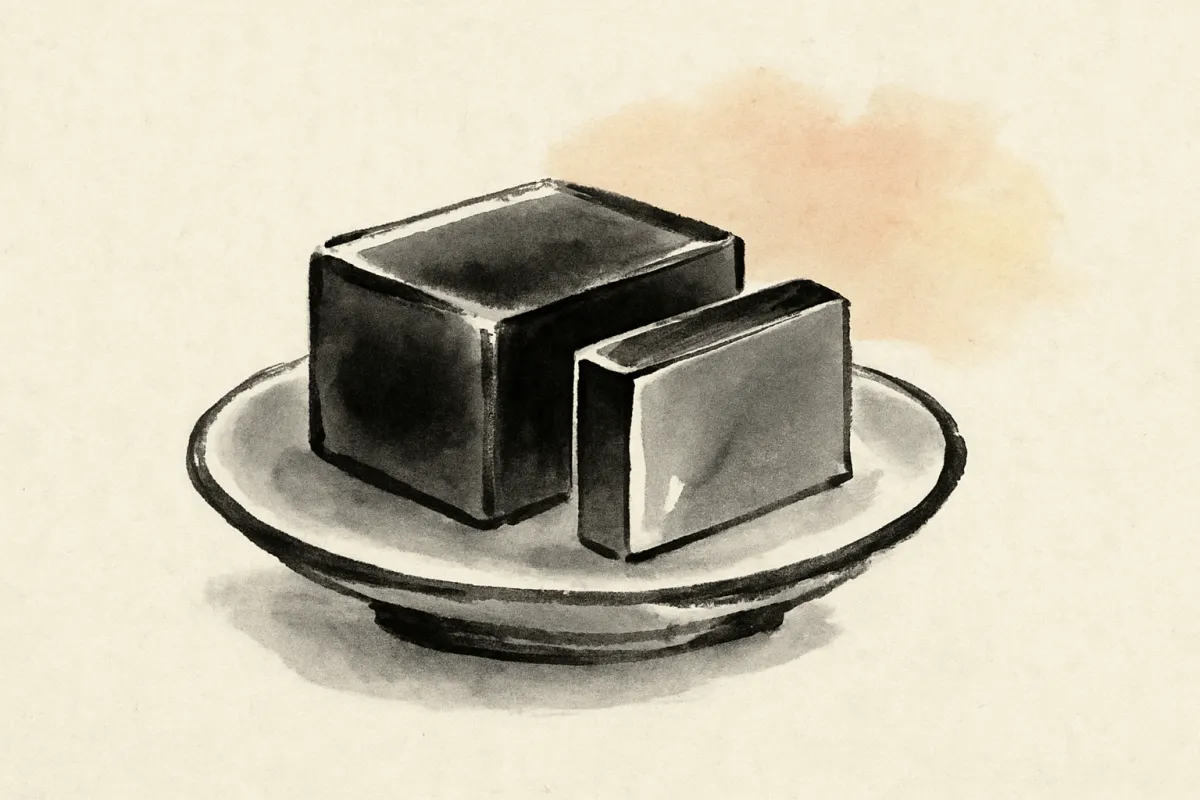
That clear, firm jelly in yōkan and anmitsu, and the 'agar agar' in your vegan recipe, is one material: kanten, a gelling agent pulled from red seaweed. What it is, why it sets firm at room temperature instead of melting like gelatin, how a thrown-out snack froze into it one Kyoto winter, and why it ended up under a microscope.
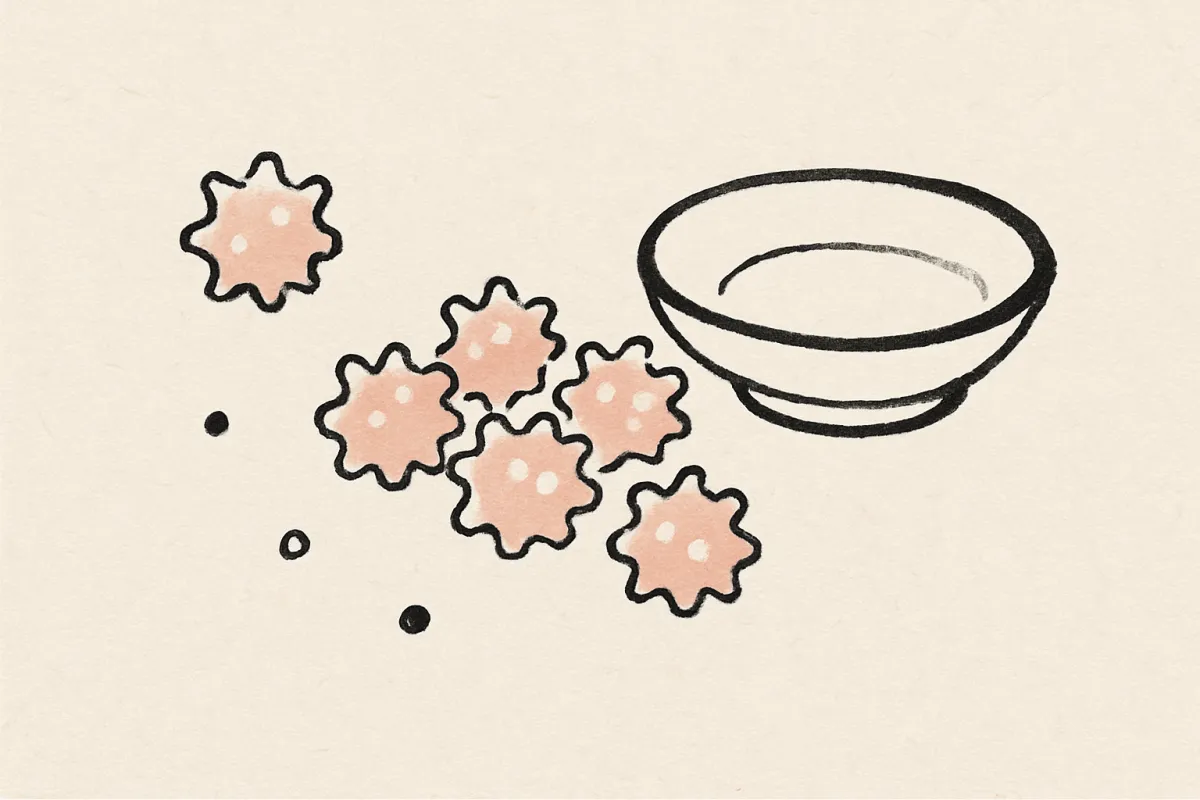
Those colorful, spiky star-shaped sugar beads the soot sprites eat in Spirited Away are konpeitō. Here's what konpeitō actually is: a 16th-century Portuguese candy whose points aren't carved but grow themselves over 7–13 days in a rotating copper drum — the same sweet the Japanese Emperor still gives in silver boxes and Japan's last specialist has made in Kyoto since 1847.
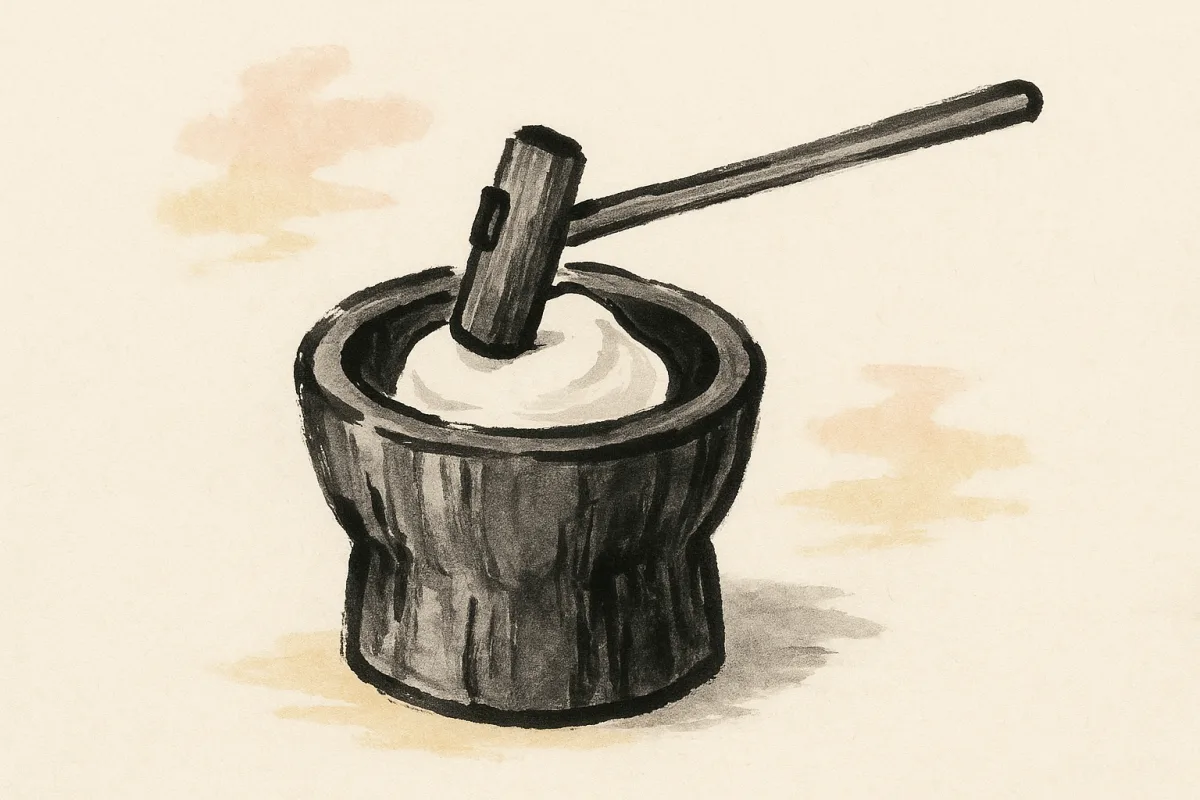
That glossy white blob that stretches into ropes is made of one thing: rice. What mochi is, the starch quirk that makes it so chewy, why it belongs to New Year, why much of what's called 'mochi' isn't pounded at all, and why it's a real choking hazard.
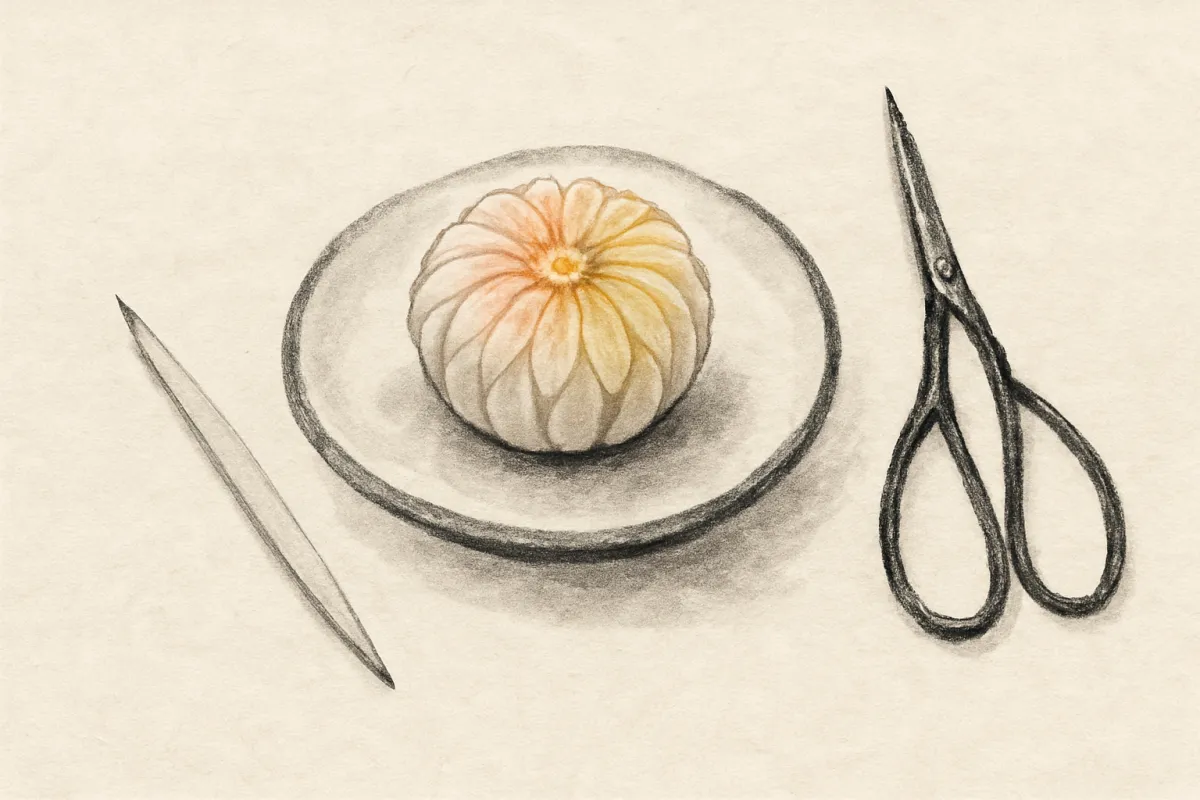
The tiny sculpted flower beside your matcha is nerikiri — a hand-shaped fresh sweet made not from red bean but from white-bean paste and a binder. What it is, why plain bean paste can't hold a shape, why 'kneaded and cut' is literal, its steamed Kyoto twin konashi, the poem hidden in its name, and why Japan made the whole craft a protected cultural property in 2022.
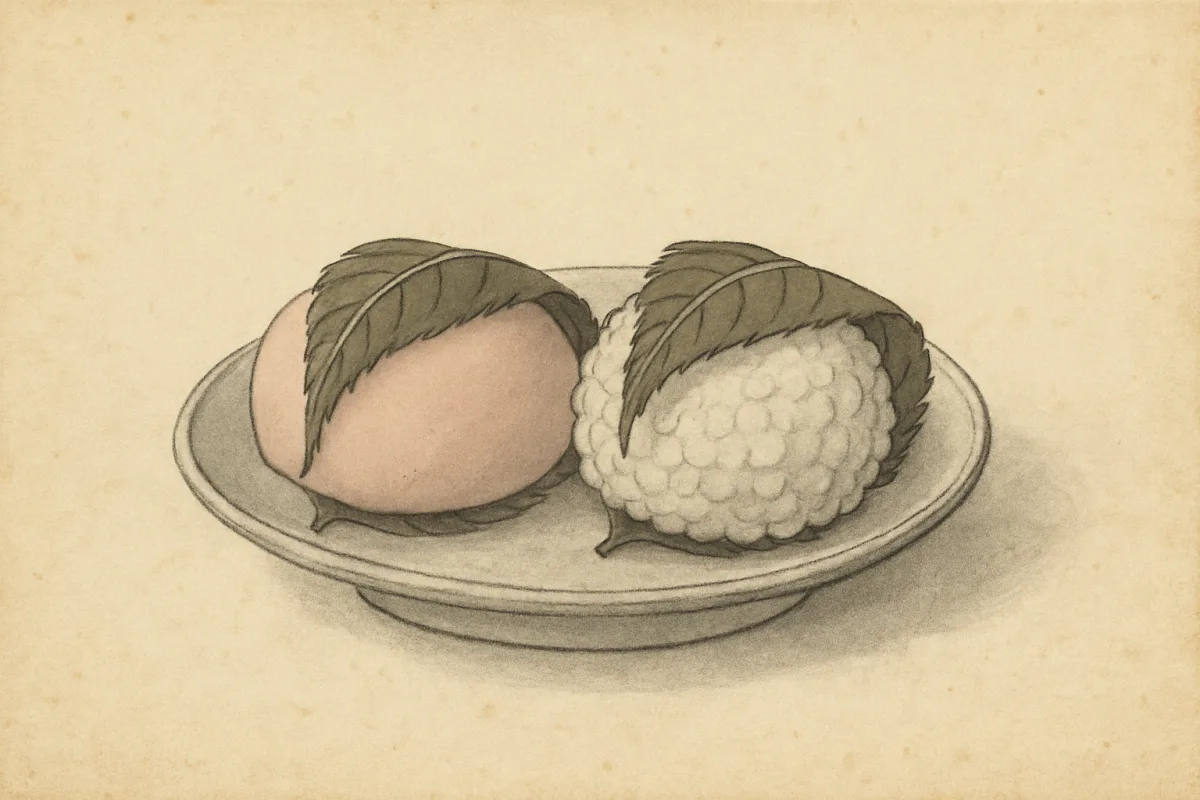
That pink, cherry-leaf-wrapped sweet at hanami is sakura mochi, though the name covers two sweets that look nothing alike: Tokyo's smooth crêpe and Osaka's grainy rice. How to tell them apart, why it's wrapped in a salted leaf, and whether you eat the leaf.
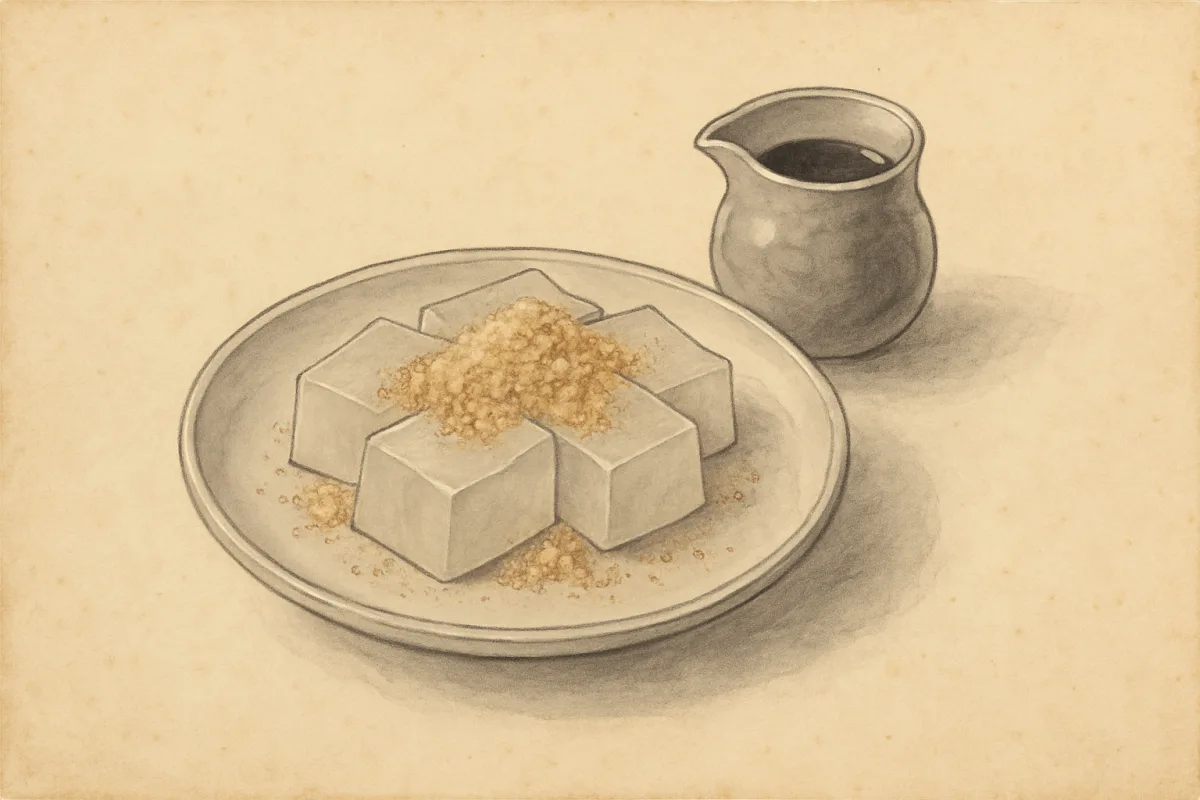
That translucent, jiggly, kinako-dusted cube you met at a summer café isn't mochi at all. There's no rice in it. It's a jelly set from warabiko, the starch of a fern root. What warabi mochi is, why it's a summer sweet, and how to tell real hon-warabiko from the cheap sweet-potato and tapioca fakes: the pure-looking clear one is usually the substitute.
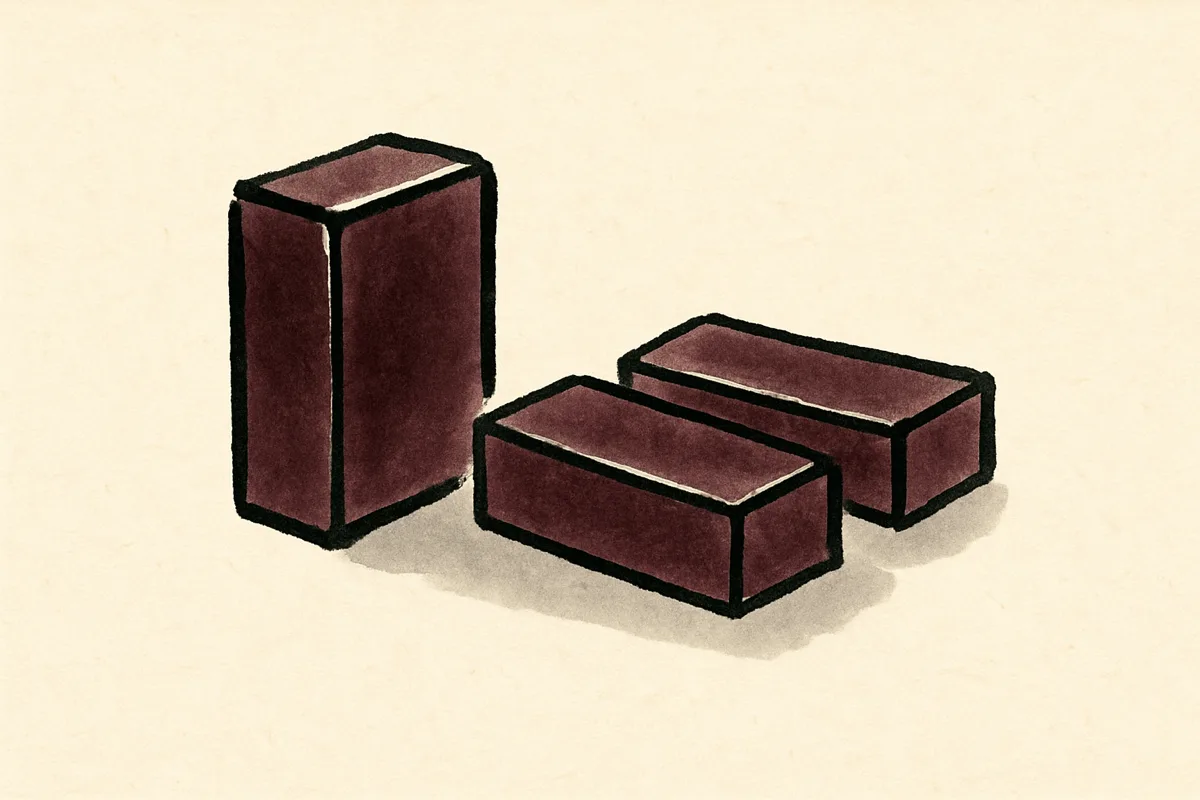
That firm, sliceable block of sweet bean jelly at a tea table or in a souvenir box is yokan — anko set with agar and a lot of sugar. Here's what it is: the difference between neri and mizu and mushi, why it keeps for years unopened, and how it became emergency food and JAXA-certified space food.
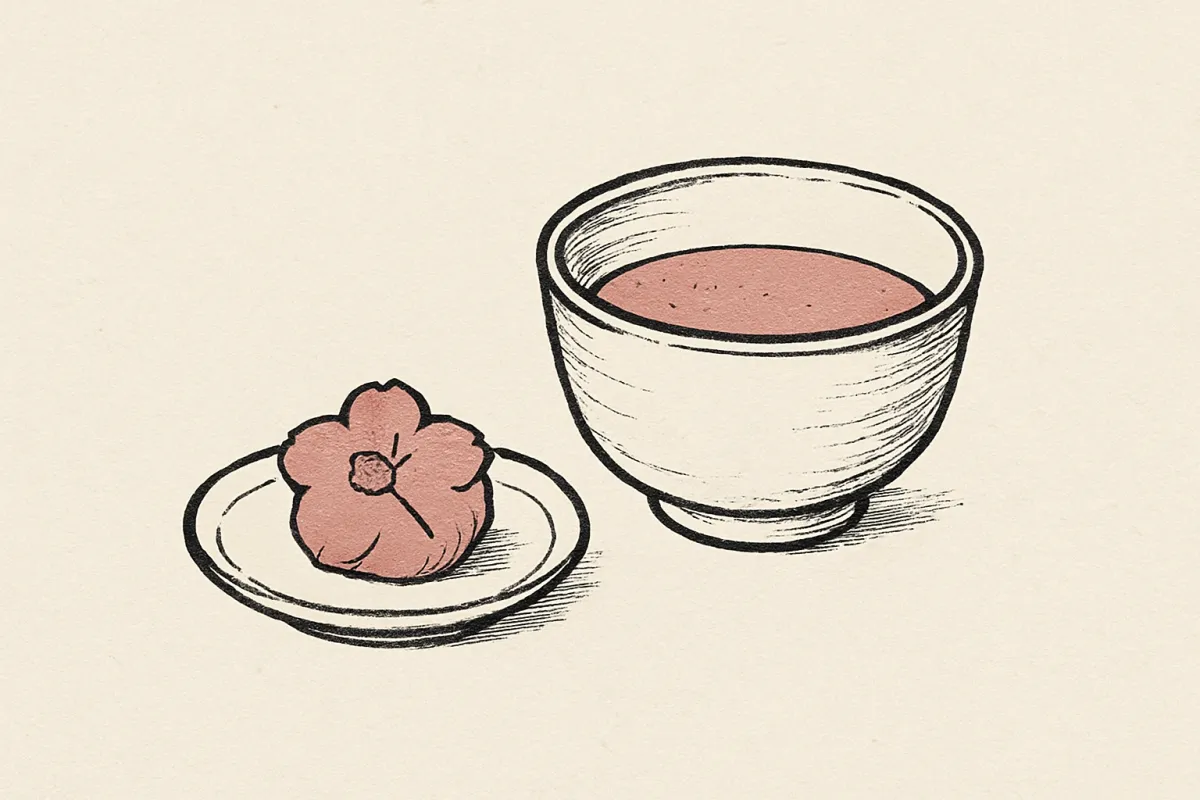
In a Japanese tea gathering, the sweet comes before the matcha, not after. The reasons involve taste, the stomach, and timing. This explains how omogashi and higashi work, why they're served when they are, and what to do as a guest.
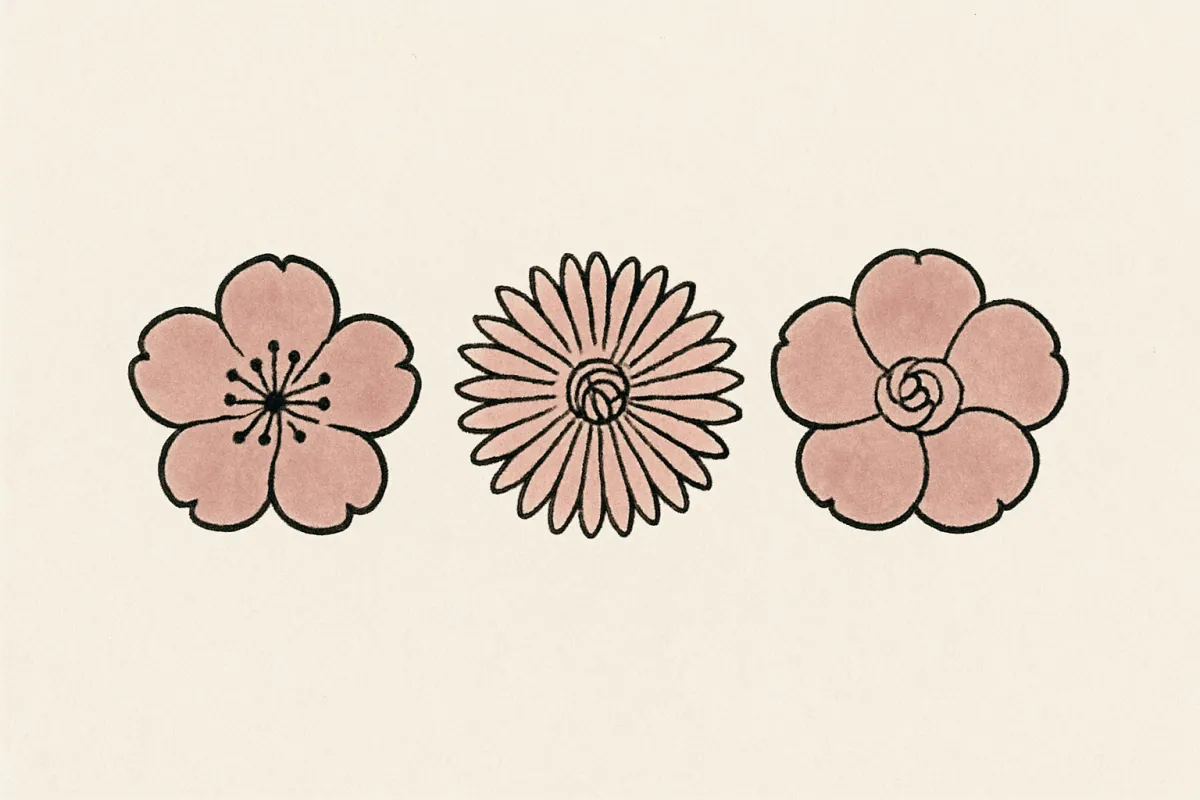
The best Japanese sweets aren't fixed recipes. They're a calendar. A wagashi shaped like a half-melted clear stream means July; an unhusked rice motif means harvest. This is how jonamagashi read the seasons, and the motifs to watch for month by month.
Mochi, daifuku, dorayaki, yokan, manju, nerikiri all get called 'Japanese sweets,' but they're built from different doughs, fillings, and intentions. How to tell them apart, what's inside each one, and how to order without guessing.