Matcha, sencha, and gyokuro all come from the same plant, Camellia sinensis. What separates them is two decisions: whether the leaf grows in sun or shade, and whether you grind it to powder or steep it in a pot. This lays out brewing temperatures, caffeine, and flavor side by side.
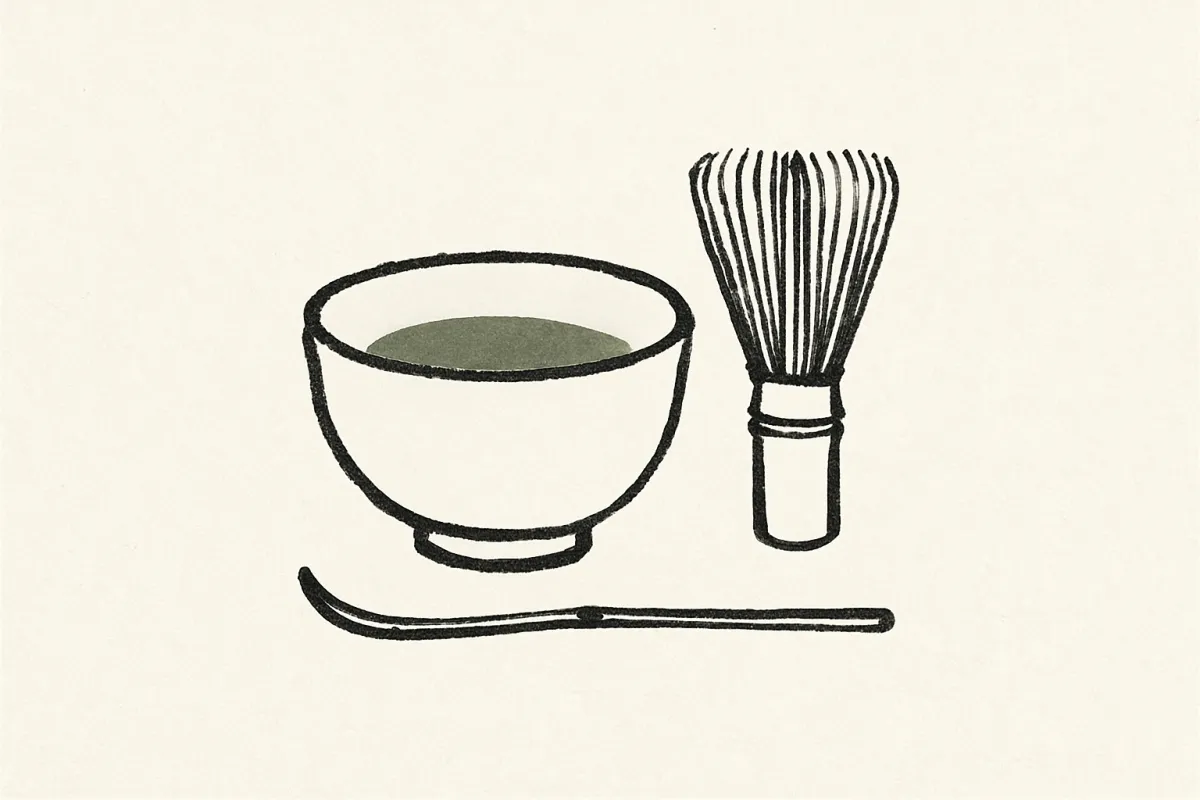
New to matcha? Start here. This is the short path from never having whisked a bowl to drinking matcha you actually like: what it is, which tin to buy first, the few tools you need, and the two habits that prevent most bad bowls. Each step hands off to a deeper guide.
"Ceremonial grade" is printed on $8 tins and $80 tins alike, with no standard in between. Here is what the label signals, what it hides, and how Japan sorts its matcha.
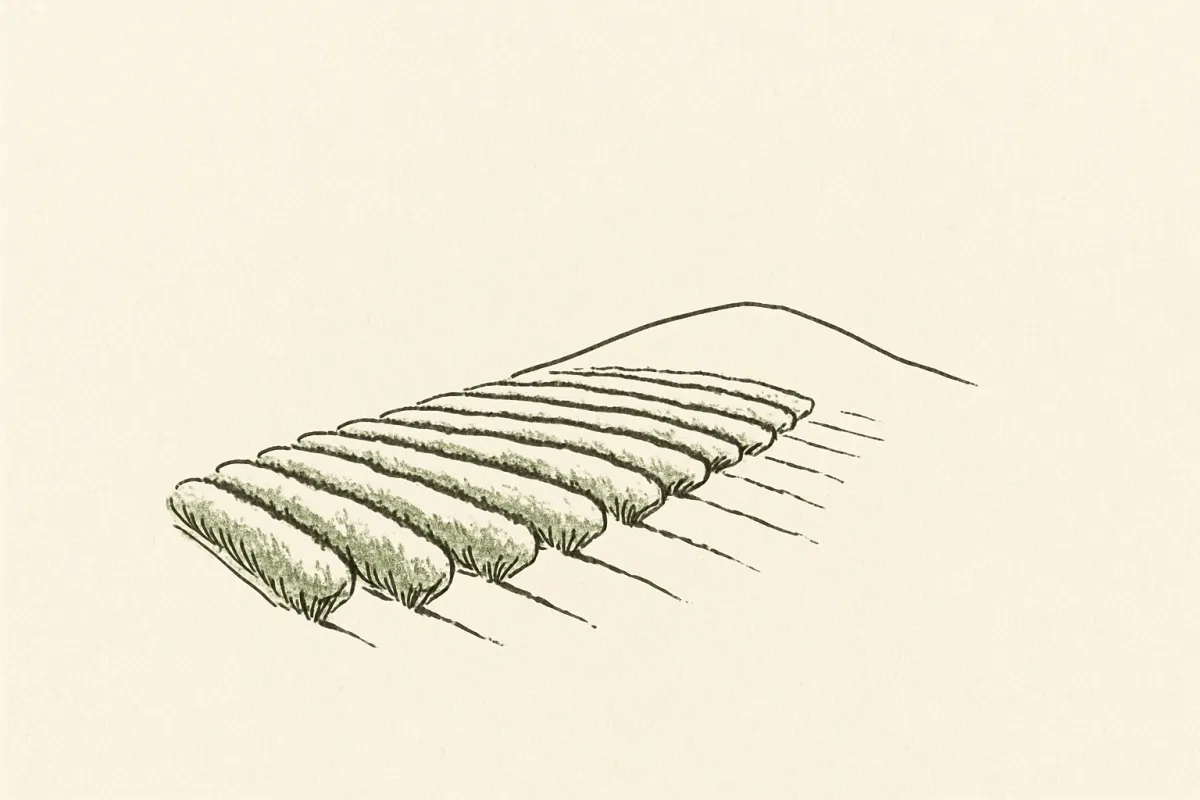
A spring frost gutted Kyoto's 2025 harvest while Kagoshima quietly became Japan's largest tea producer for the first time on record. Where matcha comes from has never mattered more. A field guide to the four regions and the leaf behind all of them.
A 300-year-old Kyoto tea house sold nine months of stock in a single month, then began discontinuing product lines. The 2026 shortage isn't a blip. It's a structural collision between centuries-old farming and viral demand, told in the numbers English-language news mostly skipped.
Coffee gives sharp focus, then a cliff. Matcha drinkers report a slower, calmer arc from the same caffeine molecule. The difference points to one amino acid, L-theanine. This walks through what studies suggest and where the evidence stops.
There's fake ceremonial matcha on Amazon for $8 that looks like cut grass, and dyed-green fakes for $35. Telling them apart isn't complicated: check color, origin, and price per gram. The complete buyer's guide.
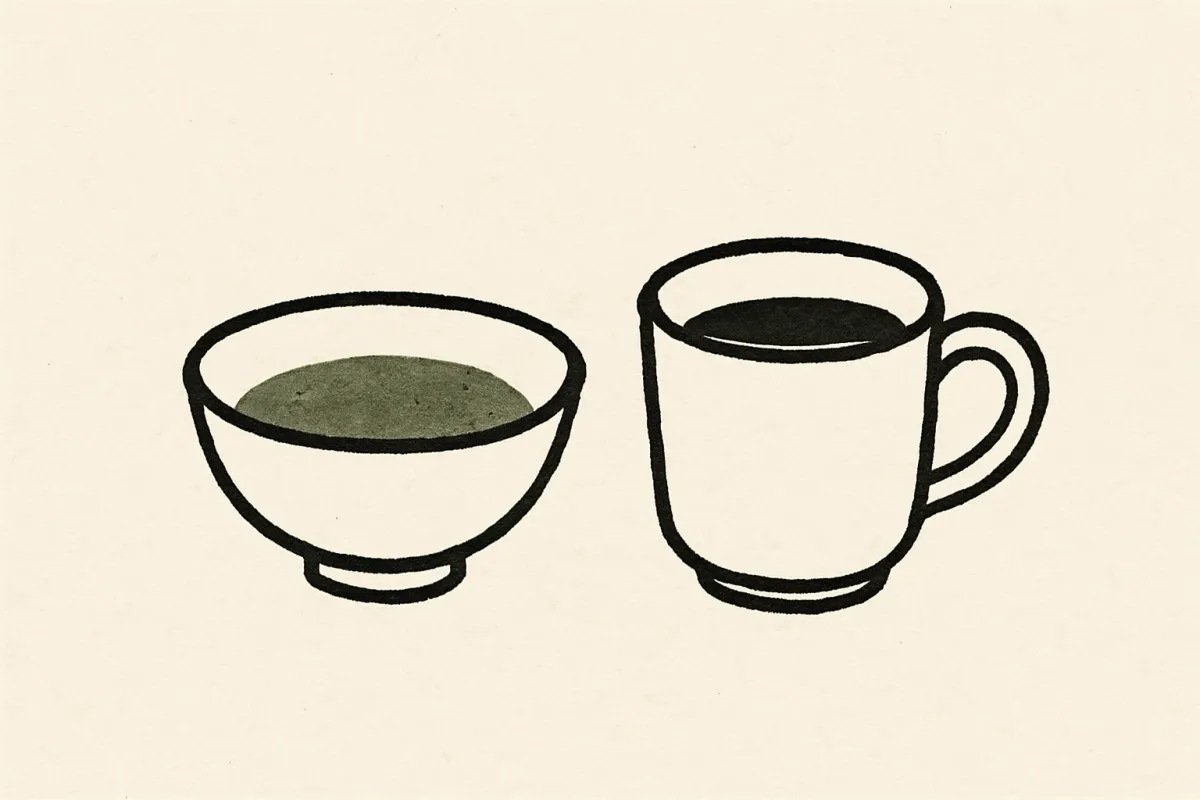
Coffee and matcha run on the same caffeine molecule, yet they feel different in the cup, and their health profiles diverge significantly. A side-by-side comparison on antioxidants, anxiety, liver health, and focus, plus what to expect when you switch.
A matcha latte is a paste problem before it is a milk problem. Whisk the powder smooth with a little hot water first, then build hot or iced. Here are the measures, the milks compared, and the fix for clumpy, bitter cups.
Matcha is a heavily studied green tea, and the research is genuinely interesting — but most articles stretch it past what studies support. Here is what EGCG, L-theanine, and antioxidants actually do, what they cannot yet prove, and what grade does (and doesn't) change.
Matcha does appear to influence metabolism, but the effect is modest, the mechanisms are real, and most articles exaggerate both. This is what EGCG and caffeine do to fat oxidation, what the numbers actually mean, and the one practical swap that outperforms every direct fat-burning claim.
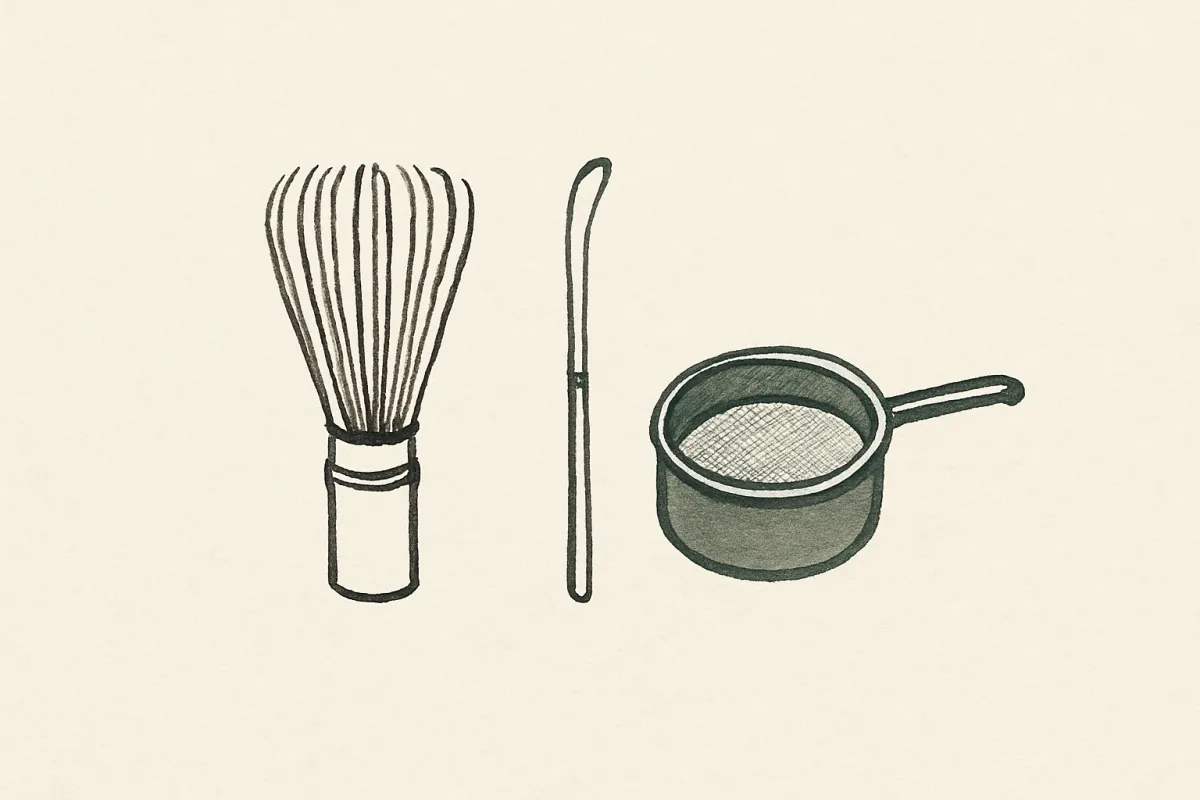
Three tools make good matcha: a fine-mesh sifter, a whisk, and a wide bowl. Everything else is a comfort upgrade. A tool-by-tool breakdown, with prices, kitchen substitutes, and what changes if you only ever drink lattes.
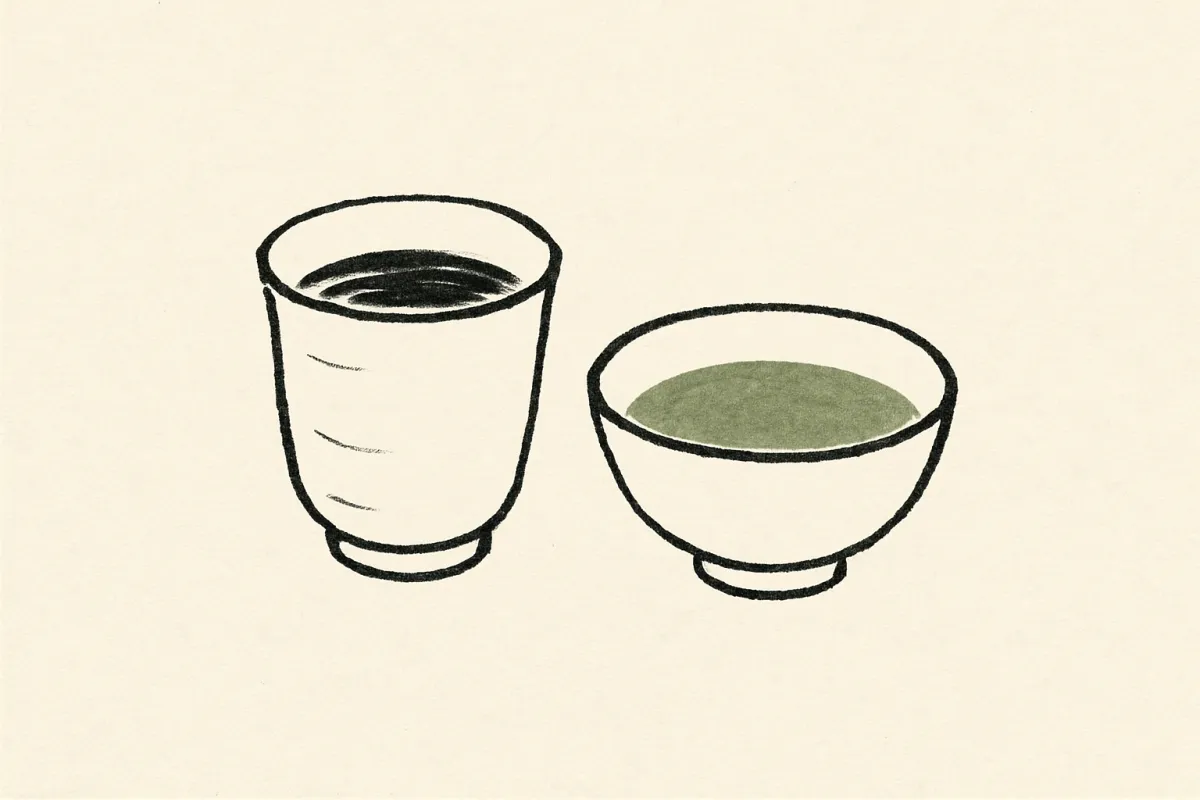
Hojicha has roughly 7–20 mg of caffeine per cup; matcha has around 38–89 mg per 2 g serving. That single gap explains most of why people choose one over the other — but the real reason hojicha is gentle isn't roasting. Here is the full comparison.
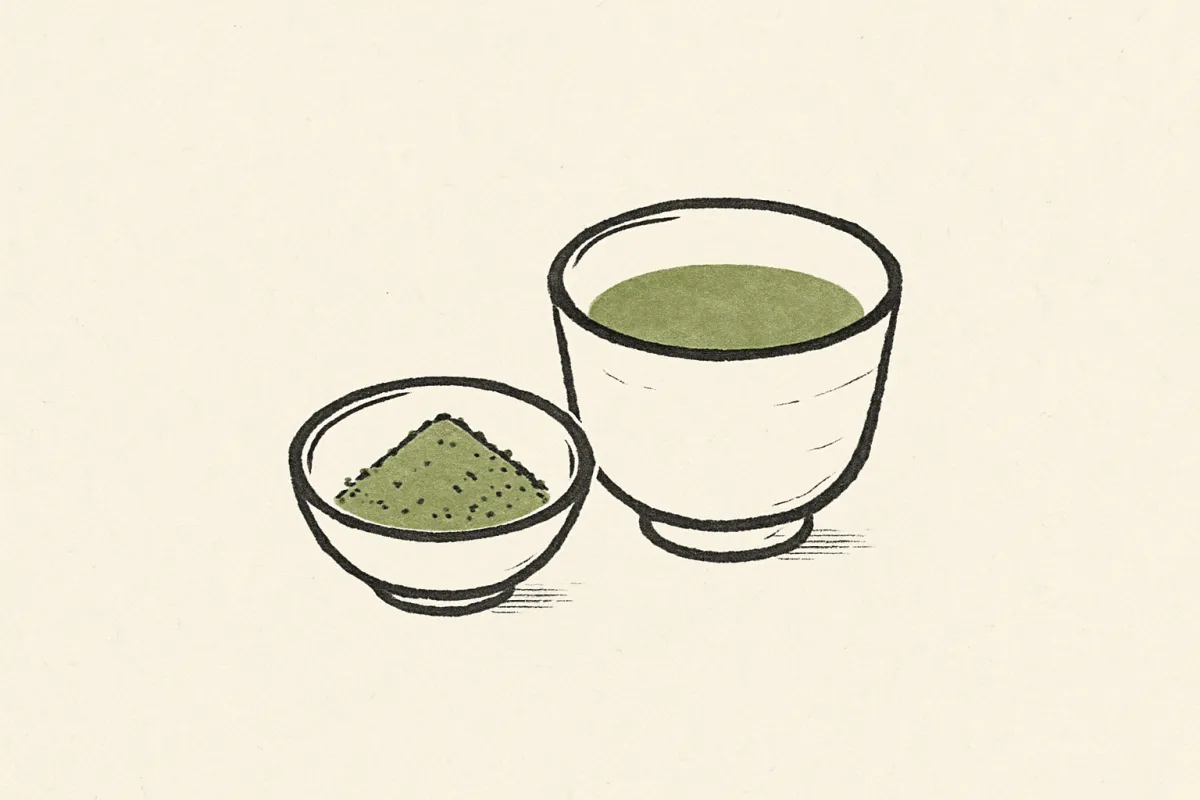
Yes, matcha is green tea: it comes from the same plant as the sencha in your everyday cup. Matcha differs in one way: it's the whole leaf ground to powder and whisked in, not steeped and strained off. A plain answer for anyone who drinks regular green tea and wonders what makes matcha different.
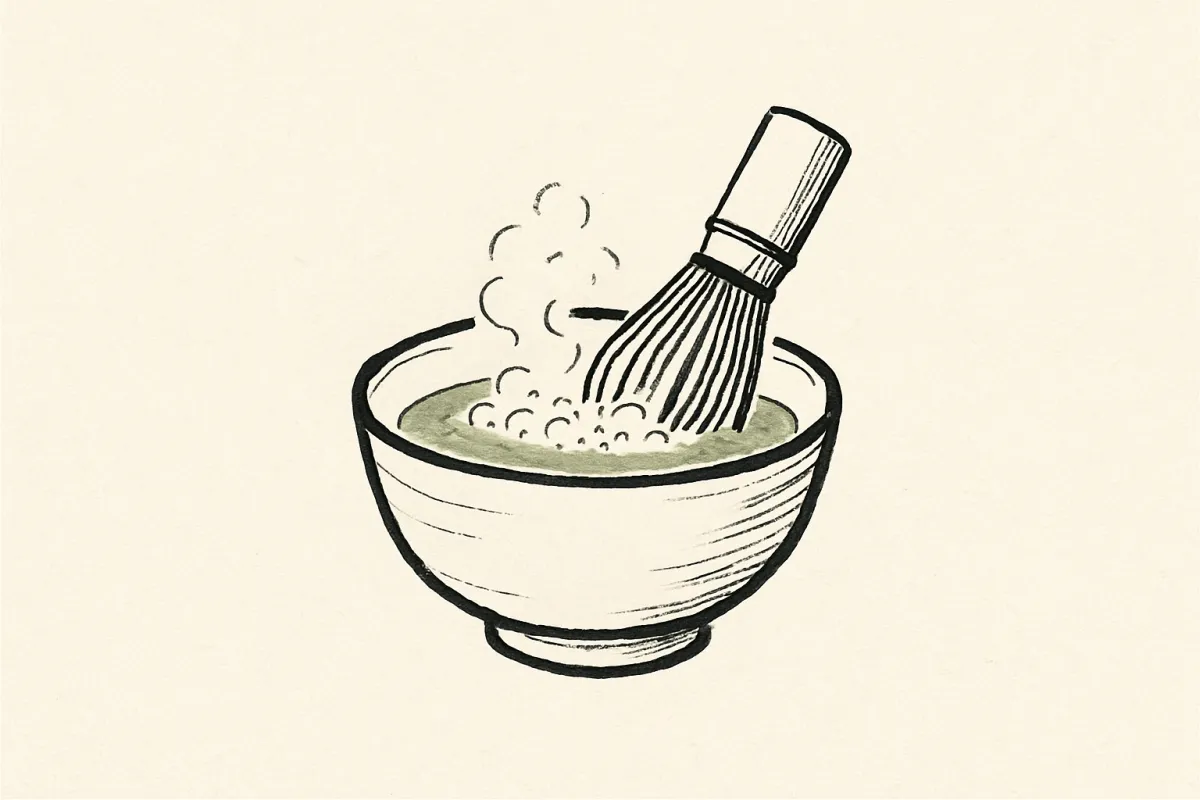
Most people make matcha bitter in exactly the same two ways: water too hot, and skipping the sieve. Correct those and you've fixed 80 percent of it. The full guide, from equipment to thick tea.
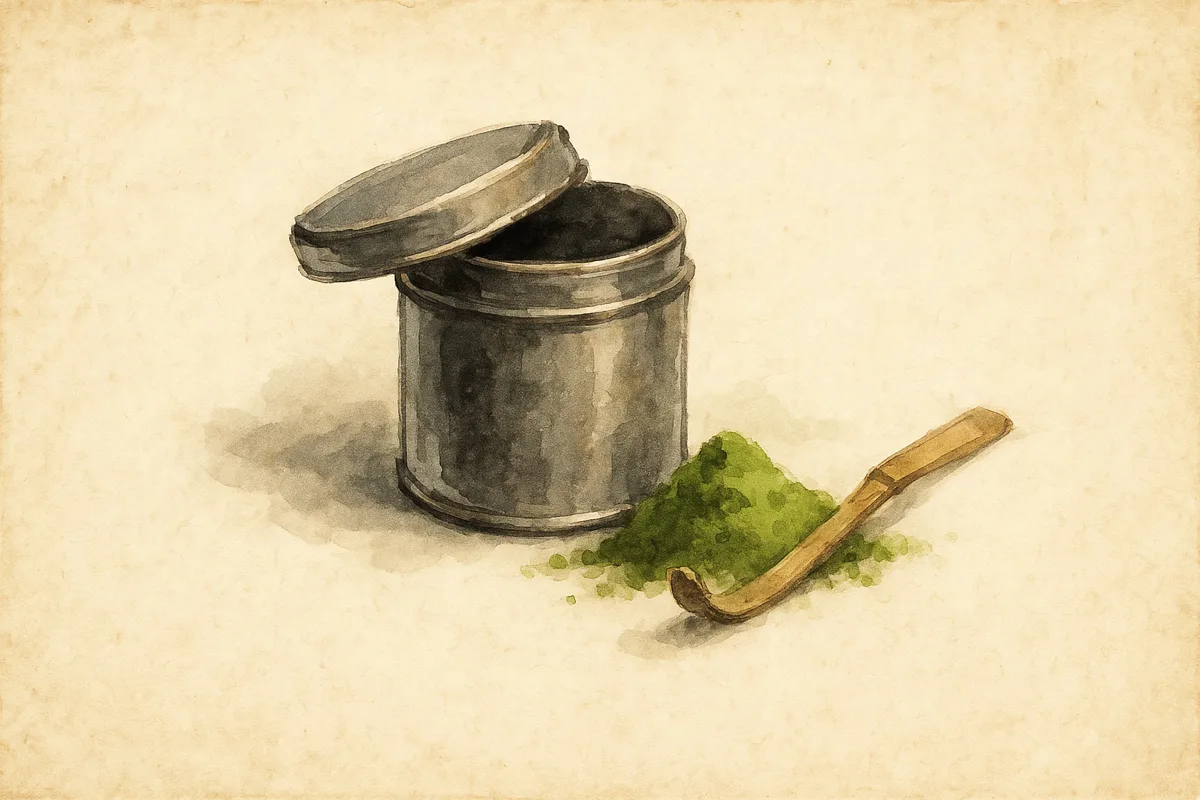
Matcha almost never 'goes bad'; it fades. The only true reason to throw it out is mold. Everything else is oxidation, which you slow by keeping it airtight, opaque, cool, and dry. The counter-intuitive mistake is opening a cold tin straight from the fridge. Includes the real freshness windows from Japanese producers.
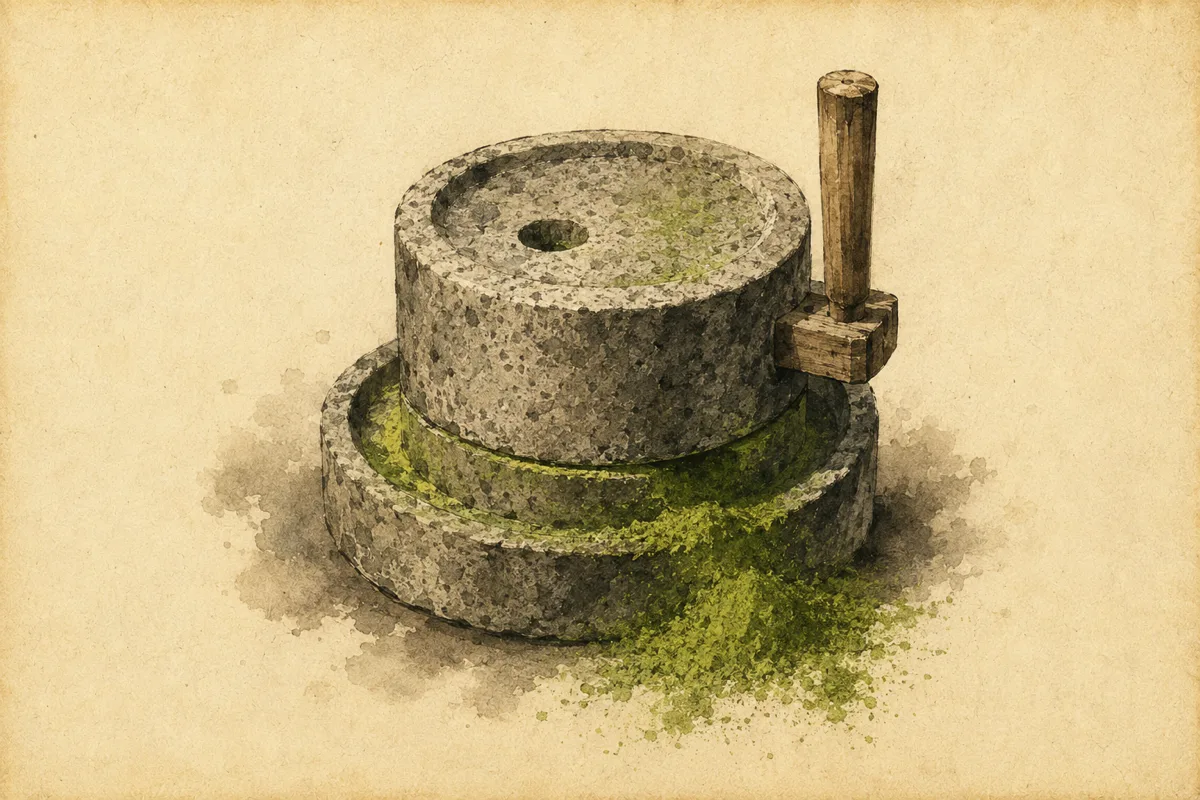
Matcha isn't a plant or a blend — it's a process. The same bush that gives you ordinary green tea becomes matcha only by passing through a specific chain: shade the field for three weeks, steam and dry the leaf flat but never roll it, strip out every stem and vein, then grind what's left on a granite stone mill that yields about 40 grams an hour. Each fork in that chain is why matcha tastes, looks, and costs the way it does.
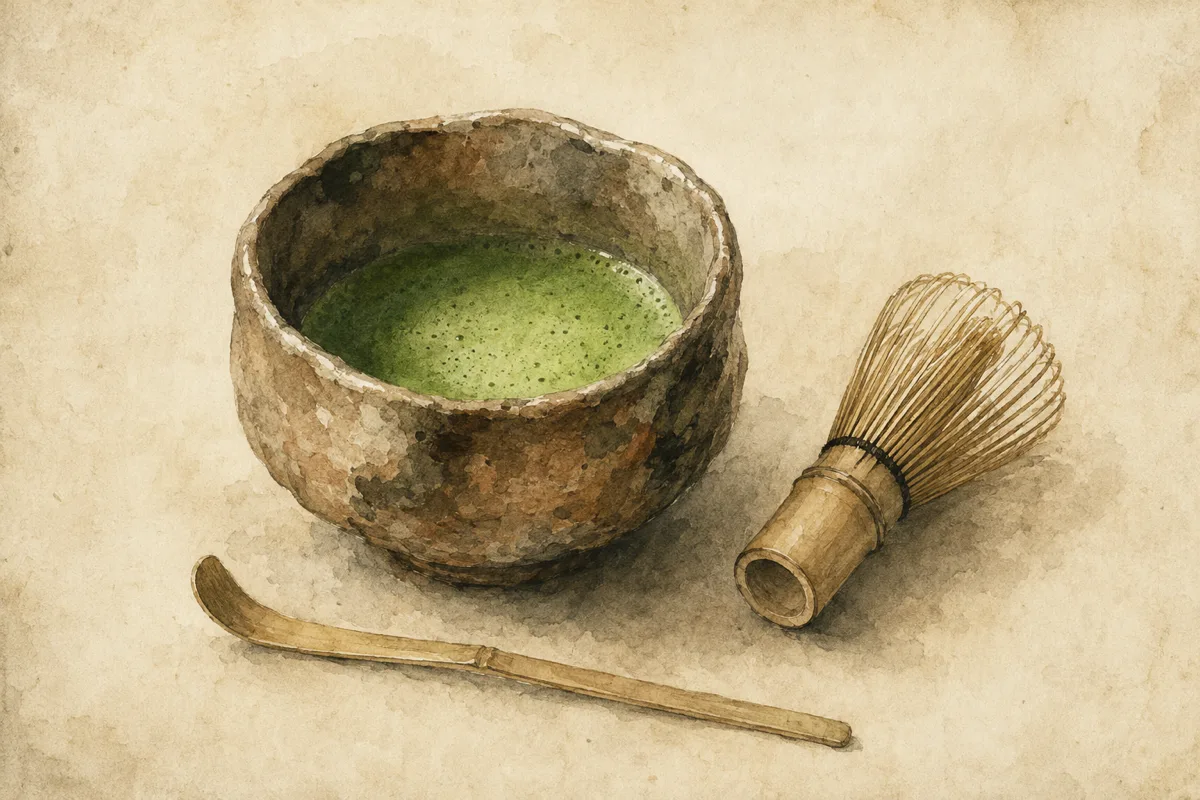
The 'ceremony' behind 'ceremonial grade' is chanoyu, a philosophy of hospitality and impermanence. Sen no Rikyū perfected it as wabi-cha; its spirit is four characters, wa-kei-sei-jaku; its most quoted idea is ichi-go ichi-e, one meeting that can never come again. This is that world, grounded in what the tea schools and museums say.