Sake almost never becomes unsafe — it fades. The one true reason to pour it out is when a clear bottle turns cloudy. Everything else is oxidation you can slow with three moves sake doesn't share with wine: keep it upright, keep it dark, keep it cold. Plus the split that decides everything — pasteurized keeps for months, unpasteurized nama must live in the fridge — and the real opened-bottle windows, in a table.
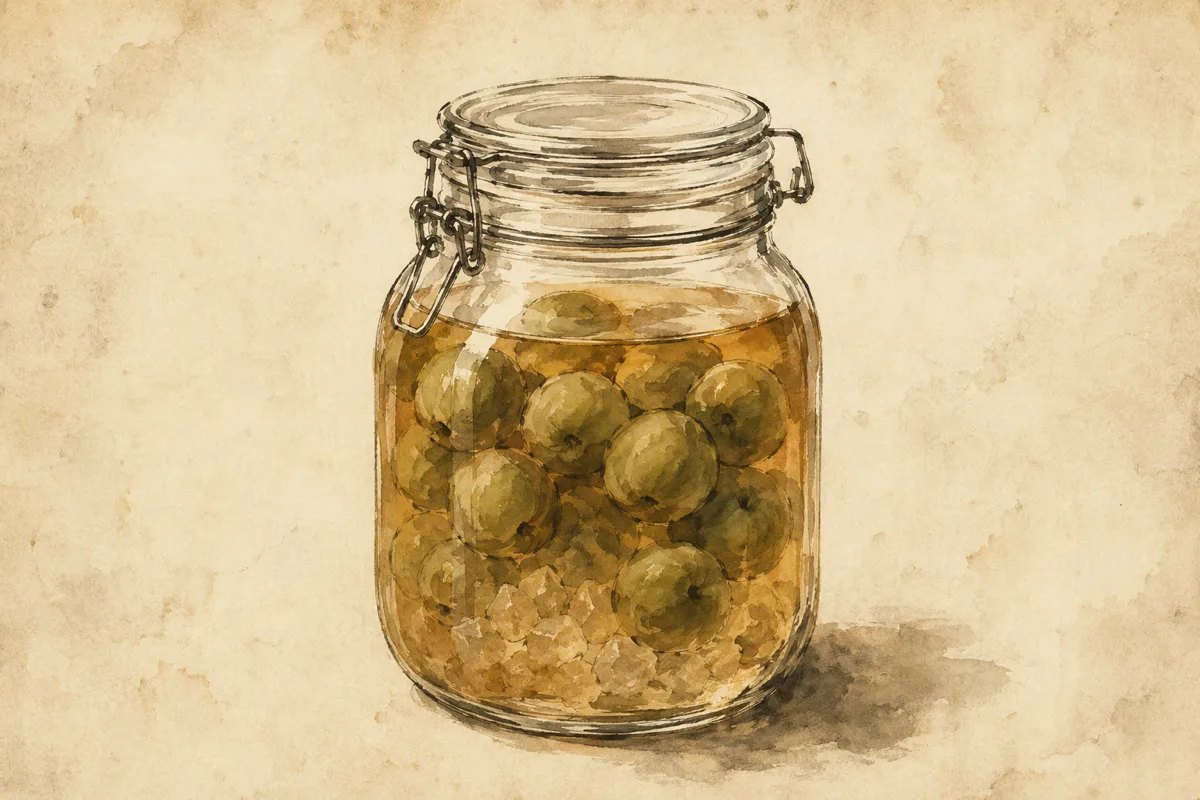
Umeshu is an infused liqueur: green ume and sugar steeped in spirit, never fermented, so "plum wine" is wrong twice over. What the base spirit changes, sweet vs dry, and how to drink it.
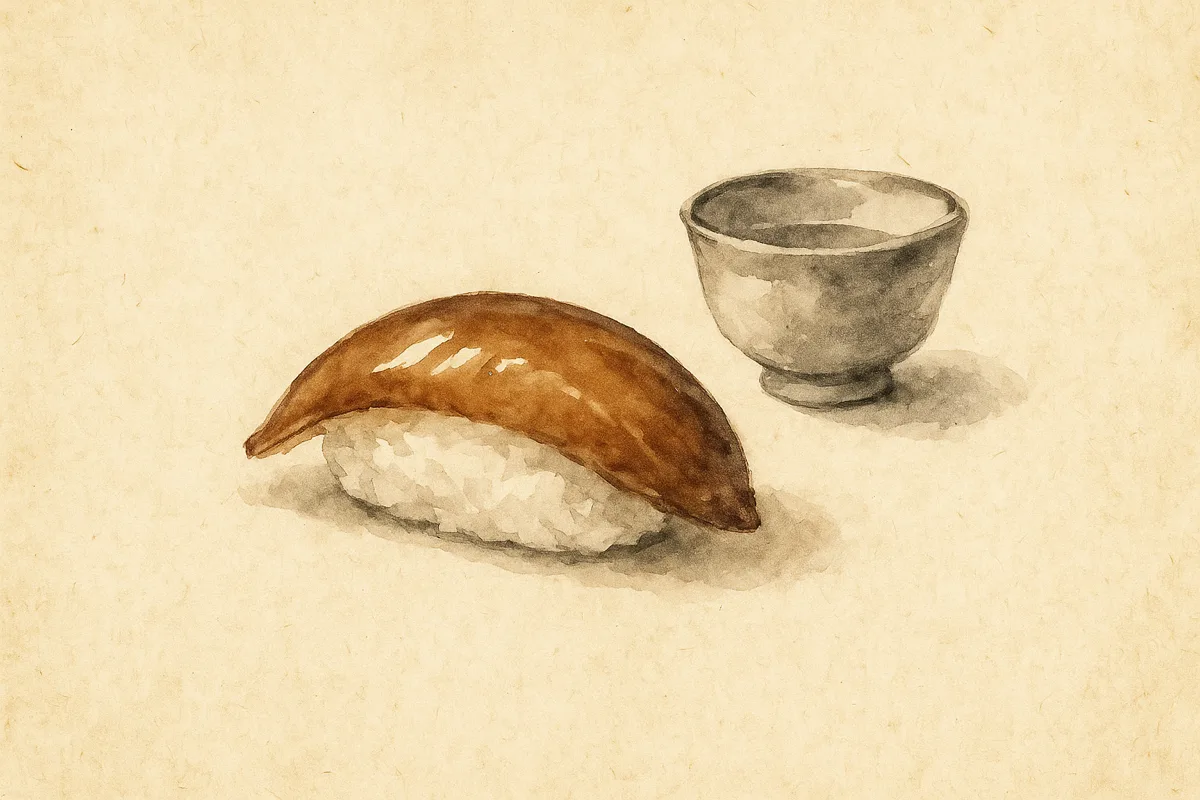
Which sake to drink with sushi and sashimi: the science of why sake beats wine with raw fish, a neta-by-neta grid, and why the fanciest daiginjo is the wrong call.
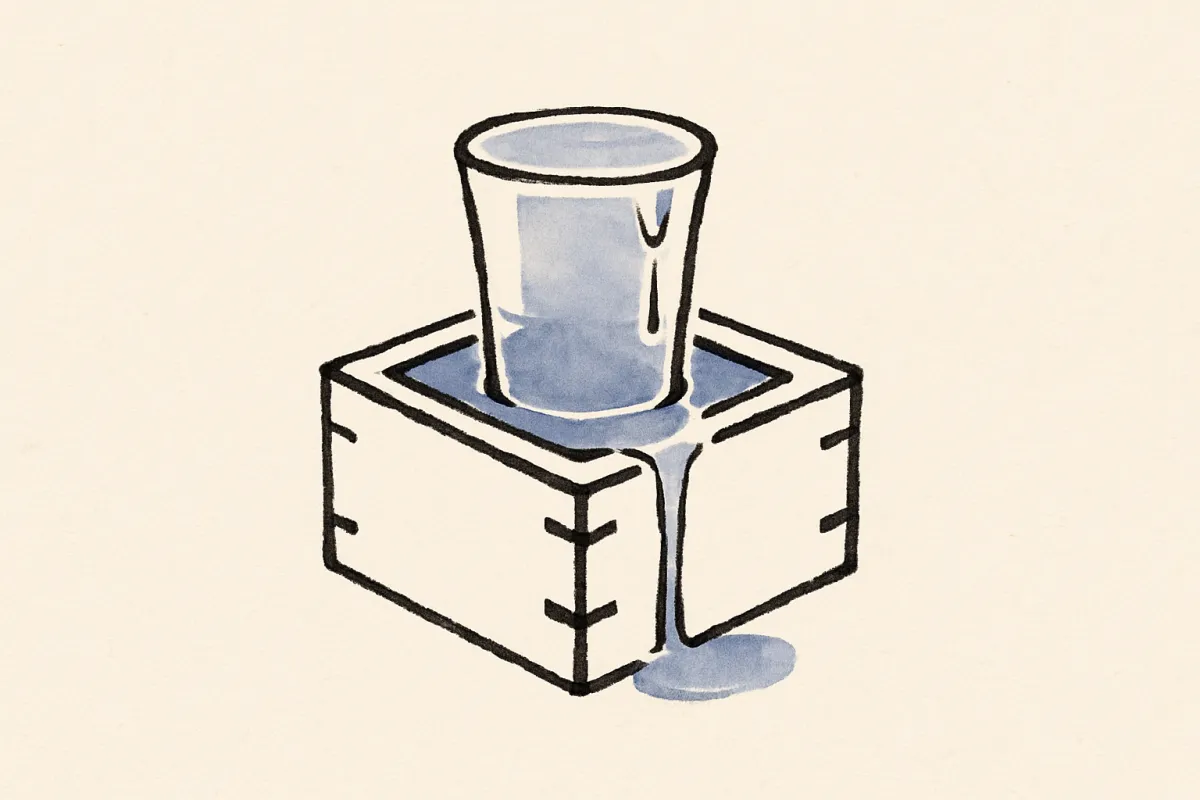
A sake set arrives: a little flask, a tiny cup, maybe a wooden box, and you freeze. Do you pour your own? A field guide to the vessels (ochoko, guinomi, masu, tokkuri), why the cup you choose changes the flavor, and the one pouring rule behind all the etiquette.
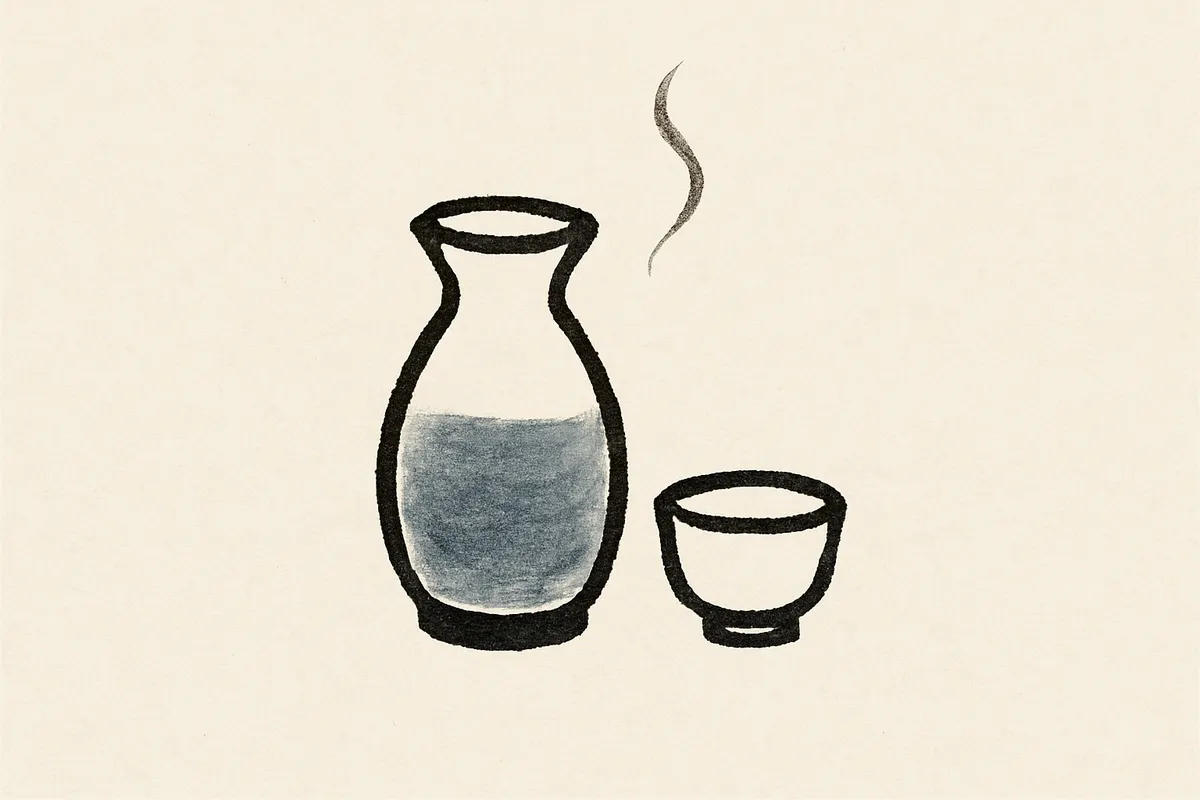
The idea that sake is 'supposed' to be served hot is a common beginner mistake. Japanese has ten poetic names for serving temperatures in 5°C steps — here's the whole ladder, which bottles want cold and which want warm, and how to heat sake without wrecking it.
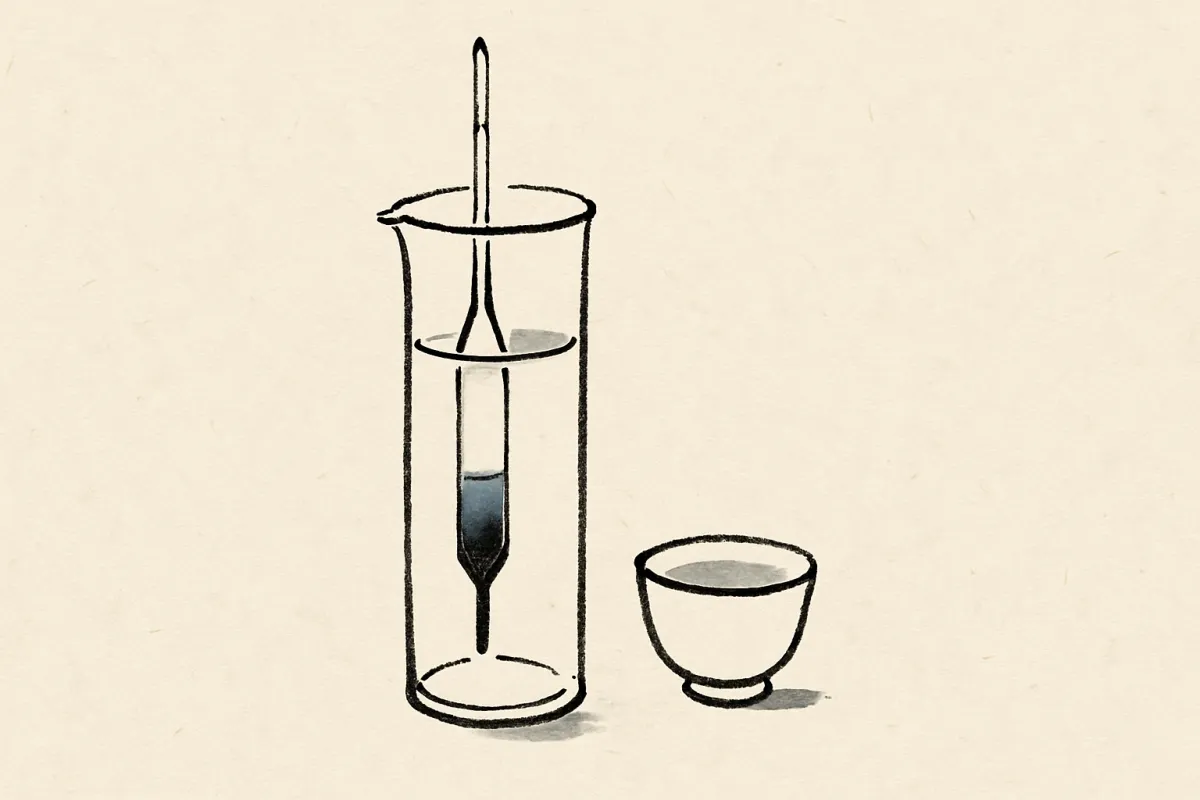
That '+5' or '-2' on the back label is the Sake Meter Value, sold as sake's sweet-or-dry number. It doesn't measure sugar at all; it measures density. what the number tells you, why acidity can flip it on your palate, and how reading the two numbers together predicts taste. This is what the number tells you.
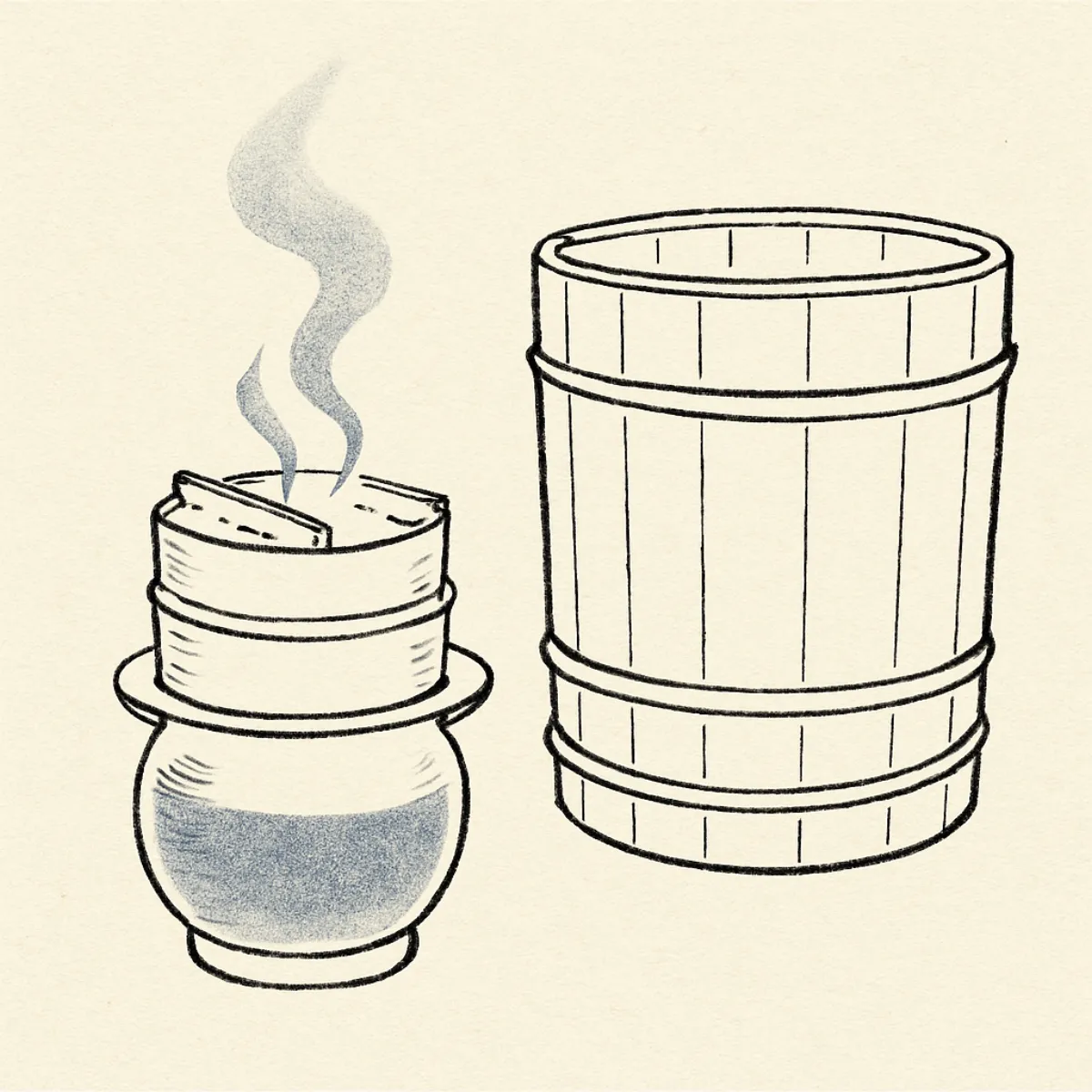
Sake is undistilled, yet it reaches nearly 20% alcohol, higher than any common brewed drink. The reason is a single process no wine or beer uses: koji and yeast working in the same tank at the same time. This is the whole brewing line, built around the one idea that ties it together.
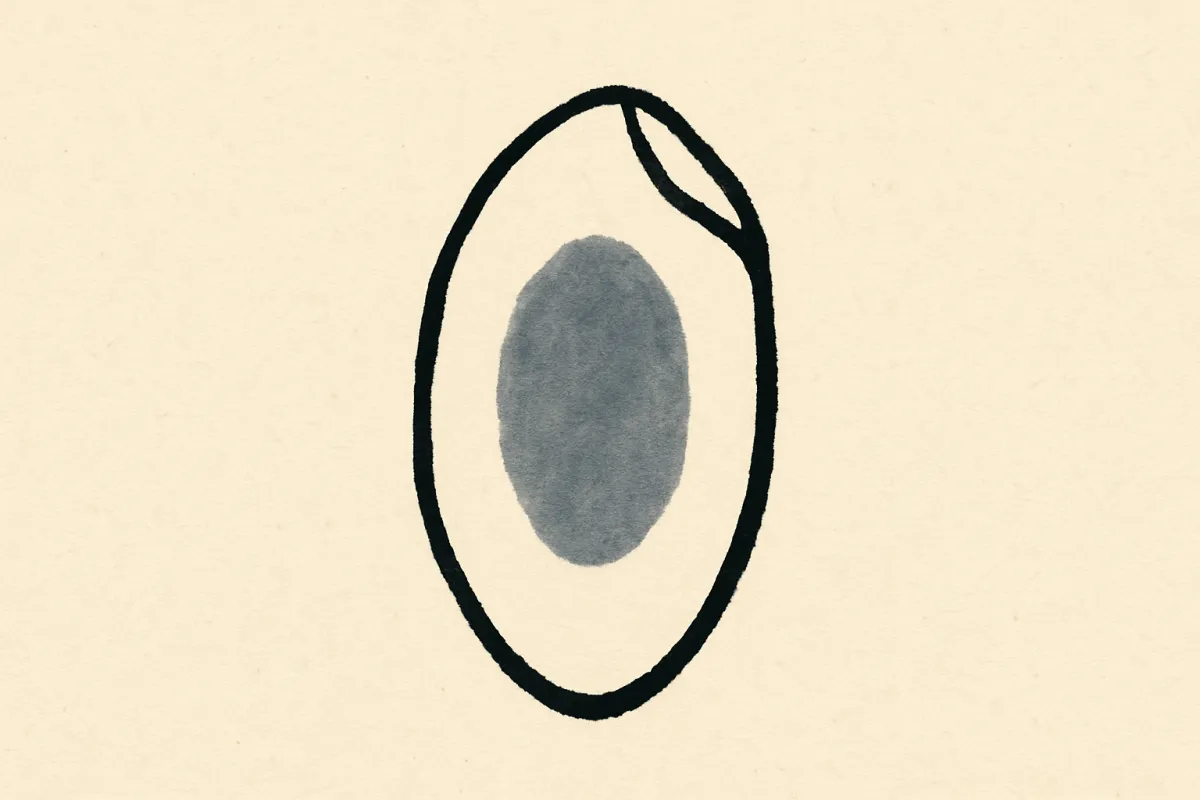
The words junmai, ginjo, daiginjo and honjozo aren't marketing. They're a legal grade system built on two levers: how far the rice is polished, and whether a small dose of distilled alcohol was added. The whole grid on one page, with how to use it to pick a bottle.
Jizake means local, small-batch sake made outside Japan's big national brands. What separates craft sake from mass-produced, how to find it in Japan and abroad, and the new wave of brewers rewriting the rules.
Fushimi sake comes from southern Kyoto, Japan's second-largest brewing district. The terroir story: the spring-fed gokōsui water, the onnazake style, and houses like Gekkeikan, Kizakura, and Tamanohikari.
Saijō in Hiroshima is one of Japan's three great sake towns, alongside Nada and Fushimi. The terroir story: Mt. Ryūō's soft water, Miura Senzaburō's soft-water brewing method, and the kura of Sakagura-dōri.
Nada sake comes from Hyōgo's five coastal districts near Kobe — Japan's largest brewing region. The terroir story: Miyamizu hard water, Yamada Nishiki rice, and the dry otokozake style.
Five easy sake bottles a first-timer can actually find and afford — Hakutsuru Sayuri, Mio Sparkling, Kikusui Junmai Ginjo, Dassai 45, and Tozai Typhoon — with styles, prices, and where to buy each.
The 全国新酒鑑評会 is Japan's national sake appraisal, co-run by the NRIB. These 50 breweries earned a Gold Award (金賞) in all three years from 2022 to 2024 — the strongest signal of reproducible quality the competition offers.
Sake, miso, soy sauce, and amazake share one ingredient: Aspergillus oryzae, Japan's designated national mold. One fungus built an entire culinary tradition.
If you love Japanese whisky, sake has more to offer than you might expect. This guide maps sake styles to the flavors you already know and tells you exactly where to start.
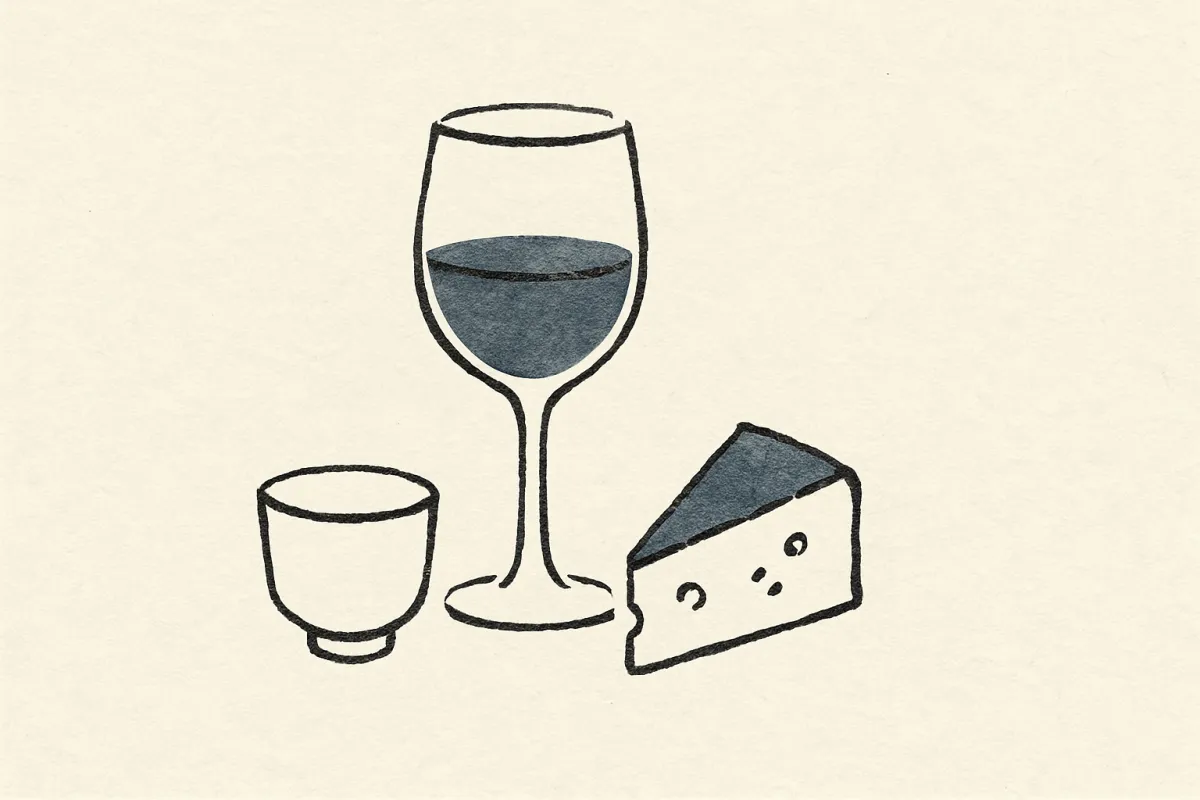
Sake pairs well with pizza, steak, pasta, and cheese, though most pairing lists miss this. Why it works and how to match style to dish.
Niigata has more sake breweries than any prefecture in Japan. A practical guide to visiting them: which kura welcome guests, when to go, the Sake no Jin festival, and how to get there from Tokyo.