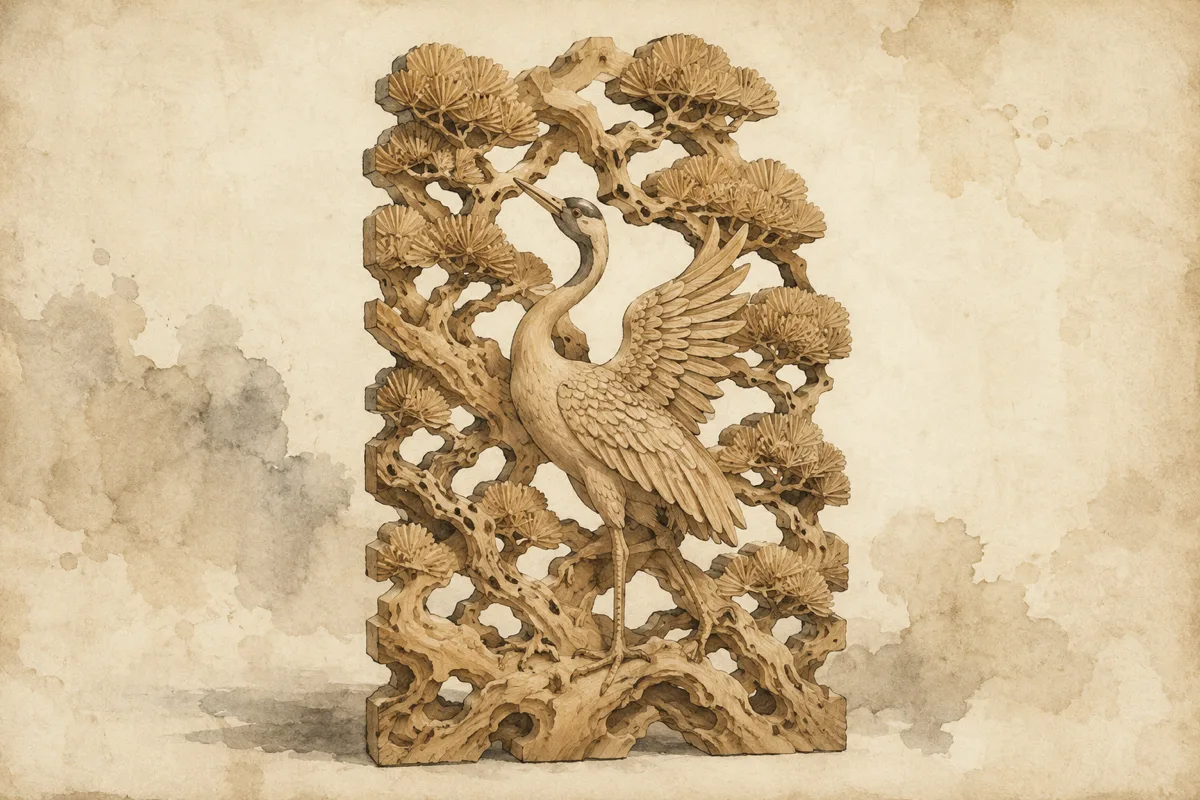
The town of Inami in Toyama built its name on a single object: the ranma, the openwork transom that sits above the sliding doors of a Japanese room. Because a transom divides two rooms, Inami's carvers cut it deep from both faces, so one plank shows a whole scene to each side. The skill did not start in houses. It came from rebuilding a temple after a fire.
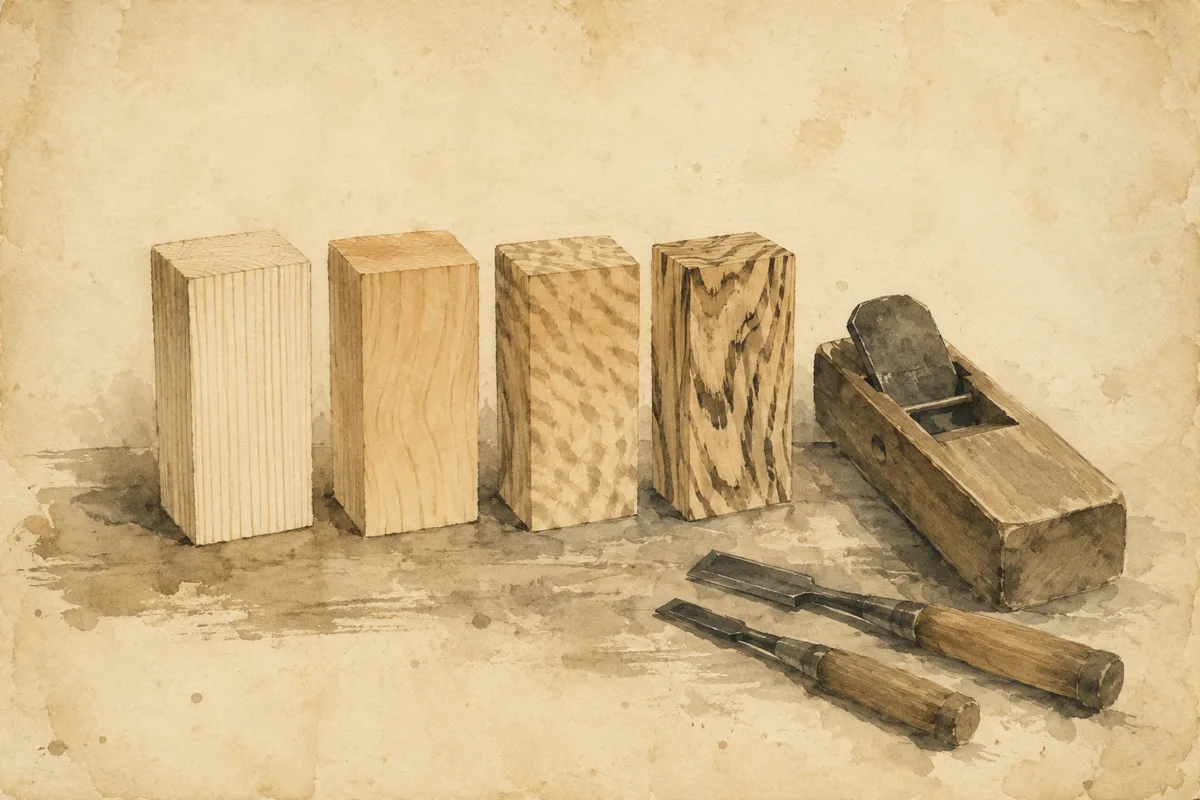
Japanese woodwork rarely says just 'wood.' A shrine gets hinoki because it resists rot, a sake barrel gets sugi because it is cheap and fragrant, a temple pillar gets hard keyaki, and a kimono chest gets kiri because it is the lightest wood there is and chars instead of burning. Four woods, four jobs, and the reason each one is matched to its task.
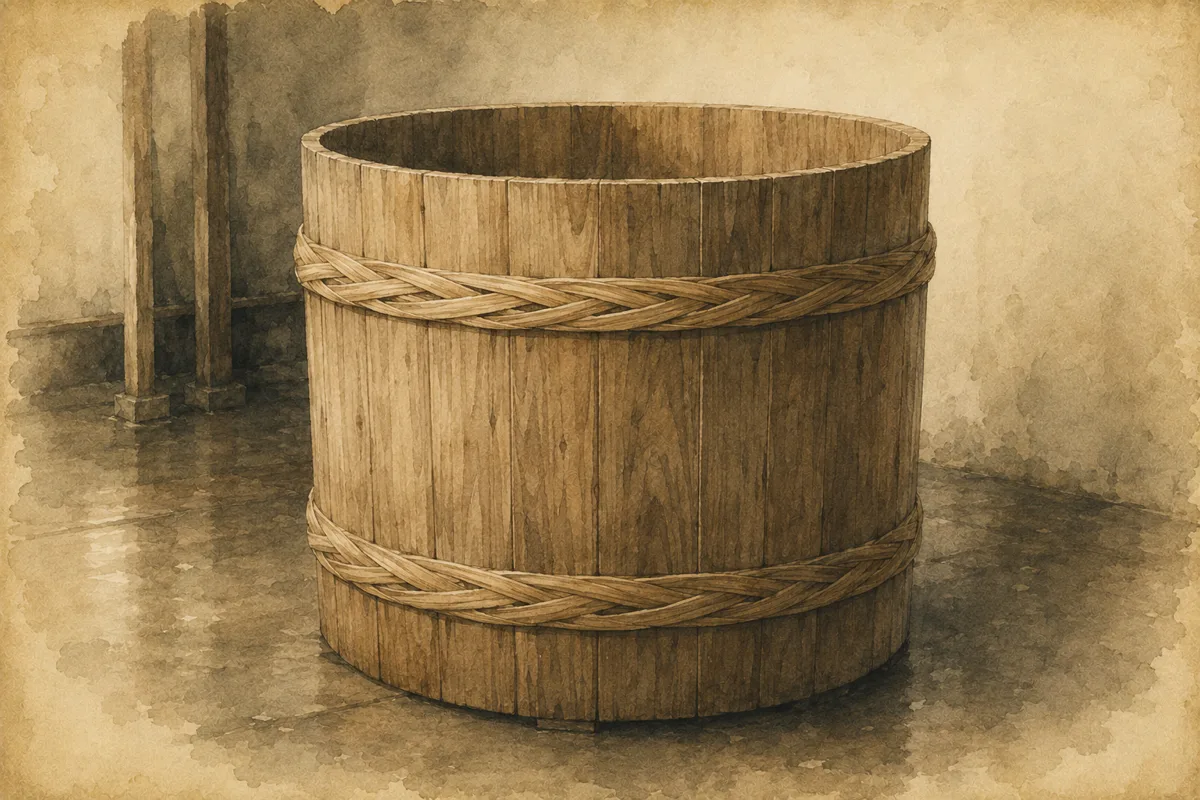
Japan's soy sauce and sake were fermented in cedar vats bound with woven bamboo, holding thousands of litres without a nail or a drop of glue. By 2012 one workshop in the country could still build one, and three men went to learn from it.
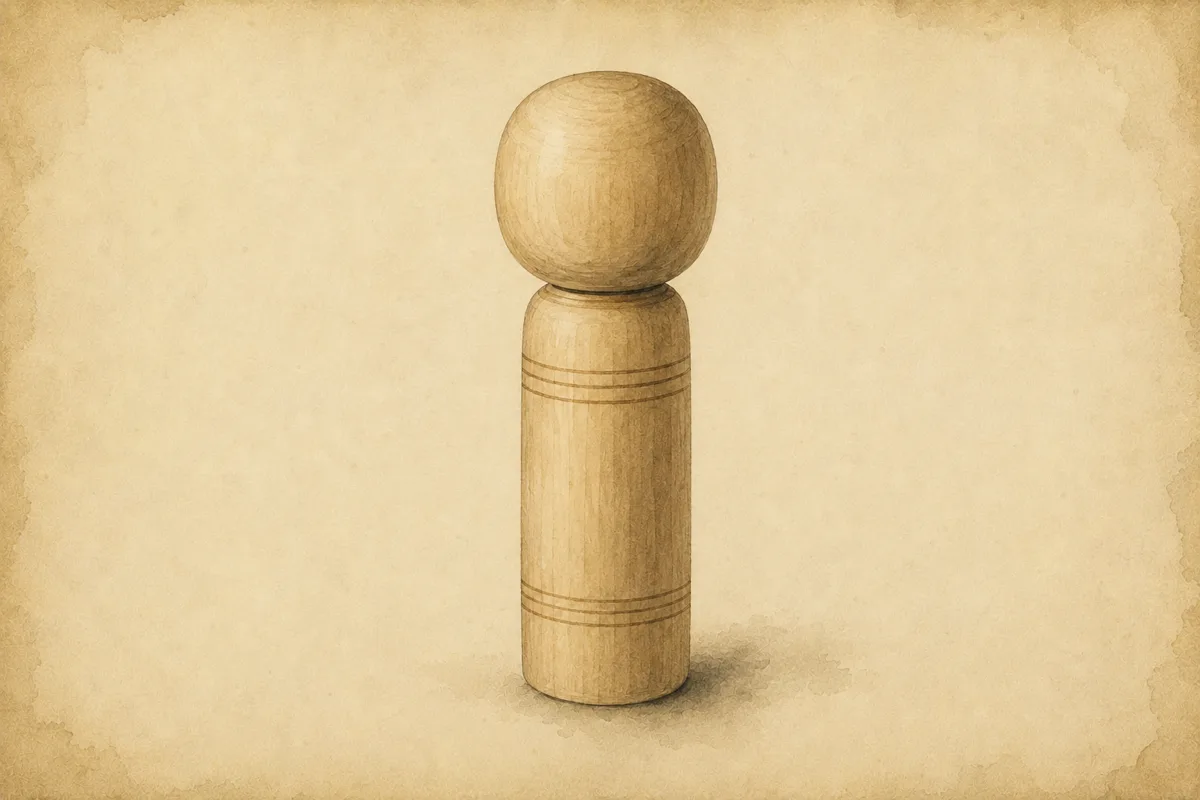
A kokeshi has no arms because a spinning lathe cannot make arms. Almost everything else people say about these dolls, including the name, the number of regional types and the grim origin legend, was decided later by collectors.
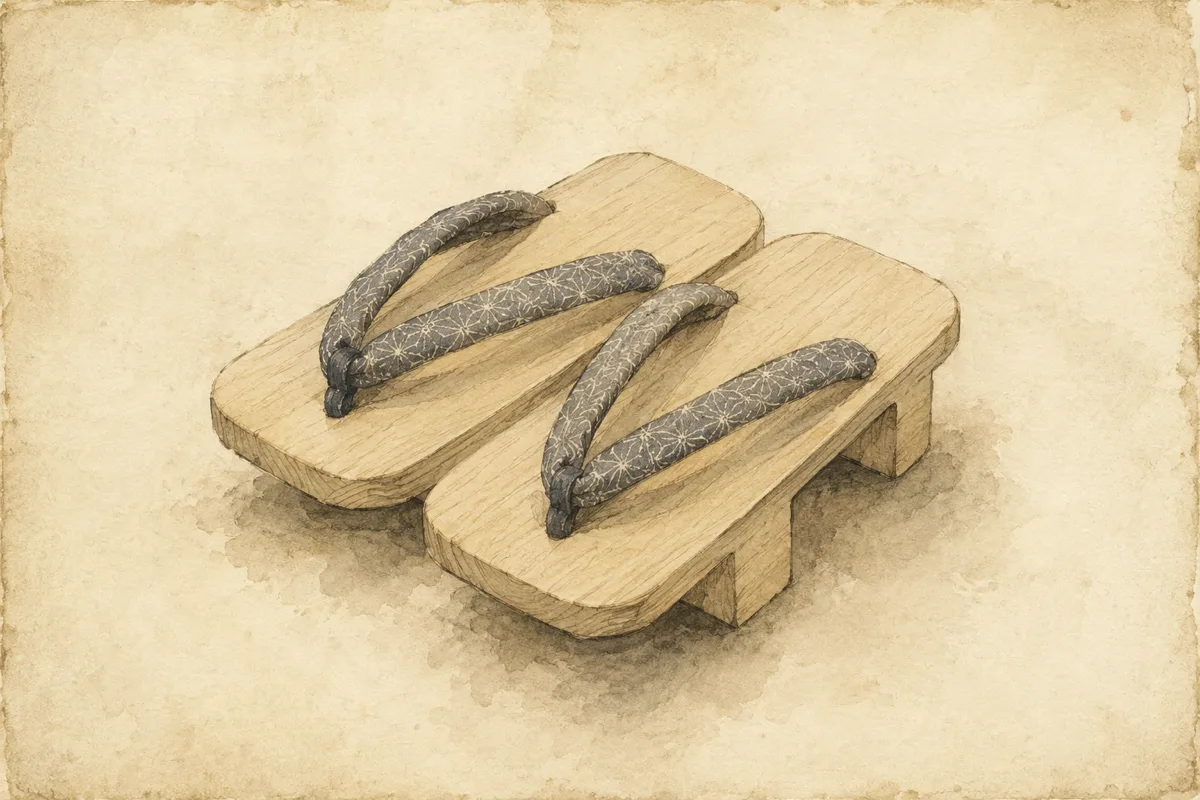
A pair of geta is mostly the gap under it. Two wooden blocks called teeth hold your foot a few centimetres off the ground, and almost everything that makes a geta a geta, from the rain versions with tall stilts to the single-toothed pair worn by mountain ascetics, is a variation on how high you need to stand.
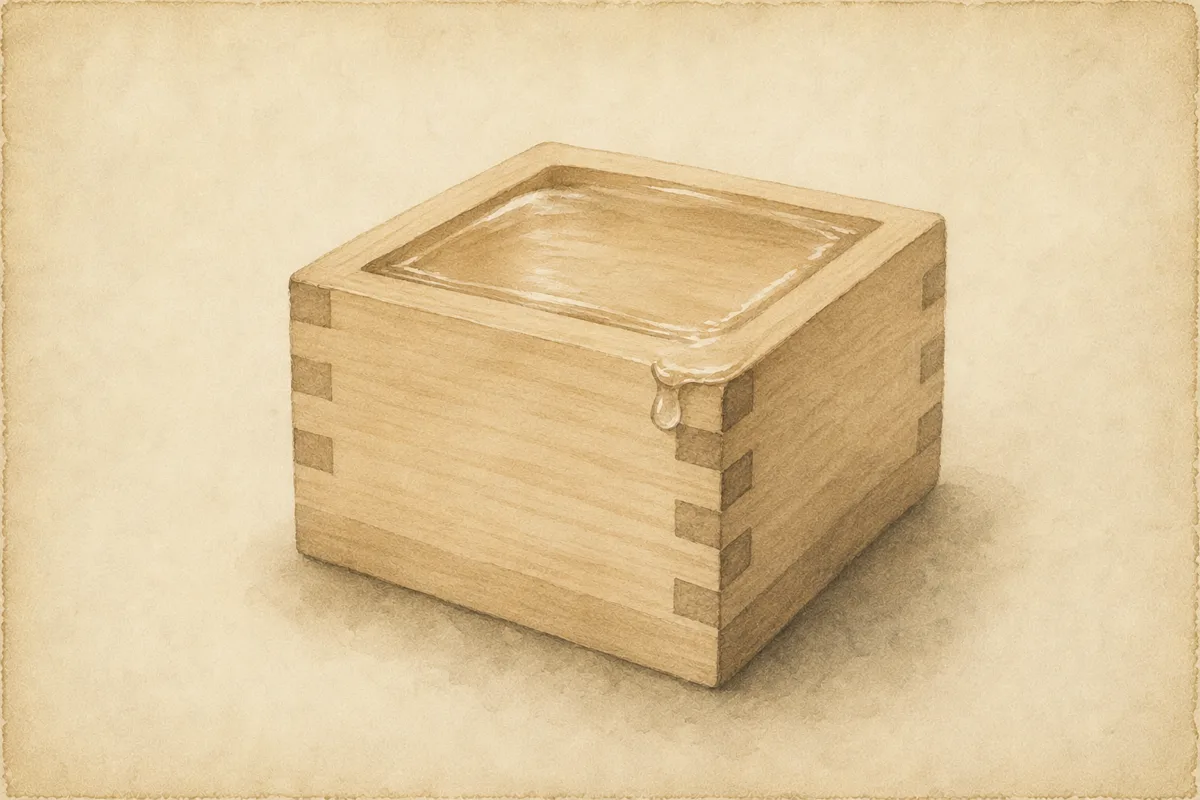
The little square cypress box that holds your sake is not a cup that happens to be square. It is a measuring vessel, made to a size the government once fixed by law, and it kept its exact shape long after it stopped being used to measure anything.
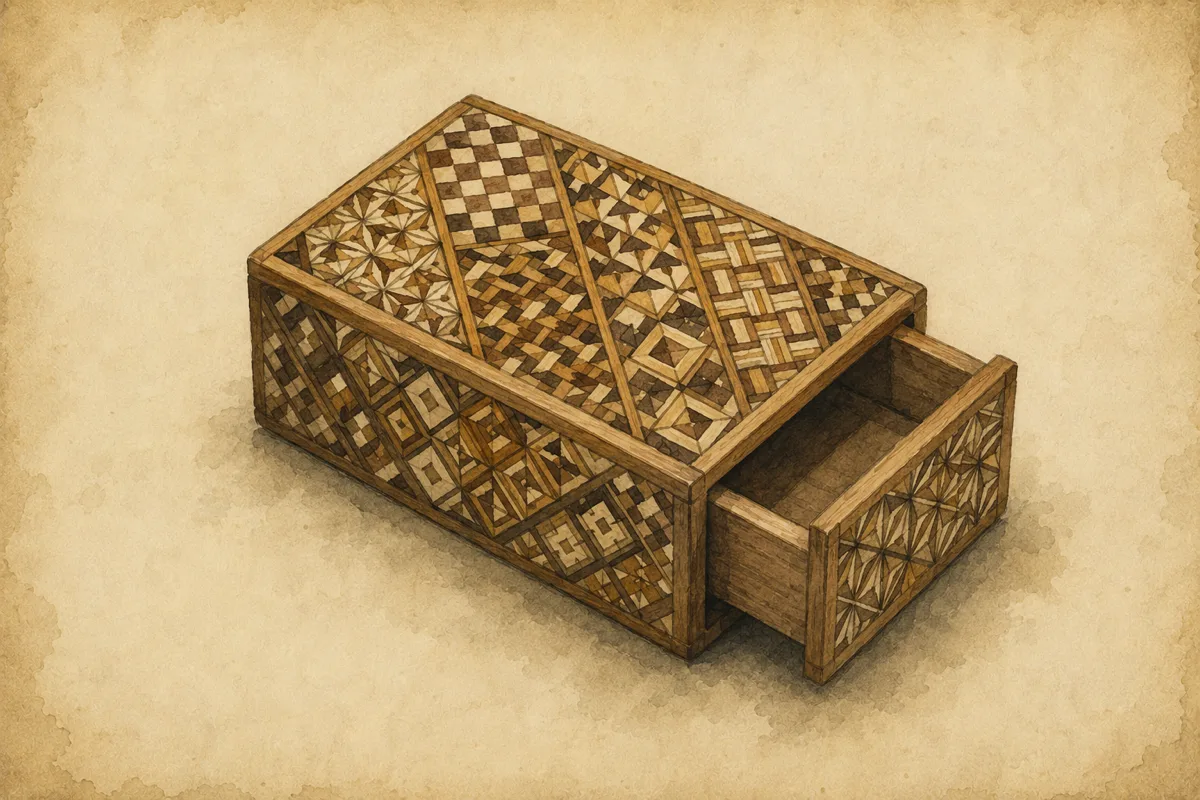
A Hakone secret box has no key, no metal, and no spring. It opens only when you slide its panels in the right order, and the famous mosaic on its skin is not just decoration. It is camouflage, hiding the seams that would otherwise tell you which panels move.
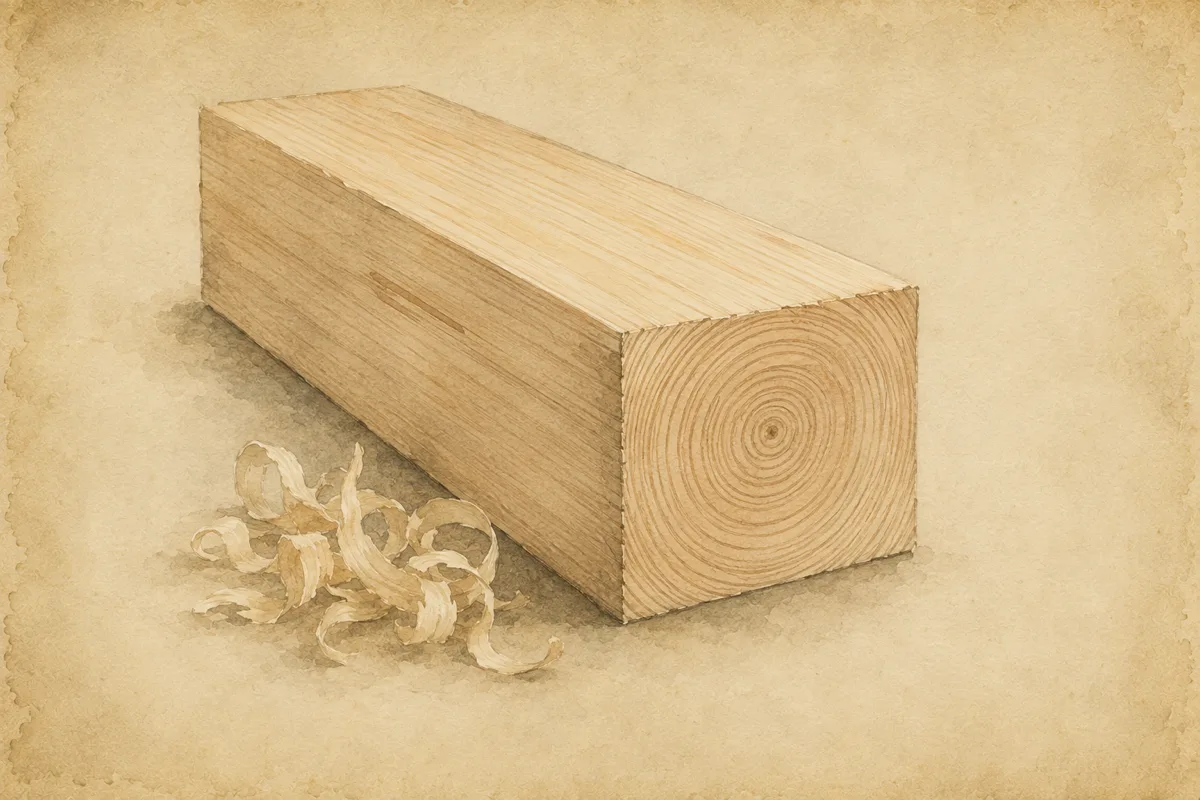
Japanese cypress is grown on two clocks at once. Plantation hinoki is felled at forty-five years and turns up in bath tubs and cutting boards. Shrine-grade hinoki is planted by people who will never see it cut, which is why the Edo authorities protected it with a rule known as one tree, one head.
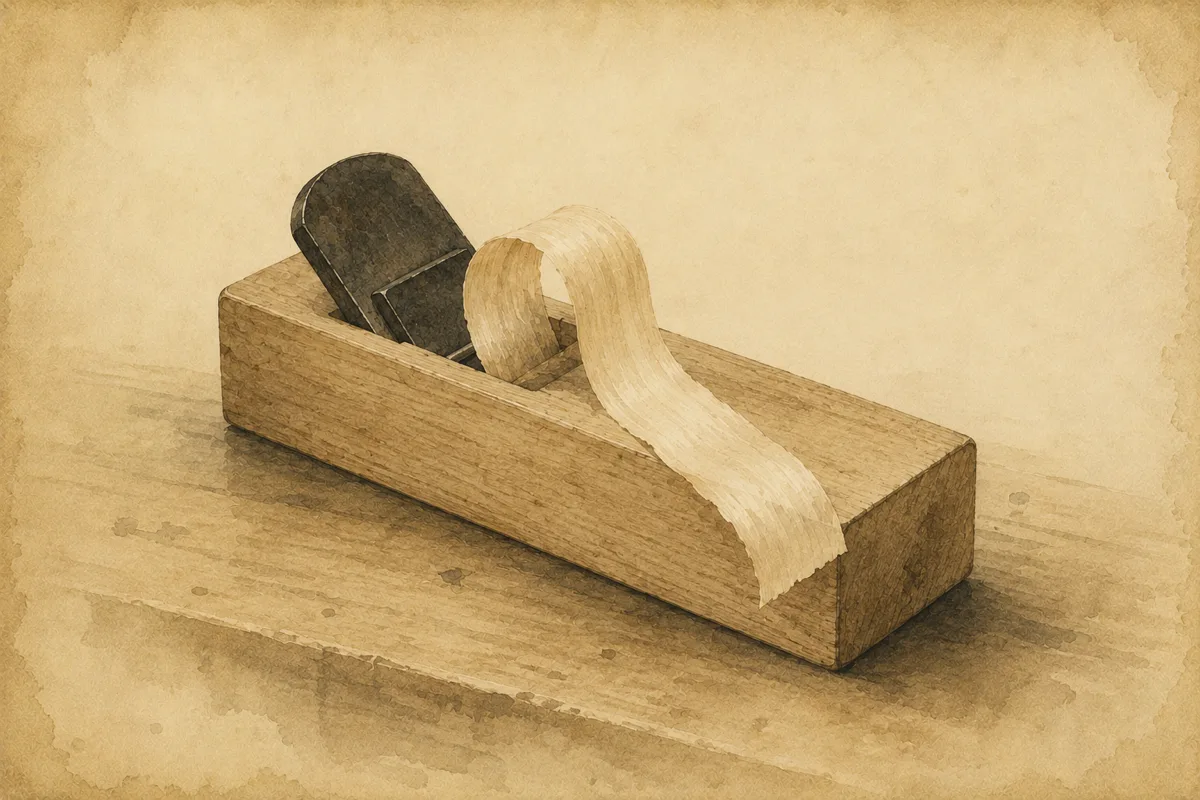
A kanna is a blade wedged into a wooden block, pulled toward you instead of pushed. The block is shaped so it barely touches the wood, the blade is its own wedge, and in competition the tool takes shavings measured in microns.
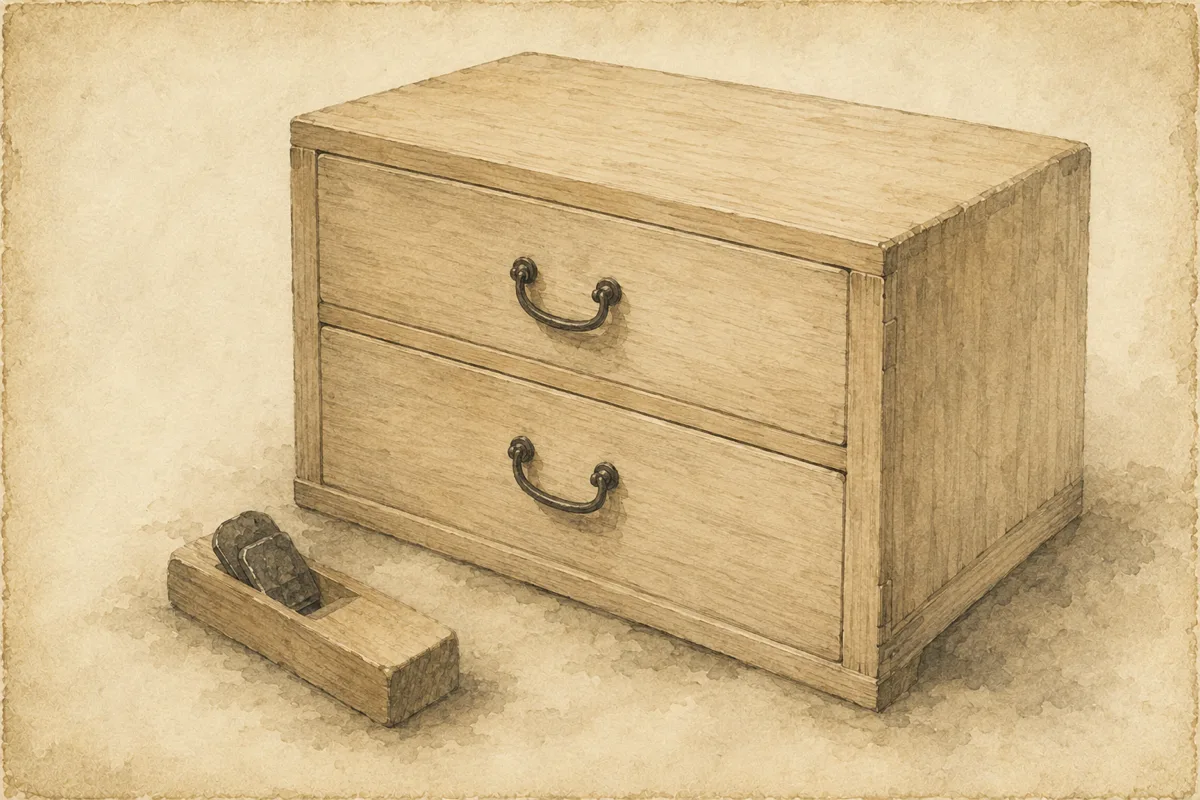
A paulownia chest is made from the lightest timber in Japan and assembled with wooden pegs instead of nails. Makers say a chest resurfaced once every forty to sixty years will still be in use after a hundred, which is why the thing you have to check before buying is whether the paulownia goes all the way through.
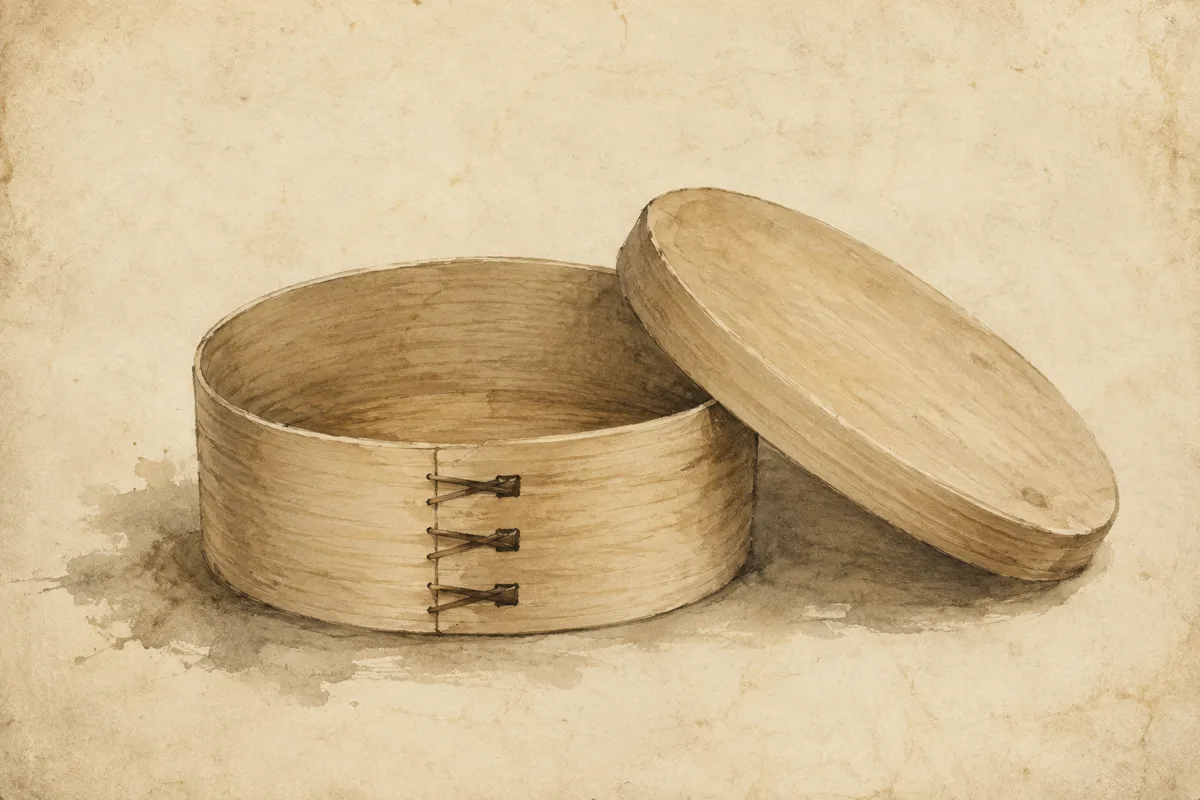
A magewappa is a thin sheet of Akita cedar boiled soft, wrapped around a mould and stitched shut with cherry bark. The wood that made the best ones stopped being cut in 2012, and only about seven percent of the plantation timber that replaced it is flexible enough to bend at all.
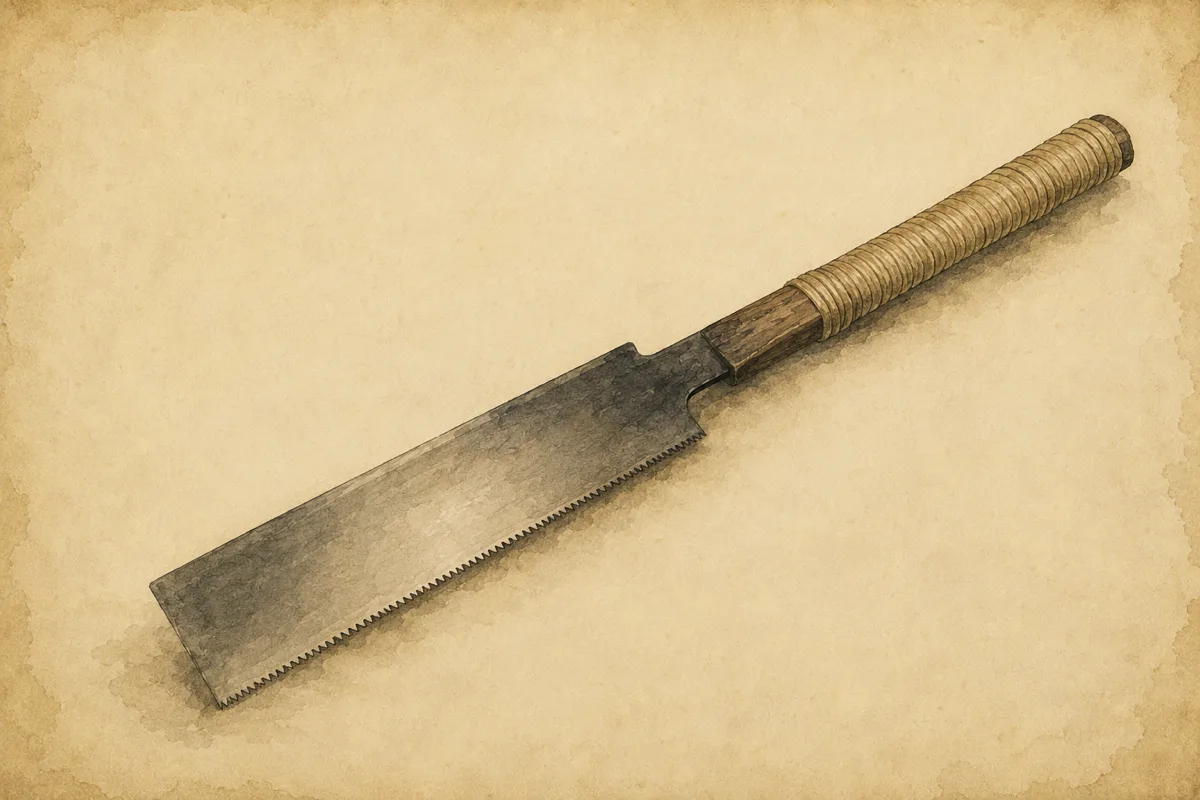
A Japanese saw cuts on the pull stroke, which puts the blade in tension and lets it be made thin enough to leave a 0.4mm kerf. The history is stranger than the mechanism: Japan had no saw that could rip a board until the mid-1400s, the double-edged ryoba is a Meiji invention, and the disposable blade arrived in the twentieth century.
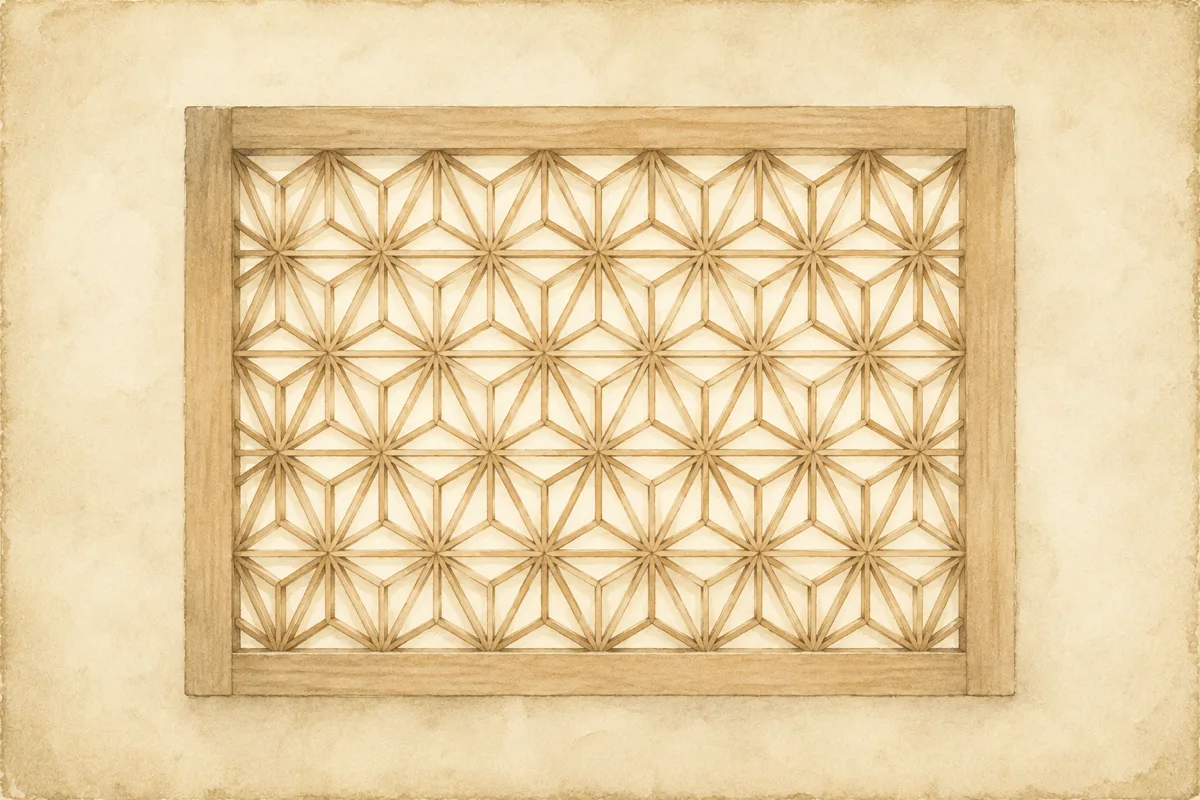
Kumiko is the geometric wooden latticework in shoji screens and temple transoms, cut so finely the pieces hold each other by pressure alone. The patterns are not abstract decoration either: most of them mean something, and the best-known one is a hemp leaf.
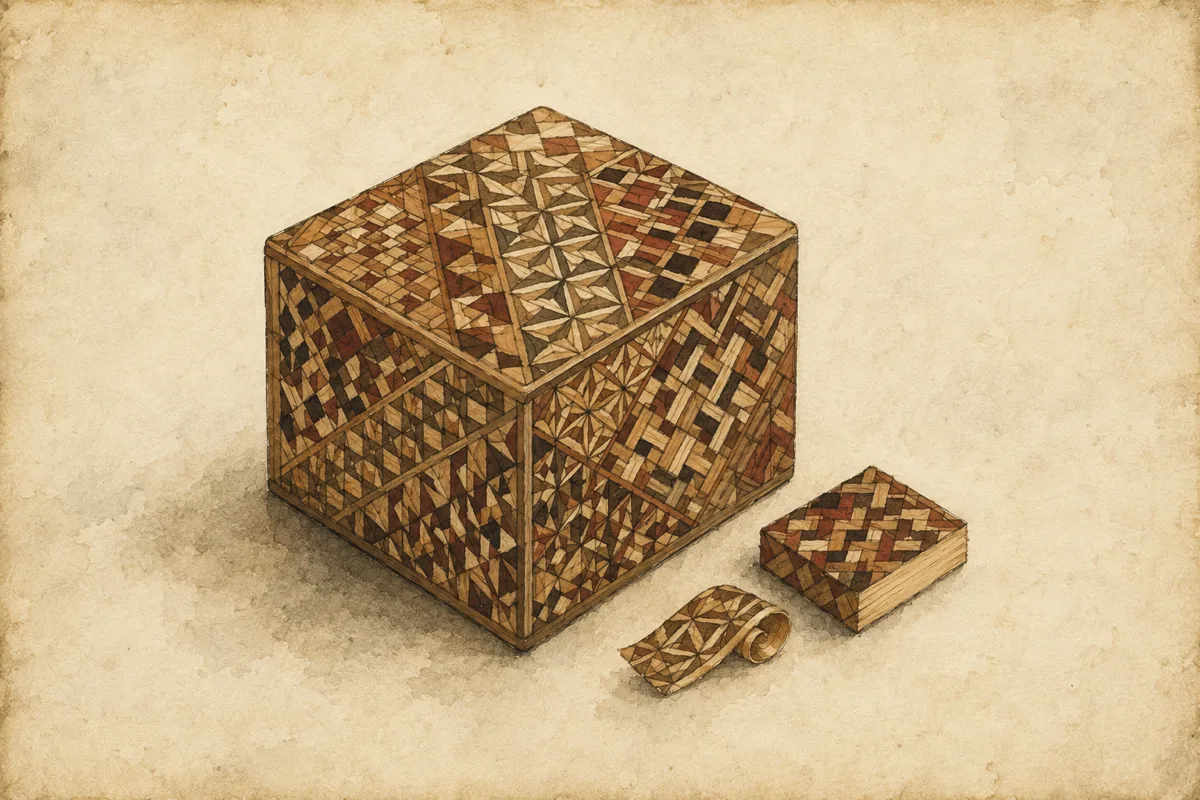
The geometric pattern on a Hakone box is not printed, painted, or stained. Every colour in it is a different species of tree, and on most boxes the whole design is a sheet of wood two-tenths of a millimetre thick, planed off the end of a solid patterned block.
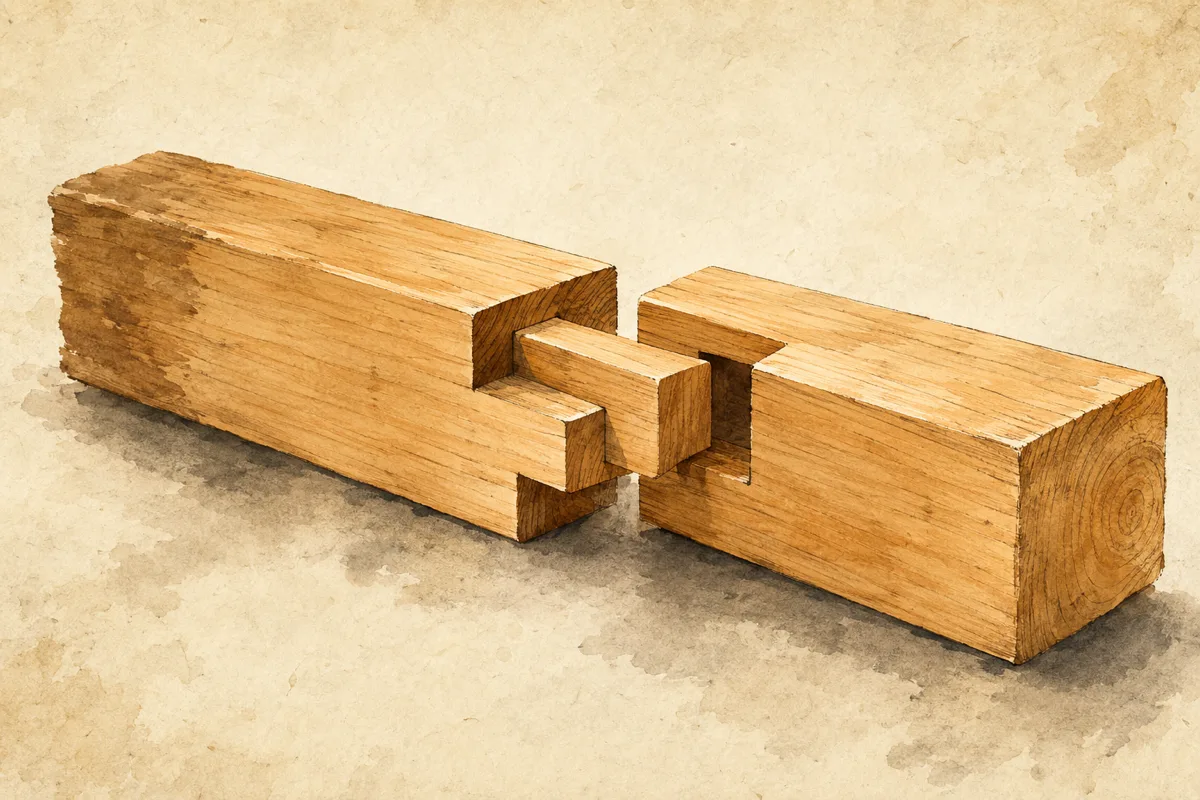
The puzzle-like wooden joints in Japanese furniture and temple frames are not decoration. This explains the idea behind them: cut the wood to grip itself by friction and shape, treat timber as a material that moves, and build so a joint can be taken apart and repaired centuries later.