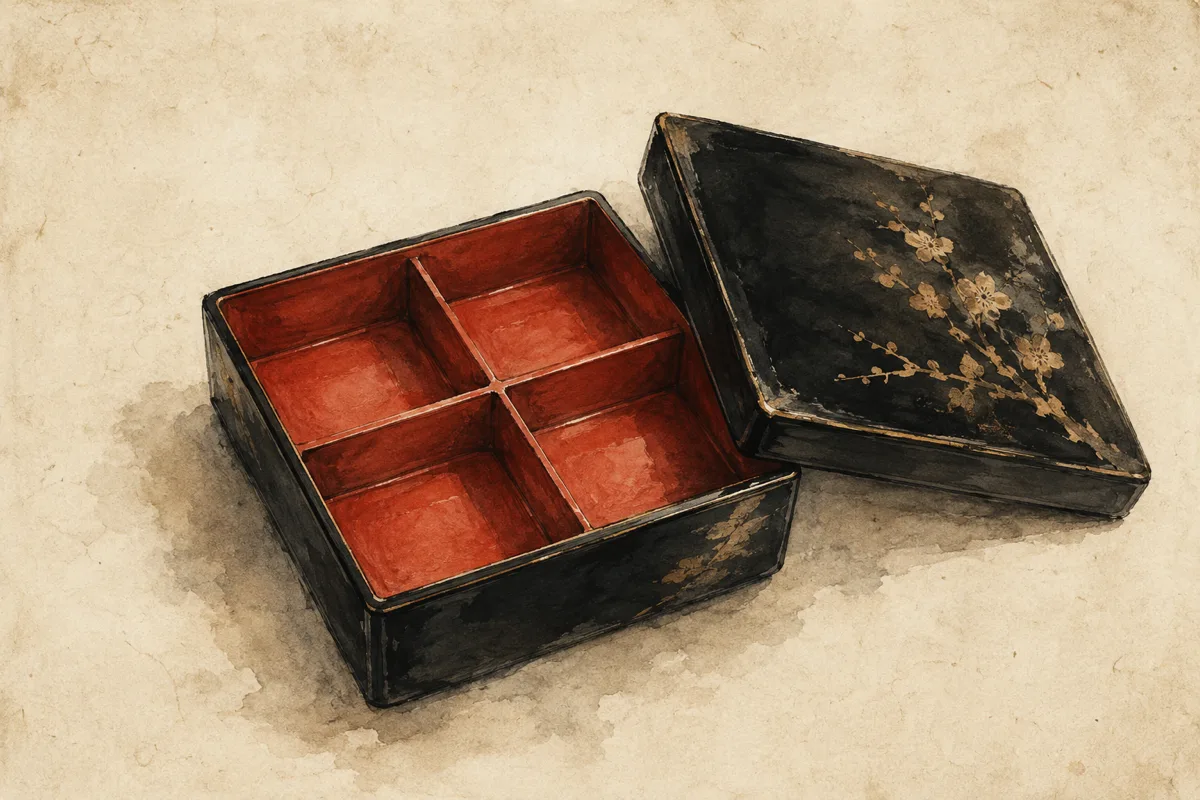
The square black lacquer box with a cross-shaped divider is a shokado, and it began as a farmer's seed box before a monk and then a chef turned it into a lunch. This guide covers where it comes from, how it differs from a jubako or a plastic bento, and how to tell a real-urushi box from a synthetic one before you buy.
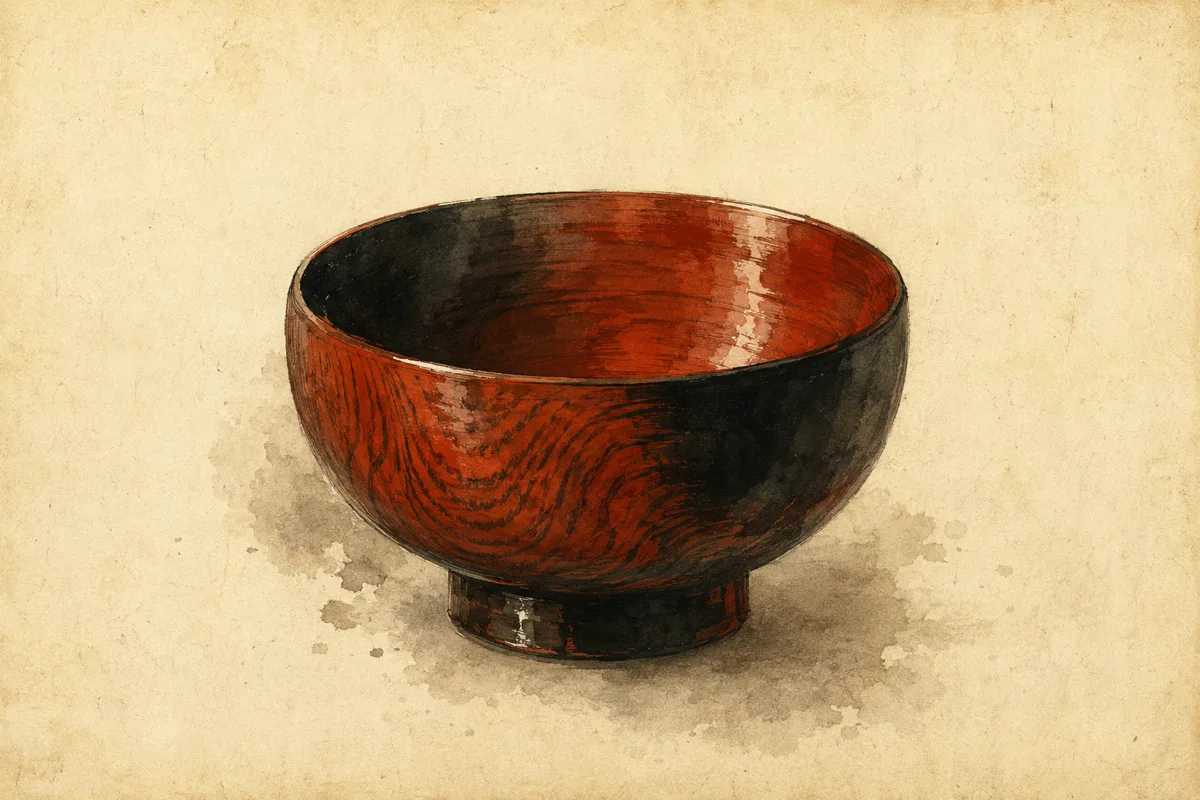
A $12 'lacquer soup bowl' and an $80 keyaki urushi owan sit under the same words. Why miso soup is served in wood, how the kanji tells you the material, real urushi versus synthetic coating, sizes, regions, and how to care for a bowl so it lasts.
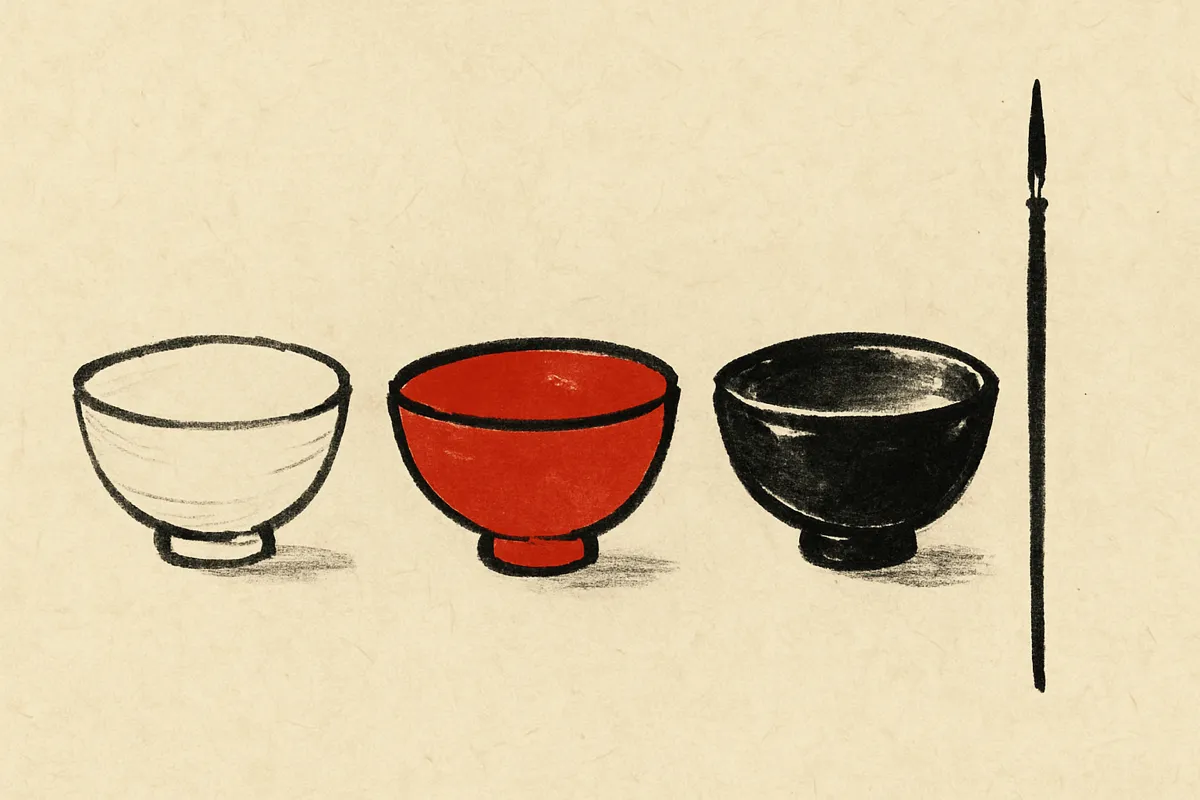
A finished urushi bowl and a plain wooden one are separated by months of work you can't see. This walks the whole line: wood core, an invisible mineral foundation, then thin coats each hardened in a damp cabinet, and why the depth and the price both come from layers and waiting.
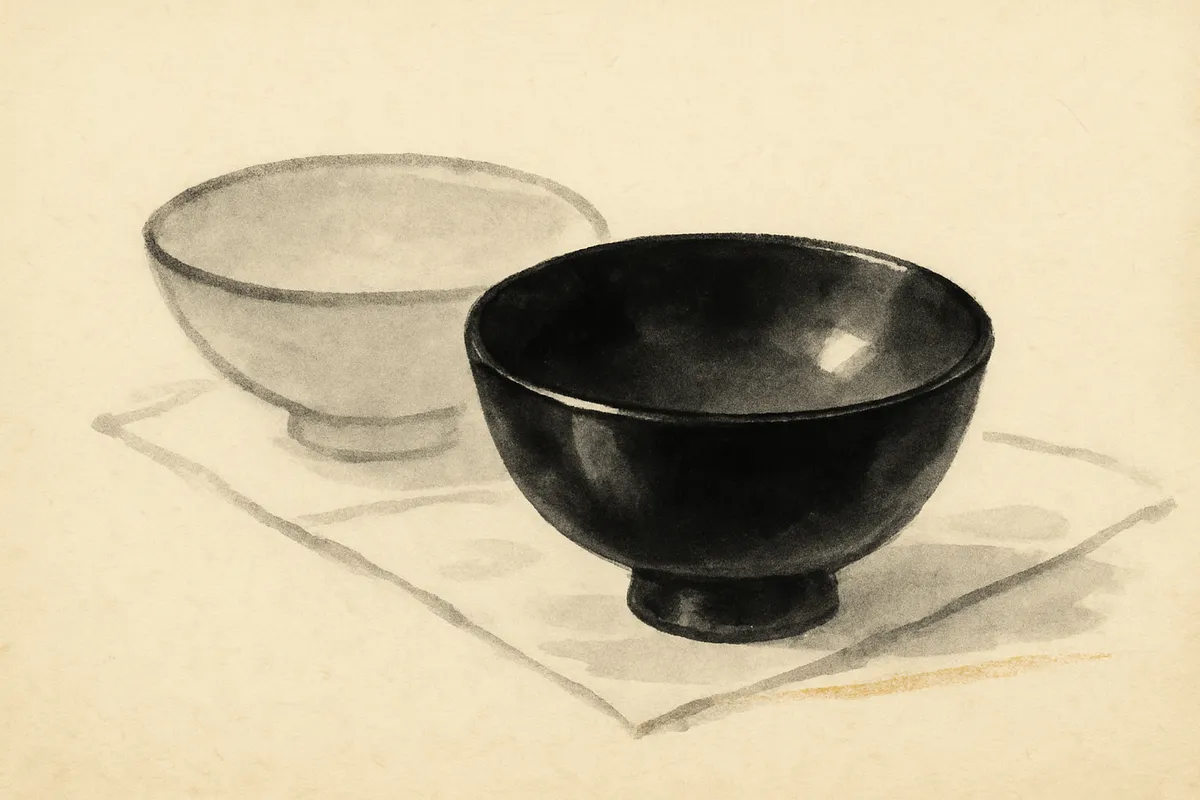
A $15 'lacquer bowl' and a $200 urushi bowl are sold under the same English word. This is how to narrow it down by feel (gloss, weight, warmth, smell), then settle it with the one objective test almost no buyer's guide mentions: Japan's legal labeling terms.
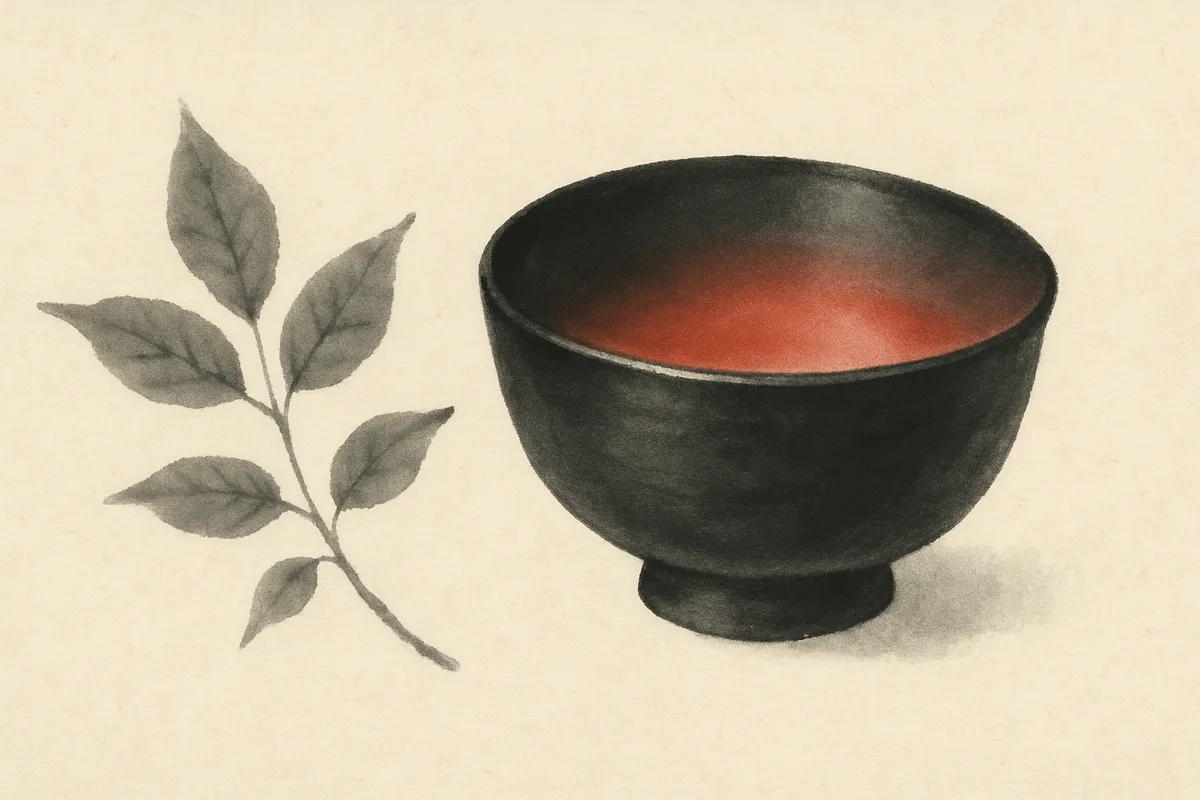
Yes, the lacquer tree is a cousin of poison ivy, and yes, they share the same rash-causing compound. But the danger lives in the raw sap, not the finished bowl. That one distinction is what matters whether you're eating from lacquerware or handling raw urushi in a kintsugi kit.
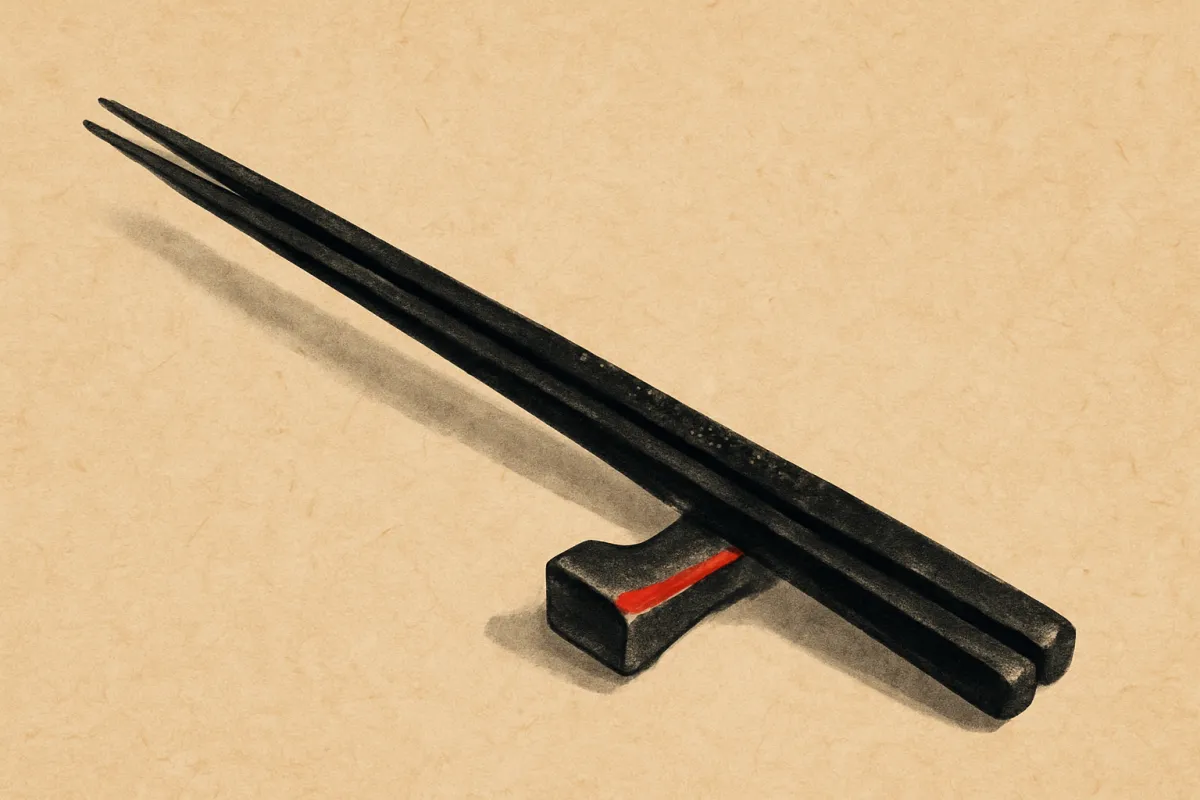
An $8 'lacquer chopstick' and a $40 Wakasa-nuri pair sit under the same word. How to size a pair to your own hand, tell real urushi from a synthetic coating, know whether lacquered chopsticks are safe to eat from, and why a pair makes the most-given gift in Japan.
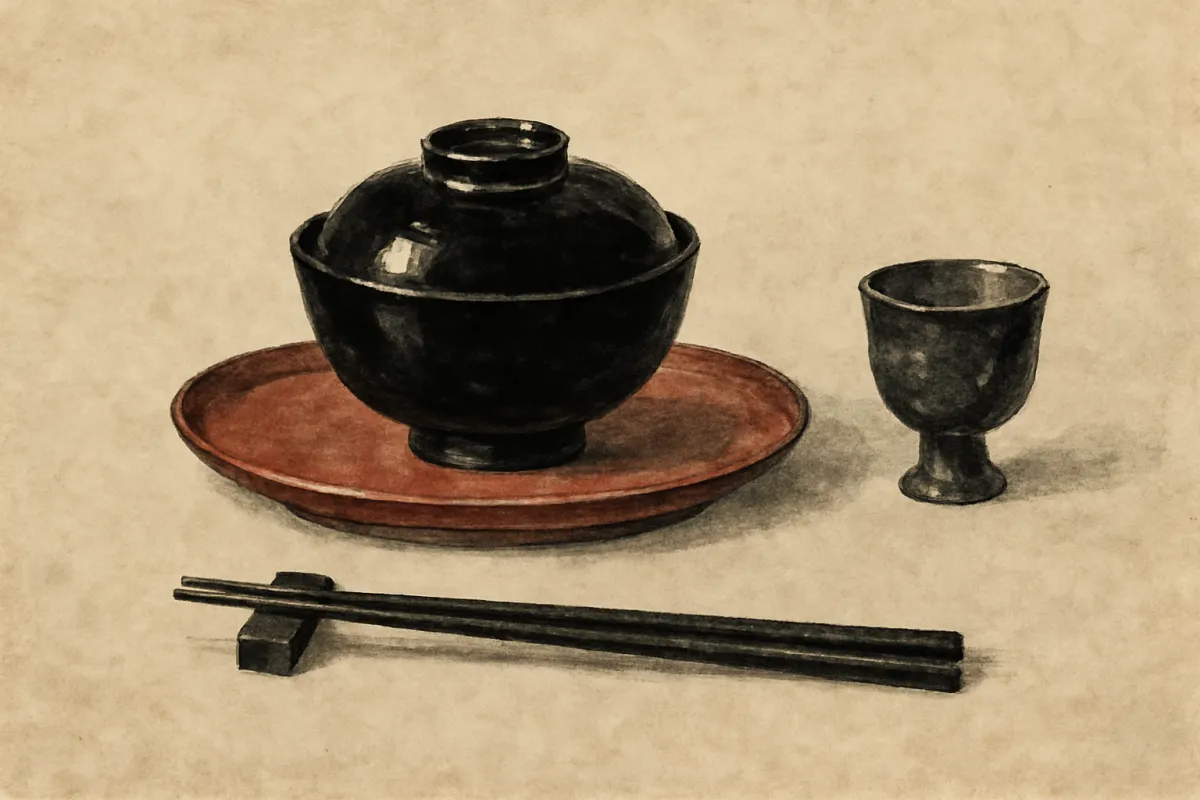
A regional map of Japan's lacquerware: why Wajima is built to last and Kishu is made to be cheap, what makes Tsugaru's mottled 'fool's lacquer' and Aizu's soft gold different, and which region makes most of the bowls you eat from.
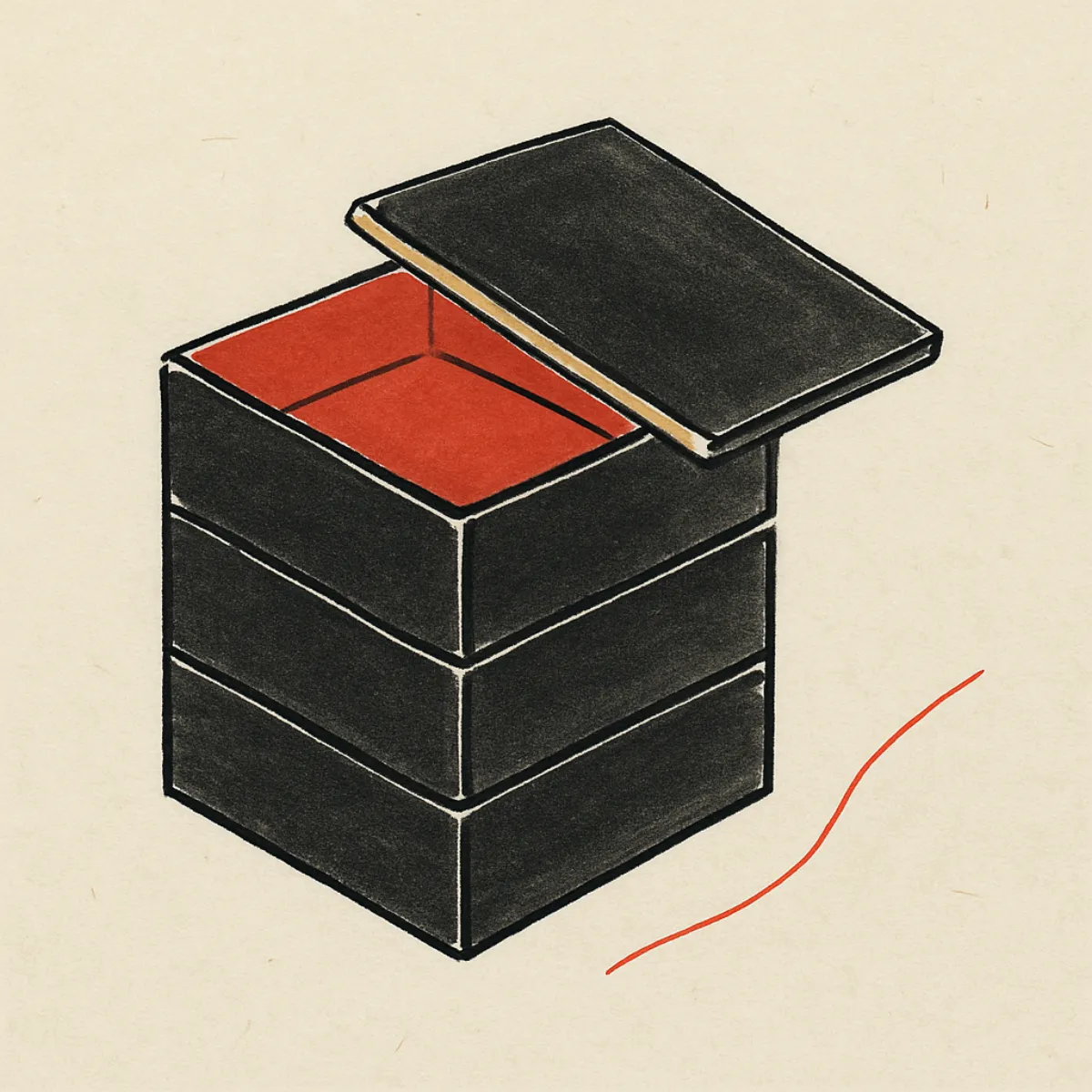
The tiered black-and-red box in every osechi photo is a jubako, and its stacking is the wish, not the packaging. Here is what the tiers mean, why the fourth one changes its name, and how to tell a real-urushi box from a resin one before you buy.
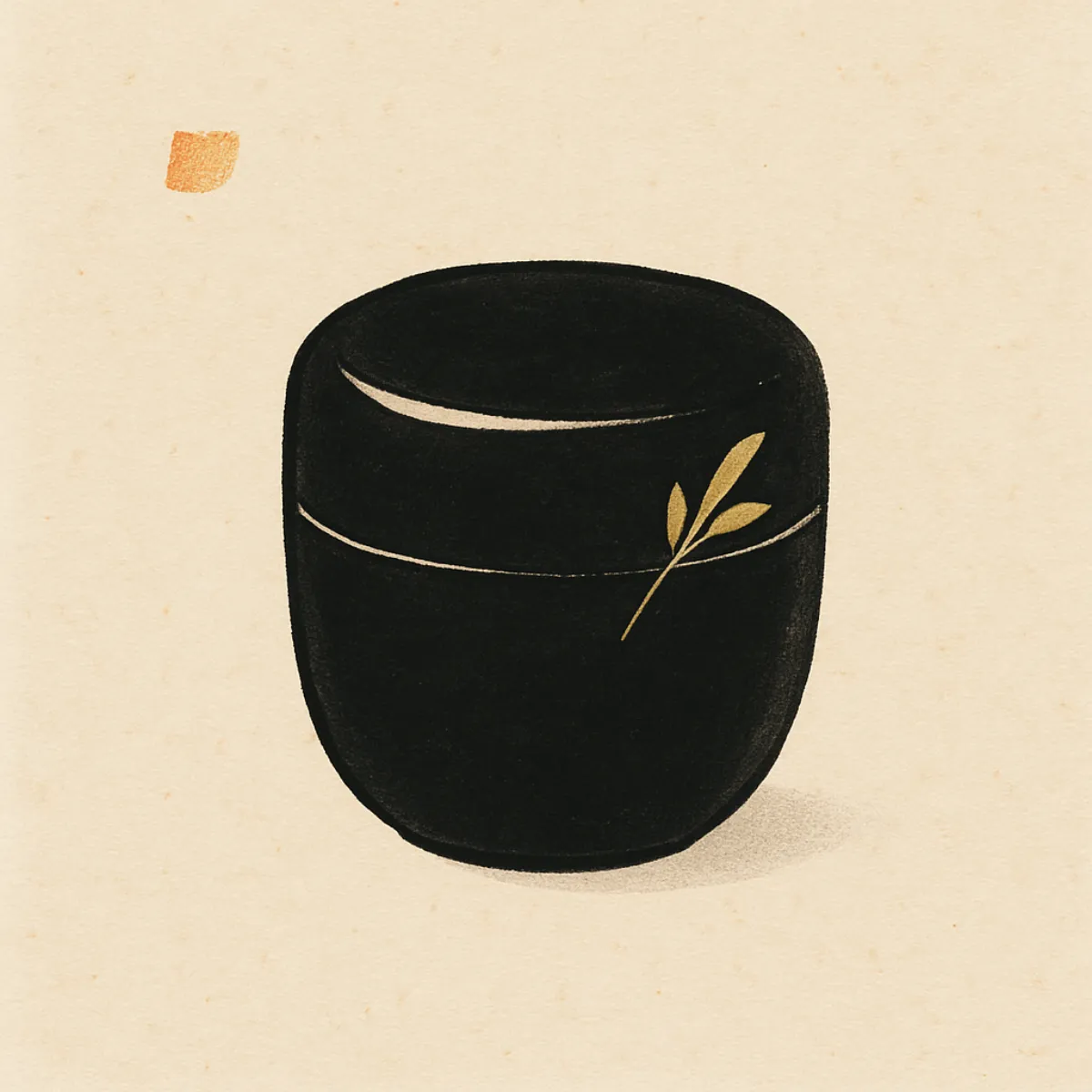
The small black lidded caddy that holds matcha for thin tea is a natsume: turned wood under urushi lacquer. What it is, how it differs from the ceramic chaire, why plain black outranks gold, and why you should not store matcha in it.
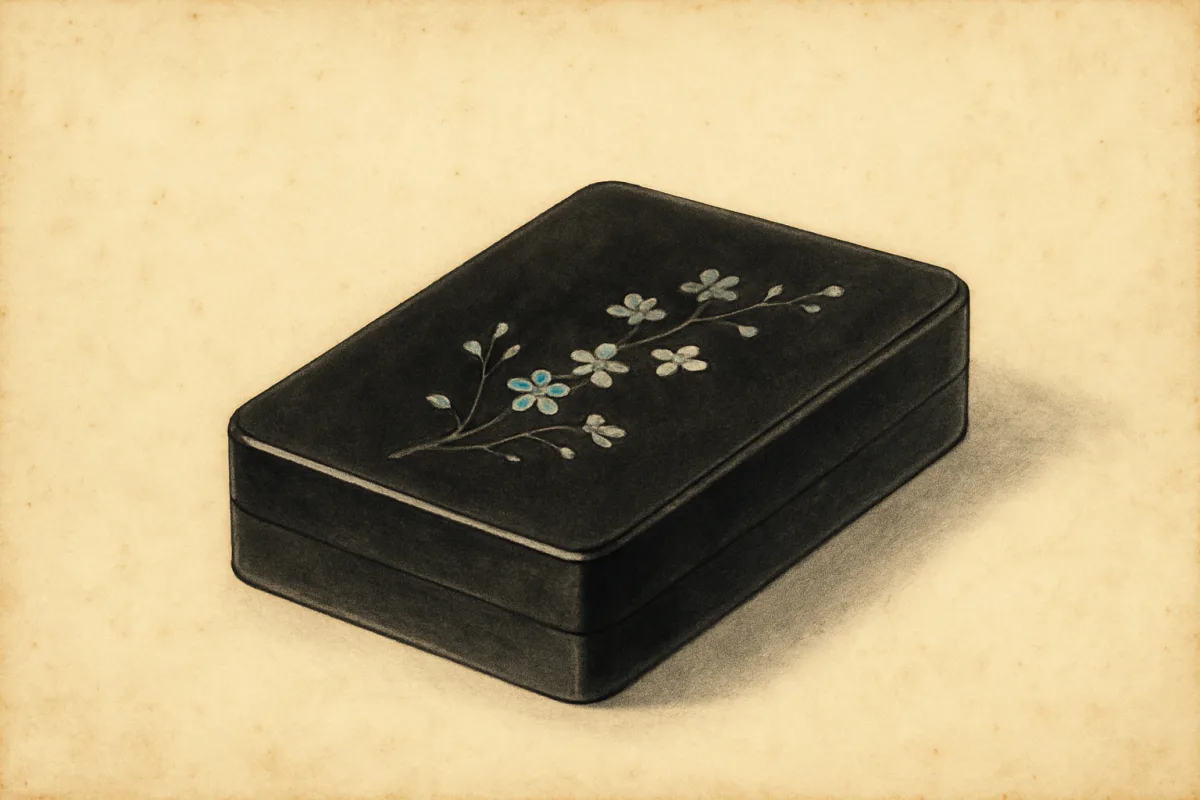
The blue-green shimmer on a raden writing box or fountain pen is not paint. It is shell, sliced to about a tenth of a millimeter and laid over black lacquer, so the dark ground shows through and the shell reads blue. This is how raden is set into lacquer, and why thin shell glows where thick shell only gleams.
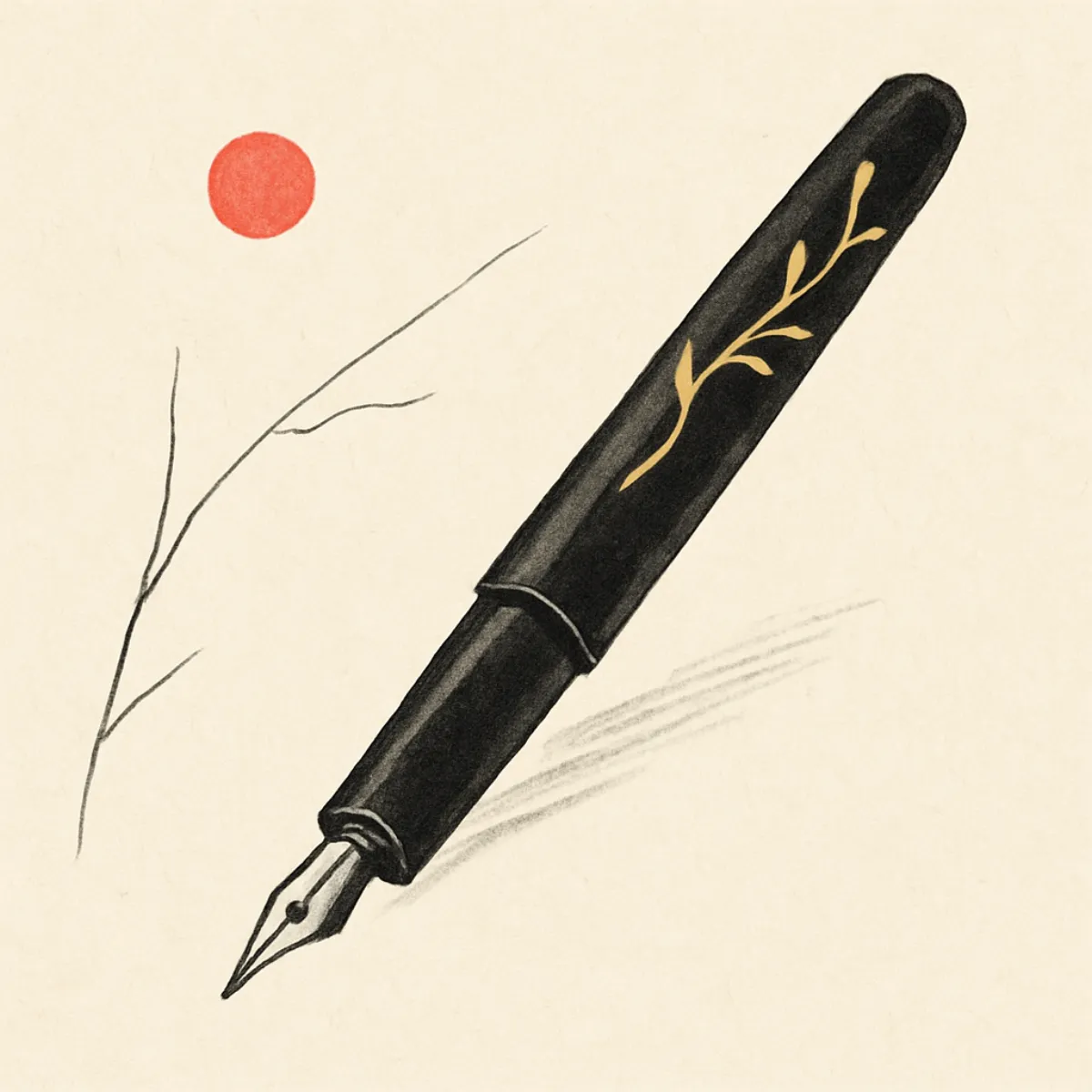
A plain black Namiki Emperor with no gold on it at all still costs $2,700. What you are actually paying for in an urushi fountain pen (the ebonite core, the months of hand-laid lacquer, the real sprinkled gold) laid out as a price ladder from a $600 Nakaya to a $19,000 maki-e, plus how to spot a printed 'maki-e' from a hand-made one.
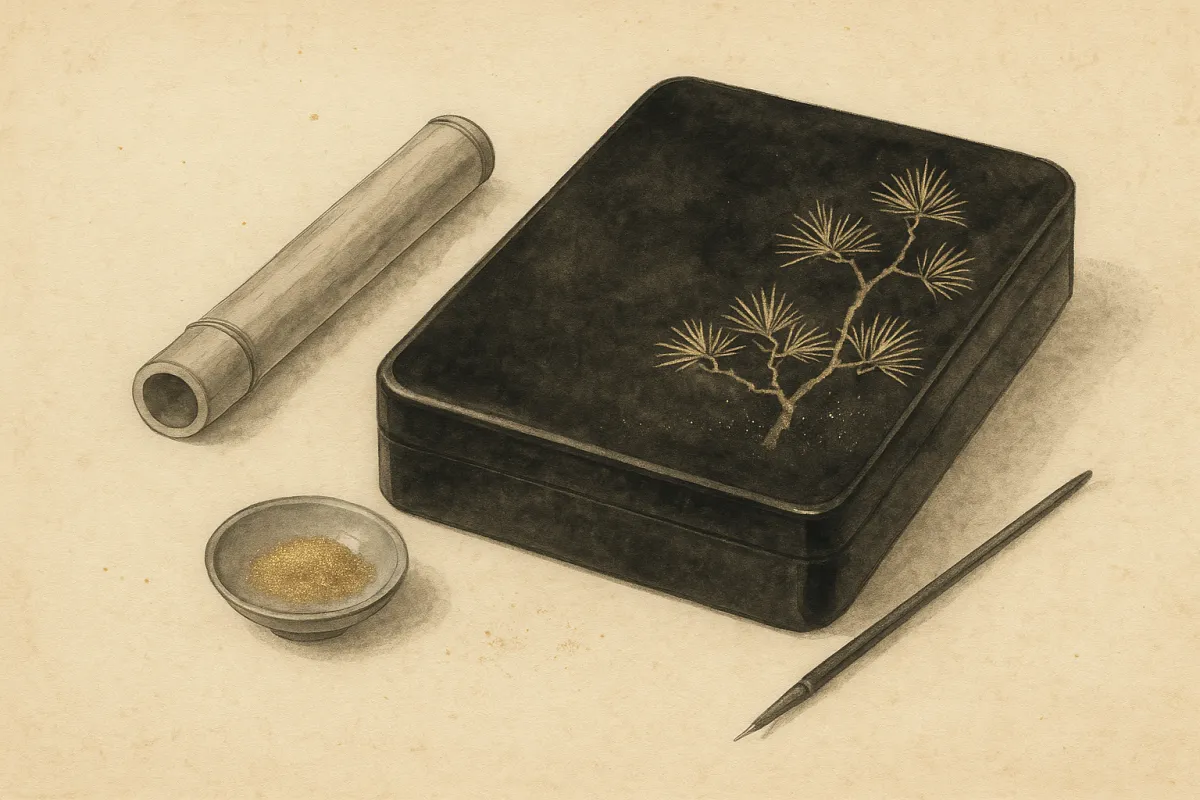
Maki-e means 'sprinkled picture,' and that is exactly how it works: gold is scattered onto wet lacquer, not mixed into it. This explains how the gold gets onto the surface, how to tell hira, taka and togidashi apart, and how to read hand-sprinkled real gold from a printed underlayer.
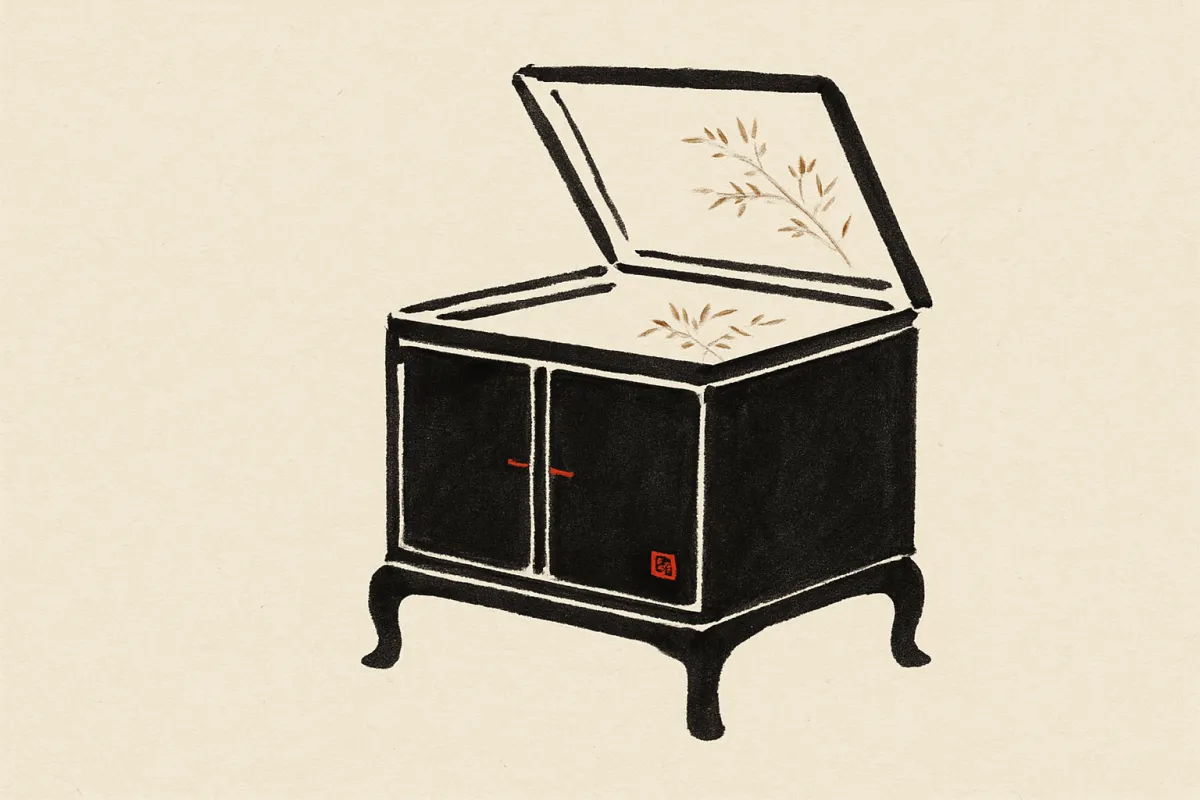
In English, porcelain became "china" and lacquer became "japan": twin fossils of the same 17th-century shopping craze. Here is how a country's name turned into a material, why Europe faked it with shellac instead of real urushi, and what actually separates Japanese lacquer from Chinese.
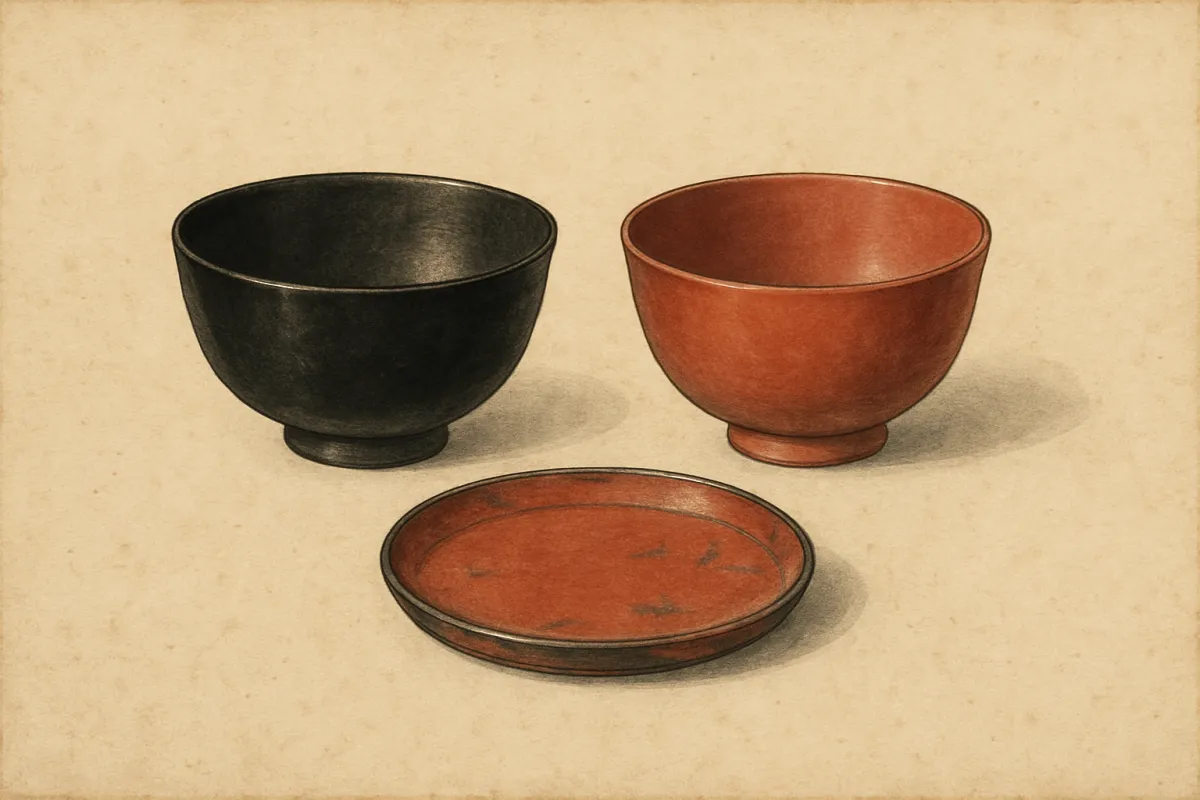
Raw urushi is neither red nor black. It is a honey-colored, translucent sap. The two iconic lacquer colors are a matter of chemistry and history, not taste: black is iron reacting with the sap, red comes from cinnabar or iron oxide, and for centuries those were nearly the only colors that worked.
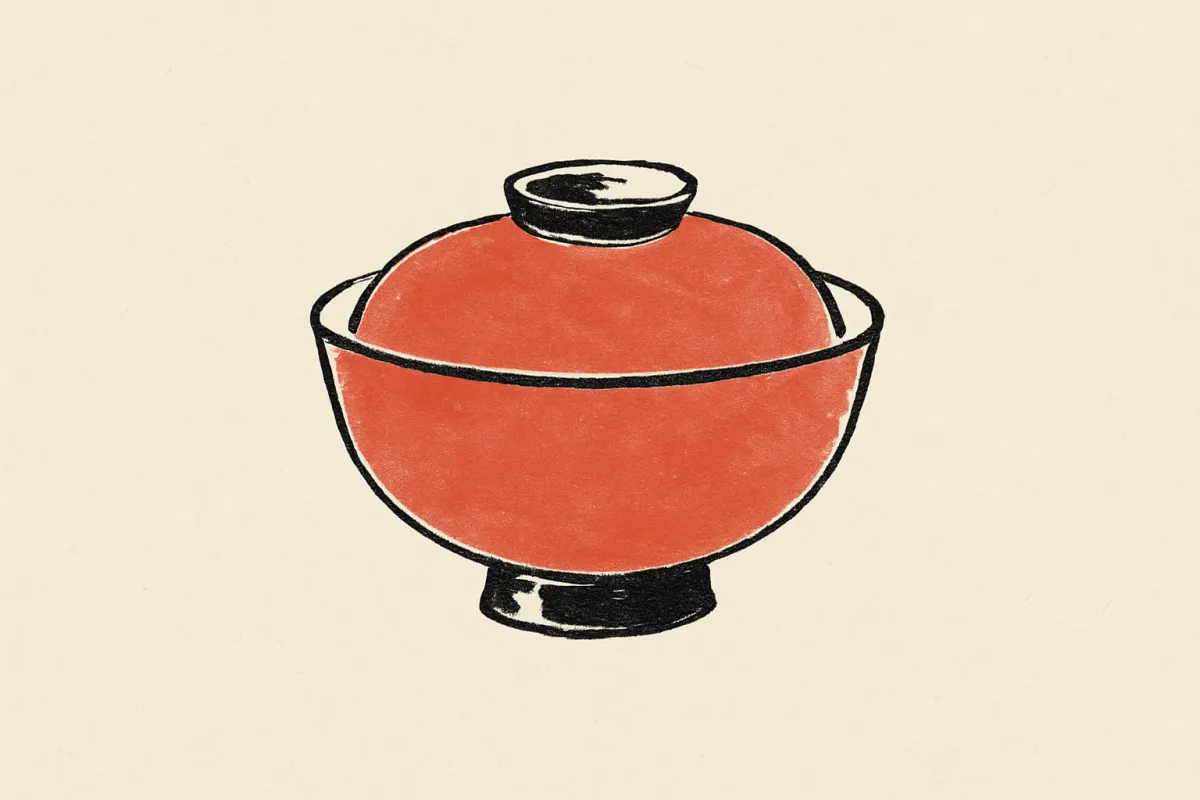
Real urushi lacquerware is tougher than it looks and fussier than people fear. Hand-wash it, dry it at once, keep it out of the dishwasher, microwave, and direct sun, and use it often. This owner's guide covers what damages lacquer, why, how to clean it, and why a well-used piece looks better in ten years than it did new.
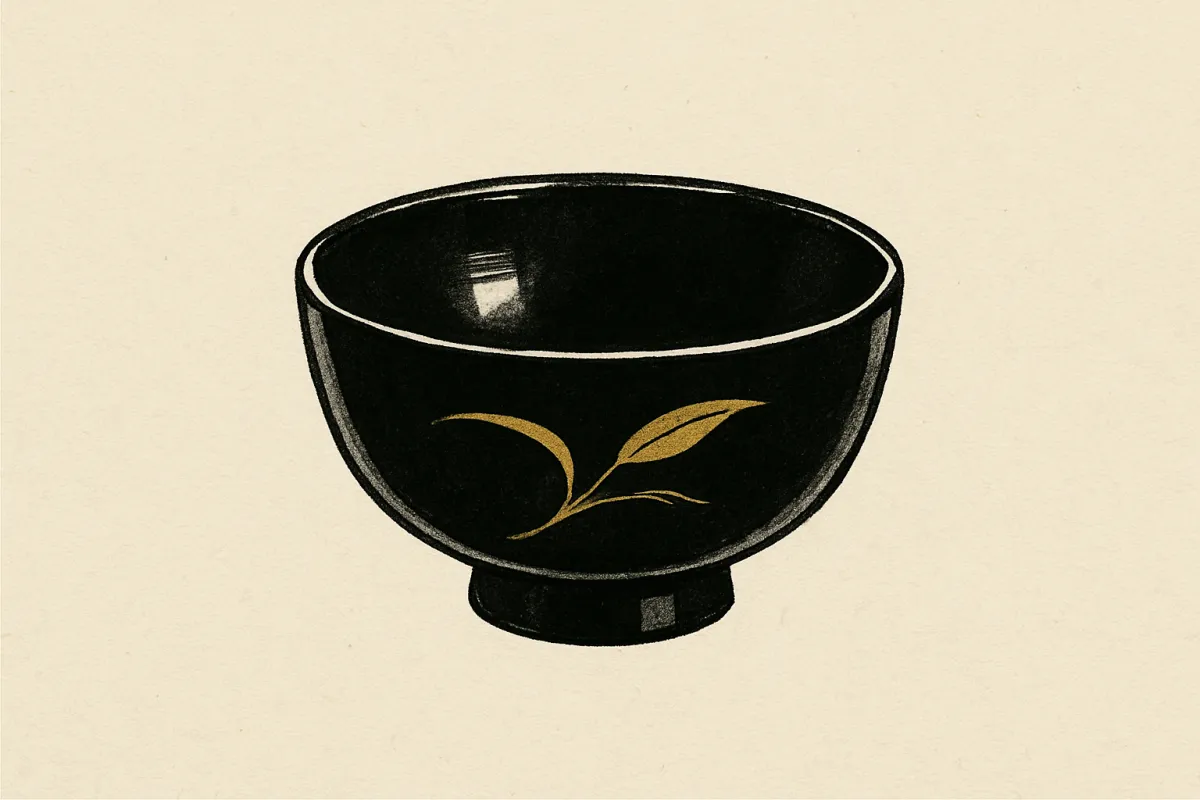
Wajima-nuri is the lacquerware built to survive. Made in a small port on Japan's Noto Peninsula through a process commonly counted at 124 steps, its toughness comes from a local diatomaceous powder and from cloth glued over every weak edge. Here is how it is built, why the labor is split among dozens of hands, and what the 2024 Noto earthquake did to the craft.
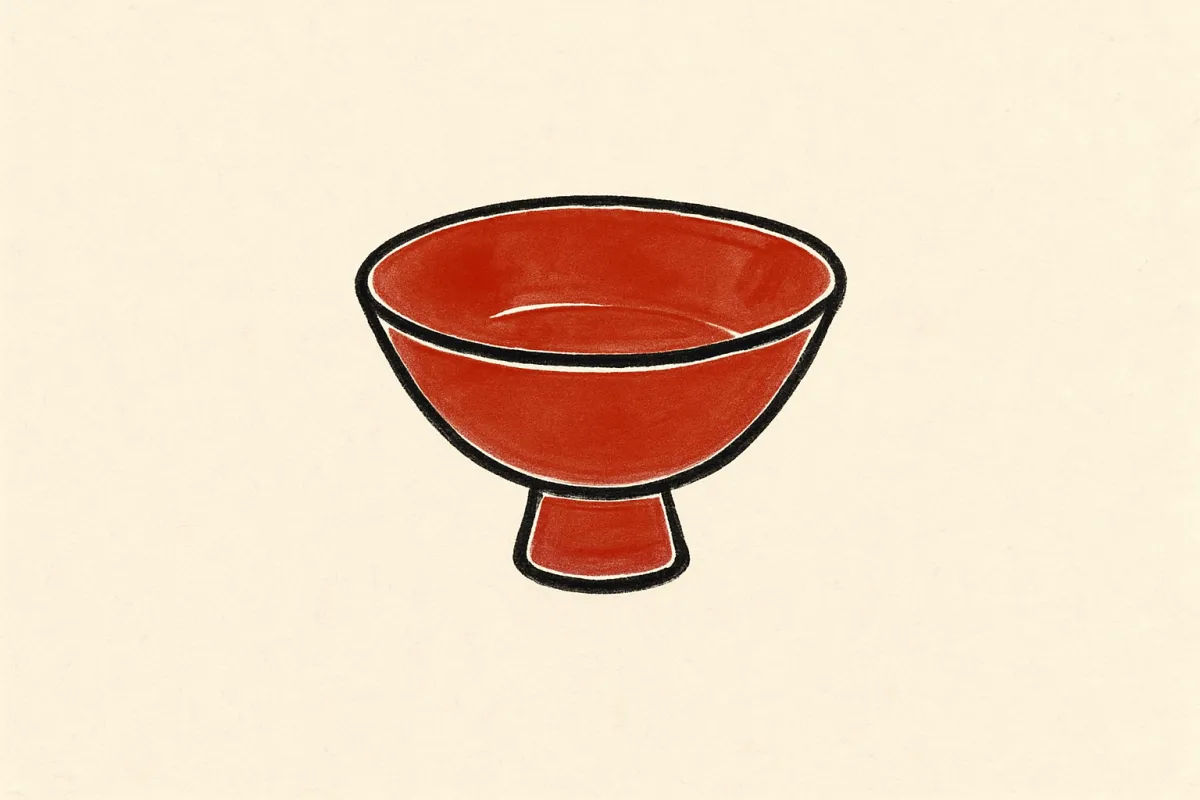
Urushi is the sap of a single Asian tree, and it sets in a way most finishes don't: not by drying, but by absorbing moisture from damp air. This is the chemistry behind Japan's living lacquer, why a cup of it takes a tree's lifetime, and what makes the cured film so tough.