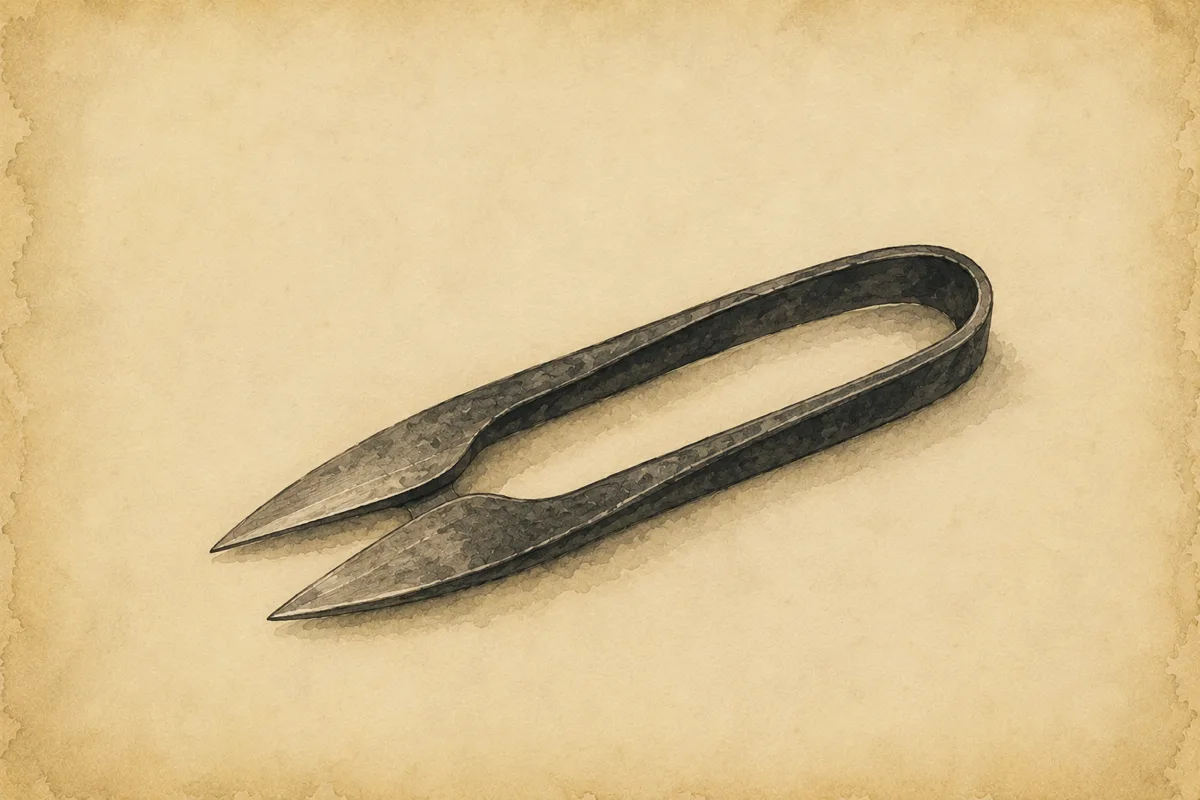
A nigiri-basami is bent from a single bar of steel, so there is no pivot screw. You squeeze the bow shut, and the spring opens it again. The cutting edges are still a hard steel skin forge-welded onto soft iron, the same logic as a kitchen knife. In Ono, where they were once a local industry of 160 smiths, the last man forging them from raw metal by hand was in his seventies with one apprentice.
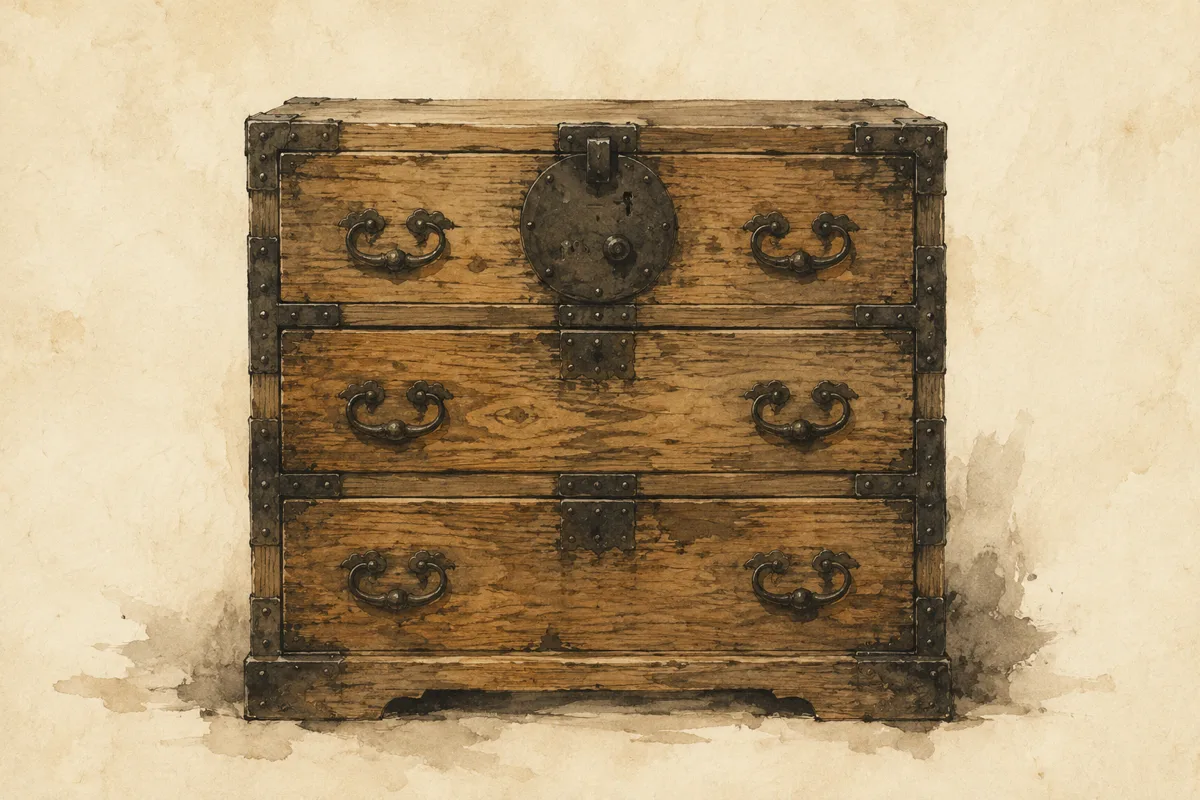
The dragons and lock plates on an old Japanese chest look like ornament, and they are, but they started as work. The iron straps stop the joints springing open when the chest is carried, the lock keeps a merchant's papers shut, and the corners take the knocks. A single Iwayado chest can wear sixty to a hundred fittings. The reason older chests are so heavily ironed is partly that Meiji-era pressed sheet made the metal cheap.
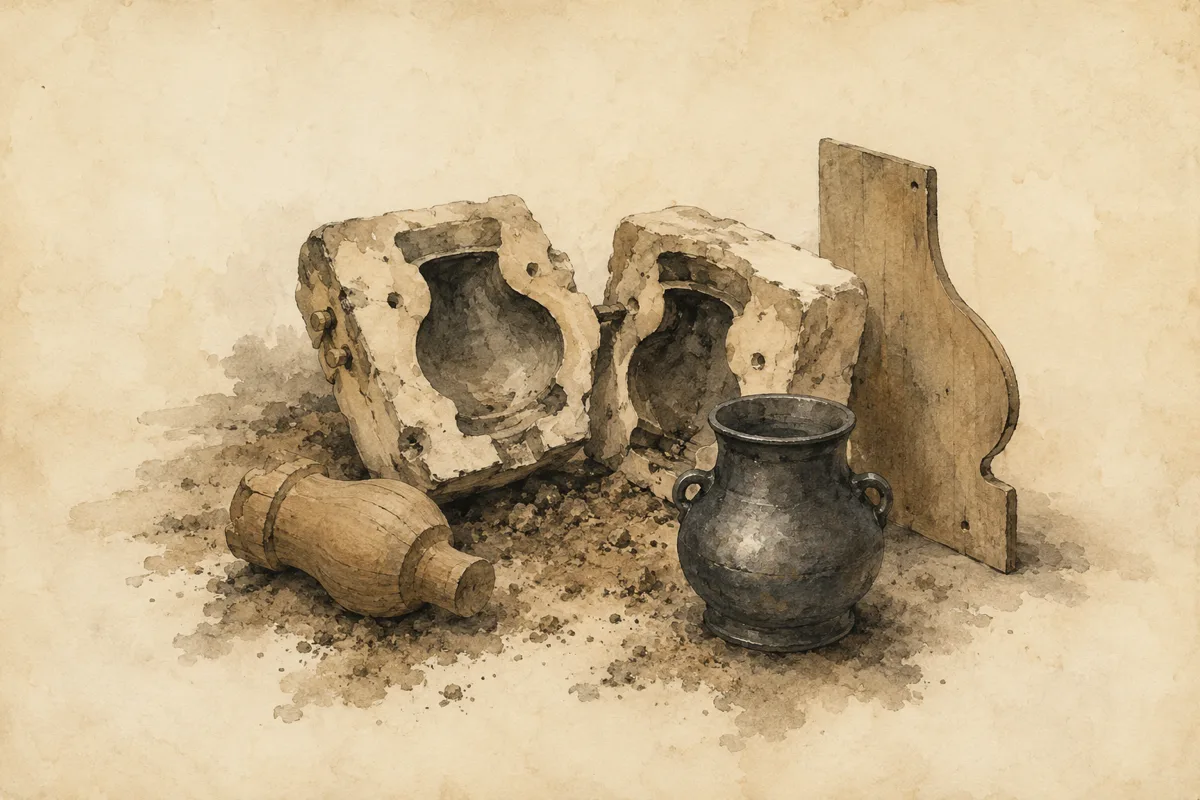
Green sand, fired clay, sectional moulds and lost wax are usually presented as a list of techniques. They are better read as four answers to a single mechanical problem: once the metal has set, how do you get the mould off it? The answer decides what the object can look like and what it costs.
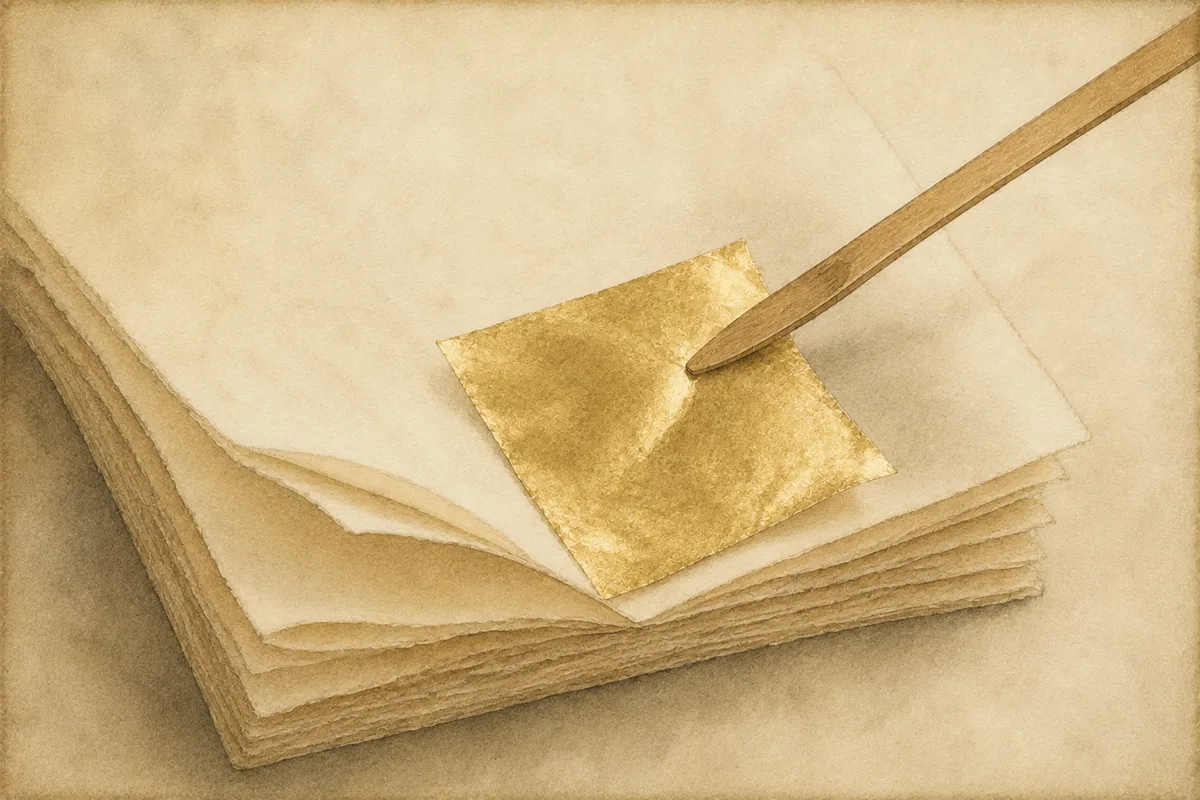
One city makes about 99 percent of Japan's gold leaf, and the reason is not a secret way of hitting metal. It is the paper the metal is hit between, which takes months to prepare and wears out into a cosmetic.
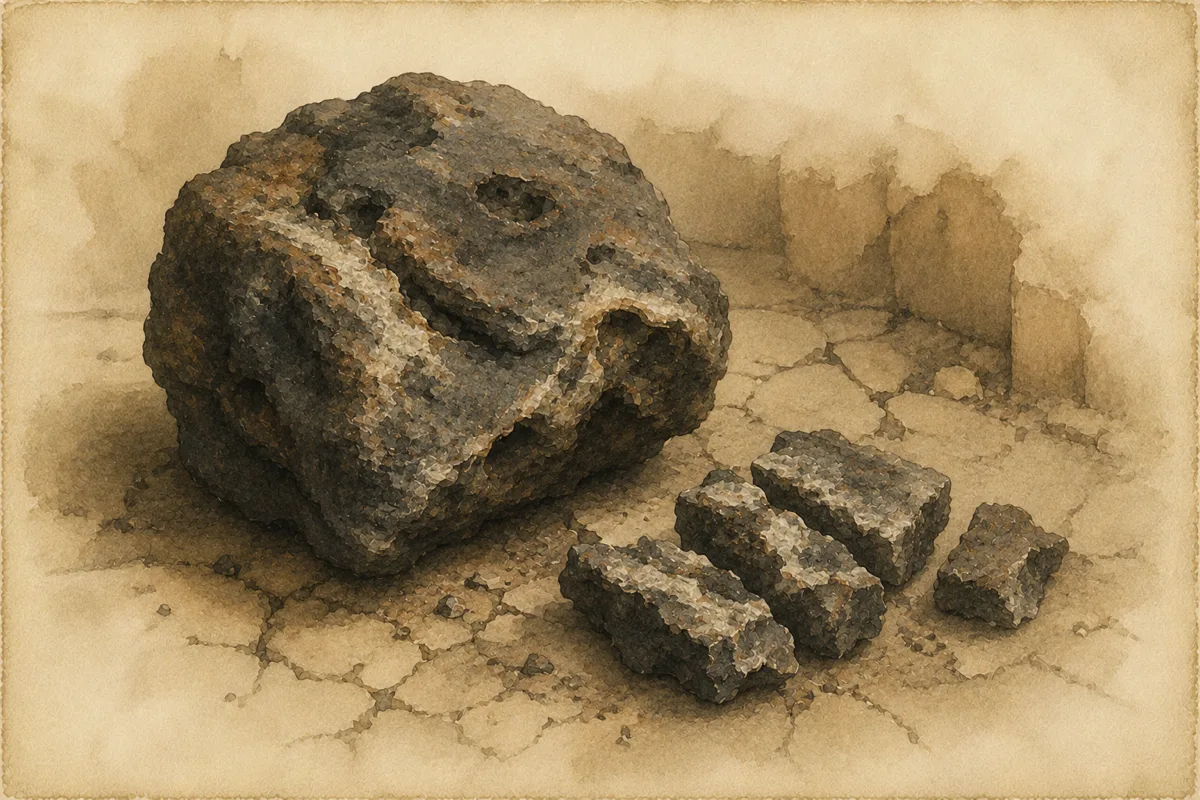
A clay furnace is built, run for three days without sleep, and then broken apart. What it leaves is a two-and-a-half-tonne lump containing everything from pig iron to sword steel, and the craft is deciding which part is which.
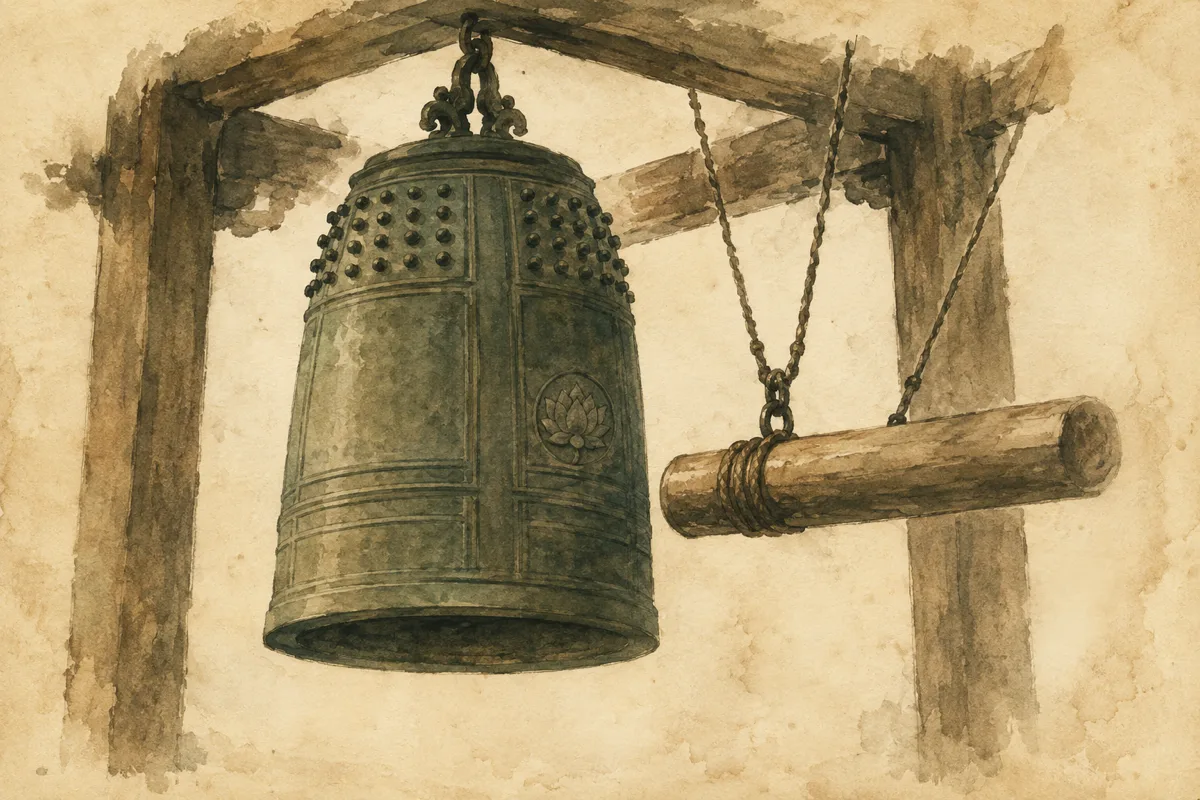
A Japanese temple bell hangs dead still and is hit from the outside by a swinging wooden log. It has no clapper, and it is not built for a bright clang but for a long low note you follow until it dies, up to a minute later. Everything about it, from the bumps on its shoulder to the way it is cast in one piece, serves that fading sound.
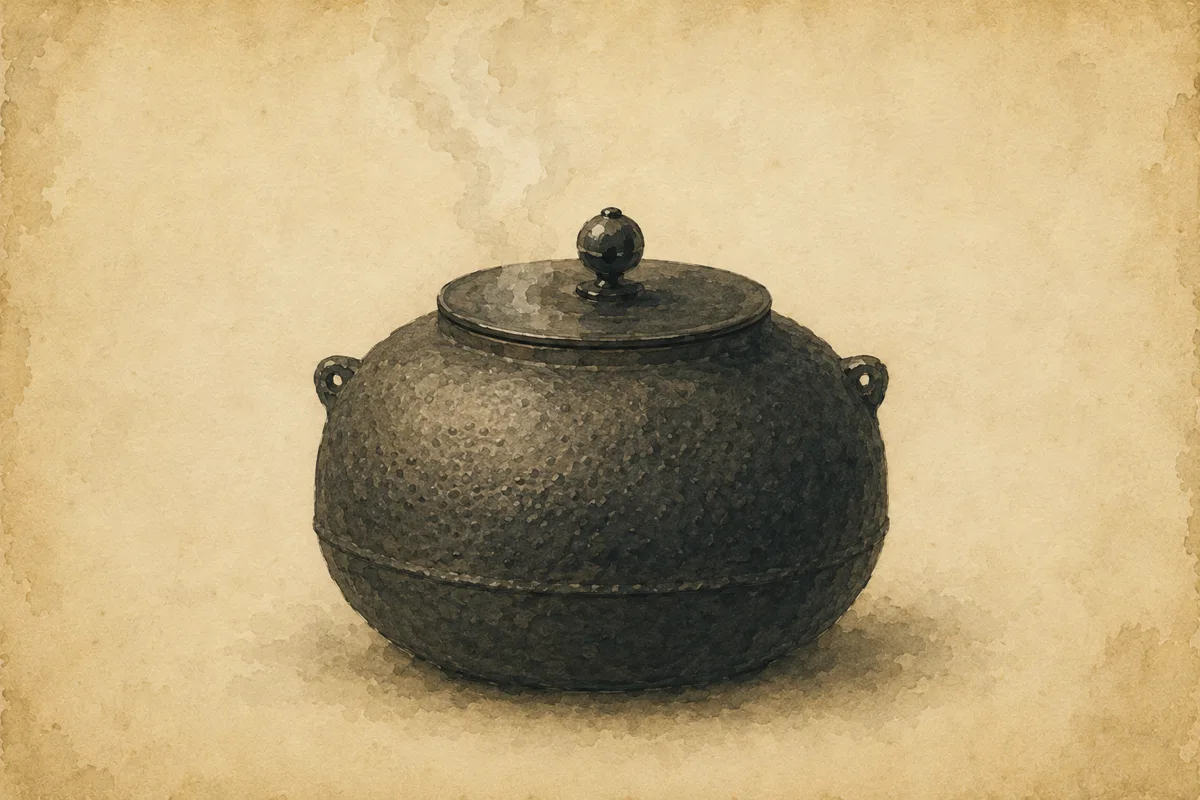
The kettle at the centre of a Japanese tea gathering has no spout and no handle, which makes it the least convenient way ever devised to get hot water out of a pot. Iron fragments are lacquered into its floor to set the pitch of the boil, and the tea is served at the stage of the sound called matsukaze, pine wind.
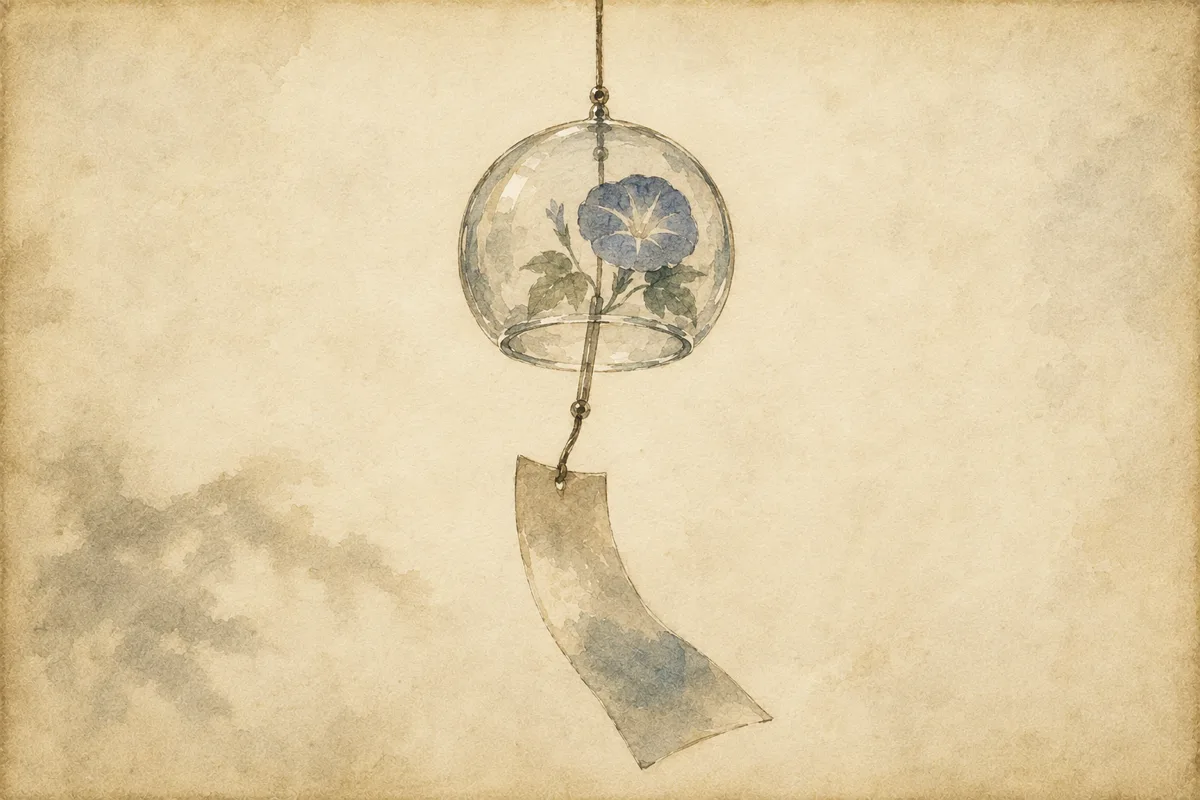
A furin is a small bell you never strike. The wind does it, through a paper strip. It hangs at the window through a Japanese summer to make the heat feel less like heat, and there is decent evidence that it only works on the people who grew up hearing it.
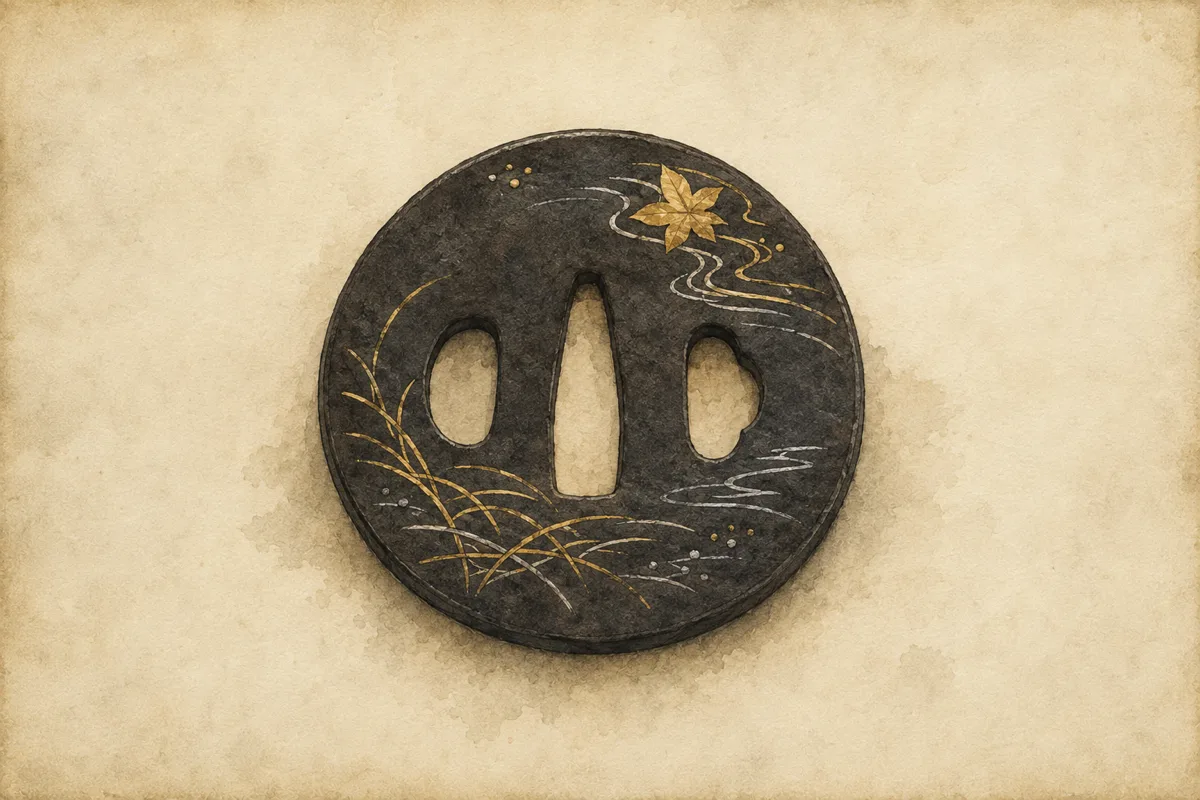
Gold and silver are hammered into iron, the iron is rusted on purpose, and the rust is boiled in tea until it turns black and stops spreading. The craft decorated gun barrels until the 1876 sword ban took away its market. Roughly fifteen people still work in it, mostly on cufflinks and pens.
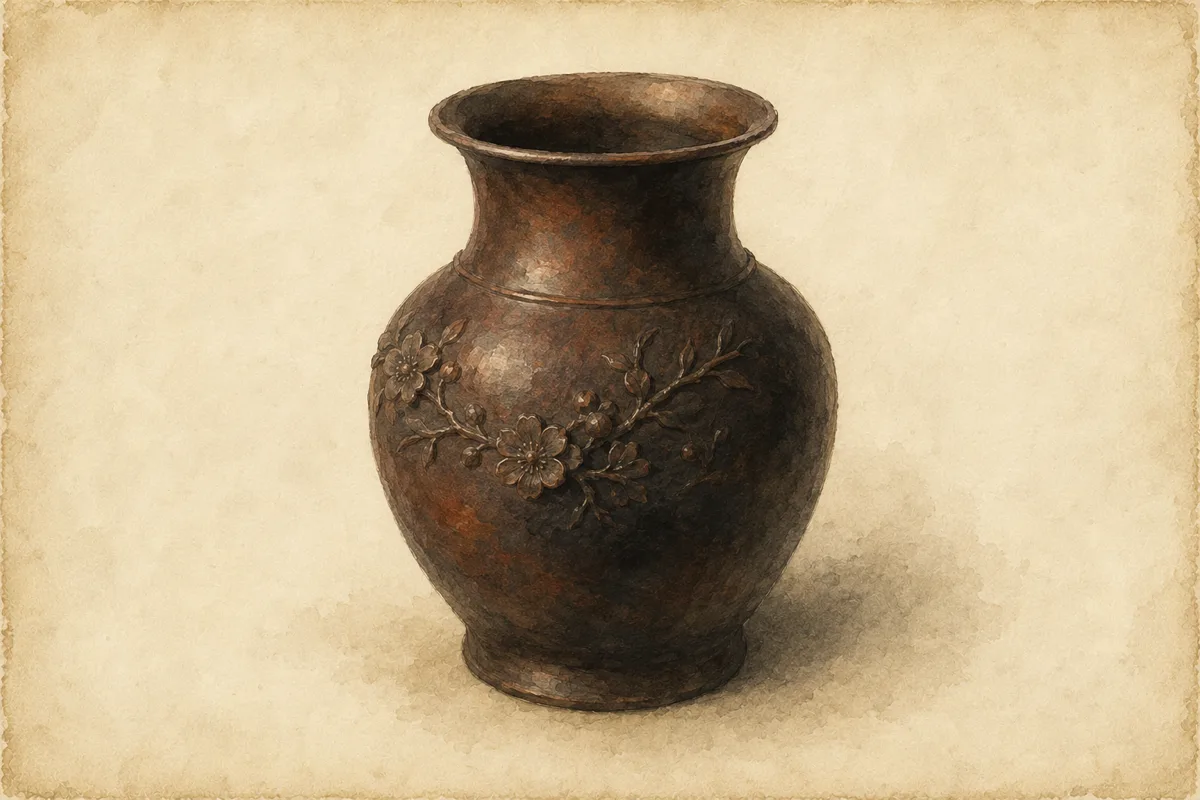
A Takaoka bronze passes through pattern maker, caster, finisher, colourist and engraver, each a separate business, with a wholesaler holding the chain together. The district once had 461 firms and sold more than ninety percent of Japan's copperware. The numbers since are the reason the arrangement is worth understanding.
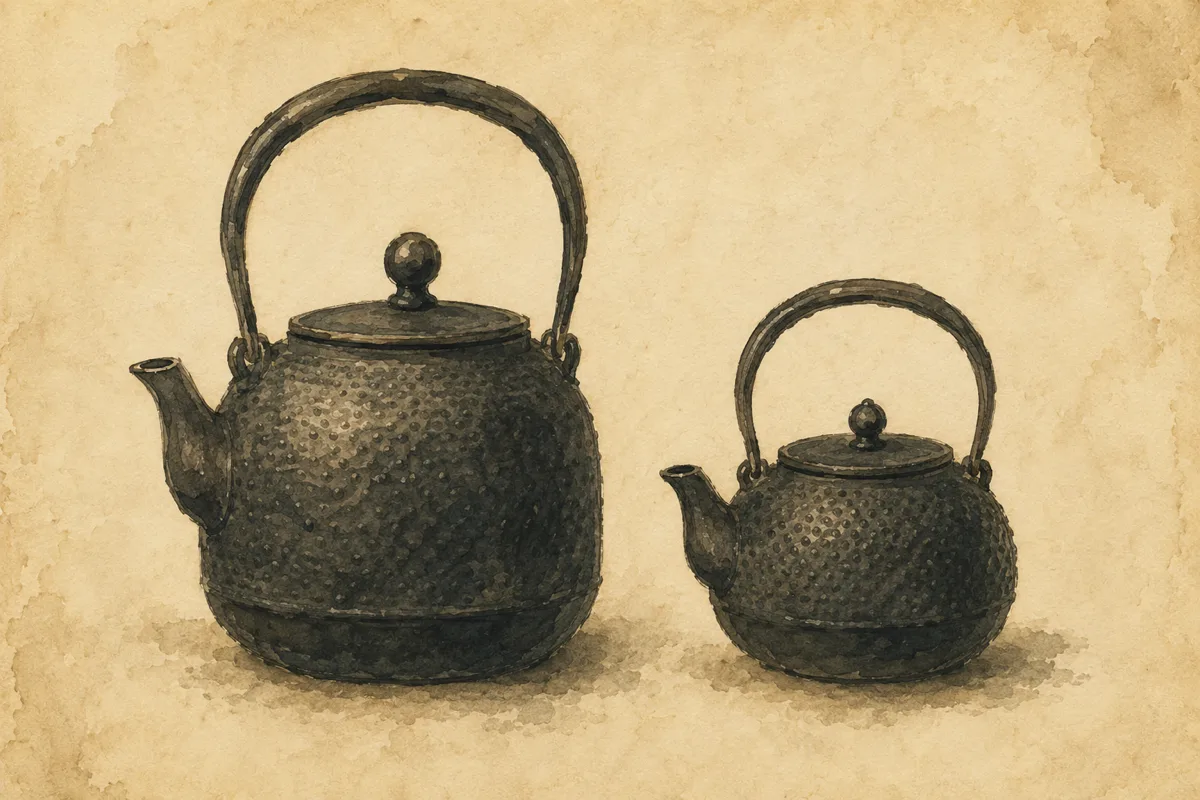
Most cast-iron teapots sold outside Japan are lined with enamel and will crack if you put them on a burner. A tetsubin is bare iron and belongs on the flame. Here is how to tell which is in front of you, and which one suits how you actually make tea.
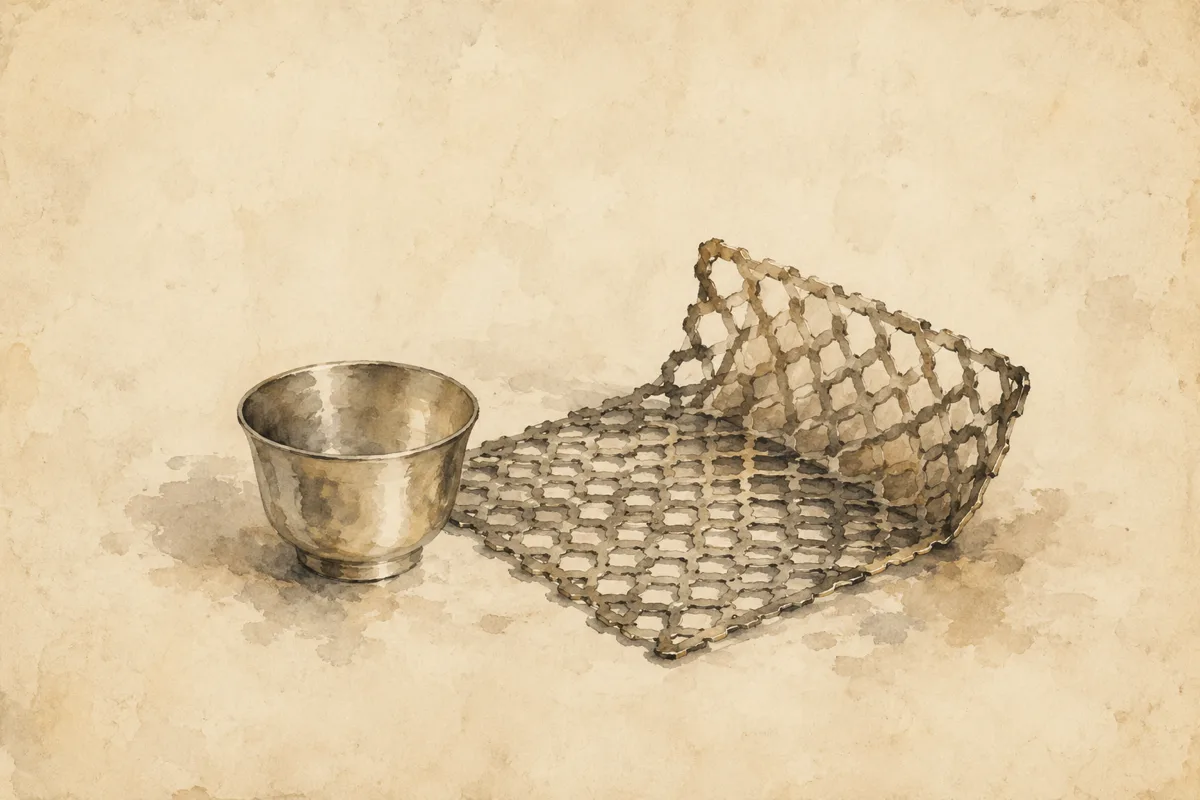
Tin is soft enough to bend by hand and melts at around 232°C. Pewter, the usual tinware alloy, stiffens tin with antimony and copper, until a Takaoka foundry went the other way in 2003 and cast tableware in unalloyed tin.
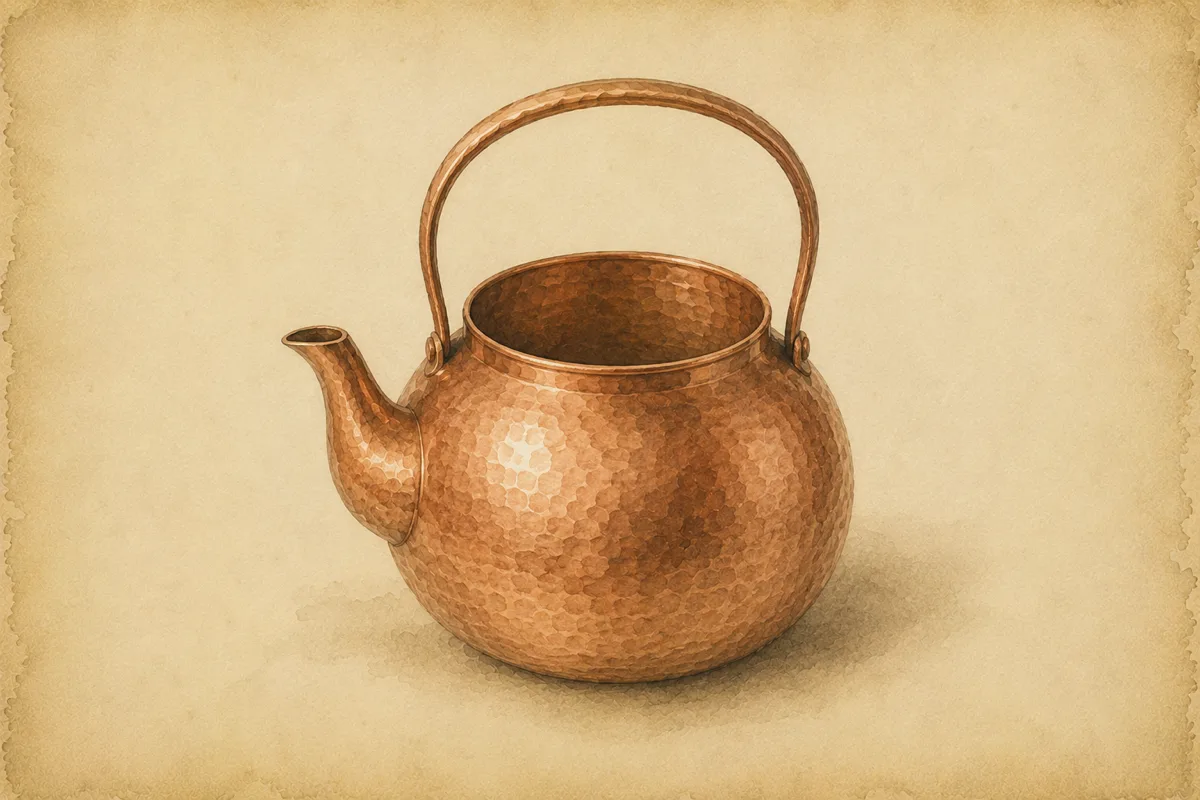
In Tsubame, Niigata, a copper kettle and its spout are raised from a single flat sheet with no seam and no solder. The hammering shrinks the metal rather than stretching it, and one seamless kettle is annealed about fifteen times before it holds its shape.
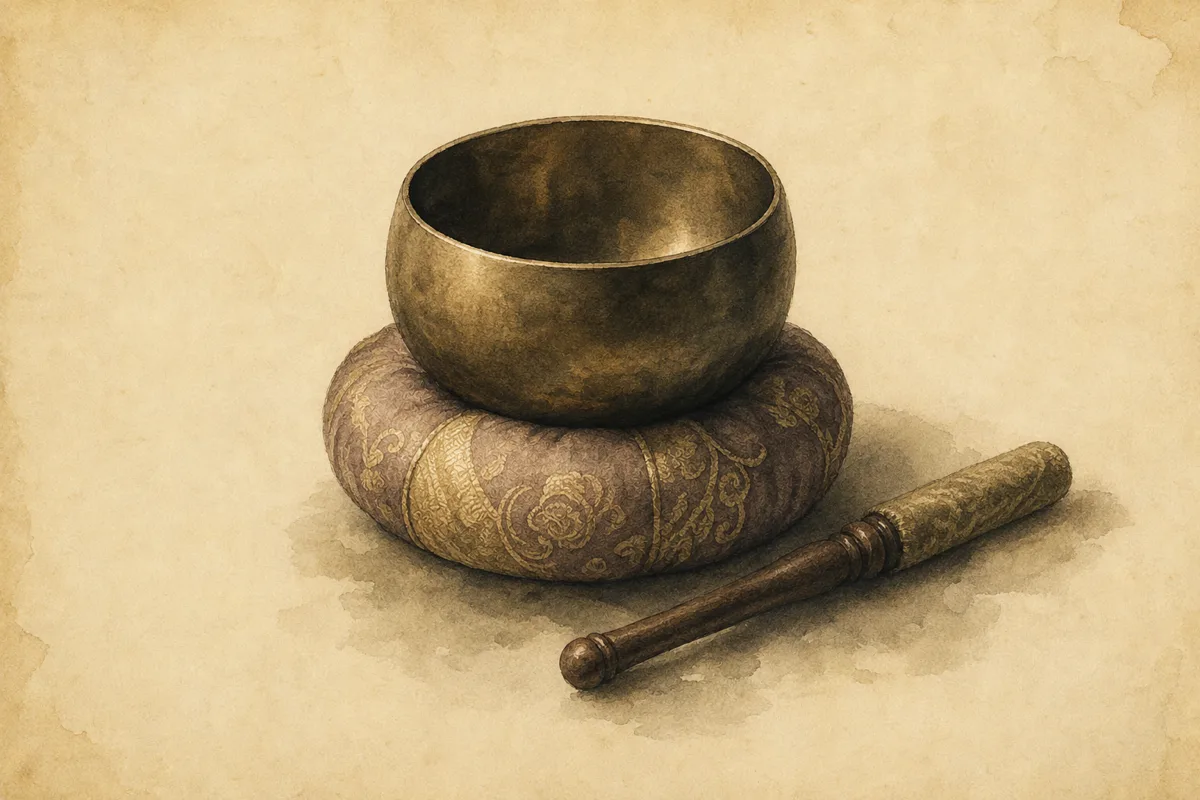
An orin looks like a singing bowl and is not used like one. It belongs on a Buddhist household altar, it is struck once with a padded stick, and the good ones are cast from a bronze carrying so much tin that the alloy is close to unworkable.
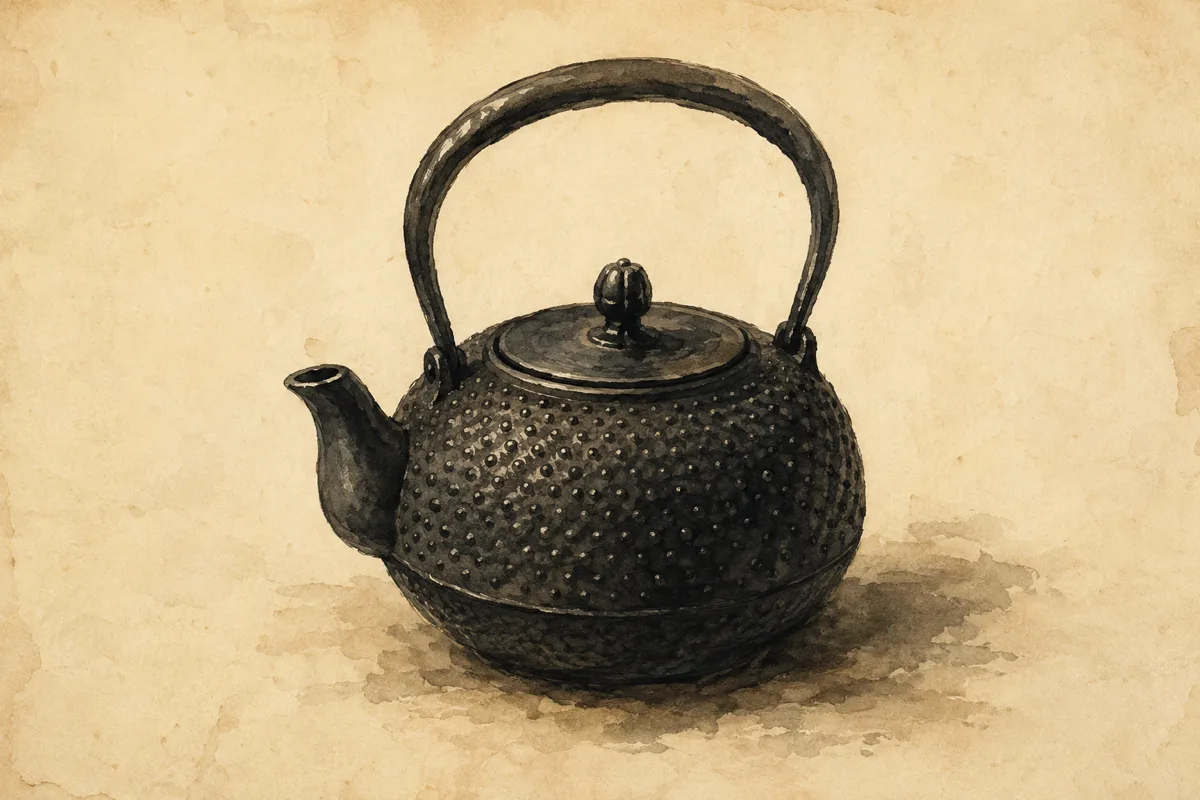
Nambu tetsubin is not a brand and not just any iron kettle. It is cast ironware from two towns in Iwate, poured one kettle at a time into a mold that is destroyed in the making — and the bare iron inside is the whole point.